Library

Library and Academic Services

News

Change (with)in Academic Coaching

October 26, 2022

Academic Coaches have long worked one-on-one with RRC Polytechnic students. They guide students to achieve their academic goads and overcome obstacles by looking at new approaches to learning.

Our academic coaches are exceptional listeners. They raise self-awareness, stick closely to the agenda, and encourage the student to take responsibility for themselves.

In our coaching model, we look at options; we look at choice. We are searching for “what is possibly, in this situation?”

When students access academic coaching, they are stating that they are not accepting the default choice (to do nothing). In his writings on the philosophy of education, John Dewey underscores this importance of choice and change: “The self is not something ready-made, but something in continuous formation through the choice of action.” Coaching is about raising self-awareness as a precursor to the nature of the choices we make.

This fall term, we’ve explored various ways to offer Academic Coaching and advanced the program with two key practices:

  1. Recognizing the value in an authentic coaching sessions. When students and academic coaches have the opportunity to observe, provide feedback and see common issues, students can see that they aren’t alone in their challenges and coaches can home in on skills – all of which leads to ways forward for students.
  2. Bringing our Peer Coaches into the fold. Peer coaches are peer tutors with additional training to help ease the transition to college for new students. The insight peer coaches provide as both students and coaches inform our coaches on what students are currently experiencing. And, as like many supports, there is a certain amount of reciprocity:
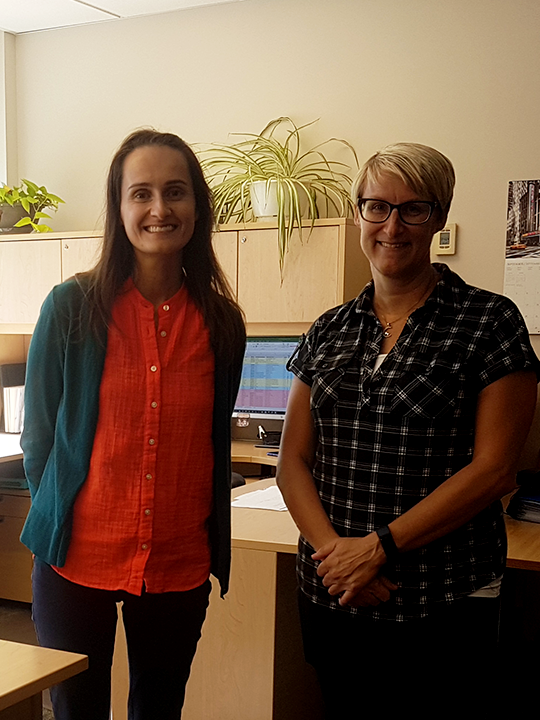
Peer Coach, Kim Patricia Reyes, Business Management

“What I like about being a peer coach and a peer tutor is the ability to share my experiences with students and, at the same time, learn from them too. It’s like having a conversation with a friend but having the ability to help and support them as they go through the adventures of being a college student.” Peer Coach, Kim Patricia Reyes,

Our Peer Coaches joined the Academic Success Centre’s Academic Coaching meetings. Their presence and input add to the richness of our coaching community. Meeting topics include moving from online to in-person learning, retaining information throughout the terms for multi-level/stackable courses, and adapting to changes in a timetable.

This fall, we have offered students the opportunity to attend a Group Coaching session. In these sessions students hear about a relatable issue or goal that a peer has, and options to work through the issue or meet the goal. Students are invited to contribute to the conversation or be active listeners.

The next Group Coaching session is scheduled for Monday, Nov 21st at 12pm in the NDC Library Classroom CM-27.  For more information, visit https://library.rrc.ca/academic_coaching/welcome

Through Group Academic Coaching, Academic Coaching Training + Development, Peer Coaching and one-on-one Academic Coaching, we provide students with impactful questions, “what makes this an issue now, what have you already tried, what are the implications of doing nothing or carrying on as things are?”; a bank of resources and, most importantly, the opportunity to identify and address and move a goal forward.

Submitted by Dayna Graham and Nick Schroeder, ASC

October is Dyslexia Awareness Month

October 19, 2022

image source: Pixabay
image source pixabay

Did you know that October is also Dyslexia* Awareness Month? Did you know that 1 in 5 people have dyslexia? Do you know what dyslexia is?

Dyslexia is a learning disability that affects the ability to read, write, and comprehension skills. Dyslexia is something that affects more than just how your brain processes words and their sounds. It can affect many other areas of the brain such as phonemic awareness*, motor control, memory, spatial awareness*, and more. People with dyslexia cannot “try harder” to catch up with their peers. It’s a neurobiological disorder*, which means that when you compare the two brains of someone with dyslexia and without you will notice that their brains respond differently when learning new words, spelling, etc.

Dyslexia is something that is a lifelong struggle. Which, in turn, affects adult learners in a variety of ways. They might be hesitant to do assignments with heavy reading, could be stressed out about deadlines, or avoid places like the library altogether.

Library and Academic Services is ready to help all students and we can cater to the unique set of needs that someone with dyslexia may need such as:

    • A collection of audiobooks
    • Auto renewals for physical books
    • Videos with closed captioned options
    • eBooks with dyslexia friendly fonts
    • One on one reference support services
    • And more!

Dyslexia (duh·slek·see·uh): A brain-based learning disorder that affects the ability to read, write, and spell.

Phonemic (fuh·nee·muhk) Awareness: The ability to focus on and manipulate different sounds in spoken words.

Spatial (spay·shl) Awareness: Knowing where your body is in relation to objects or other people.

Neurobiological (nur·ow·bai·aa·law·jee·col) disorder: Disorders of the nervous system caused by genetic, metabolic, or other biological factors.

Written by Justine Hawley – Resource Management Technician

Library Offers Expanded Support for Research at RRC Polytech

October 17, 2022

man in lab coat conducting research

Library and Academic Services is expanding to greater support the scholarly communication lifecycle for researchers at RRC Polytech!

Research Services Offered

Researchers and faculty can benefit from Library Research Services in numerous areas including:

man with glasses listening intently

Searching for Information Sources

We can assist you with advanced searches in discipline specific and larger databases; developing search strategies; grey literature searches; and with knowledge synthesis projects (including systematic reviews in the Health Sciences).

Open Access

A librarian can help you with selecting Open Access journals for publication or with complying with the Tri-Agency Open Access Policy on Publications.

female with safety glasses and blue gloves on

Author Support
(for scholarly communications)

We can help you navigate the steps between writing and having your work published by traditional and alternative publishers.

Research Data Management

Assistance with writing Data Management Plans (DMPs), data handling best practices, data description, storage, and preservation. Learn about what the Tri-Agency Research Data Management Policy applies to the research data you collect.

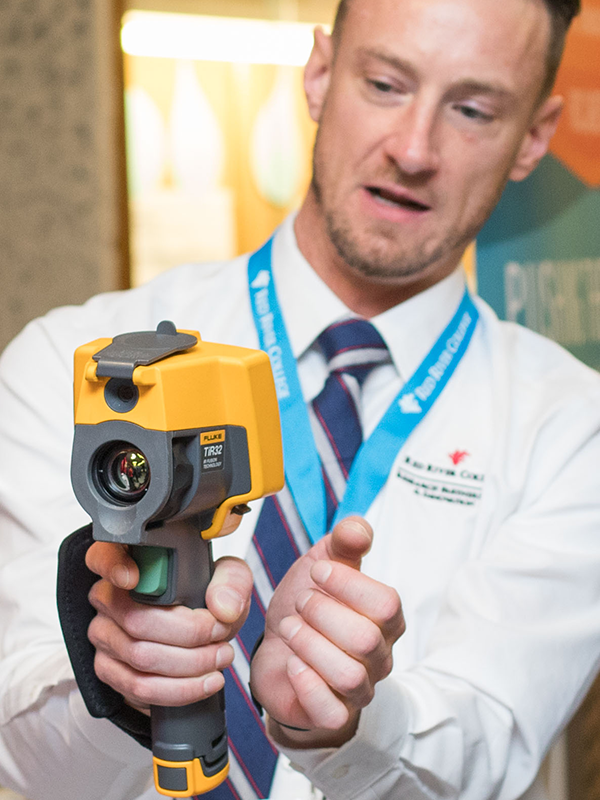
man demonstrating a device

Research Impact

Support for understanding measurements of citation and bibliometrics.

Research Ethics

A librarian can help you with the steps towards receiving Research Ethics Board (REB) approval – necessary when conducting research involving human subjects.

Research Consultations Now Available

Research consultations with a research librarian are now available, in person or via Teams!

You can book a research consultation by filling out a Research Consultation Request Form. The form allows you to attach any protocols, initial searches, or documentation for the librarian to review beforehand to ensure a productive consultation.

Library and Academic Services is looking forward to supporting you in your research endeavours!

Written by Chris Read, MLIS – Research Services Librarian

Let’s Talk Tutoring

October 7, 2022

Tutor Appreciation Week: October 3-7, 2022

The start of October marked Tutor Appreciation Week. This is a fitting time. As we move along this fall term, students develop an awareness of their course and academic strengths and weaknesses.   

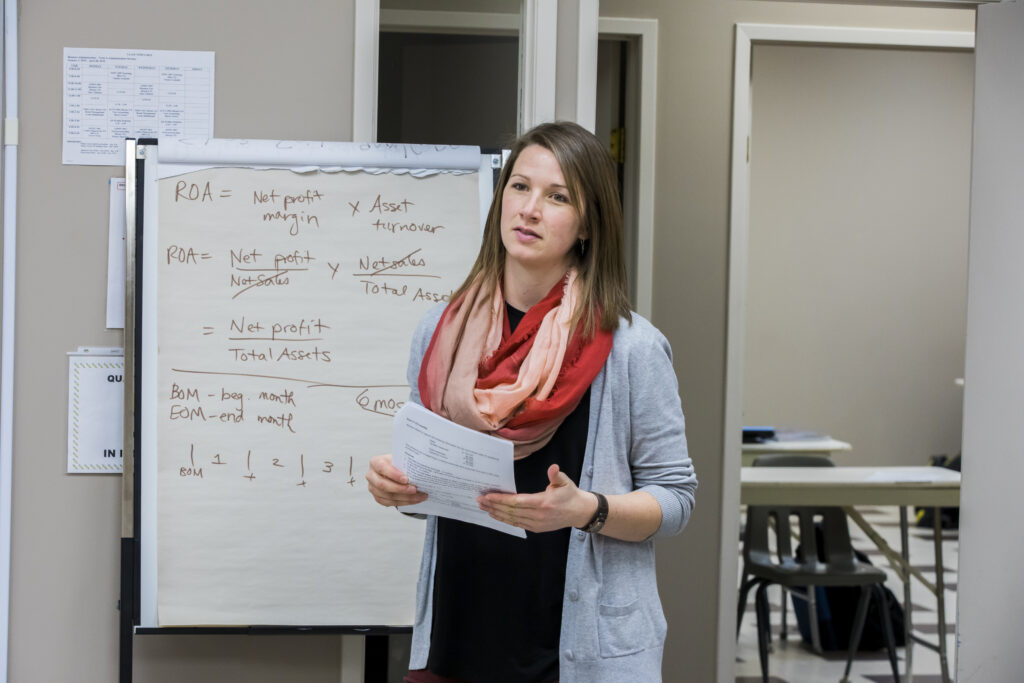
Tutoring is one conduit of academic support–tutoring provides students with the opportunity to engage with and review content in a supportive environment.  

Tutors help to improve understanding and performance. What’s more, students often feel more comfortable asking questions in a 1:1 situation, and our tutors’ kind and student-centred approach instills a feeling of academic confidence in a safe space.

Studies point to a trend in the relationship between academic supports and students’ passing their courses and staying in college.  

We are grateful to have over 50 peer and staff tutors who support over 200 courses. Our writing tutors, EAL specialists and academic coaches, round out an extensive level of support for our diverse student body. For a look at the courses covered, visit Courses We Tutor In.

Alex’s story: how a tutor changes lives

Alex has always held a keen interest in the education field. This interest, combined with a highly influential tutoring experience in Israel, paved the way for Alex to support hundreds of RRC Polytech students in a myriad of programs including Civil Engineering, Business Administration, Trades, Electrical Engineering Technology, Nursing and Early Childhood Education.

Photo of Alex Shatokhin reviewing Business Finance.
Alex Shatokhin, tutor, reviewing Business Finance with a student

At 12 years old, Alex’s parents wanted to send him to a school with strict admission requirements. Alex didn’t pass the admissions test math component. So, Alex’s parents found a tutor for him.  

This tutor was part of a team of professors at the University of Tel Aviv who developed standardized math tests. The tests were more challenging than grade 12 advanced placement tests. If you–as a 13-year-old–passed these tests, you were eligible to start working on your bachelor’s of math. Yes, you read that correctly!  

After two years of tutoring under this professor, Alex took his first university course (at age 15). Alex attributes many aspects of that tutoring experience to his success in math.  He was taught to learn the big picture in math and after that, learn in a focused, piece-by-piece way in areas such as logic and calculus.   

Now, Alex has taken on the role of tutor. He supports students in areas such as math and accounting, statistics, and statics and strengths. Alex is a calming presence. He is quietly confident in math and science and has exceptional observational skills. He excels at sitting with students and seeing what they are writing down, understanding their facial expressions, and identifying their needs and approaches to course content.   

When asked what he likes most about tutoring, Alex will share example after example of students going from a failing grade to a B+, or successfully helping students who have one try left to pass a course. It’s these results, when students’ grades improve, indicating increased understanding, that Alex appreciates the most. Alex strives to bring positive value to students’ academic life.   

If you were to ask students what they appreciate about Alex you’ll hear, “he cares.” Furthermore, he has a way of breaking down problems into simpler/smaller steps, thus reducing anxiety. With reduced anxiety, comes higher clarity and capacity to work on course content.  

Perhaps the lessons from his tutor back in Israel influenced Alex’s tutoring style. What we know for sure, is that Alex’s style speaks to our diverse population of students. Tutors like Alex play an important role at our college. They bring patience, commitment, and understanding.   

An opportunity to pause and express our thanks

“Students depend on our tutors each day to help them perform well and succeed in their academic career and College journey.”

Kerry McDonald, Director, Library and Academic Services

As Kerry McDonald, Director of Library and Academic Services states, “We welcome the opportunity to pause and express our thanks to our tutors. Students depend on our tutors each day to help them perform well and succeed in their academic career and College journey.  A BIG thank you to our tutors for all the support and guidance you give to students and for the kindness and compassion you show with each student interaction.  We appreciate you and are glad to have you on our Team!”  

A Final Note

To end, remember to share supports such as Tutoring at the Academic Success Centre with your students, and take a moment to thank the staff and faculty around you as we are all part of a supportive campus community.

Reference  

Casazza, M. & Silverman, S. (2013). The Path to College Completion – Meaningful Access and Support. Council of Learning Assistance and Developmental Education Associations, p. 15. 

Submitted by Dayna Graham, Student Case Manager and Faculty Liaison (Academic Success Centre)

Exam Accommodations: Removing Disability-Related Obstacles to Performance

October 3, 2022

Introducing the Exam Accommodations Team

Exam Accommodations at Red River College Polytechnic work closely with Student Support Services to provide students with documented disabilities the opportunity to accurately demonstrate how well they have mastered course material by removing disability-related obstacles to performance.

Exam accommodations are highly individualized and are determined according to the nature of the student’s disability, course objectives, and learning outcomes. Exam accommodations include, but are not limited to, reduced distraction exam environments, extended time, oral exams, scribes, and the use of assistive technology to support exam taking.

Learn more

Visit the Exam Accommodations page to learn more about exam accommodations as well as the eligibility requirements and processes to receive accommodations. On this page, you’ll also find additional resources available for students and faculty.

You can also come visit us at the Notre Dame Campus in room D110, or in Manitou a bi Bii Daziigae, room E440.

More in this series

This is the second in a series of posts introducing Assessment Services. The previous installment of this series is available here: Admissions, Diagnostic and Placement Testing Team.

Written by Melissa Coyle, Academic Assessment Services Supervisor

Niizh Manitoag: Two-Spirit Spotlight

September 26, 2022

pow-wow 2019 - Indigenous dress and dancing

September 30th marks the day in which we as Canadians take time to reflect on our relationship with the Indigenous peoples of Canada. We use this day to acknowledge the mistakes of our past and to work towards a better future together where we are all equals on Turtle Island.

There are many Indigenous identities all through our lands, each of them bringing something unique to Canada’s culture. We would like to take the time to acknowledge the queer Indigenous culture and spotlight the Canadians who identify themselves as Two-Spirit.

The term Two-Spirit was coined in 1990 at the third annual Native American/First Nations Gay and Lesbian Conference in Winnipeg. Two-Spirit comes from the Ojibwa words niizh manitoag (two-spirits). Two-Spirit individuals are regarded as sacred and had many special roles in their tribes.  Despite colonization, violence, and prejudice, Two-Spirit individuals have continued to be resilient and be leaders in their Indigenous communities as well as a strong voice in LGBT2S+ communities. Red River Polytech would like to extend our appreciation for the work being done to make this community visible through Canada’s history and future.

If you’re interested in learning more about Two-Spirit peoples and Reconciliation, visit CCDI Consulting: LGBTQ2+ Inclusion at Work. They will be hosting a free webinar in November.

University of Winnipeg also has a wonderful archive on the history of Two-Spirit people in Manitoba. Information on how to access that can be found here: University of Winnipeg: Two-Spirit Archives.

Written by Justine Hawley, Library Resource Management Technician (on behalf of RRC Polytech’s Gender and Sexual Identities Network)

Truth and Reconciliation Week 2022: Selections from the Library’s Collection

September 22, 2022

RRC Polytech’s fourth annual Truth and Reconciliation Week, with activities scheduled throughout the week of September 26-29, 2022. This event is dedicated to deepening our understanding of Canada’s history, Indigenous cultures, and sparking a conversation around Truth and Reconciliation.

Truth and Reconciliation at Library and Academic Services

Library and Academic Services is actively responsive to Truth and Reconciliation, diversity, inclusion, and equity, through our work, policies, and engagements. One way we do this is by building a collection that is rich in resources about Truth and Reconciliation, Residential Schools, and Indigenous Experiences. Through these books, videos, guides, and other resources, we all have the opportunity to increase our understanding, which leads to healing and strengthened relationships. This week and always, we invite you on a Truth and Reconciliation journey through the Library’s collection!

Guides to Get You Started

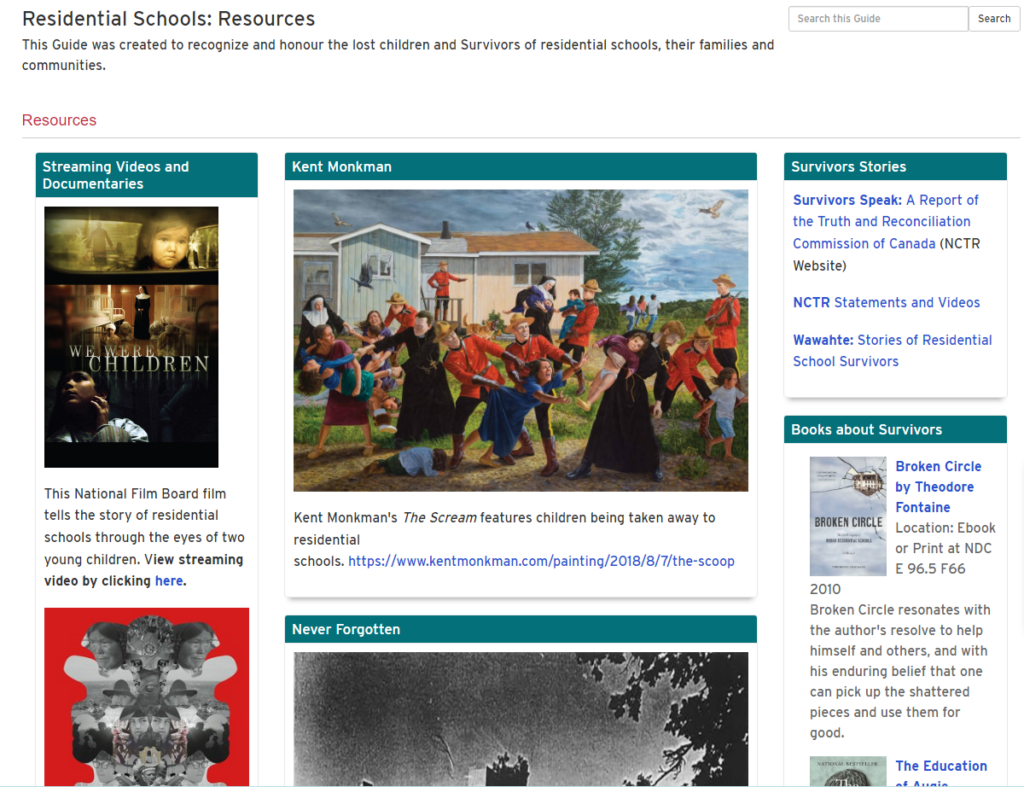
screenshot of the residential schools guide

Guides are a great place to start on any topic as they highlight resources hand-selected by Library staff. Of particular interest is our Residential Schools guide.

Noteworthy Books

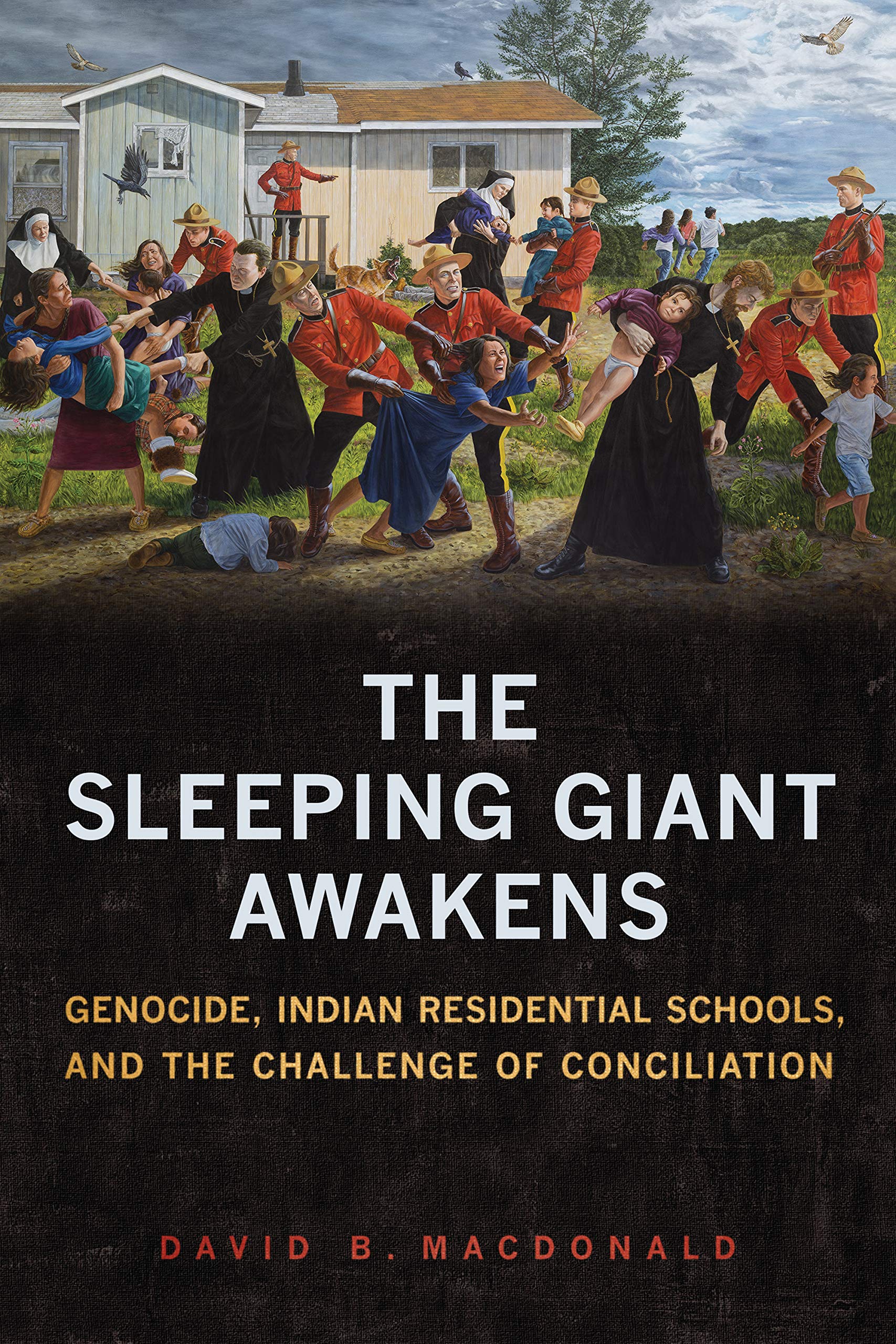
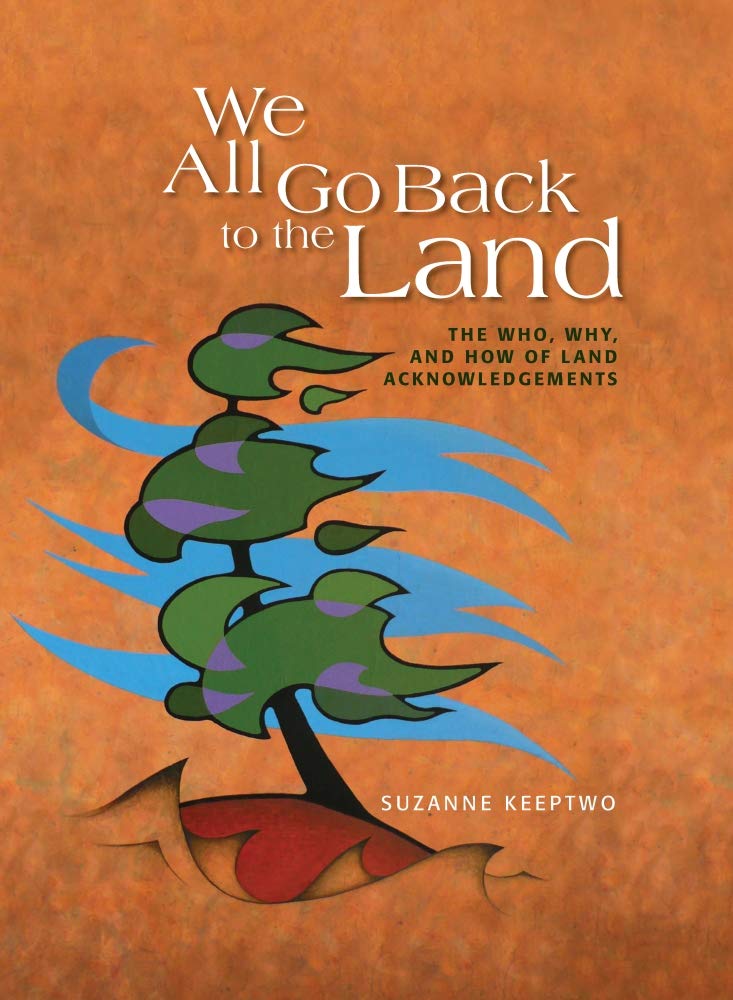
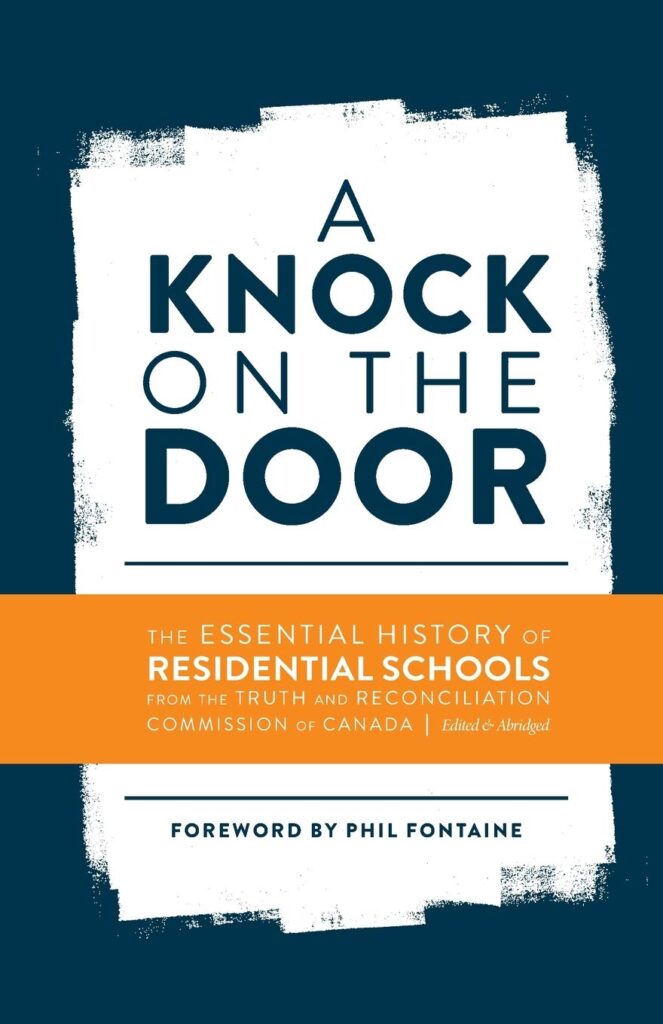
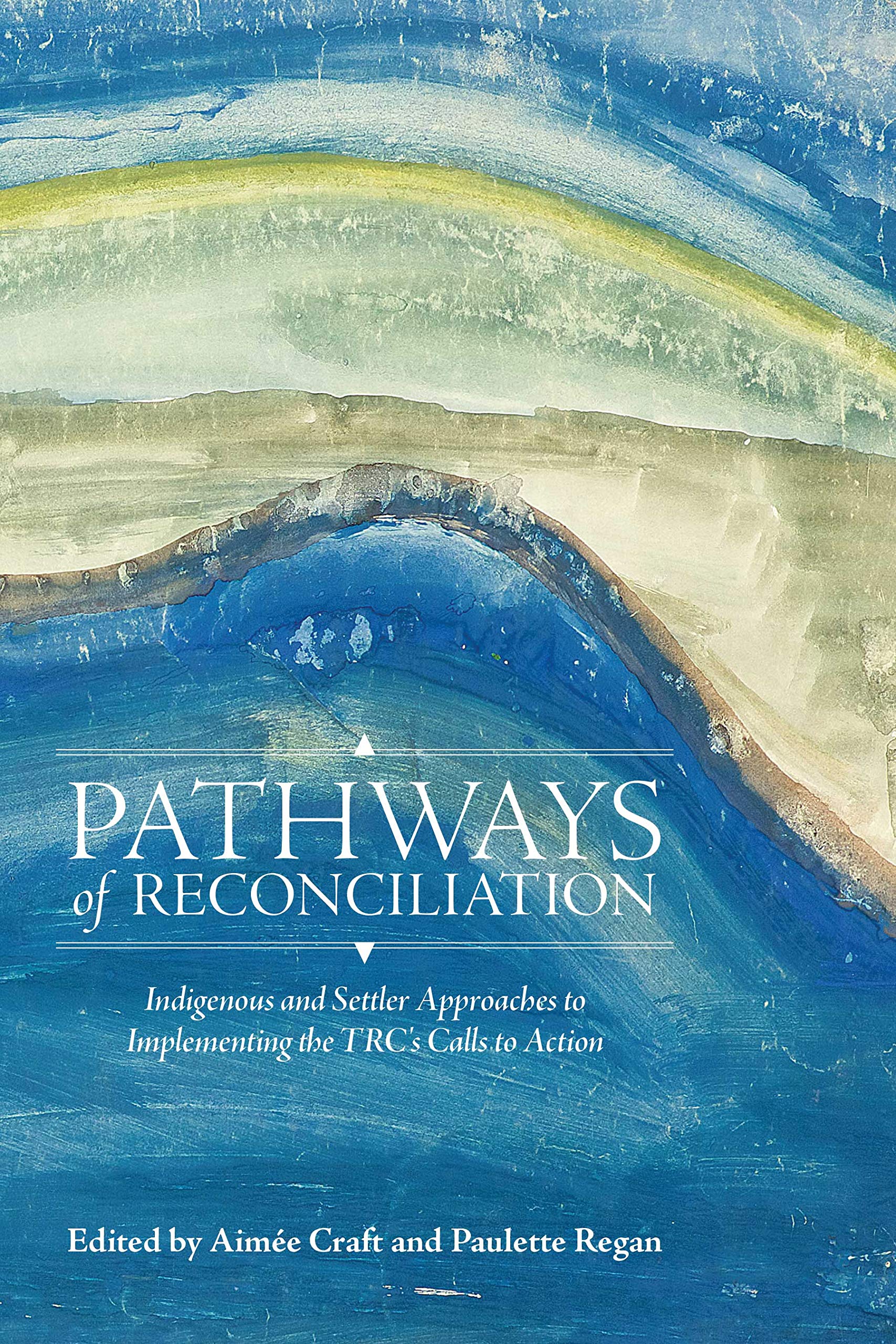
Below is just a sample of our noteworthy books about Truth and Reconciliation. Click on a book cover to learn more about and request an item.

Outstanding Videos

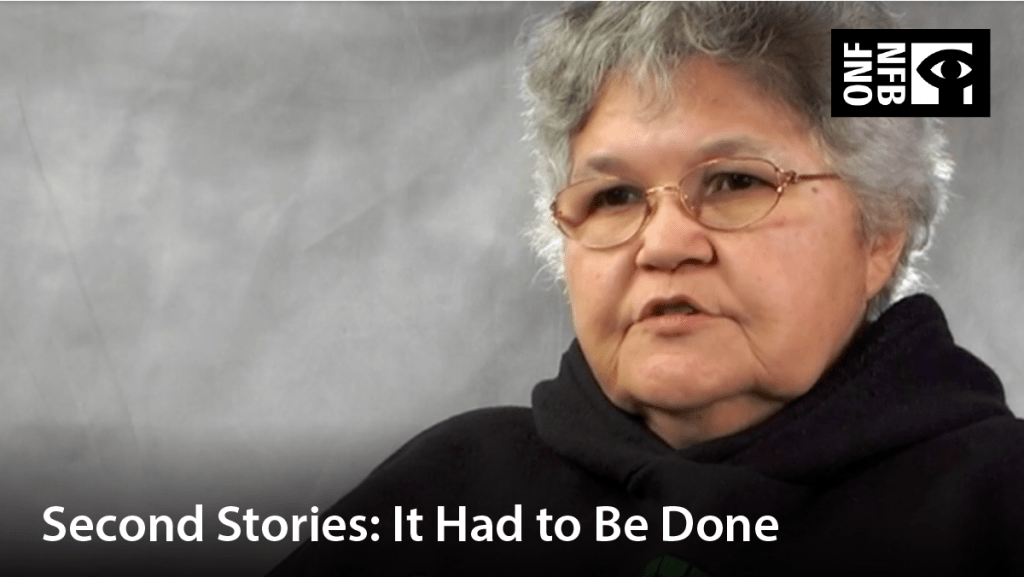
Both CBC’s Curio.ca and National Film Board offer outstanding videos on this topic. To view a few hand-selected options, click on an image below. (note that login may be required to view online resources).

Questions or Comments?

We welcome questions and comments from the College community! Feel free to connect with us in person at the Notre Dame and Exchange District Campus Libraries or through Ask Us Chat at library.rrc.ca.

Written by Linda Fox – Library Technician, Program Support and Promotion

Truth and Reconciliation at Library and Academic Services 

September 21, 2022

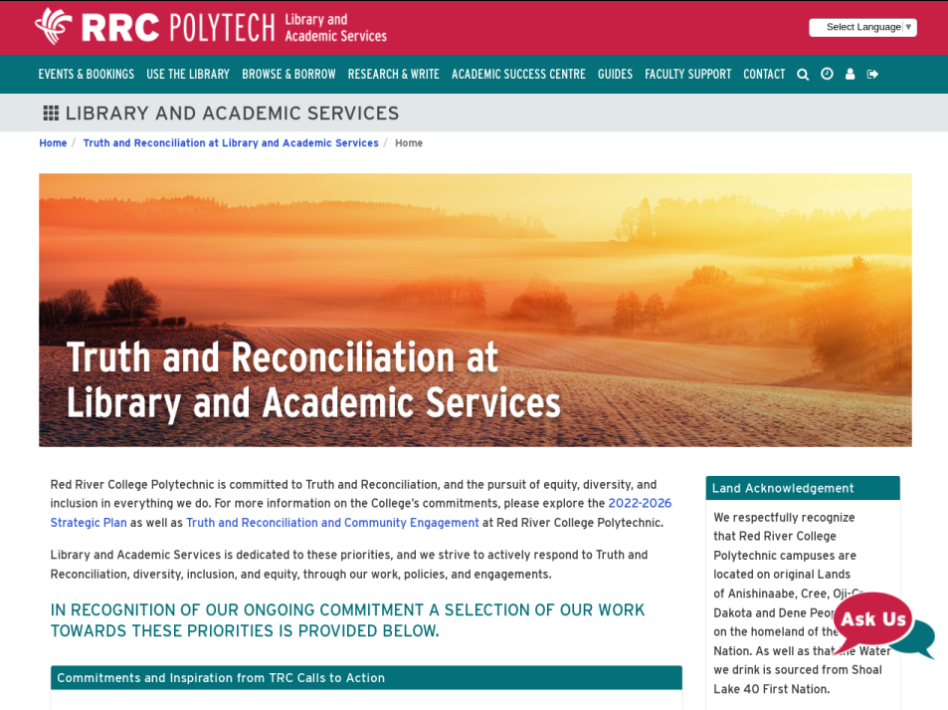
Library and Academic Services is committed to advancing Truth and Reconciliation through awareness, understanding and education. We strive to actively respond to the Truth and Reconciliation Commission of Canada’s Calls to Action and to integrate this dedication in our work, policies, and engagements. In recognition of our ongoing commitment, we’ve compiled a selection of our work towards these priorities as an active report on our progress.  

Our work, along with featured Guides and books from our collections, is now shared on a new webpage at library.rrc.ca/TruthandReconciliation. This page serves as an active report as our commitments are ongoing and continue to develop with time and knowledge.  

Screen Shot

We do not share this information to celebrate ourselves, but to bring awareness to considerations made thus far and to create accountability for what more we can do. Committing to advancing Truth and Reconciliation is an ongoing dedication and we encourage recommendations in how we can further advance understanding and engagement in our programs and services. 

As for the ‘’legwork’ required to compile the collective work from the four units that comprise Library and Academic Services, it was a shared effort. And in this I do celebrate the participation and assistance of everyone involved. It is difficult to take inventory of our actions and thoughts, and to explicitly classify each gesture that was made with diversity and equality in mind. 

For more information on the College’s commitments, please explore the 2022-2026 Strategic Plan as well as the Truth and Reconciliation and Community Engagement 


Written by Sarah Lee – Library Technician, Library Resource Management

How to be an RRC Polytech Library Power User

September 20, 2022

It’s a few weeks into the school year, so it’s time to get to know all the awesome services, spaces and resources the Library offers to help you achieve your academic goals.  

Whether you’re coming into the Library for the first time, you haven’t been to a library in a while, or you’ve never used the library as a post-secondary student, find out all the ways you can be an RRC Polytech Library power user.

1. Find your spot and get comfortable
Use the Library’s spaces when on campus

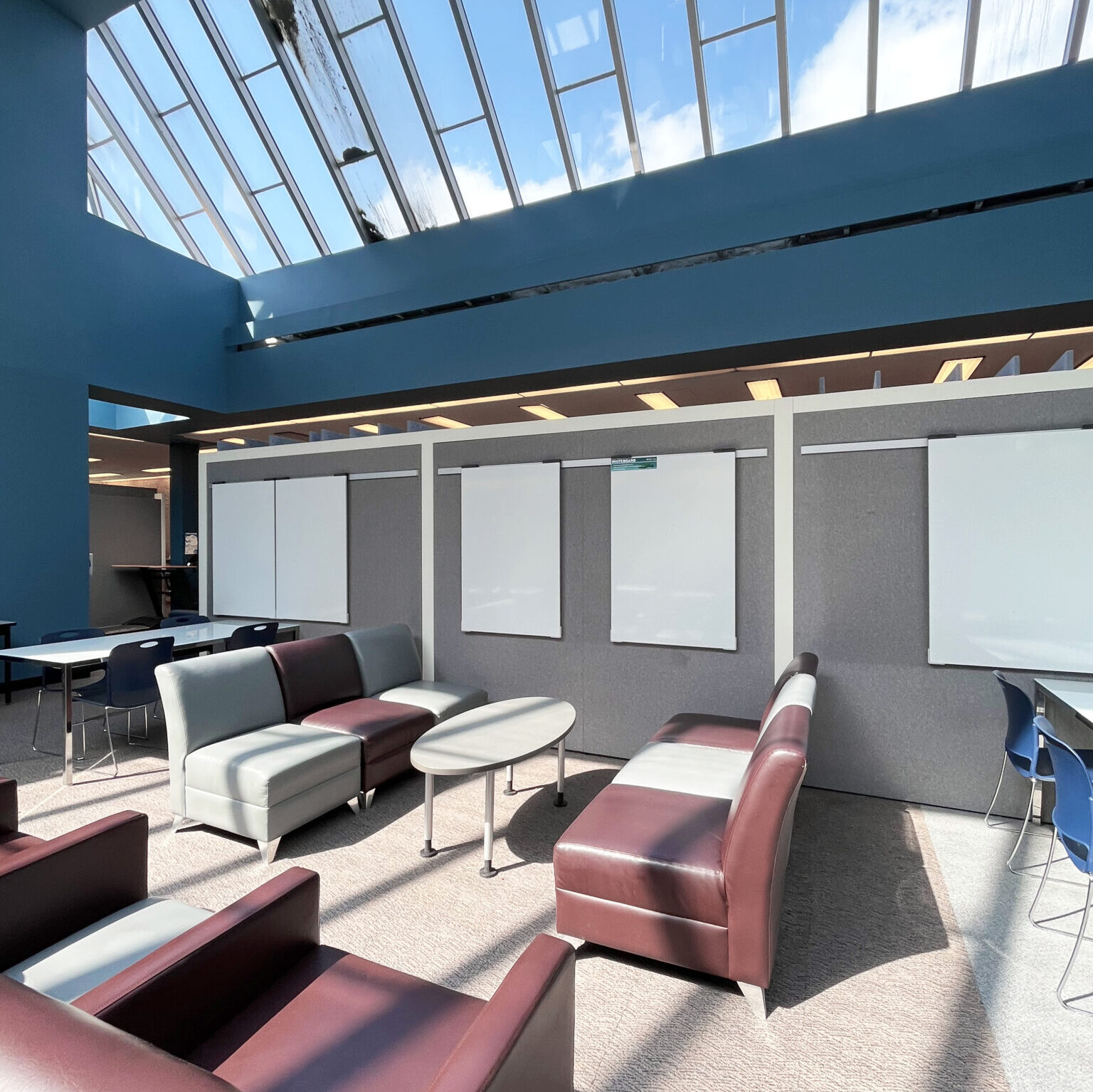
First, find the Library, and get to know the space. We recently posted a great virtual tour of the NDC Library space, give it a read-through and you may feel more prepared to come in for the first time. Get comfortable using the space to meet your needs; study independently, attend your online classes (using one of the available headsets or webcams), and meet with classmates to work on projects. The Library has two locations, one each at the Notre Dame and the Exchange District campuses, both with great study spots to discover and settle into.

2. Ask Questions!
There are no silly questions, and we offer lots of ways for you to ask them!

Come find us at the front desks in the Library, a Reference Technician is ready to help you figure out anything from printing, finding your way around campus, using the Library website, to getting started with an assignment and better understanding the information resources involved in academic research. Not on campus? You don’t need to come in person, there are lots of ways to connect with the Library! Call us (204) 632-2233. Text us (204) 400-2463, or find us on the Library’s web pages during open hours by clicking the Ask Us bubble to start a chat. After hours? No problem, email library@rrc.ca.

3. Get to know OneSearch
Found on the Library homepage, OneSearch is how to search the Library’s many physical and online resources.

The Library has an ever-expanding digital and physical book and media collection which can be searched using our OneSearch system. If you’ve heard an instructor tell you to search the catalogue or search for articles, this is what they mean.

Getting started is very easy, using searches that resemble how you use google. Once you have started with some search terms and you are viewing the search results, you can take different steps and adjust settings to create more accurate results. Find out more about navigating OneSearch, the basic and advanced search options, as well as the use of Boolean operators and filters to amp up your searches.

4. Find the Guide you need
Starting a research project or program of study and unsure where to get started?

The Library has Guides that can help you, ranging from Guides to your school or programs main subjects, and Guides for specific research topics. There are also Academic guides for writing, and citation styles.

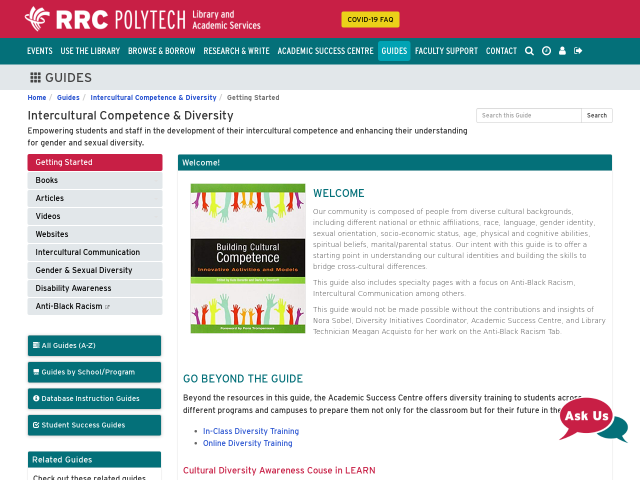
Interested in broader topics and just areas of interest? There are Student Success Guides on topics including intercultural competence, employment Skills, and using Statistics Canada.

Having trouble figuring out how to use a specific database in your research? The Library’s Database Instruction Guides have step-by-step instructions for how to use many of the different databases subscribed to through the Library.

5. Use the right Database
The Library subscribes to different databases that support the colleges many schools and programs.

Available databases range from software tools, searchable collections of codes and standards within an industry, and other reference collections, diagrams, and industry reports.

When looking at the A-Z list of databases, remember that databases marked with the OneSearch icon, are searched collectively when you use OneSearch. Databases missing that icon, need to be searched and used individually.

6. Discover Academic Success Centre supports
Find the Academic Success Centre in the top banner of the Library homepage.

The Academic Success Centre’s services make up a big part of the academic support’s the Library has available to students, and is where students can access a variety of services including:

At the NDC campus, the Academic Success Centre has a new tutoring space called ATLAS – an acronym for Active Tutoring and Learning Achievement Space

Find the Academic Success Centre when entering the NDC Library by taking a right and following the signs for ATLAS.

At EDC you will also find the Academic Success Centre inside the library, when entering through the northern entrance of the Library, the ASC is located through the opening in the wall to the right.

7. Book Equipment before you need it
The Library has an assortment of equipment available from both the Notre Dame and Exchange District Libraries.

Need an adaptor to connect with the projector in a classroom? A camera for a photo or video project? A portable battery charger for your phone? A temporary laptop while your own is being repaired or replaced? A light therapy lamp for working from home on short winter days? All Library equipment can easily be booked online through the Library website, just look for the book equipment icon, or check out the Equipment Borrowing Guide.

8. Use streaming video services
Videos are a great tool in online learning and instruction, and the right videos from the right sources can be cited and used as resources in your academic writing.

The Library’s licensed streaming databases, CBC Curio, National Film Board: Campus, and LinkedIn Learning offer thousands of educational videos, documentaries, and feature films.  

Find out more by checking out our Streaming Video Guide.

9. Export citations and keep them organized with RefWorks
RefWorks streamlines research, data organization, and academic writing by providing an easy-to-use tool for citation, bibliography, and reference management.

RRC Polytech has integrated RefWorks with Office 365, it can easily be accessed and used by students alongside the exportation tools within OneSearch. If you are new to using Refworks, the Library has you covered with our Refworks Guide, and our recorded Lunch and Learn tutorial.

10. Know about academic integrity and how it affects you
Academic integrity hinges on six fundamental values, as defined by the International Center for Academic Integrity: Honesty, Trust, Fairness, Respect, Responsibility, and Courage.

As a critical piece of the learning environment and a fundamental core value of any academic institution, academic integrity directly links the credibility of an institution’s scholarship, research, certificates and diplomas. Academic integrity is essential to ensure students’ investment in their education is protected. To find out more, check out the Academic Integrity Guide for Students.

11. Explore other eLearning resources
The Library website offers many types of online learning resources that you can access and use as study aids, or in your own supplemental learning.

Check out Hybrid LEARNing Modules, a suite of self-directed tutorials housed in LEARN that provides relevant and helpful resources.

The Lunch and Learn program is a series of uploaded video tutorials covering our most popular Library subjects, including OneSearch, Nursing Reference Centre Plus, and APA 7th Edition Citation style.

Find videos and solutions on different math and science topics offered by the Academic Success Centre’s Math and Science Centre.

The Academic Success Centre has compiled the review materials for specific business math and accounting courses into one central location to help you easily access these resources at any time: Business Math & Accounting Review Self-Enroll LEARN Courses

…And finally: Follow the Library on social media
Stay up to date on the latest by following the Library on Social Media!

The Library is on Twitter and Instagram with daily tips, study hacks, events and other great need-to-know information.


Have Questions or Comments?

Library staff love to hear from the College community about our collection! Feel free to connect with us in person at the Notre Dame and Exchange District Campus Libraries or through Ask Us Chat at library.rrc.ca.

Written by Artemis Hedrich – Library Technician, Information and Program Delivery

Honouring International Week of the Deaf: Selections to Read and Watch

September 14, 2022

What is International Week of the Deaf?

International Week of the Deaf takes place September 19-25, 2022, and is an annual opportunity to honour and build awareness of the Deaf and Hard-of-Hearing community. This year’s theme is “Building Inclusive Communities for All,” which reminds us to foster connections with and understand the concerns of Deaf people.

The Library honours this occasion with a selection of resources to read and watch, which the RRC Polytech community can learn from and enjoy.

Selections to Read – Print Books

Deaf around the world cover art

Deaf around the world: the impact of language

A compendium of work by scholars and activists on the creation, context, and form of sign languages, and on the social issues and civil rights of Deaf communities.

A journey into the deaf-world cover art

A journey into the deaf-world

A compelling story of this much-misunderstood minority as it struggles for self-determination.

Deaf empowerment cover art

Deaf empowerment: emergence, struggle, and rhetoric

Examines the Deaf social movement in America from its inception in the mid-19th century through its growth and empowerment in the late 20th century.

All of us together cover art

All of us together: the story of inclusion at the Kinzie School

A warm, encouraging testament to the dedication and hard work of the Kinzie teachers and parents. Reading about it is a wonderful, uplifting experience that also could serve as a model for any community.

Access: multiple avenues for deaf people cover art

Access: multiple avenues for deaf people

Presents an accomplished group of contributors who address the major technological, institutional, and societal advances in access for deaf people, as well as the remaining hurdles.

Selections to Read – Ebooks

Signs of hope cover art

Signs of Hope: Deafhearing Family Life

Tells the story of a narrative inquiry with three deafhearing families. For many of us, deafness represents loss and silence. For others, being deaf is a genetic quirk; an opportunity for learning, spiritual adventure and reward. For yet others, it is the most natural thing in the world.

Deaf epistemologies, identity, and learning: a comparative perspective

Noted scholars and researchers examine the many ways that deaf people see and acquire deaf knowledge.

Man without words cover art

A man without words

Vividly conveys the challenge, the frustrations, and the exhilaration of opening the mind of a congenitally deaf person to the concept of language.

sign language sustainable development cover art

Sign language, sustainable development, and equal opportunities: envisioning the future for deaf students

Offers creative and open-minded explorations of the construct of sustainability that are informed by their work with deaf individuals, deaf communities, families of deaf children, and other stakeholders.

Language power and resistance cover art

Language, Power, and Resistance: Mainstreaming Deaf Education

Explores how different types of power are used in the deaf education system to establish, maintain, and also resist medical views of deafness. 

deaf eyes on interpreting cover art

Deaf Eyes on Interpreting

Brings Deaf people to the forefront of the discussions about what constitutes quality interpreting services.

Selections to Watch – Streaming Video and DVD

Through deaf eyes cover art

Through Deaf Eyes [DVD]

Exploring nearly 200 years of Deaf life in America, this film presents the shared experiences of American history–family life, education, work, and community connections–from the perspective of deaf citizens. 

Deafology 101 cover art

Deafology 101: a crash course on deaf culture [Streaming video]

Presents a highly entertaining lecture on deaf culture by Ken Glickman, author of “DEAFinitions” and other humor books.

Note: This video has been digitized from an older VHS master. For best picture quality, set your browser to a smaller window.

Dance of words cover art

The Dance of Words [Streaming video]

Features young artists who have embraced their deaf identity in adulthood after spending a difficult childhood in the grey zone between hearing culture and deaf culture. These emerging artists show how they are using the arts to build a deaf culture that makes them proud. They shine a spotlight on their community while promoting and advancing deaf culture with a keen sensitivity.

Have Questions or Comments?

Library staff love to hear from the College community about our collection! Feel free to connect with us in person at the Notre Dame and Exchange District Campus Libraries or through Ask Us Chat at library.rrc.ca.


Written by Linda Fox – Library Technician, Program Support and Promotion

RRC Polytech campuses are located on the lands of the Anishinaabeg, Ininiwak, Anishininwak, Dakota Oyate, and Denésuline, and the National Homeland of the Red River Métis.

We recognize and honour Treaty 3 Territory Shoal Lake 40 First Nation, the source of Winnipeg’s clean drinking water. In addition, we acknowledge Treaty Territories which provide us with access to electricity we use in both our personal and professional lives.