Library

Library and Academic Services

News

Thinking Differently About Class Time

October 24, 2023

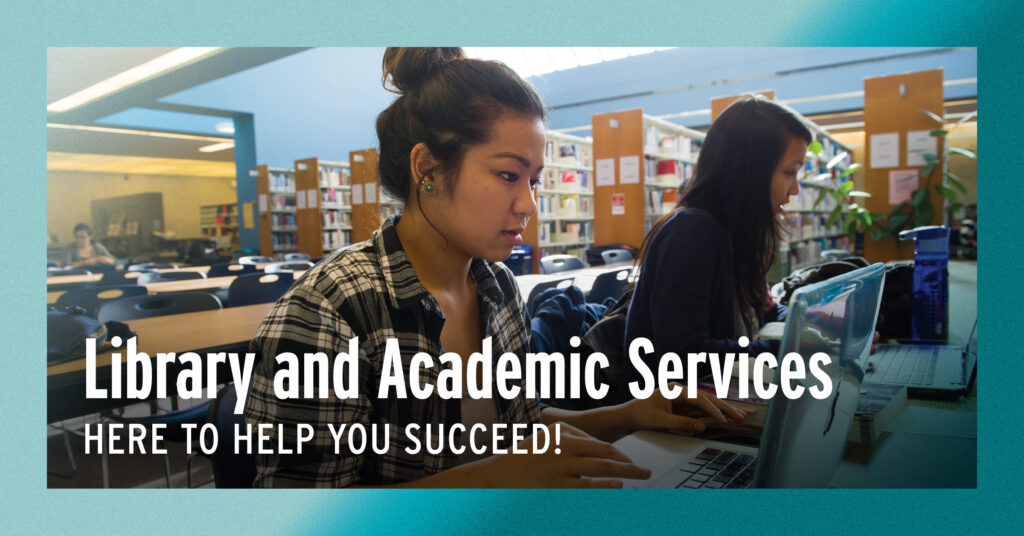
Two students attending class at College.
Image source: Flickr

Study time is often thought of as time we make in an already packed schedule to work on assignments and prepare for tests. However, what if class time could be used as study time?

You have a lot to tend to! Class time, lab time, work, housework, homework, family commitments, to name a few.

This newsletter will focus on one of those items: study time.

Study time is often thought of as time we make in an already packed schedule to work on assignments and prepare for tests. However, what if class time could be used as study time?

All students have an established study time built into their schedule: class time. By making the most of class time, you may require less time outside of class to review and practice content.

Asking questions in class, silencing distractions, sitting as close to the front as possible and working through the material as the instructor demonstrates are all ways to engage in class. This is treating class time as study time.

Ryerson University instructor, Deena Kara Shaffer discusses class time in her book, Feel Good Learning with the following student tips.

Four Ways to Turn Class Time Into Study Time


1. Arrive early, and even if you arrive late, show-up

Like an athlete warming up prior to a practice, arrive early, and look at the course outline to anticipate the focus of class and learning objectives. If you have several minutes, review material from the previous class or do a practice question or two.

If you arrive late to class, consider new ways to improve on this, such as creating a pre-class routine or changing the mode of transportation if possible.

2. Arrive in the college community

Connections with others matter, and they help students learn. RRC Polytech wants you to feel welcome and safe. Forming relationships with peers in class creates opportunities for sharing notes, forming study groups, and accessing student supports.

3. Arrive with questions

Class time is your chance to ask questions about an assignment or for examples of course concepts. If you are uncomfortable asking questions aloud, consider writing them down and listening for the answer in class, asking your instructor during office hours, or discussing them with a tutor.

4. Arrive with attention; eye contact is a first step

When you look at the instructor, your focus is greatly improved.  If students are scrolling through their phone, they cannot fully listen to their instructor, and will inevitably miss important information.

Also, you should sit as close to the front as possible – this keeps you more involved and keeps distractions at bay. People tend to stay on task when we know that their actions are observable.

Invitation to Academic Coaching

Student getting help from an academic coach in library.
Image source: Adobe Stock

Academic Coaches listen to student goals, challenges and academic needs and assist in improving outcomes.

In addition to showing up fully to each class, remember that you can make an appointment with an Academic Coach to work on implementing strategies like the ones above. Academic Coaches combine their knowledge in study strategies (such as taking good notes in class) with their listening skills. Academic Coaches listen to student goals, challenges and academic needs and assist in improving outcomes. To connect, complete the Academic Success Centre’s Tutoring and Coaching Request Form.

By being fully present, attentive and engaged in class, you can reduce the amount of time they have to make to review course content.

For further reading on Time Management, specifically on short-term planning strategies, visit our student blog iteration, How can I manage my time better?

Submitted by Dayna Graham on behalf of the Academic Success Centre

Celebrating Our Library Staff on Canadian Library Workers Day 2023

October 20, 2023

“Libraries store the energy that fuels the imagination. They open up windows to the world and inspire us to explore and achieve, and contribute to improving our quality of life.”

Sidney Sheldon

Friday, October 20, is Canadian Library Workers Day!

October brings Canadian Library Month, an annual celebration of libraries, library workers, and the services they provide to their communities. Libraries are the crux of knowledge, community engagement and social awareness. Of course, these important support systems can only be achieved through the work of the people within the library.

The Canadian Federation of Library Associations has designated the third Friday in October as Canadian Library Workers Day. This year, we recognize the valuable contributions made by all those who work in and for libraries in Canada on Friday, October 20.

This day allows us to recognize those who work in our Red River College Polytechnic Library (both NDC and EDC campuses) and celebrate their passion and dedication to serving our students, staff, and faculty.

If you see your friendly Library staff on Friday, or if you wish to come by the library or send an email, please give thanks and recognition for the hard work and dedication that they show each and every day!

Written by Kerry Macdonald — Director, Library and Academic Services

Updated Information in Time for Academic Integrity Week (Oct. 16-20)

October 16, 2023

In time for Academic Integrity Week, a newly updated web page complemented an updated policy from Red River College Polytechnic. Policy A17 replaced the old framework in June to reflect a new way of approaching Academic Integrity from reactive to proactive.

Updated Policy, Updated Page

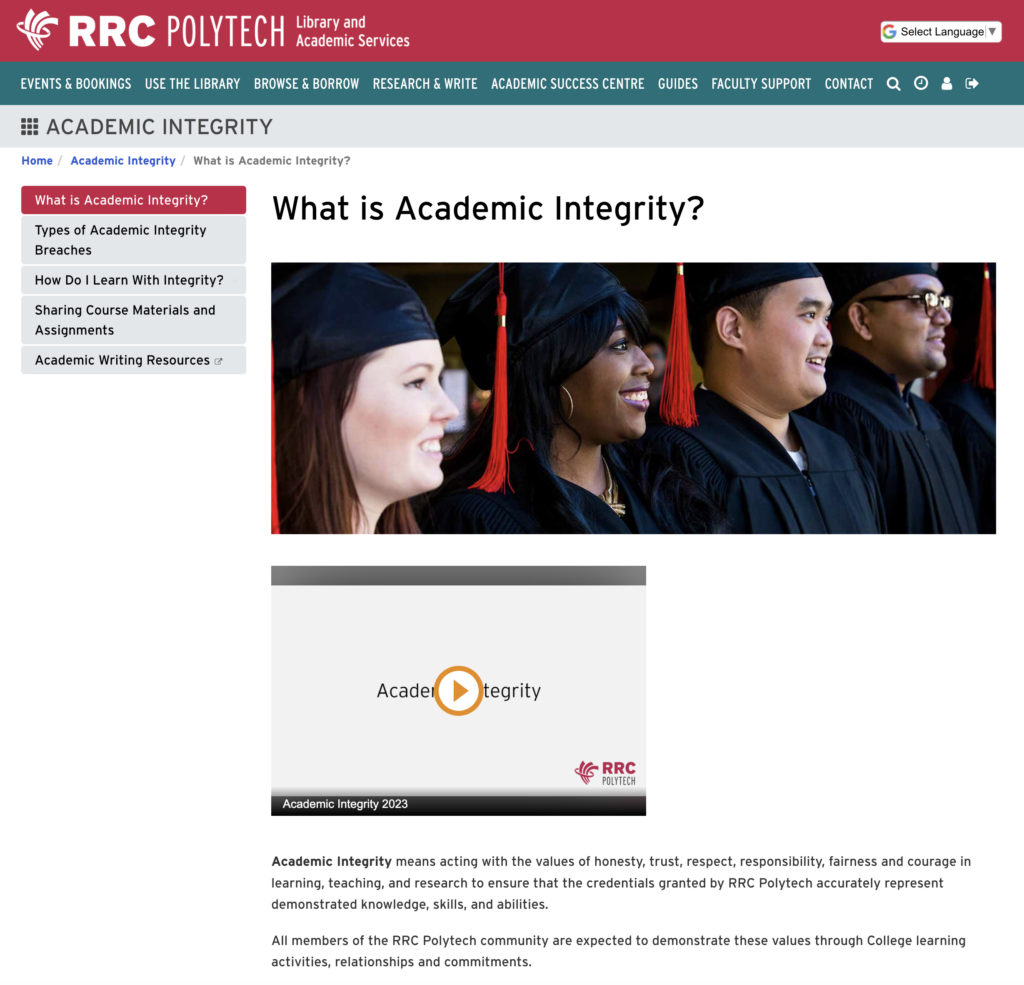
Screenshot of the Academic Integrity page on the Library and Academic Services website.

The updated Academic Integrity page features an introductory video on the front page, a new checklist, and information on a new LEARNing module. These changes, along with framing issues like plagiarism from “Academic Misconduct” to an “Academic Integrity Breach,” complement the work to ensure Red River College Polytechnic staff and students live the values of honesty, trust, fairness, respect, responsibility, and Courage from the campus to the workplace.

The page also links to our Academic Writing and Citation guide, providing information, books, and tips to do schoolwork with integrity.

What About GenAI?

A GenAI addition to the page outlining Academic Integrity related to Generative Artificial Intelligence tools like ChatGPT has also been added. Expect regular updates on this page as we learn more about its role in Academic Integrity. Keep watching for more additions as they emerge. For information about how GenAI relates to copyright and writing, the ChatGPT and Other GenAI page from the Library’s Academic Writing and Citation Guide can get you started.

Written by Fatima DeMelo – Reference Technician, Library and Academic Services
Stay Bright in Fall and Winter! Borrow a Therapy Lamp From Your Library

October 12, 2023

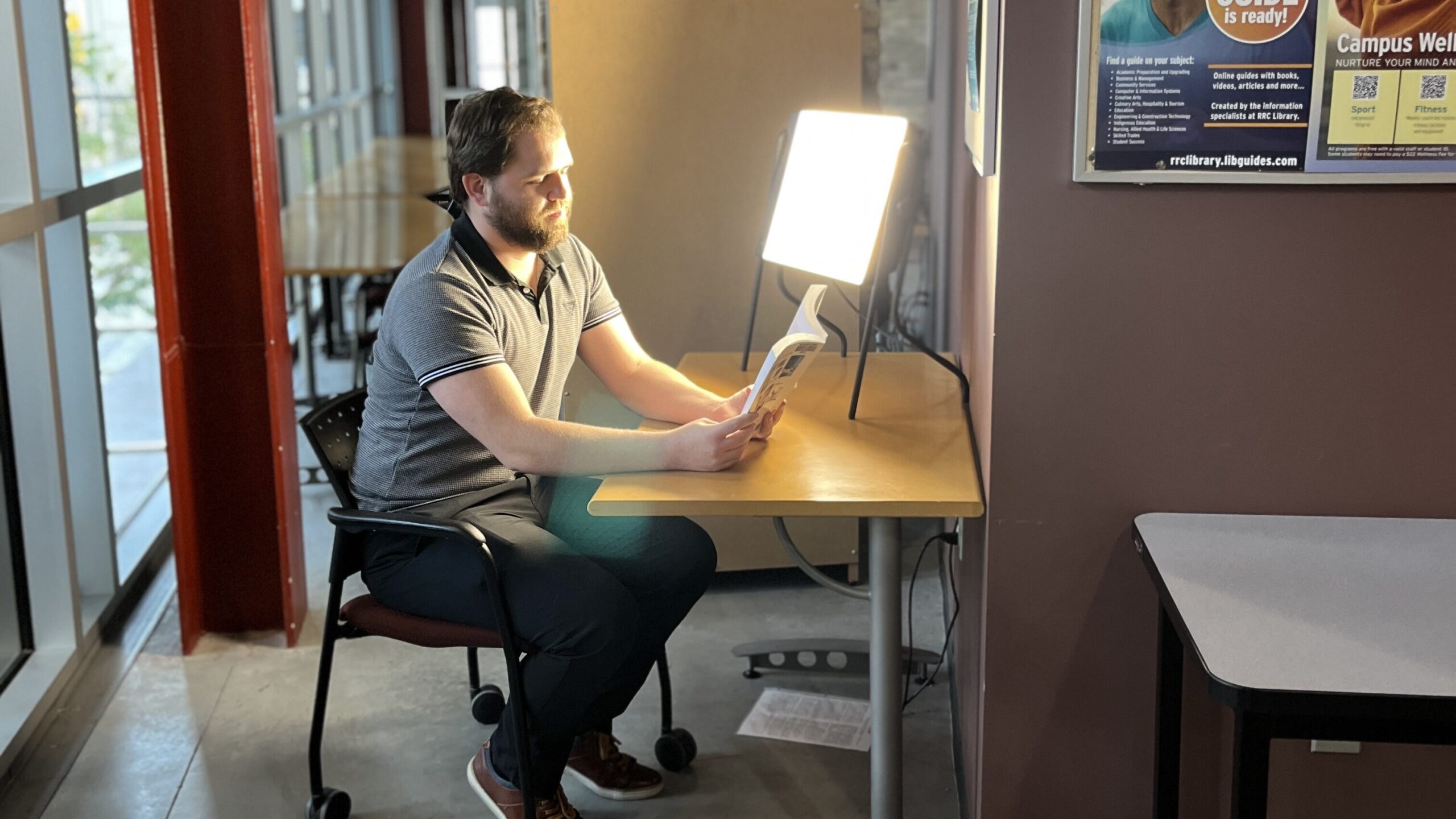
Photo of a pseron reading a book in front of a therapy light at the EDC Library
Therapy Light Station in use at the Exchange District Campus Library

What is light therapy?

Light therapy, also known as bright light therapy or phototherapy, uses a light box to mimic outdoor lighting. Light therapy is used to treat a variety of conditions, including auto-immune disorders, wound healing, depression, seasonal affective disorder, and circadian rhythm sleep disorders. It is often used in winter to help with depression, lack of sunlight, and listlessness.

Exposure to artificial light helps adjust the body’s regulation of melatonin, a hormone that controls the body’s sleep cycle, and serotonin, a natural mood-stabilizing hormone.

Three main benefits of using light therapy are:

  • Increased energy
  • Improved sleep patterns
  • Enhanced mood

It is easy to use, safe (UV-free) and can be done in your own home. The light box needs to be placed at a 45-degree angle, 2-3 feet away on a flat surface. For maximum benefit, use consistently every morning for 20-30 minutes. Improvements can be felt within 2-4 days.

Light Therapy is not recommended for everyone, consult a physician first if you have an eye disorder or are taking medications that may cause your skin to be light-sensitive.

Interested in “lightening” up your mood?

Light boxes are available at the RRC Polytech Library for a one-month loan period.

To reserve a light box, use the Library’s Equipment Shopping Cart system. Begin by selecting your preferred location below (log in with RRC Polytech credentials may be required).

Permanent light therapy stations are also available on a first-come, first-served basis at the Exchange District and Notre Dame Campus Libraries.

Questions?

If you have any questions, you may connect with a Library staff member through Ask Us Chat or in person during Library hours!


Adapted from Winter Blues Setting In? Brighten up those dark days of winter with light therapy! (posted on November 25, 2021).

National Day of Action for Missing and Murdered Indigenous Women, Girls and Two Spirit People

October 4, 2023

A vertical shot of a red dress hanging from a branch of a tree.
Image source: Adobe Stock

October 4 marks the Day of Action for Missing and Murdered Indigenous Women, Girls, and Two-Spirit People (MMIWG2S). While marches and vigils happened in the past, the 2015 Truth and Reconciliation Commission made looking into why violence happens towards this group its 41st call to action, with a final report from the inquiry released in 2019. The introduction from the executive summary of the final report states what has changed regarding attention to the issue:

The fact that this National Inquiry is happening now doesn’t mean that Indigenous Peoples waited this long to speak up; it means it took this long for Canada to listen.

The Library provides books and streaming video to support both formal studies of issues within regular classes and for those wanting to educate themselves about Missing and Murdered Indigenous Women, Girls and Two Spirit. At the centre, now and always, are those individuals who are no longer here, taken too soon, with friends, family, hopes, and dreams.

Browse a range of resources in our updated Guide >> Missing and Murdered Indigenous Women, Girls, & Two-Spirit (MMIWG2S)

Featured Videos

National Film Board (NFB)

The National Film Board continues to provide access to films and documentaries with attention to boosting Indigenous filmmakers.

CBC’s Curio

CBC’s Curio assembles videos from News in Review to The National.

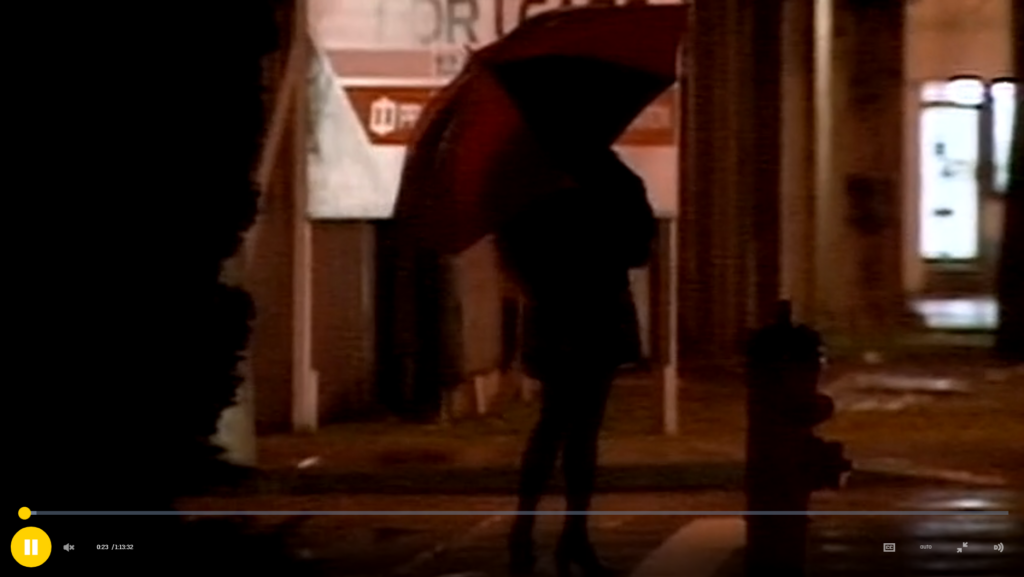
Viewing streaming videos: Click on an image to go directly to a video. You may be required to log in with your RRC Polytech credentials to access it.

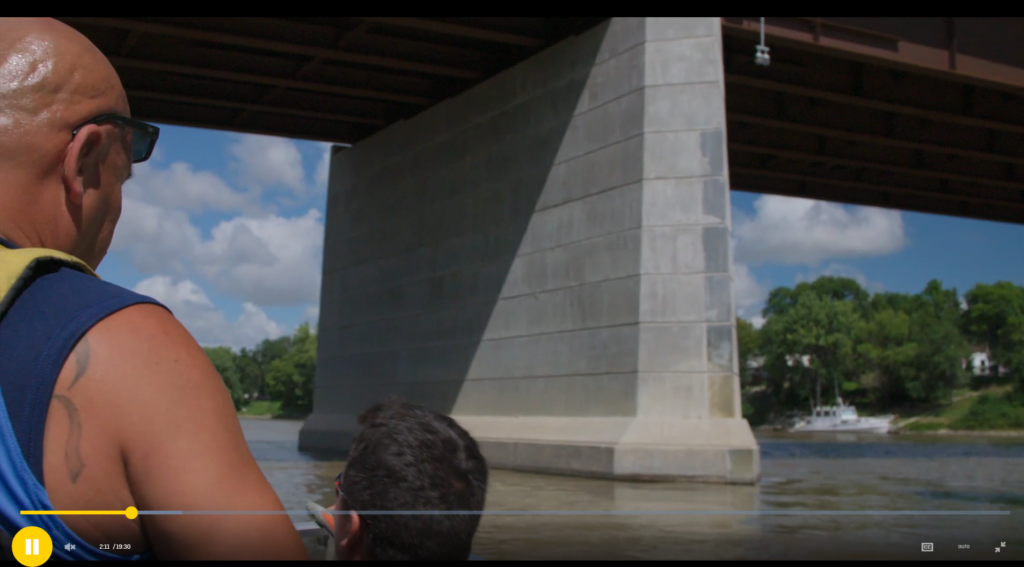
Tina Fontaine: A Murdered Girl’s Legacy. October 2019

Tina Fontaine was just 15 when her body, wrapped in a duvet cover and weighed down by rocks, was pulled from Winnipeg’s Red River. A report from the Manitoba Advocate for Children and Youth says in the years since her murder, not enough has changed to ensure other children in circumstances similar to Tina’s are not at risk. But Tina has left a legacy. Her death focused attention on missing, murdered Indigenous women and girls and inspired volunteer groups such as the Bear Clan Patrol to work at protecting vulnerable people on the streets. Warning: This program contains disturbing images and subject matter. Viewer discretion is advised.

Public Forum on Missing and Murdered Indigenous Women and Girls

This special edition of The Current is a public forum held at the Museum of History in Gatineau, Que. – the fifth in a series of forums on missing and murdered Indigenous women and girls (MMIWG). Anna Maria Tremonti and panellists explore the work of the National Inquiry into MMIWG, leadership and reconciliation.

Featured Books

The Library’s newly curated MMIWG2S (Murdered and Missing Indigenous Women, Girls, and 2 Spirits) Collection is a great way to explore physical and electronic resources on the topic. Two titles from this collection are featured below.

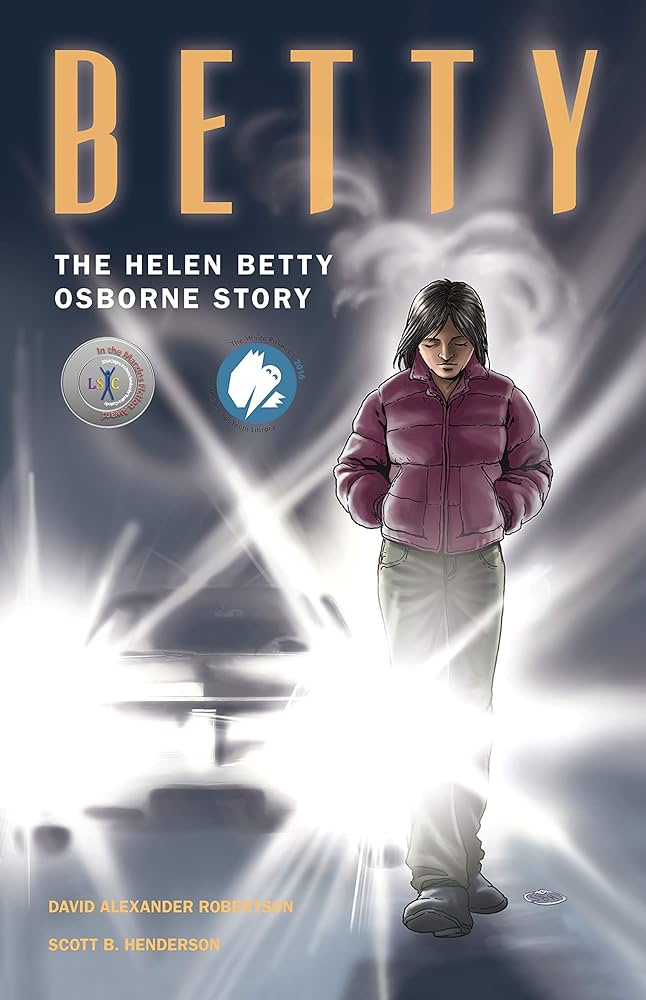
Betty: the Helen Betty Osborne story

In the early hours of November 13, 1971, Helen Betty Osborne, a young Aboriginal woman living in La Pas, was walking home alone when she was abducted by four young white men, sexually assaulted, and then viciously beaten and stabbed with a screwdriver. Despite the horrific nature of her murder, and the identities of her killers being known to many in The Pas, no arrests were made until 1986, and the subsequent trial resulted in only one conviction.

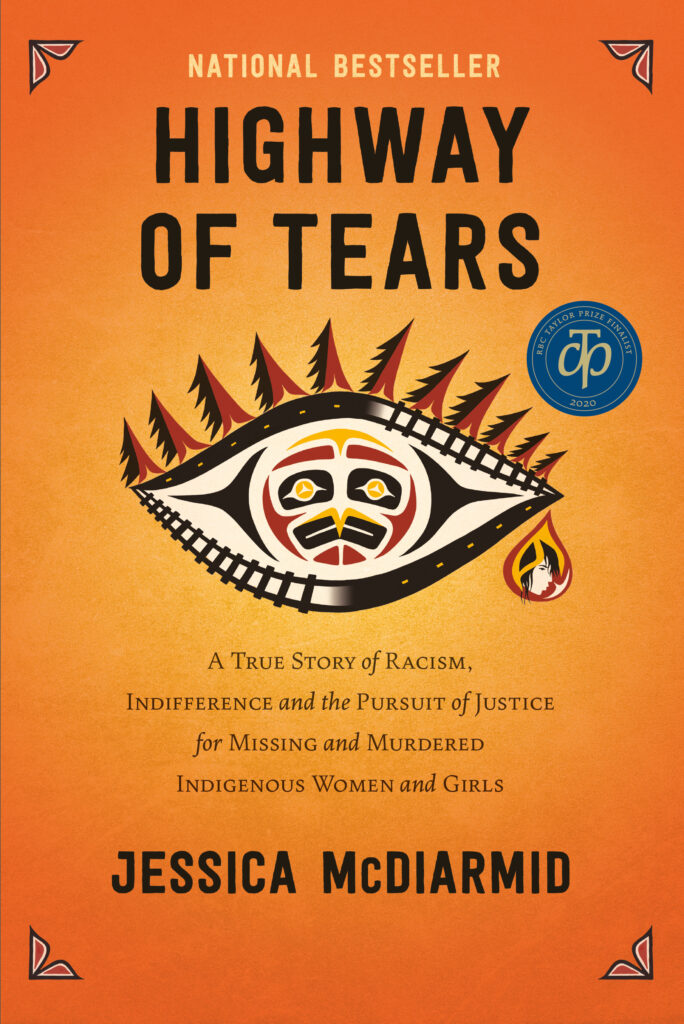
Highway of tears: a true story of racism, indifference and the pursuit of justice for missing and murdered Indigenous women and girls

For decades, women–overwhelmingly from Indigenous backgrounds–have gone missing or been found murdered along an isolated stretch of highway in northwestern B.C. The highway is called the Highway of Tears by locals, and it has come to symbolize a national crisis. In Highway of Tears, Jessica McDiarmid explores the effect these tragedies have had on communities in the region, and how systemic racism and indifference towards Indigenous lives have created a culture of “over-policing and under-protection,” simultaneously hampering justice while endangering young Indigenous women.

Questions or Comments?

Library staff love to assist staff and students with our collection! Feel free to connect with us in person at the Notre Dame and Exchange District Campus Libraries or through Ask Us Chat at library.rrc.ca.

Written by Fatima DeMelo–Reference Technician, Library and Academic Services
The Library’s Chatbot: Powered by “LI” Instead of AI

October 3, 2023

Background on the New Chatbot Feature

In June 2023, the RRC Polytech Library expanded our Ask Us Chat (the service) with the launch of the Library chatbot. This was the result of several months of work by Meagan Acquisto and me, Christina Janzen. The main goal of adding a chatbot to our Ask Us Chat was to provide consistent, basic help—especially after-hours. 

For those who may not know, a chatbot is a computer program designed to simulate conversation with human users. There are many different types of chatbots, ranging from complex AI-powered chatbots that can learn and adapt to user behaviour, to simple scripted bots.  

Without further preamble, let’s jump into the chatbot’s creation story… 

Building the Library’s Chatbot

A Rules-Based Chatbot Run by “Librarian Intelligence”

Library managers took notice when the Saas library software vendor, Springshare, launched a new chatbot feature in LibAnswers.  

(Having a hard time understanding the jargon? You’re not alone. Throughout the Library chatbot development process, I learned a lot of computing language. A few definitions are listed at the bottom of this post.)

Meagan and I were tasked to build the Library chatbot; we took a deep dive into training webinars. Immediately, we noticed that the LibAnswers Chatbot is rules-based and uses simple if/then logic to link actions together. Springshare advertises this by stating their chatbot is not run by AI, but “LI” or Librarian Intelligence. Humorous. As implied, the benefit to a rules-based model is that each library that subscribes to LibAnswers Chatbot has better control over its users’ experience (this can also pose challenges, but I won’t get into that). 

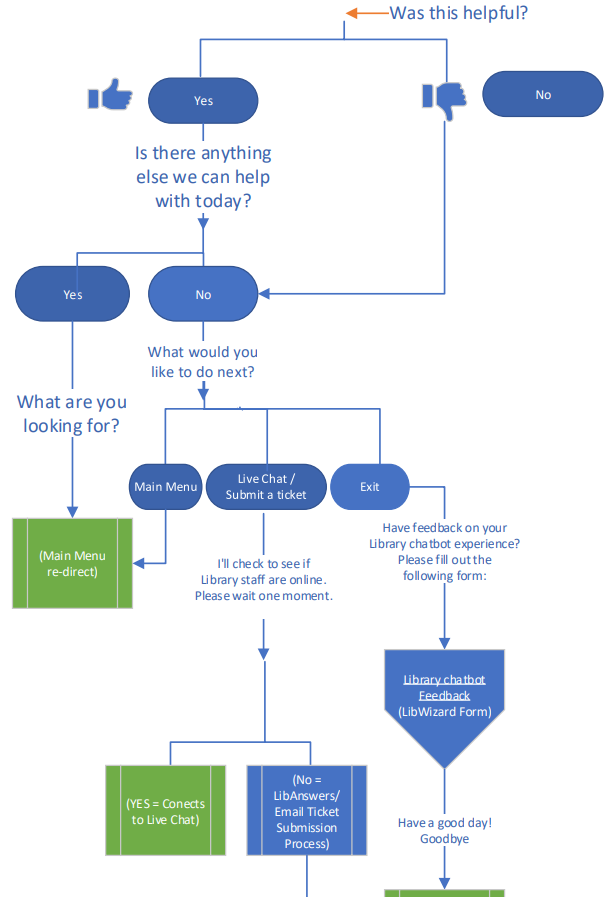
Before jumping into the Chatbot application, we consulted LibAnswers statistics and came up with a list of common questions that Library users ask. Most questions fall into five categories: directions & general information, equipment bookings, printing/photocopying, tutoring & academic coaching, and referrals to College departments outside the Library, in that order. Next, we checked to make sure the answers—instructions, materials, etc.—were up to date and could be found online. Finally, we mapped out the ideal user experience in a flow chart (shown below).  

Snippet from preliminary user-experience flowchart

Building the User-Experience Flow in LibAnswers Chatbot

Once we started building within Chatbot, we hit a wall: Springshare has a maximum of 50 actions per “flow.” Initially, we thought this would limit the scope of our chatbot, but quickly found a solution by linking several flows together. Other small inconveniences in the build process were expected because software developers often lean on early adopters to find bugs and suggest new features to improve the software (which we did). 

In the end, Meagan and I chose to use self-led prompts instead of keyword searches because open-ended text input requires extensive keyword tagging. We hope to develop the scaffolding for free-response queries in the future. For now, our menu/button-based, or ‘choose-your-own-adventure’ system has enjoyed limited, yet generally positive, feedback. Staff testers reported that the bot was “a good little jumping off tool,” “designed well,” and appreciated that users could quickly connect to a live chat with staff. 

Your Opportunity to Provide Feedback

The Ask Us Chat bubbles logo that when clicked on initiates a chat.

Have you used the Library chatbot (available by clicking on the Ask Us Chat bubble)? Please rate our chat or share your thoughts by answering our survey! The survey is available here, but a link is also found at the end of every Library chatbot interaction. 

Definitions

Ask Us Chat (the service)

The RRC Polytech Library’s online reference service where Library staff answer inquiries, provide research guidance, and reference assistance to the RRC Polytech community. 

SaaS

‘Software as a service’ or cloud-based subscription access distribution model.

Springshare

A company that sells library software.

LibAnswers

One suite of services offered by Springshare 

LibAnswers Chatbot (Chatbot)

Springshare’s name for their chatbot feature.

Written by Christina Janzen, Reference Technician/Library Chatbot Builder

Truth and Reconciliation Week 2023

September 19, 2023

This year’s TRC Week theme is “Colonization Impacts Everyone” and various books and movies tackle the theme and further number one of the 94 calls to “building student capacity for intercultural understanding, empathy, and mutual respect.” A call applying to faculty and staff as well in their daily work. 

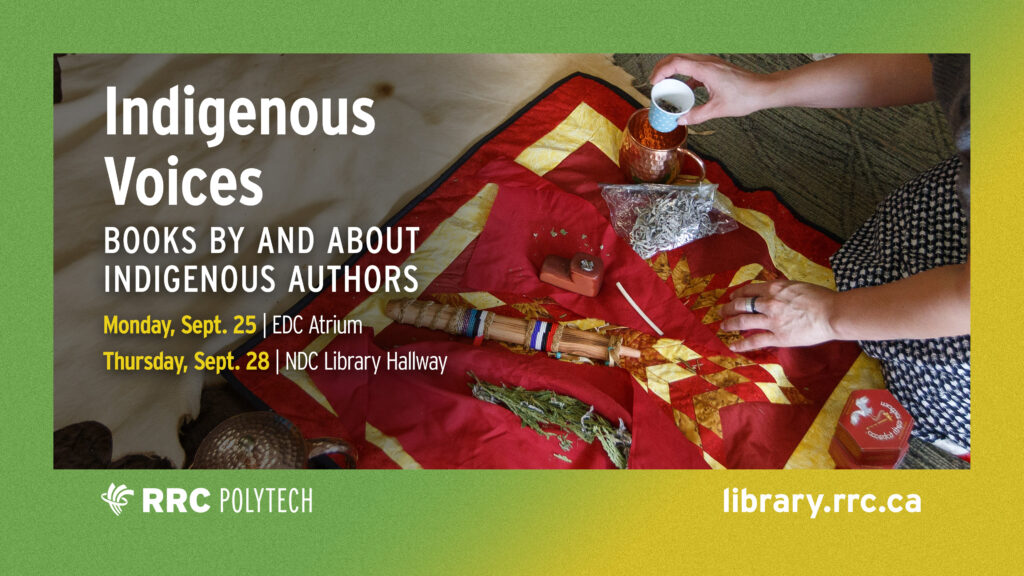
The Library continues to add Indigenous resources especially as more and more authors publish works as varied as Swampy Cree author David A. Robert’s graphic novel Sugar Falls to Cree scholar Verna Kirkness’s autobiography Creating a Life’s Work. Bringing these voices to the College community during Truth and Reconciliation Week, the Library is having an “Indigenous Voices” book table during the following dates and times: 

  • Sept. 25, 1-3pm | Exchange District Campus, Atrium 
  • Sept. 28, 11am-2pm | Notre Dame Campus, Library Hallway

Bring your staff/student ID to sign out books and we can recommend more titles from the collection. However, books are not the only formats offered during TRC Week, and the experience of colonization isn’t solely on Turtle Island. 

Featured Titles (And More) 

While the book table will bring a selection of titles, we want to highlight two titles in our collection with more found in the Library’s curated Indigenous Resources Collection.


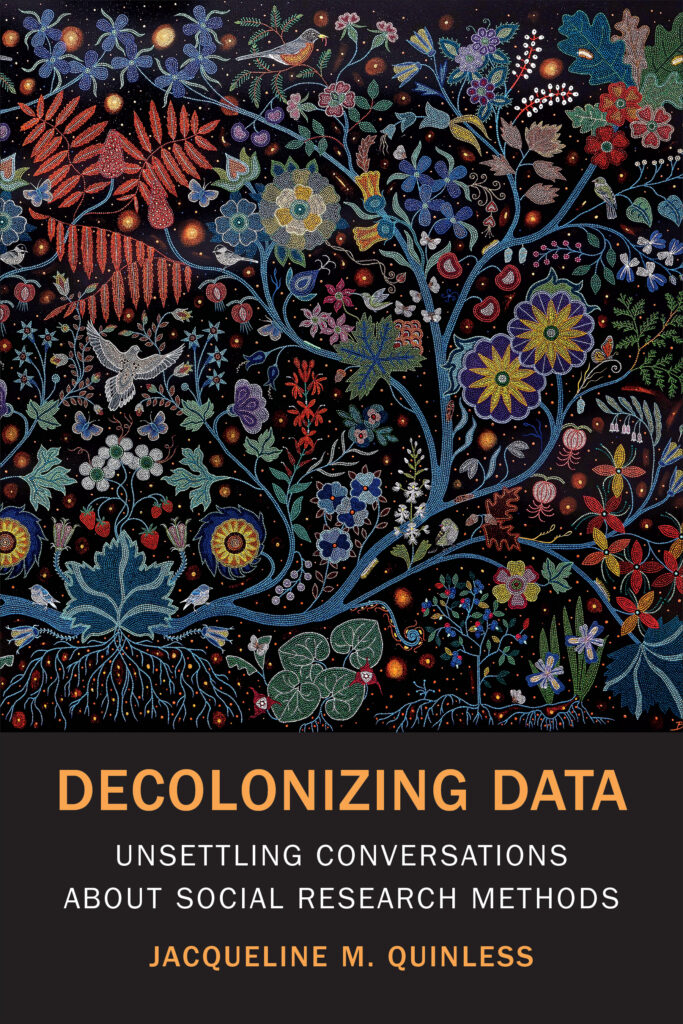
Decolonizing data: unsettling conversations about social research methods 

(by Jacqueline M. Quinless)

Provides a deeper understanding of the social dimensions of health as applied to Indigenous peoples, who have been historically underfunded and excluded from health services, programs, and quality of care; this has most recently been seen during the COVID-19 pandemic. 

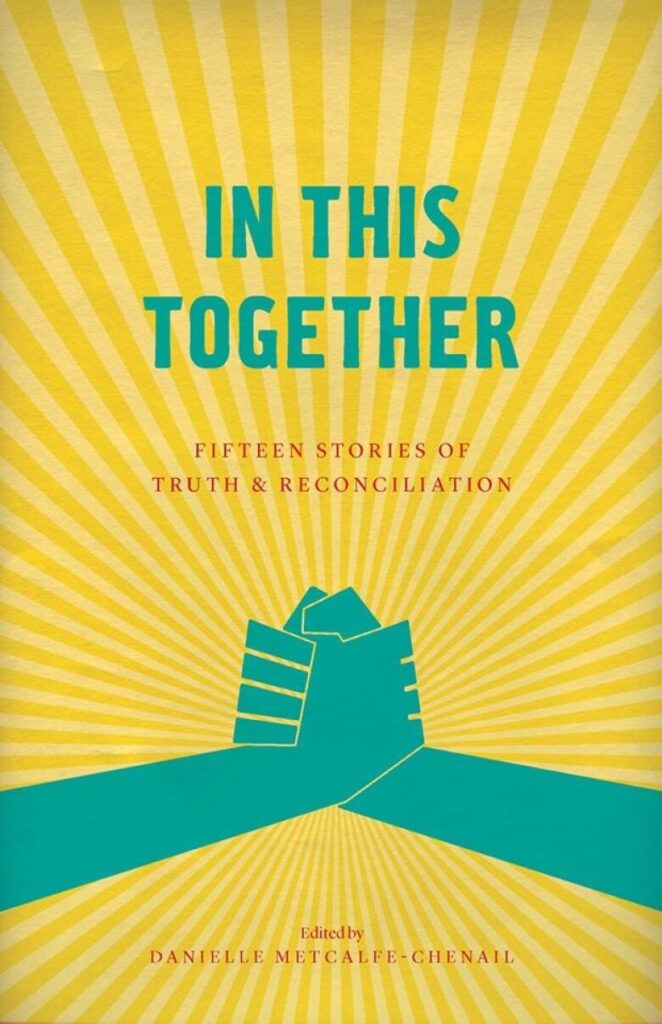
In this together: fifteen stories of truth & reconciliation

(by Danielle Metcalfe-Chenail)

An eye-opening collection of personal essays by Indigenous and non-Indigenous contributors from across Canada. Without flinching, the contributors—including journalists, academics, and artists—each explore their own “aha” moments regarding Canada’s colonial past and present to ask how we can all move forward in a spirit of reconciliation and anti-racism. 

Featured Videos

Both CBC’s Curio.ca and National Film Board offer outstanding videos on Indigenous topics. To view a few hand-selected options, click on an image below. (login with RRC Polytech credentials may be required to view online resources).

Guides to Get You Started

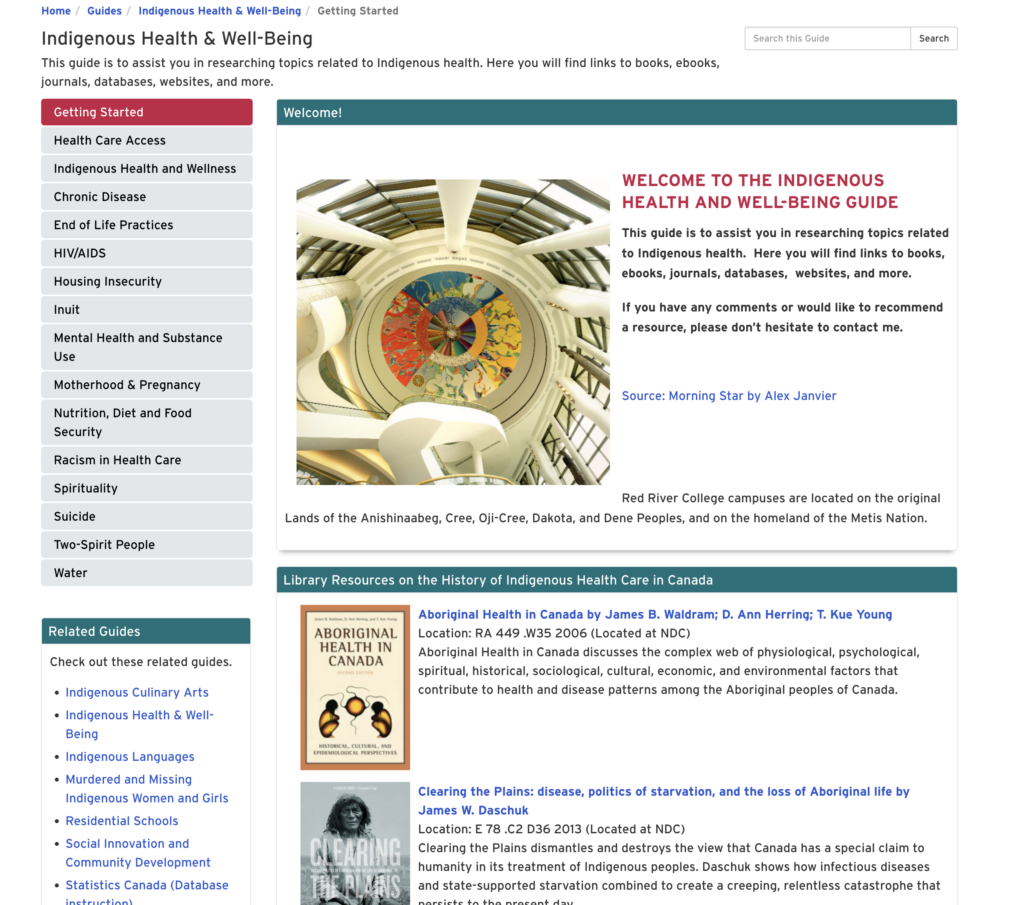
Guides are a great place to start on any topic as they highlight resources hand-selected by Library staff. Of particular interest is our Indigenous Health and Well-Being guide.

Colonization Impacts Everyone: Two Notable Titles

While we continue to focus on Canada, colonization has impacted cultures around the world from borders to languages, with the fallout felt across generations. Countries like Australia and New Zealand have continued their own reconciliation journey with two films exploring the impact of systemic attempts to erase Indigenous Cultures: 

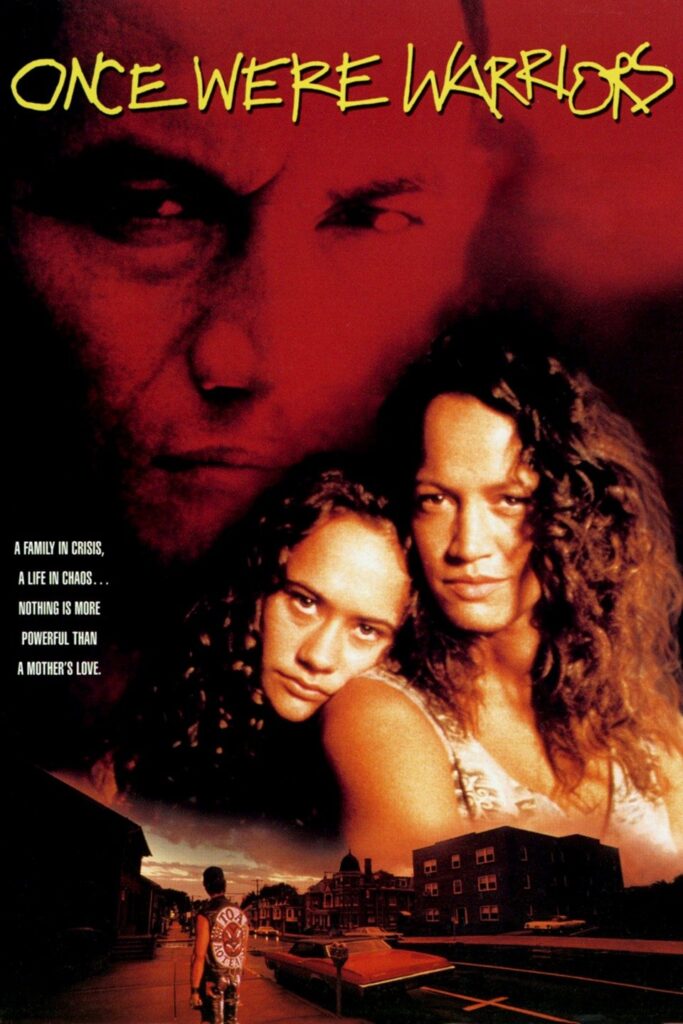
Once Were Warriors 

In a poor suburb of Auckland, Jake and Beth Heke live a life defined by drunken parties, unstable friendships, and confrontations with authorities. Jake, a complex man with a rascal’s charm, is weighted down by a quick temper, alcoholism, and an evil streak of male entitlement. Beth’s beauty has been scarred by broken dreams and Jake’s beefy fists. Yet her inner strength and desire to save her family make her the solid center around which this story of tragedy and hope is constructed.

Rabbit-Proof Fence


In 1931, Molly and her younger cousins, Gracie and Daisy, were three half-caste children from Western Australia who were taken from their parents under government edict and sent to an institution, were taught to forget their families, their culture, and re-invent themselves as members of “white” Australian society. The three girls begin an epic journey back to Western Australia, travelling 1,500 miles on foot with no food or water, and navigating by following the fence that has been build across the nation to stem an over-population of rabbits.

Have a Question or Comment? Connect with the Library!

Connect with a Library staff member through our Ask Us Chat, our Ask a Question form, or visit one of our service desks during regular Library hours. We would love to hear from you!

Written by Fatima DeMelo – Reference Technician

Boost Your Writing Skills With the Academic Success Centre’s Online Workshop Series

September 7, 2023

Are You Ready to Elevate Your Writing Skills?

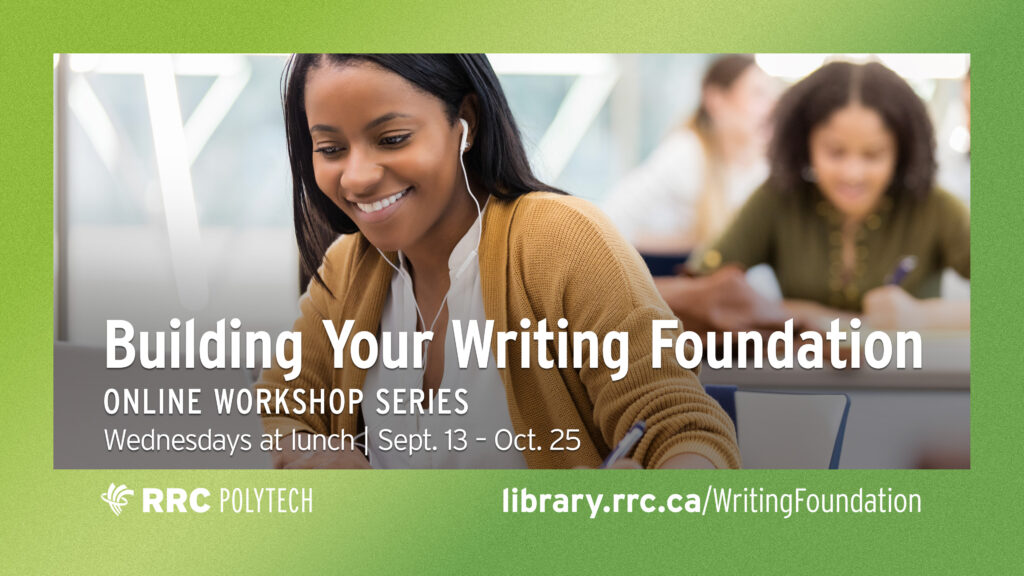
The Academic Success Centre can help with that! This fall, we are offering Building Your Writing Foundation, a series of seven online workshops, each tailored to refine a specific aspect of academic writing.  

Sessions will be held on Wednesdays from 12:15-12:45pm, Sept. 13 – Oct. 25, 2023.  Students are welcome to attend any or all of the seven sessions. No registration is required! 

Building Your Writing Foundation Workshop Schedule

Workshop 1: Writing Professional Emails

What does a professional email look like? When should I send one? 

Date: September 13, 2023 12:15-12:45pm

Description: Join this workshop to learn all about professional emails: when to send them, what they look like and sound like, how to structure them, and how to write with a professional tone.

Workshop 2: Claim and Evidence

How do I support a claim? What even is a claim? 

Date: September 20, 2023 12:15-12:45pm

Description: Join this workshop to learn what a claim is, how to strengthen your claims with reasons, and how to back them up with evidence. Learn how to provide evidence with both personal experience and research.

Workshop 3: Reflective Writing

What does it mean to reflect? How can I write about what I’ve learned?

Date: September 27, 2023 12:15-12:45pm 

Join this workshop to learn what reflective writing is and how to spot a reflective writing assignment. Learn a reflective writing structure you can use in your assignments and see it in action with a discussion board post example.

Workshop 4: Paragraph Structure

How should I organize my ideas in a paragraph? 

Date: October 4, 2023 12:15-12:45pm 

Description: Join this workshop to learn how to organize big ideas and details into a clear paragraph. The paragraph structure you will learn can be applied to all types of academic writing assignments, including summaries, reflections, discussion posts, essays, reports, and more.

Workshop 5: Summarizing

How can I reduce a text to only the main idea?

Date: October 11, 2023 12:15-12:45pm

Description: Join this workshop to learn what summaries should and should not include. Learn how to write a summary that accurately expresses the main idea of a text.

Workshop 6: Paraphrasing

How do I use other writers’ ideas in my writing? 

Date: October 18, 2023 12:15-12:45pm

Description: Join this workshop to learn how to write another person’s ideas in your own words and how to incorporate into your writing. Learn a five-step process to paraphrase effectively. 

Workshop 7: APA Citations and Formatting

What is APA citation style? Where can I find information to use APA accurately? 

Date: October 25, 2023 12:15-12:45pm 

Description: Join this workshop to learn the basics of why and how the APA citation style is used in many academic assignments. Then, learn how to use online resources to become confident in creating in-text citations and references in the APA 7th edition citation style.

Visit Our Webpage!

Visit the Building Your Writing Foundation webpage for login information and more!

Content submitted by Meg Loewen, Academic Support Specialist – Academic Success Centre

Six ways your Library is here to help you succeed

September 5, 2023

There has never been a better time to start using your Library!  With a variety of useful resources and services offered at both the Notre Dame and Exchange District Campuses, as well as through our website, your Library is here to help you succeed!  

1. USE THE LIBRARY 

Coming to the library is as easy as walking through the door! Once inside, you are free to browse the collection of print materials, use our computers for printing, ask questions, or simply find a space to study and work on assignments.  

We strive to make the Library an inclusive, welcoming, and safe space, where you can feel comfortable working toward your academic goals! So, come in, say “hello” to our friendly staff, and start using the space today. We’ll be happy to see you!  

Learn more >> Use the Library

2. ASK QUESTIONS 

If you have a question, we encourage you to ask the Library staff for help! You can do this by approaching the service desk and asking them directly, or you can also ask a question through our Ask Us Chat.

To use the chat, simply click on the Ask Us Bubble on the Library website. This will connect you with our Library chatbot, which uses self-led prompts to answer a variety of common questions. If you have a more detailed question, you can also choose the option to connect with a Library staff member over live chat, and they will be happy to help!  

Learn more >> Library and Academic Services website

3. GET ASSIGNMENT HELP

If you are starting an assignment and need help finding research on a particular topic, or if you just want to learn how to search more effectively on your own, Library staff can help with that!  

They will go step-by-step through the search process with you, ensuring you find the best resources to satisfy the requirements of your assignment. On top of that, they will also help you to improve your search skills for future assignments by showing you how to search more effectively. 

Learn more >> Research & Write

4. BOOK A TUTOR 

If you are struggling with a particular course, or if you just want to learn the skills needed to be a better student, the Academic Success Centre (ASC) is a great resource within the Library to check out!  

The ASC offers tutoring services for a variety of courses and topics, as well as drop-in workshops and exam prep sessions! You can sign up for tutoring online, or you can come in and speak with a tutor who will help you find the tutoring solution for your particular needs!  

Learn more >> Tutoring Services

5. BROWSE THE COLLECTION 

If you would like to borrow something from our collection, there are a couple of ways to go about it. You can browse the shelves on your own, or, if you are looking for something specific, you can search online through our website. Searching through OneSearch, or through a specific database, allows you to filter your search results according to a variety of parameters, ensuring you find the best and most relevant resources available!  

In addition to an extensive and varied collection of print resources — which includes books, magazines, and DVDs — students have free online access to thousands of electronic resources, such as ebooks, academic journal articles, and industry manuals.  

Learn more >> Browse & Borrow

6. BORROW EQUIPMENT 

Finally, we also lend out equipment at both Library locations! This includes everything from phone chargers and various types of cables and adaptors to larger equipment such as cameras and tripods, speakers, microphones, projectors, and even laptops!  

In the modern college, a laptop is an essential piece of equipment to own. However, if you are waiting for your laptop to be repaired or for funding to come in for you to purchase a new one, the Library can help you get through that time! We lend out laptops for up to a month. To see the complete inventory of equipment items and their availability, check out the website! 

Learn more >> Equipment

Written by Dylan MacDougall, Reference Technician – Library and Academic Services

Strengthen your speaking skills with the English Conversation Circle

September 1, 2023

Hosted by the Academic Success Centre, students are invited to join the weekly English Conversation Circle to strengthen speaking skills and build connections and confidence through communication practice.

Schedule

No registration is required, just drop in and join the conversation! Sessions will run for 12 weeks, starting the week of September 5th.

Date and timeLocation
Tuesdays | 12-1pm
Sept. 5-Nov. 21
Exchange District Campus
P204
Thursdays | 12-1pm
Sept. 7-Nov. 23
Notre Dame Campus
D208 (Global Connections Room)
Fridays | 12-1pm
Sept. 8-Nov. 24
Online >> Click here to join with Webex
(use RRC Polytech email address)

Content

Conversational Speaking Skills

Each week, the English Conversation Circle will practice different conversational speaking skills, including:

  • Starting a Conversation
  • Closing a Conversation
  • Interrupting
  • Resuming after an interruption
  • Giving opinions
  • Asking personal questions
  • Keeping the Conversation Going
  • Checking Comprehension

Topics of Interest

Conversation skills will be practiced around topics of interest to the group, including:

  • Family & Friends
  • Seasonal activities
  • Cultural practices
  • Getting to know one another
  • Getting to know Winnipeg

To learn more, contact ealsupport@rrc.ca, or join our first sessions to participate! 

Submitted by the Academic Success Centre’s English Language Centre

RRC Polytech campuses are located on the lands of the Anishinaabeg, Ininiwak, Anishininwak, Dakota Oyate, and Denésuline, and the National Homeland of the Red River Métis.

We recognize and honour Treaty 3 Territory Shoal Lake 40 First Nation, the source of Winnipeg’s clean drinking water. In addition, we acknowledge Treaty Territories which provide us with access to electricity we use in both our personal and professional lives.