Library

Library and Academic Services

News

Increasing Accessibility to Educational Videos: A Joint Project between AV Services and Deaf and Hard of Hearing Services

September 19, 2019

laptop with closed captioned symbol on screen

Background

In March, 2019, AV Services and Deaf and Hard of Hearing Services received a $25,000 grant from The Winnipeg Foundation to support a project that will increase accessibility to instructional video at Red River College. Through the joint effort of these two departments, in partnership with the Manitoba Association of Visual Language Interpreters (M.A.V.L.I.), this project aims to provide closed captioning to 20,000 minutes of video from Red River College Library’s streaming collection.

Why Closed Captions are Essential

As many know, video resources are a staple component in most course curriculum at the College. The use of captioned streaming video as an instructional tool supports universal course design and provides educational equity for people who have a hearing disability. For this reason, providing captions to streaming video has been targeted as an essential step in satisfying the Information and Communications Accessibility Standard as laid out in the Accessibility for Manitobans Act and the College’s Accessibility Plan.

Added Benefits for All

While the project’s primary aim is to make educational video accessible to the Deaf or Hard of Hearing, as well as those with disabilities, there are added benefits for those without a disability. Some of the secondary benefits of this project include:

  • CPC CaptionMaker software package, if purchased, would enable quick one-off captioning of videos and would allow the Library and other Departments to add closed captions to videos as well (pending vendor/author approval).
  • Computerized note takers, who provide a valuable service to the College through the school year, would receive compensation for their skills during summer months when they normally face a reduction in hours.
  • Videos that are captioned would maximize learning for all by enhancing different learning styles, allowing videos to be watched in noisy or quiet environments, and aiding comprehension for ESL learners.
  • Closed captions make some videos searchable, meaning that the viewer can search for and locate a word or phrase within the video efficiently.

Support Required to Keep it Going

While the grant money has been well-utilized and the project has been a success, it is only a start. As new students arrive, courses evolve, and the Library’s collection expands, the demand to produce captioned videos will not go away. Financial support to cover the staffing, software, and miscellaneous fees will be required, and the results produced by our departments are an encouraging step toward justifying that support.

Note of Appreciation to Supporters and Staff

The Winnipeg Foundation logoWe would like to thank The Winnipeg Foundation and M.A.V.L.I. for their support in getting this project off the ground. We also extend our appreciation to the staff in Library Services and Deaf and Hard of Hearing Services who led the project as well as those behind the scenes who dedicated their time and energy to produce the final product.

Suggest a Video for Captioning

For more information on this project, or to suggest a video for captioning, please contact:

  • Charlene Tweed, Supervisor, Library Resource Management
    ctweed@rrc.ca | 204-632-2389
  • Jill Patterson, Manager, Deaf and Hard of Hearing Services
    jpatterson@rrc.ca | 204-632-3092

Paramedicine and Primary Care Paramedic Guide

September 18, 2019

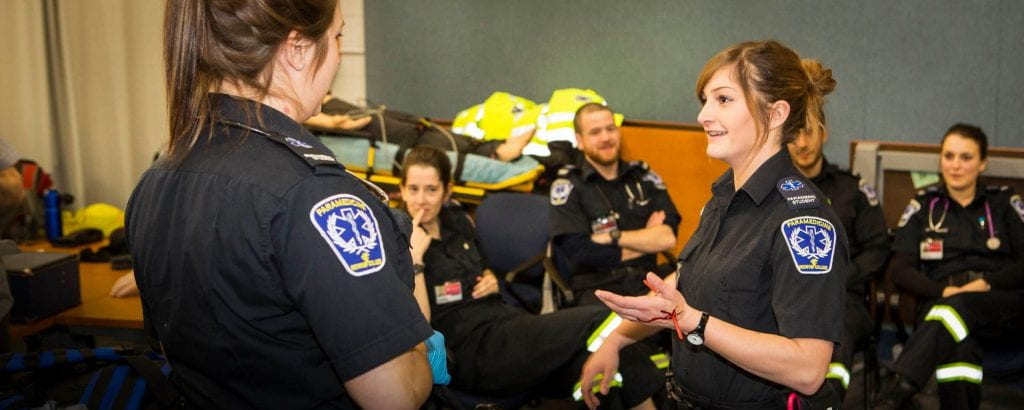
This guide can assist you in exploring topics about emergency medicine and about the skills that every successful paramedicine practitioner uses and needs.  Discover a wealth of evidence based clinical resources on prehospital care in both electronic and print formats, including book titles, streaming videos, sources for journal articles, and useful websites.  And learn practical research tips and techniques, as well as helpful advice on writing papers and citing your sources.

Find the PARAMEDICINE & PRIMARY CARE PARAMEDIC GUIDE here:

library.rrc.ca/paramedicine

or

  1. Go to library.rrc.ca
  2. Click on “Your GUIDE is ready
  3. Select the subject box – PARAMEDICINE & PRIMARY CARE PARAMEDIC is in the NURSING, ALLIED HEALTH & LIFE SCIENCES section – to see all the guides on this subject
  4. Click the desired guide and you have a great starting point.

Other guides you may find interesting:

What is a Guide?

Guides are curated web pages created by our library staff. Many people who are starting to explore a topic aren’t sure where to start – there are so many options and it can be overwhelming.

Guides are a starting spot for students looking for more information on a particular topic in the collection. A guide will typically include featured books and journals (both print and electronic), databases, Videos (DVDs and streaming) and websites. They may also include specialized information specific to the topic (i.e. WHIMIS or resources specific to an assignment).

Do not hesitate to contact guide owners (information is on the guide) if you have any suggestions to improve this guide (content or special interest areas) or stop by the library – we would love to hear from you. If you would like to see a specific guide for a particular topic please let us know.

We encourage you to share this resource with your students, include it on your Learn site and help us promote this Library tool.


Intercultural Competence and Diversity Guide

September 11, 2019

Our community is composed of people from diverse cultural backgrounds, including different national or ethnic affiliations, language, gender identity, sexual orientation, socio-economic status, age, physical and cognitive abilities, spiritual beliefs, marital/parental status. Our intent with this guide is to offer a starting point in an understanding of our cultural identities and building on the skills to bridge cross-cultural differences. These resources may also help enhance intercultural communication, a key ingredient in an expanding world. This guide also offers resources to help enhance our awareness about gender and sexual diversity and understanding of how gender and sexual identities are unique, fluid and complex.

Find the INTERCULTURAL COMPETENCE & DIVERSITY guide here:

library.rrc.ca/Intercultural_Competence_Diversity

or

  1. Go to library.rrc.ca
  2. Click on “Your GUIDE is ready
  3. Select the subject box – INTERCULTURAL COMPETENCE & DIVERSITY is in the https://library.rrc.ca/StudentSuccess section – to see all the guides on this subject
  4. Click the desired guide and you have a great starting point.

Other guides you may find interesting:

What is a Guide?

Guides are curated web pages created by our library staff. Many people who are starting to explore a topic aren’t sure where to start – there are so many options and it can be overwhelming.

Guides are a starting spot for students looking for more information on a particular topic in the collection. A guide will typically include featured books and journals (both print and electronic), databases, Videos (DVDs and streaming) and websites. They may also include specialized information specific to the topic (i.e. WHIMIS or resources specific to an assignment).

Do not hesitate to contact guide owners (information is on the guide) if you have any suggestions to improve this guide (content or special interest areas) or stop by the library – we would love to hear from you. If you would like to see a specific guide for a particular topic please let us know.

We encourage you to share this resource with your students, include it on your Learn site and help us promote this Library tool.

Academic Success Centre: Moving, Evolving, Expanding!

July 24, 2019

This past year was an exciting one for the Academic Success Centre! You may have noticed a few changes, including our physical move to Library Services. The relocation of tutoring, academic coaching and EAL supports under the umbrella of the Library has served to increase access and create a hive of academic support and resource services at the heart of NDC and EDC.

The move this past year was incremental, with the introduction of writing, stats and math help desks in the Library lobby, and with the gradual build of small and large group tutoring spaces at both campuses. The 2019/2020 academic year will be one of full integration, with all ASC activity located in or near each campus library.

In addition to creating a one-stop-access point for students, ASC and Library staff have begun to collaborate on new projects and services, increasing the power and scope of RRC academic, resource and research supports and services.

And now we are also part of the Library website! We have re-organized the information about our ASC services and learning resources to make the navigation of the content more efficient, while also making seamless connections with Library resources. Check out our new web presence at https://library.rrc.ca/asc.

Wishing you a nice summer time and a great beginning of classes in the Fall!

Welding Guide

May 7, 2019

Myth: Trades students don’t use the library.


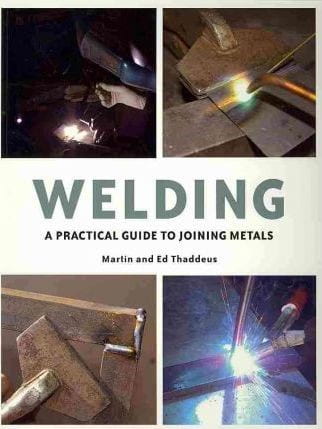
Fact: Many do especially to learn WHMIS on our computers, get WI-FI on their personal devices, or ask general questions. Why? We provide a service to help students access the information they need in an approachable manner. This same goal goes into the new Welding guide with information about our welding resources from print to streaming video, perhaps answer a point-of-need question, and maybe serve as a starting point to begin asking those questions.  The guide aims to complement the hands-on learning in the shop while pursuing life-long learning.

Find the WELDING guide here:

library.rrc.ca/welding

or

  1. Go to library.rrc.ca
  2. Click on “Your GUIDE is ready
  3. Select the subject box – Welding is in the Skilled Trades section – to see all the guides on this subject
  4. Click the desired guide and you have a great starting point.

Other guides you may find interesting:

What is a Guide?

Guides are curated web pages created by our library staff. Many people who are starting to explore a topic aren’t sure where to start – there are so many options and it can be overwhelming.

Guides are a starting spot for students looking for more information on a particular topic in the collection. A guide will typically include featured books and journals (both print and electronic), databases, Videos (DVDs and streaming) and websites. They may also include specialized information specific to the topic (i.e. WHIMIS or resources specific to an assignment).

Do not hesitate to contact guide owners (information is on the guide) if you have any suggestions to improve this guide (content or special interest areas) or stop by the library – we would love to hear from you. If you would like to see a specific guide for a particular topic please let us know.

We encourage you to share this resource with your students, include it on your Learn site and help us promote this Library tool.

Civil Engineering Guide

March 6, 2019

There are multiple facets to being a Civil Engineer.

Did you know that Red River College Library has many great resources on the design, construction and maintenance of roads, bridges, canals, dams, airports, pipelines, structural components of buildings, and more?  Check out our guide on Civil Engineering for links to many resources (print and electronic).

Find the CIVIL ENGINEERING guide here:

library.rrc.ca/civil_engineering

or

  1. Go to library.rrc.ca
  2. Click on “Your GUIDE is ready
  3. Select the subject box – Civil Engineering is in the Engineering and Construction Technology section – to see all the guides on this subject
  4. Click the desired guide and you have a great starting point.

Other guides you may find interesting:

What is a Guide?

Guides are curated web pages created by our library staff. Many people who are starting to explore a topic aren’t sure where to start – there are so many options and it can be overwhelming.

Guides are a starting spot for students looking for more information on a particular topic in the collection. A guide will typically include featured books and journals (both print and electronic), databases, Videos (DVDs and streaming) and websites. They may also include specialized information specific to the topic (i.e. WHIMIS or resources specific to an assignment).

Do not hesitate to contact guide owners (information is on the guide) if you have any suggestions to improve this guide (content or special interest areas) or stop by the library – we would love to hear from you. If you would like to see a specific guide for a particular topic please let us know.

We encourage you to share this resource with your students, include it on your Learn site and help us promote this Library tool.

Family Nursing Guide

February 5, 2019

Family Nursing Guide

The interactions between families and health is an important aspect of being a nurse.

Did you know that RRC Library has many great resources for family centered care?  Check out our guide on Family Nursing for links to many resources (print and electronic).

Find the FAMILY NURSING guide here:
library.rrc.ca/Family_Nursing

or

  1. Go to library.rrc.ca
  2. Click on “Your GUIDE is ready.”
  3. Select the subject box – Family Nursing is in the Nursing, Allied Health & Life Sciences section – to see all the guides on this subject
  4. Click the desired guide and you have a great starting point.

Other guides you may find interesting:

What is a Guide?

Guides are curated web pages created by our library staff. Many people who are starting to explore a topic aren’t sure where to start – there are so many options and it can be overwhelming.

Guides are a starting spot for students looking for more information on a particular topic in the collection. A guide will typically include featured books and journals (both print and electronic), databases, Videos (DVDs and streaming) and websites. They may also include specialized information specific to the topic (i.e. WHIMIS or resources specific to an assignment).

Do not hesitate to contact guide owners (information is on the guide) if you have any suggestions to improve this guide (content or special interest areas) or stop by the library – we would love to hear from you. If you would like to see a specific guide for a particular topic please let us know.

We encourage you to share this resource with your students, include it on your Learn site and help us promote this Library tool.

Portable chargers now available for loan

January 23, 2019

portable chargers available for loan

Simply present a Red River College Identification card to borrow a portable charger.

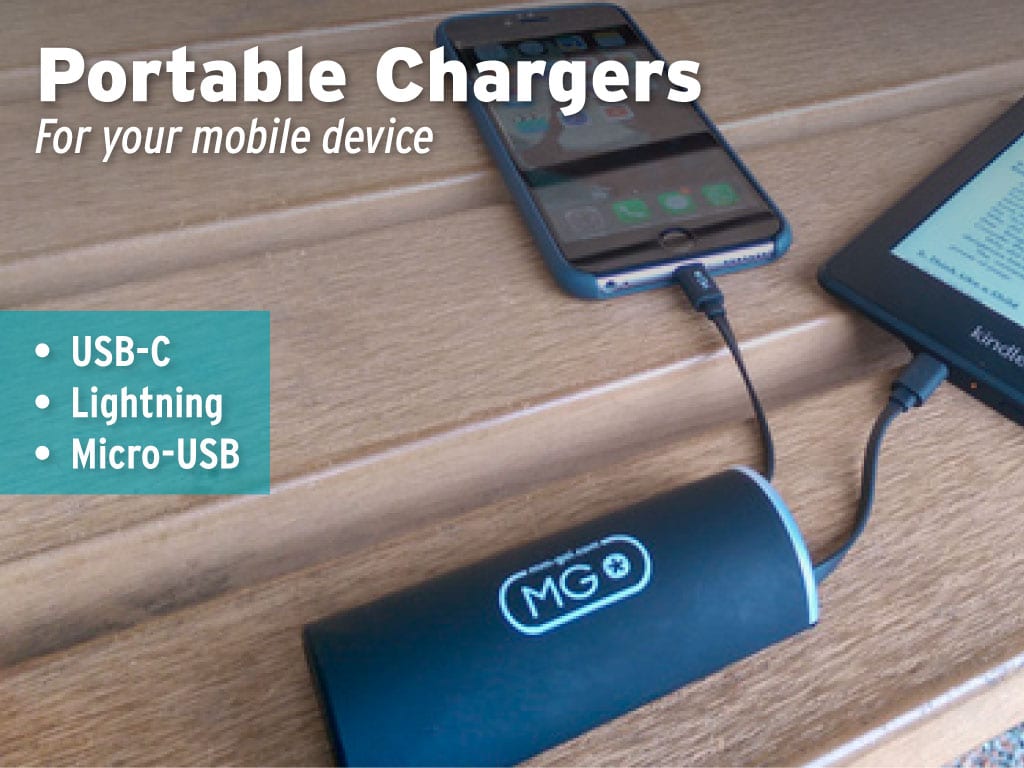
Library Services now offers portable chargers for most mobile devices (micro-USB, lightning and USB-C). If you are a staff member or student at the College, simply present your ID card to borrow one for up to a day.

They are available at the Exchange District Campus Library Service Desk or at Notre Dame Campus Library, AV Services (down the hall toward the back of the Library).


Posted by  Linda Fox — RRC Library,  AV Services

Indigenous Language Guide

January 22, 2019

The United Nations has declared 2019 as the International Year of Indigenous Languages.

There are approximately 5000 Indigenous languages globally, around 70 Indigenous languages here in Canada, some of which are endangered. There is an urgent need to preserve, promote and revitalize these languages.

Did you know the Red River College Library has many great resources for Cree, Ojibwe, and Ojibwe-Cree languages? Check out our guide on Indigenous Languages for links to many resources (print and electronic).

Find the INDIGENOUS LANGUAGE guide here:
rrclibrary.libguides.com/Indigenous_language

or

  1. Go to library.rrc.ca
  2. Click on “Your GUIDE is ready.”
  3. Select the subject box – Indigenous Language is in the Indigenous Education section – to see all the guides on this subject.
  4. Click the desired guide and you have a great starting point.

Other guides you may find interesting:

What is a Guide?

Guides are curated web pages created by our library staff. Many people who are starting to explore a topic aren’t sure where to start – there are so many options and it can be overwhelming.

Guides are a starting spot for students looking for more information on a particular topic in the collection. A guide will typically include featured books and journals (both print and electronic), databases, Videos (DVDs and streaming) and websites. They may also include specialized information specific to the topic (i.e. WHIMIS or resources specific to an assignment).

Do not hesitate to contact guide owners (information is on the guide) if you have any suggestions to improve this guide (content or special interest areas) or stop by the library – we would love to hear from you. If you would like to see a specific guide for a particular topic please let us know.

We encourage you to share this resource with your students, include it on your Learn site and help us promote this Library tool.

RRC Polytech campuses are located on the lands of the Anishinaabeg, Ininiwak, Anishininwak, Dakota Oyate, and Denésuline, and the National Homeland of the Red River Métis.

We recognize and honour Treaty 3 Territory Shoal Lake 40 First Nation, the source of Winnipeg’s clean drinking water. In addition, we acknowledge Treaty Territories which provide us with access to electricity we use in both our personal and professional lives.