Library

Library and Academic Services

News

Written Assignments: Supports To Get You Through

January 28, 2020

Online Guide: Writing College Papers

Assignments can be demanding, especially ones that involve writing. It takes time to settle on a topic, and then hunt for suitable sources. A few hours in and you’ve only just begun. You still need to decide on your main points, develop an essay structure, format your text and citations, and make sure everything is grammatically correct. Your Library staff and tutors know how tough this can be, and they are here to support you!

If you are working on a written assignment, Writing College Papers is for you! No matter what stage you are at, there is something in this guide to help you get your feet off the ground and finish that paper.

In Person: One-on-One Supports for Students

Academic Success Centre offers a Communications Skills Help Desk at NDC and EDC. They offer drop-in assistance with oral and written assignments.

RRC Library offers one-on-one guidance in locating suitable sources. Whether you are new or experienced with research and writing, there are likely great sources you have overlooked. Library staff are experienced at finding information, and want to support your coursework. To take advantage of research help, stop by in person, call, email, or go to library.rrc.ca and use our chat service.

Related Guides

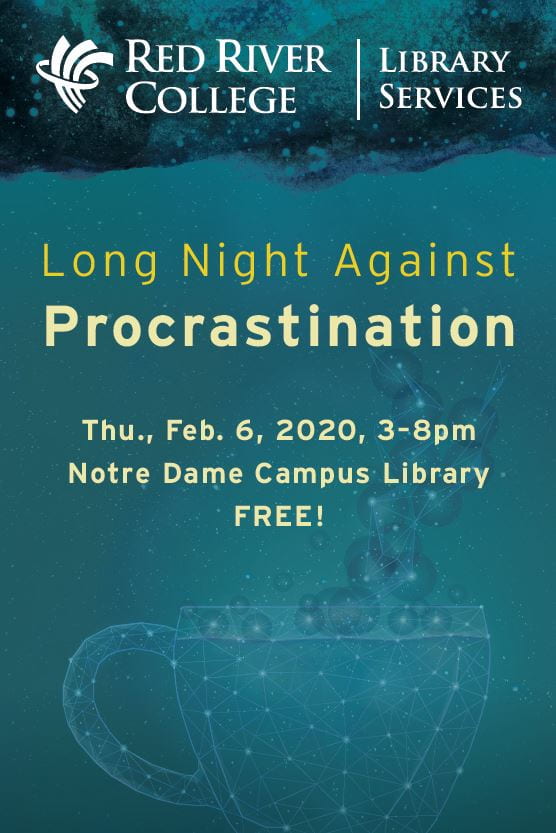
Long Night Against Procrastination – Thursday, February 6, 2020

January 27, 2020

Thursday, February 6, 2020
3pm – 8pm
Notre Dame Campus Library
FREE!

Come to the NDC Library to work on that big paper, study for your test, get help with your math challenges, or learn strategies to balance College and personal life.

Library staff and tutors will be available to support your research and coursework.

Food, self-care activities, and much more!

Schedule

3pm-8pm
Library Research Help Desk

3pm-8pm
IT Help Desk

3pm-8pm
Art Therapy

3pm-7pm
Writing Skills/Communication Help Desk

3pm-7pm
Math Help Desk

3pm-6pm
Biological Science Help Desk

4pm-6pm
Job Search Help Desk
Student Employment Services staff will help with resume and cover letter writing, job search and application strategies, preparing for interviews and other questions you may have related to employment.

4pm-7pm
Trades Math and Science Desk

3:30pm-4pm
Coaching Corner – Verbal Communication Skills

4:00pm
Coaching Corner – Managing your Time

5pm-5:30pm
Coaching Corner – Writing an Academic Paper

6:00pm
Coaching Corner – Active Learning Strategies

Register

Please pre-register at www.rrc.ca/LNAP

Contact the Library for more information.

Guides for Computer and Information Systems Students

January 27, 2020

From information security to building websites to running network cable – the Guides have you covered. The systems we use to stay interconnected are constantly evolving – stay connected with Library resources to get the most out of your time with RRC.

Find the COMPUTER & INFORMATION SYSTEMS guides here:

RRCLibrary.libguides.com/COMPUTER

or

  1. Go to library.rrc.ca
  2. Click on “Your GUIDE is ready
  3. Select the subject box – COMPUTER & INFORMATION SYSTEMS – to see all the guides on this subject
  4. Click the desired guide and you have a great starting point.

Guides in this collection include:

What is a Guide?

Guides are curated web pages created by our library staff. Many people who are starting to explore a topic aren’t sure where to start – there are so many options and it can be overwhelming.
Guides are a starting spot for students looking for more information on a particular topic in the collection. A guide will typically include featured books and journals (both print and electronic), databases, Videos (DVDs and streaming) and websites. They may also include specialized information specific to the topic (i.e. WHIMIS or resources specific to an assignment).

Do not hesitate to contact guide owners (information is on the guide) if you have any suggestions to improve this guide (content or special interest areas) or stop by the library – we would love to hear from you. If you would like to see a specific guide for a particular topic please let us know.

We encourage you to share this resource with your students, include it on your Learn site and help us promote this Library tool.

Indigenous Culinary Arts Guide

January 20, 2020

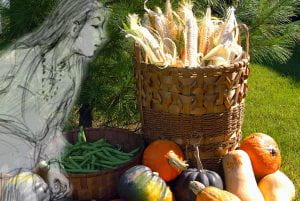
Come explore the Indigenous Culinary Arts guide for resources on this latest trend in the culinary field.  Whether you are exploring your Indigenous heritage or want to cook healthier, more traditional meals, this guide has something for everyone.  Want to become more land based in your lifestyle, consider planting a Three Sister Garden next summer or harvesting wild rice in this great province.  This guide has something for everyone.

Find the INDIGENOUS CULINARY ARTS guide here:

library.rrc.ca/Indigenous_Culinary

or

  1. Go to library.rrc.ca
  2. Click on “Your GUIDE is ready
  3. Select the subject box – INDIGENOUS CUINARY ARTS is in the INDIGENOUS EDUCATION section – to see all the guides on this subject
  4. Click the desired guide and you have a great starting point.

Other guides you may find interesting:

  • Food and Kitchen Safety(library.rrc.ca/FoodKitchenSafety)
  • Restaurant Management(library.rrc.ca/restaurant)
  • Culinary Arts (library.rrc.ca/Culinary)

What is a Guide?

Guides are curated web pages created by our library staff. Many people who are starting to explore a topic aren’t sure where to start – there are so many options and it can be overwhelming.

Guides are a starting spot for students looking for more information on a particular topic in the collection. A guide will typically include featured books and journals (both print and electronic), databases, Videos (DVDs and streaming) and websites. They may also include specialized information specific to the topic (i.e. WHIMIS or resources specific to an assignment).

Do not hesitate to contact guide owners (information is on the guide) if you have any suggestions to improve this guide (content or special interest areas) or stop by the library – we would love to hear from you. If you would like to see a specific guide for a particular topic please let us know.

We encourage you to share this resource with your students, include it on your Learn site and help us promote this Library tool.

Guides for Engineering and Construction Technology Students

January 13, 2020

From Construction Management to Civil engineering to Electronic and Electrical Engineering to CAD and Mechanical Engineering – the Guides have you covered. The systems we use to stay interconnected are constantly evolving – stay connected with Library resources to get the most out of your time with RRC.

Find the ENGINEERING & CONSTRUCTION TECHNOLOGY guides here:

library.rrc.ca/Engineering

or

  1. Go to library.rrc.ca
  2. Click on “Your GUIDE is ready
  3. Select the subject box – ENGINEERING & CONSTRUCTION TECHNOLOGY – to see all the guides on this subject
  4. Click the desired guide and you have a great starting point.

Guides in this collection include:

Related guides of interest

What is a Guide?

Guides are curated web pages created by our library staff. Many people who are starting to explore a topic aren’t sure where to start – there are so many options and it can be overwhelming.

Guides are a starting spot for students looking for more information on a particular topic in the collection. A guide will typically include featured books and journals (both print and electronic), databases, Videos (DVDs and streaming) and websites. They may also include specialized information specific to the topic (i.e. WHIMIS or resources specific to an assignment).

Do not hesitate to contact guide owners (information is on the guide) if you have any suggestions to improve this guide (content or special interest areas) or stop by the library – we would love to hear from you. If you would like to see a specific guide for a particular topic please let us know.

We encourage you to share this resource with your students, include it on your Learn site and help us promote this Library tool.

Long Night Against Procrastination – Thursday, February 6, 2020

January 6, 2020

Thursday, February 6, 2020
3pm – 8pm
Notre Dame Campus Library
FREE!

Come to the NDC Library to work on that big paper, study for your test, get help with your math challenges, or learn strategies to balance College and personal life.

Library staff and tutors will be available to support your research and coursework.

Food, self-care activities, and much more!

Schedule

3pm-8pm
Library Research Help Desk

3pm-8pm
IT Help Desk

3pm-8pm
Art Therapy

3pm-7pm
Writing Skills/Communication Help Desk

3pm-7pm
Math Help Desk

3pm-6pm
Biological Science Help Desk

4pm-6pm
Job Search Help Desk
Student Employment Services staff will help with resume and cover letter writing, job search and application strategies, preparing for interviews and other questions you may have related to employment.

4pm-7pm
Trades Math and Science Desk

3:30pm-4pm
Coaching Corner – Verbal Communication Skills

4:00pm
Coaching Corner – Managing your Time

5pm-5:30pm
Coaching Corner – Writing an Academic Paper

6:00pm
Coaching Corner – Active Learning Strategies

Register

Please pre-register at www.rrc.ca/LNAP

Contact the Library for more information.

APA 7th ed. Highlights GUIDE

January 6, 2020

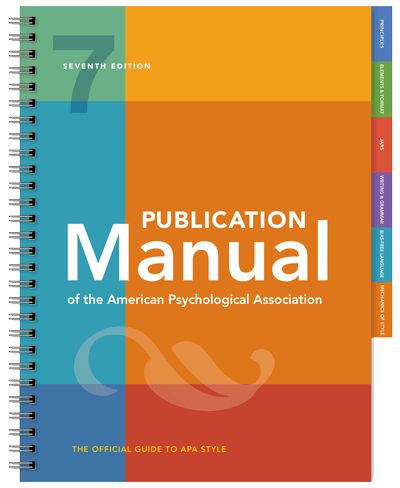
The newest edition of the Publication Manual of the American Psychological Association was published in October 2019. Commonly known as “APA”, this citation style is used by many departments at RRC, especially those in the Allied Health disciplines.

This guide will assist you in navigating the new 7th edition of the APA. There are a lot of changes but here are the most important that students and faculty need to know.

Find the APA 7th ed. HIGHLIGHTS guide here:

library.rrc.ca/APA7

or

  1. Go to library.rrc.ca
  2. Click on “Your GUIDE is ready
  3. Select the subject box – APA 7th ed. HIGHLIGHTS guide is in the STUDENT SUCCESS section – to see all the guides on this subject
  4. Click the desired guide and you have a great starting point.

Other guides you may find interesting:

What is a Guide?

Guides are curated web pages created by our library staff. Many people who are starting to explore a topic aren’t sure where to start – there are so many options and it can be overwhelming.

Guides are a starting spot for students looking for more information on a particular topic in the collection. A guide will typically include featured books and journals (both print and electronic), databases, Videos (DVDs and streaming) and websites. They may also include specialized information specific to the topic (i.e. WHIMIS or resources specific to an assignment).

Do not hesitate to contact guide owners (information is on the guide) if you have any suggestions to improve this guide (content or special interest areas) or stop by the library – we would love to hear from you. If you would like to see a specific guide for a particular topic please let us know.

We encourage you to share this resource with your students, include it on your Learn site and help us promote this Library tool.

Storytelling in the Library with Cliff Cardinal

December 10, 2019

Take a break at 10:00 am on Wednesday, December 11, 2019 and join us in the NDC Library for storytelling with Cliff Cardinal.

Cliff Cardinal, award-winning playwright, actor, and musician, stunned Winnipeg crowds a few years back with his one-person play Huff. He’s working now on a new novel, a few new scripts, and a bunch of songs with his band, The Skylarks. His visit to Red River College is part of Voices in the Circle: Indigenous Writing in Canada, an initiative of the Winnipeg International Writers Festival. Find out more at thinairwinnipeg.ca.

Thank you to Charlene Diehl, Director, Winnipeg International Writers Festival, for helping us coordinate Cliff’s visit to Red River College.

Culinary Arts Guide

November 25, 2019

Culinary Arts Guide

There is more to being a great chef than just cooking. This guide will help you find resources to improve your technique, explore world-class chefs and restaurants and expand your palate of international cuisine. Find a list of James Beard Award-winning books as well as Canadian content.

Find the CULINARY ARTS guide here:

library.rrc.ca/culinary

or

  1. Go to library.rrc.ca
  2. Click on “Your GUIDE is ready
  3. Select the subject box the  CULINARY ARTS guide is in the Culinary Arts, Hospitality & Tourism  section – to see all the guides on this subject
  4. Click the desired guide and you have a great starting point.

Other guides you may find interesting:

What is a Guide?

Guides are curated web pages created by our library staff. Many people who are starting to explore a topic aren’t sure where to start – there are so many options and it can be overwhelming.

Guides are a starting spot for students looking for more information on a particular topic in the collection. A guide will typically include featured books and journals (both print and electronic), databases, Videos (DVDs and streaming) and websites. They may also include specialized information specific to the topic (i.e. WHIMIS or resources specific to an assignment).

Do not hesitate to contact guide owners (information is on the guide) if you have any suggestions to improve this guide (content or special interest areas) or stop by the library – we would love to hear from you. If you would like to see a specific guide for a particular topic please let us know.

We encourage you to share this resource with your students, include it on your Learn site and help us promote this Library tool.

Indigenous Health and Well-being Guide

November 18, 2019

Morning Star

Morning Star by Alex Janvier (Creative Commons: https://www.flickr.com/photos/imuttoo/2826195825)

Indigenous peoples have long suffered from the effects of colonization in regards to their health care and ways of living.  An integral focus of Indigenous healing and wellness is through the balance of the physical, mental, emotional, and spiritual aspects of a being.  This guide is an amazing compilation of health and wellness resources including chronic disease, mental health and substance abuse resources, nutrition and food security, suicide and clean drinking water.  This guide is for you if you are a student in the Health Care professions or wanting to explore the seven health-related recommendations of the Truth and Reconciliation Commission of Canada: Calls to Action.

Find the INDIGENOUS HEALTH AND WELL-BEING guide here:

https://library.rrc.ca/IndigenousHealth

or

  1. Go to library.rrc.ca
  2. Click on “Your GUIDE is ready
  3. Select the subject box – the  INDIGENOUS HEALTH AND WELL-BEING guide is in the Indigenous Education section – to see all the guides on this subject
  4. Click the desired guide and you have a great starting point.

Other guides you may find interesting:

What is a Guide?

Guides are curated web pages created by our library staff. Many people who are starting to explore a topic aren’t sure where to start – there are so many options and it can be overwhelming.

Guides are a starting spot for students looking for more information on a particular topic in the collection. A guide will typically include featured books and journals (both print and electronic), databases, Videos (DVDs and streaming) and websites. They may also include specialized information specific to the topic (i.e. WHIMIS or resources specific to an assignment).

Do not hesitate to contact guide owners (information is on the guide) if you have any suggestions to improve this guide (content or special interest areas) or stop by the library – we would love to hear from you. If you would like to see a specific guide for a particular topic please let us know.

We encourage you to share this resource with your students, include it on your Learn site and help us promote this Library tool.

RRC Polytech campuses are located on the lands of the Anishinaabeg, Ininiwak, Anishininwak, Dakota Oyate, and Denésuline, and the National Homeland of the Red River Métis.

We recognize and honour Treaty 3 Territory Shoal Lake 40 First Nation, the source of Winnipeg’s clean drinking water. In addition, we acknowledge Treaty Territories which provide us with access to electricity we use in both our personal and professional lives.