Designs with Distinction: Celebrating a Distinguished Grad
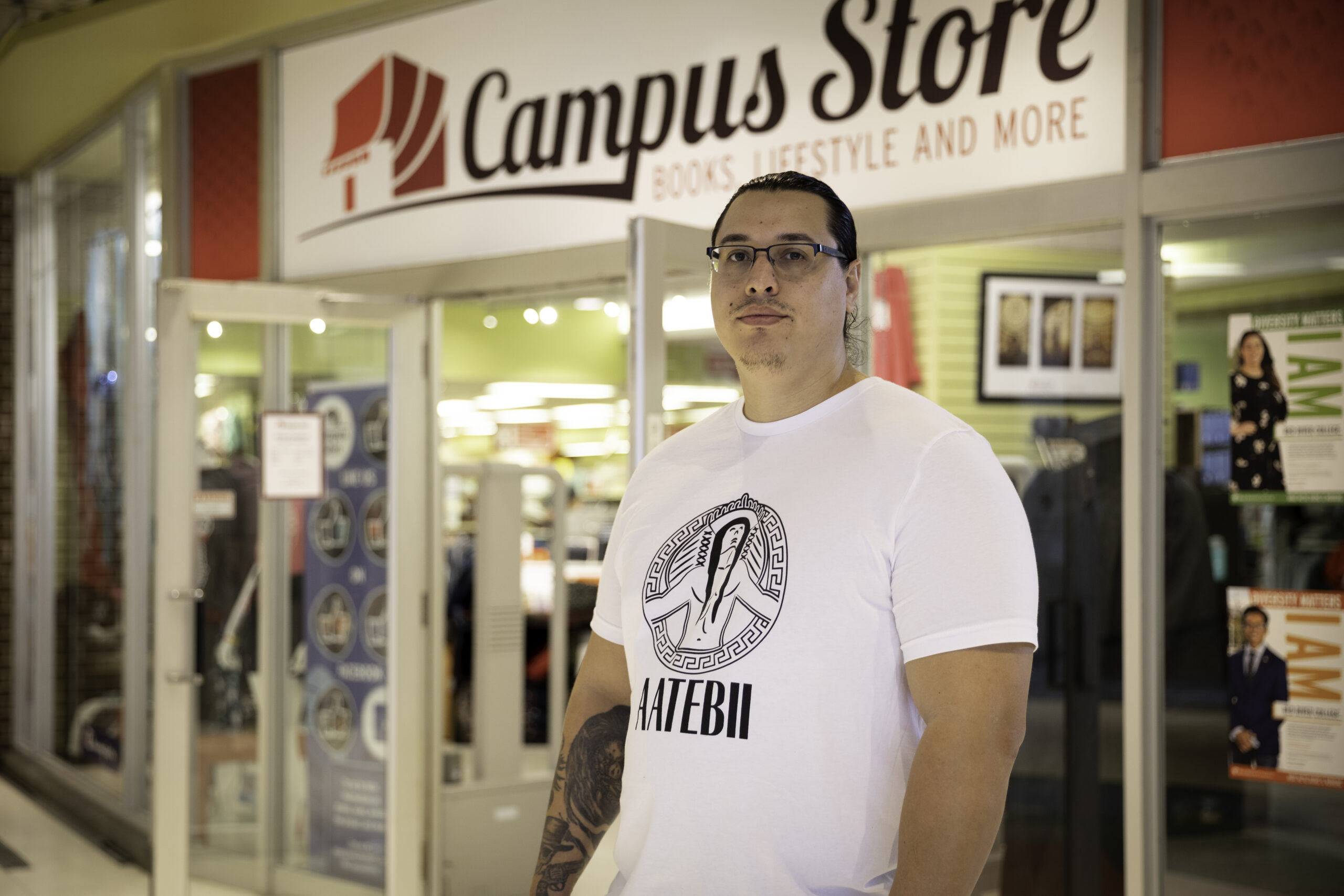
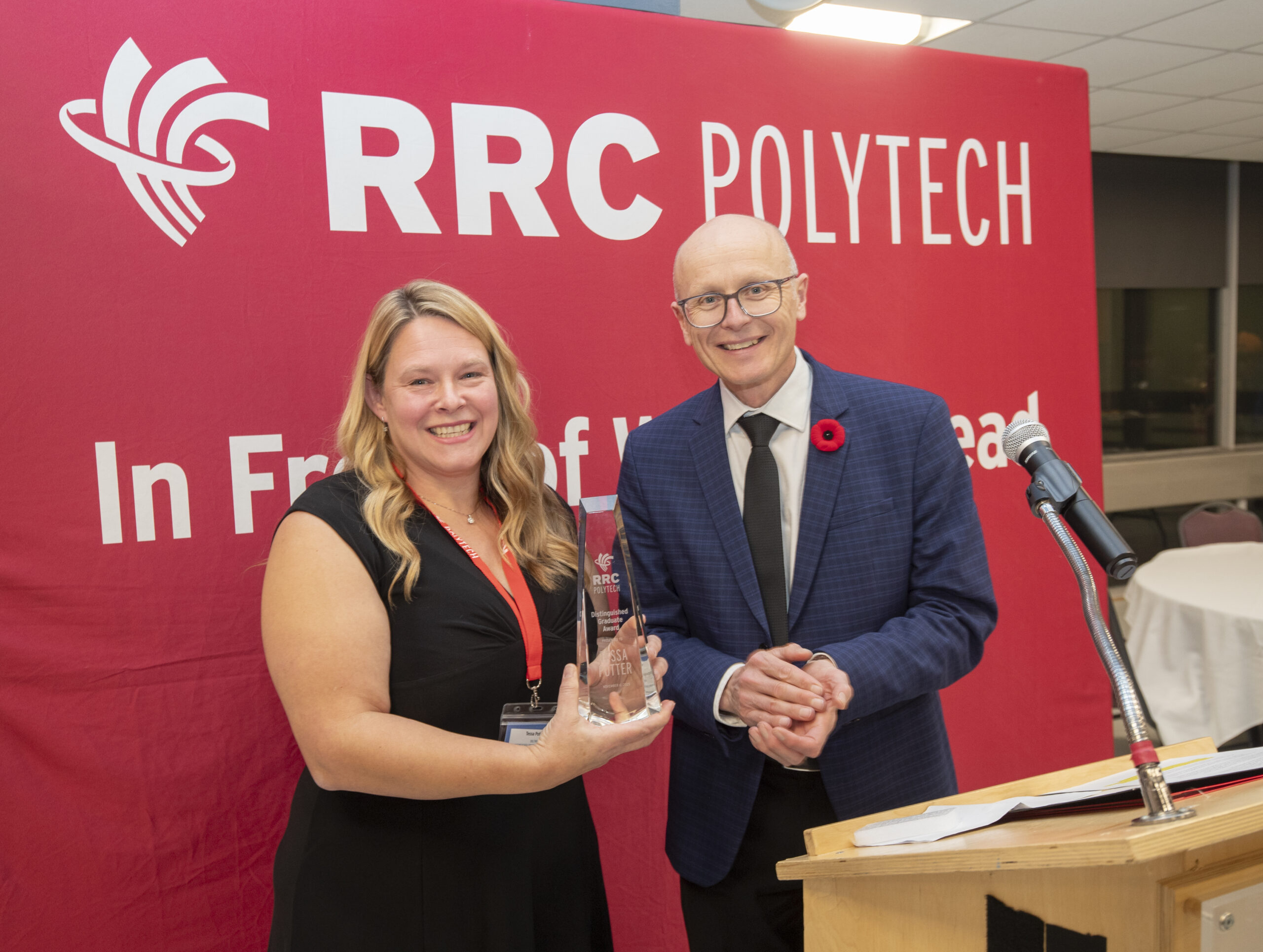
The RRC Polytech Distinguished Graduate Award recognizes the outstanding personal and professional achievements of RRC Polytech’s most accomplished alumni.
This year’s recipient is graduate Sean Rayland-Boubar, who completed his studies in Indigenous Social Entrepreneurship in 2021.
Rayland-Boubar is the founder of Indigenous-led streetwear brand Red Rebel Armour, a social enterprise rooted in culture, community, and purpose. Rayland-Boubar has deliberately used Red Rebel Armour to create opportunities for people facing barriers to employment, including people transitioning out of incarceration, while creating a culturally-safe environment where people can develop skills, confidence, and stability. Red Rebel Armour reinvests profits to maximize its social mission, while grounding its business practices in traditional Indigenous ways of knowing.
At the heart of Red Rebel Armour is Rayland-Boubar, whose vision goes far beyond apparel. He has worked hard to build a self-sustaining business that not only supports his own community but also helps uplift others. One of the ways he does this is by collaborating with and showcasing the work of other Indigenous artists, incorporating their art and stories into products and helping amplify Indigenous voices through fashion and design.
Rayland-Boubar’s own journey is equally powerful – he has transformed difficult lived experiences into a platform for entrepreneurship, mentorship, healing, and community empowerment. An ex-gang member and recovering addict, he started Red Rebel Armour after learning graphic design, screen printing, and basic business skills through YouTube tutorials. But he knew he wanted to take Red Rebel Armour further – so he enrolled in RRC Polytech’s Indigenous Social Entrepreneurship program to learn how to grow his brand and business.
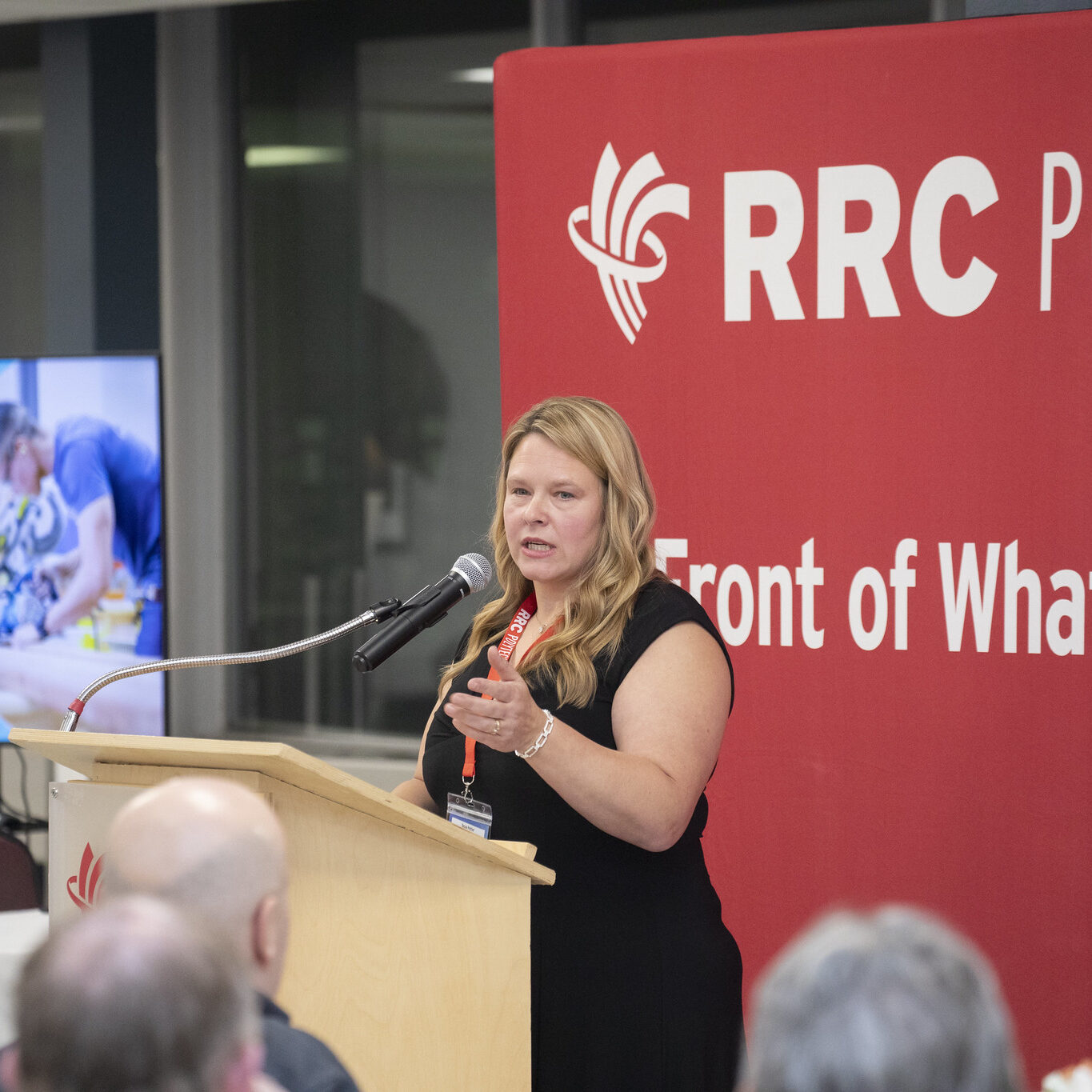
“Everything I was learning in school and ceremony became merged with the business – this gave birth to Red Rebel Armour. Everything I’ve experienced, lived, and been through…that’s Red Rebel Armour. It’s a reflection of me,” Rayland-Boubar shared during the keynote at a CreativeMornings Winnipeg event in February 2022.
Driven by a desire to help people, Rayland-Boubar turned a course lesson on social enterprise models into a business plan.
“The social purpose I was passionate about was helping my brothers and sisters find their way after being released from prison. I knew having access to Indigenous ways of knowing could transform a person’s life if they decided to practice it,” he said.
By removing barriers, Red Rebel Armour provides people with the chance to gain meaningful employment, learn new skills, rebuild confidence, and work toward a brighter future. For many, it becomes more than a job — it becomes a place where they feel respected, valued, and supported.
The impact of Red Rebel Armour has not gone unnoticed. In 2024, the organization received the Canada Post Tales of Triumph Doing Good Award, recognizing the company’s outstanding commitment to community, social impact, and positive change.
Since graduating, Rayland-Boubar has become a role model for Indigenous entrepreneurs and young people, including in northern and remote communities, and continues to share his story to show others what can be possible. His honesty, resilience, and willingness to speak openly about overcoming adversity has inspired many people who may be facing barriers and challenges in their own lives. Through these conversations, he encourages others to believe that change and growth are possible, while also helping build greater understanding and reconciliation within the broader community.
Rayland-Boubar was nominated for the Distinguished Graduate Award by fellow RRC Polytech graduate Shaun Vincent (Advanced Graphic Design, 2003), founder of Vincent Design, an Indigenous-led marketing company in Winnipeg.
“Sean has always had a remarkable ability to bring people together, and it is inspiring to see him surrounded by so many genuine, caring, and supportive people. Watching Red Rebel Armour evolve into something that positively impacts so many lives has been both inspiring and deeply meaningful to me,” Vincent shared in the nomination.
We are thrilled to honour Rayland-Boubar’s leadership as an entrepreneur and community builder at the Auntie Awards at the 2026 Manito Ahbee Festival on Friday, October 30 at Canada Life Centre. RRC Polytech alumni and supporters are warmly invited to attend.
Read More →