Smiling Indigenous graduate at convocation ceremony

Indigenous Education

News and Events

Welcoming the new Event & Facility Rental Coordinator

February 1, 2024

The Indigenous Student Supports Team is pleased to welcome the new Event & Facility Rental Coordinator for the School of Indigenous Education: Sara McIvor-Prouty.

Sara is a Red River Métis woman and a registered member of the Manitoba Métis Federation. Sara is a mother, auntie, medicine grower, tea harvester and maker, and found-item and ceramics artist. Sara’s maternal grandparents were of Irish and Hungarian descent. Her Métis dad grew up in Carman, Manitoba, with roots in Îlet De Bois. His parents were both from Métis families that span generations. 

She has a Recreation and Community Leadership Diploma from University College of the North (previously Keewatin Community College). 

Sara is a returning staff member (Indigenous Centre Coordinator), Graduation Pow Wow organizer and was a member of the Medicine Wheel Garden, RRC Daycare and Graduation committee member.

Sara brings a wealth of knowledge and expertise with 7 years at FortWhyte Farms guiding Indigenous youth from all over Winnipeg, leading various programming connecting youth to the land and helped to create a medicine garden classroom. While at Ndinawe, she brought together culture and recreation in Winnipeg’s North End and spent 6 years in Family and Youth Special Projects on the land, online and in ceremony.

She is so excited to bring her experience and to be back at the College!

Welcoming Grandmother Ivy Chaske

January 25, 2024

RRC Polytech is excited to welcome Grandmother Elder Ivy Chaske to our community!

Grandmother Ivy will be joining the Indigenous Student Support Team once a week to provide additional support to Indigenous students. Join us in the Indigenous Support Centre for a come-and-go Meet and Greet with Grandmother Ivy. Drop by the centre for a chat and some coffee as your schedule allows.

  • Wednesday, Jan. 31 • 3pm – 4pm
  • P407, Exchange District Campus

About Grandmother Ivy Chaske

Grandmother Elder Ivy is a full-blood Dakota with strong family ties to Sioux Valley First Nation and a connection to Sayisi Dene First Nation through marriage. She was raised in a traditional family and community, grounded in her culture and teachings.

As a Residential School Survivor, Grandmother Ivy is considered a Warrior by her family. She escaped Residential School and made her way to Winnipeg, where she connected with others who had also fled. She endured and overcame life on the streets and the challenges of gang involvement in the city.

Despite these hardships, she completed high school and attended the University of Manitoba. Grandmother Ivy is unapologetic in her belief that Indigenous people do not need colonial validation to prove their intelligence or worth.

She has dedicated her life to serving her people and building a strong urban community for future generations. She is especially proud of helping to organize the first annual walk for Missing and Murdered Indigenous Women. Over the years, she has played a key role in founding numerous organizations and has contributed her knowledge and guidance to schools, post-secondary institutions, health educators, and government departments.

As a Grandmother, she is deeply committed to supporting youth who face barriers, along with the individuals who work alongside them. This work fuels her hope and belief that our young people have the power to change the world.

Ribbon Skirt Day 2024

January 3, 2024

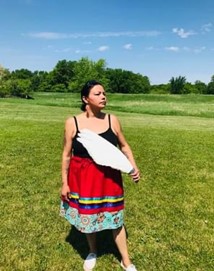
As of 2022, January 4 has been recognized as National Ribbon Skirt Day in Canada. Senator Mary Jane McCallum was inspired to put forth a bill in 2021 to officially recognize the day after a young Indigenous woman was told her ribbon skirt “did not meet the formal requirements” during a school event.

Today, we honour the history of the ribbon skirt, which is traditionally worn in ceremonies and at special events by Indigenous women. The ribbon skirt, with its unique patterns and colours, represents the identity, diversity and strength of the person wearing it.

Acknowledging National Ribbon Skirt Day provides an opportunity to celebrate the importance of Indigenous traditions and culture, which for decades were banished through colonialism and assimilation policies.

Ribbon Skirt Craft Workshop

Students and staff are invited to join Sara McIvor-Prouty for a Ribbon Skirt Craft Workshop, today from 12:00 to 1:00 p.m. in the Indigenous Student Support Centre, F209, Notre Dame Campus. All supplies will be provided. Registration not required; spots will be filled on a first come, first served basis.

For any questions about the workshop, please email Sara at smcivor@rrc.ca.

Aadizooke – Dec. 7

December 4, 2023

Join us in the Indigenous Support Centre to celebrate the Winter Solstice with a Pipe Ceremony and Feast.

The Winter Solstice marks the shortest day and longest night of the year—a time of reflection, renewal, and the Earth’s return to the sun. While the solstice falls on December 21, we invite you to gather with us a little early on December 7, before the end of term.

Join us in the Indigenous Support Centre for a meaningful ceremony, sharing circle, and feast as we honour the seasonal shift. Come reflect, connect, and celebrate the return of the light with community.

  • Thursday, Dec. 7 • 10am – 12pm
  • F209, Notre Dame Campus

No registration is required—everyone is welcome.

Language reclamation in action

December 4, 2023

CWB Financial Group Supports Introduction to Anishinaabemowin (Ojibwe Language) at RRC Polytech.

“Boozhoo! Anang Makwa Dizhninikaaz. Peguis ni doonjii.”

Hello! My Spirit Name is Star Bear. I am from Peguis First Nation.

This is the introduction that Wyatt Sutherland learned to greet people with in Anishinaabemowin. Sutherland, a second-year Business Administration student from Peguis First Nation, has family members who are fluent in Anishinaabemowin. He took the opportunity last spring to attend RRC Polytech’s pilot course for Introduction to Anishinaabemowin to better understand his mother tongue among fellow learners.

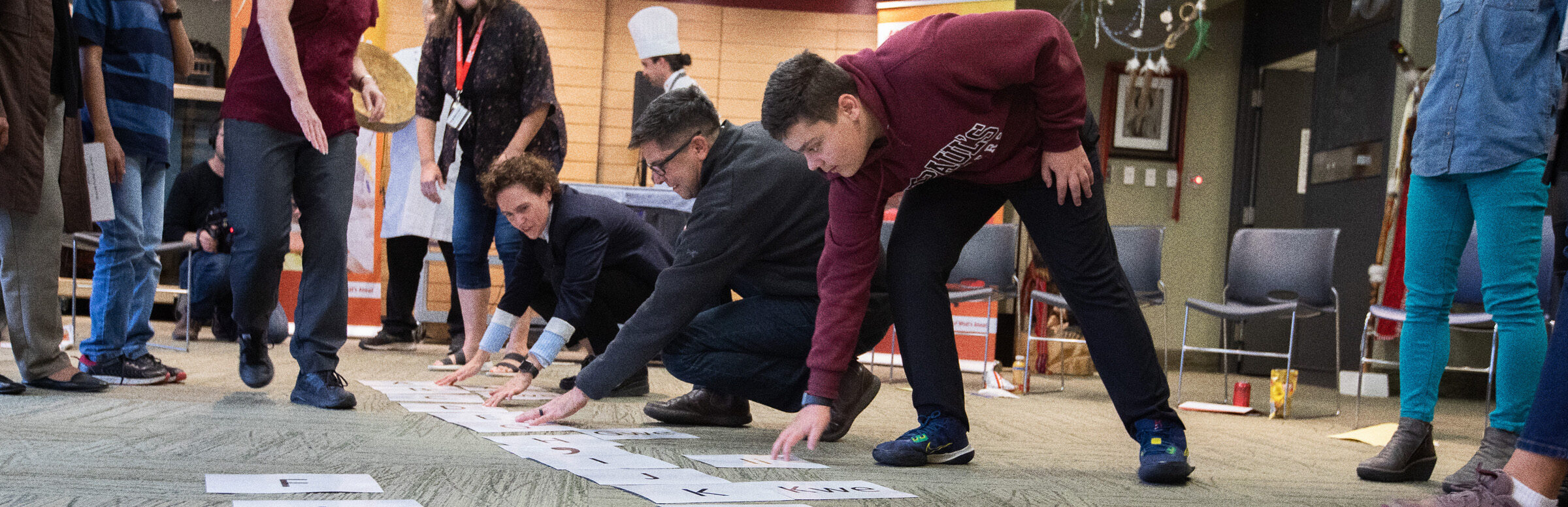
RRC Polytech launched the pilot course Introduction to Anishinaabemowin in April 2023, which took place at Manitou a bi Bii daziigae at the Exchange District Campus, the name of which means Where Creator Sits – Brings the Light in Anishinaabemowin. Students learned basic greetings, alphabet systems and cultural and linguistic protocols over eight weeks.

“Even after completing the course, I use my flashcards and practice with my brother. Now that I know where to access language resources and how to use them, I feel much more confident,” said Sutherland.

Sutherland, with his classmates, learned how to greet people with their given names and Spirit Names and where they’re from—a traditional way to connect with others in the language. They learned over 140 vocabulary words and phrases that created the base upon which further language knowledge could be built.

Barrier-free access to language education is foundational to cultural reclamation and reconciliation. CWB Financial Group recognized the generational impact this course has and as they strive to create inclusive spaces for success and growth, they partnered with RRC Polytech to ensure the next cohort of students in Introduction to Anishinaabemowin have free tuition. They prioritize community investments focused on removing barriers for those pursuing skill development and learning and mentorship opportunities.

Corey Whitford, Anishinaabemowin Instructor, delivered lessons in the Sandy Bay dialect while acknowledging and honouring the various regional differences and dialects among the many Anishinaabemowin-speaking communities throughout Manitoba and surrounding areas.

“That first cohort really shaped the way that I teach my classes now,” said Whitford. “I’ve learned that you have to really engage the senses, to keep that retention. I’ve taken my classes to the Manitoba Museum, Giizhigooweyaabikwe Park or Painted Sky Woman Park, and I’m amazed every time by just how immersed they are in the content—not just the language itself, but the cultural and traditional knowledge.”

Corey Whitford.

Whitford says his lesson plan includes going on field trips, dabbling in art with painting jars, playing traditional and contemporary games, sharing and preparing recipes, and listening to and singing songs. He teaches the course as an evening course on a registration basis and as an elective in the Social Innovation and Community Development program. He credits his grandmother, Kookum Victoria, with his inspiration and motivation to share the language with as many people as possible in as many ways as possible.

“Kookum Victoria was an extraordinary orator—Elders would call on her for her prayers, she was a poet. Her words were comforting and colourful, they expressed something beautiful that couldn’t have had the same weight if they were articulated in English. It was her gift,” Whitford said. “I can’t wait to see the next generation of poets. I want to help them get there.”

Whitford says he plans to continue to evolve the course as it progresses and hopes to one day also offer Introduction to Anishinaabemowin in live hybrid classes to reach more students.

Sutherland says his favourite aspect of the introductory course was the sense of comradery that bloomed from the small class and interactive lessons. He’s looking forward to the future progression course, Conversational Anishinaabemowin.

“Humour and joy are a huge part of the culture, despite the focus that exists on Indigenous hardship—we’re still here, and we get through trauma through our relationships and humour,” said Sutherland.

As a life-long learner and as an Indigenous person, Sutherland hopes that future Introduction to Anishinaabemowin students seize the opportunity to embrace the cultural depth that comes with reclaiming language.

“Try to be in the moment. The beautiful thing about learning the language is that: respect is inherent. There are no words for ‘you’re welcome,’ because thanks is always given,” said Sutherland.

For more information and to register for Introduction to Anishinaabemowin, generously supported by CWB Financial Group, visit the Program Explorer page.

Soup Making Sessions – Nov. 14, 21 and 28

November 9, 2023

Come to the Indigenous Support Centre and enjoy some time making soup with fellow students.

It’s a chance to slow down, connect, and share stories while cooking together. Nourish your body with a healthy, homemade meal and your spirit with good company – sometimes the best conversations happen over a warm bowl of soup!

  • Tuesday, Nov. 14, 21, 28 • 4pm – 6pm
  • F209, Notre Dame Campus

Ingredients and utensils will be provided. Feel free to bring your friends and family – no registration is required. Enjoy your soup in the centre or bring take-home containers to enjoy at home.

Miigwech miinawaa awii giizhoozi gakina! Thank you and stay warm, everyone!

Jamie Wilson reflects on service to US and Canadian Armed Forces

November 8, 2023

November 8 is known as Indigenous Veterans, Day.

Many Canadians recognize and honour November 11 every year to mark the armistice signed between nations at the end of World War I and the sacrifices that Canadians have made in armed conflict in the last century. It’s a solemn legacy that many Canadians regard with great pride and sorrow.

In 1994, Indigenous veterans advocated to be acknowledged after being excluded from recognition in Remembrance Day activities, despite the service they provided to Canada during wartime. Since then, November 8 has been observed as National Indigenous Veterans’ Day, a lesser-known observance to specifically recognize the contributions and sacrifices of Indigenous soldiers.


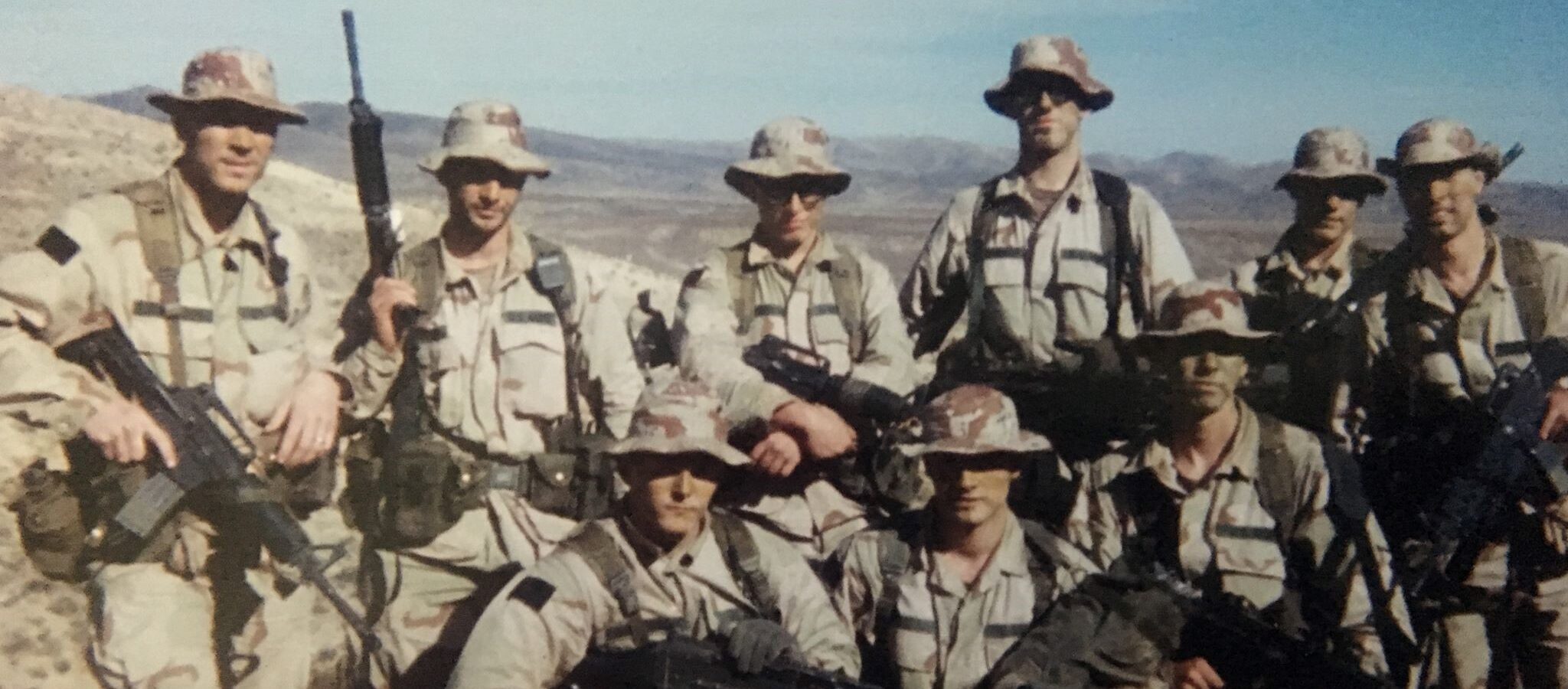
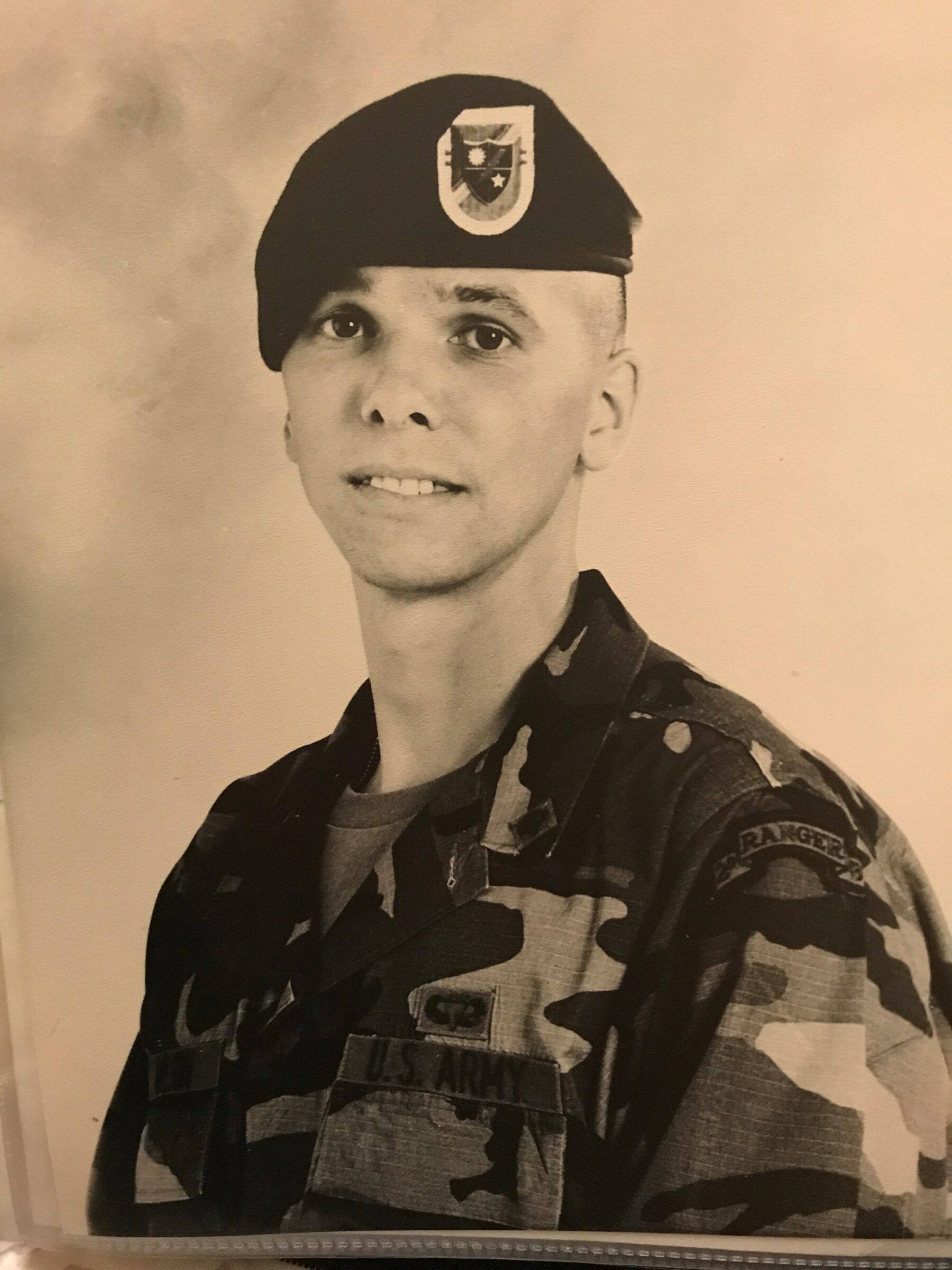
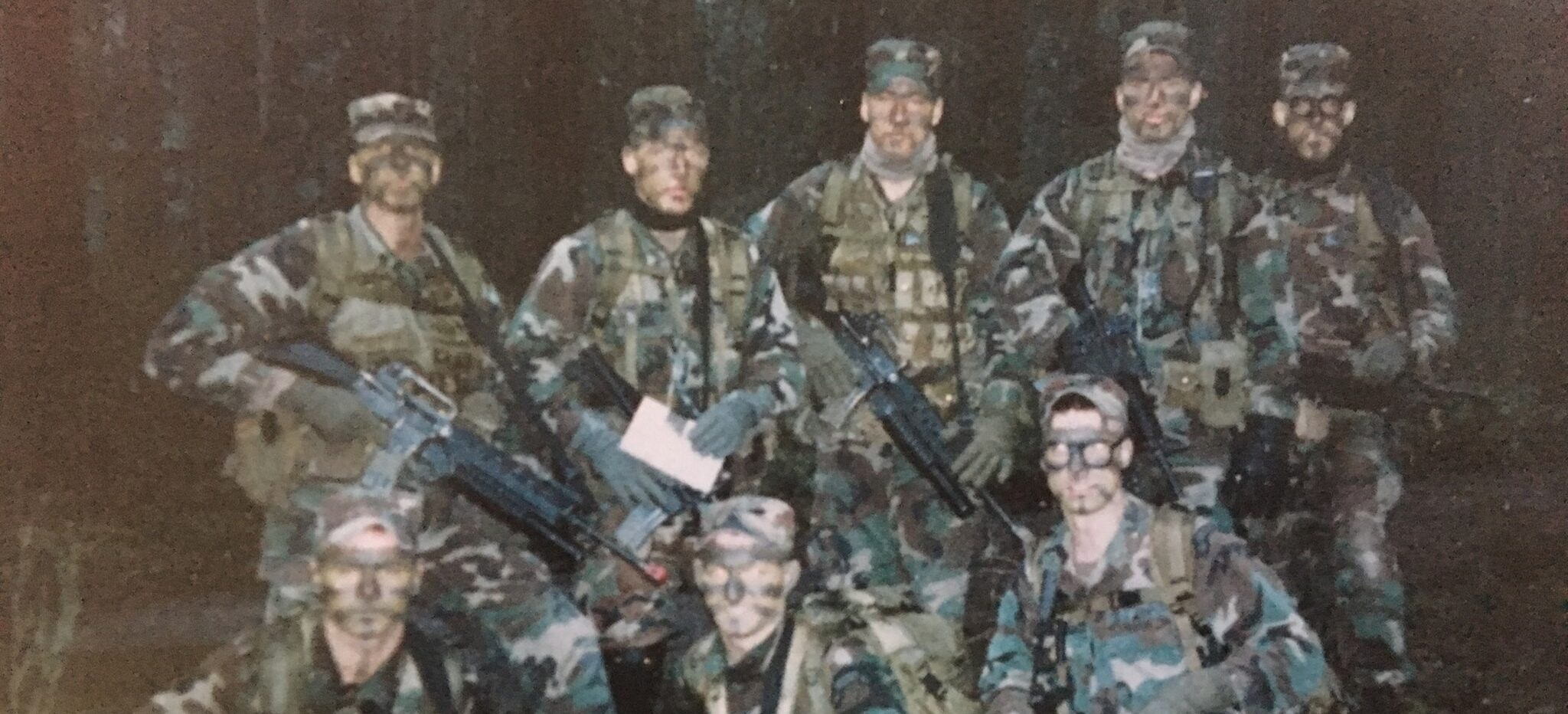
Before his career in education and post-secondary leadership, Jamie Wilson, Vice President, Indigenous Strategy, Research and Business Development at RRC Polytech spent nine years serving in both the US and Canadian Armed Forces – he says that his time in the military was the most formative time of his life and one that influenced his position as a leader today.

Wilson, who’s from Opaskwayak Cree Nation, grew up in a non-military family, but says his community has a proud history of serving during times of war.

“It’s an honourable thing to put your community ahead of yourself for the greater good. There are still young people back home that look to pursue military service—I’d support anyone that wanted to pursue it,” said Wilson.

Wilson had already earned his teaching credential in education when he began considering a career in the military.

In 1992, Wilson Sundanced in North Dakota with an Indigenous man whom he learned served in the US Special Operations—Wilson recalls being surprised that this laid-back, down-to-earth, traditional  dancer willingly served in the US military while remaining true to who he was. Hearing about his fellow Sundancer’s experience reignited Jamie’s lifelong interest in joining the military.

Jamie Wilson.

Under the Jay Treaty of 1794, Wilson, as a First Nations person, could travel and work in the United States with the same rights as a US citizen. Wilson spoke with a recruiter and joined the US army in 1994. He completed his basic training at Fort Benning, Georgia and was assigned a contract to attend selection with the 75th Ranger Regiment – a light infantry unit and special operations force within the United States Army Special Operations Command where he ended up spending two years serving. He says in that time, he experienced the toughest training conditions that forced him past his limits—limits he didn’t know could be exceeded.

“There were periods where we’d train constantly, for days straight—with a cumulative of 4-5 hours’ sleep the whole time. Going sometimes to the point of hallucination—some guys were walking and sleeping at the same time.”

Wilson noted that had he not Sundanced prior to joining the military, the experience would have been far more grueling.

“I used to do full Sundance for four full days—no eating or drinking water the whole time. I remember my military buddy, after the Sundance, was like ‘let’s run down to the [Missouri] river for the final ceremony; it’s only two miles away.’ We were dehydrated and hungry (I lost about 20 pounds in 4 days each time I danced), but I agreed—we ran there, and that made me realize the mental strength we have: you’re capable of more than you think.”

After returning to Canada, Wilson joined the Canadian Forces as a reserve infantry officer based in Edmonton for seven years. Looking back, Wilson acknowledged the hardship that soldiers go through to serve having experienced it firsthand in both the US and Canadian militaries, and the particular adversity that Indigenous soldiers and veterans have faced throughout history.

Wilson says that the leadership demonstrated in the military was more diverse than he expected—some of the best leaders he had were the ones that defied his expectations. Wilson says their abilities to serve as leaders were evidently forged from their abilities to support the people around them.

“It taught me to lean into myself more, to be more confident in who I am. It taught me to be a better parent, brother and leader. I learned to let myself make mistakes—they put you in uncomfortable situations to force you to grow and adapt. To be a good leader, you have to know how to be a good follower—you have to learn how to support those around you,” said Wilson.

For Wilson, National Indigenous Veterans Day and Remembrance Day is about recognizing the sacrifice of men and women who put their lives on the line.

“Whether it is serving overseas or local issues like flooding or fire, soldiers, sailors, airmen and women answer the call and exemplify selflessness by putting the greater good ahead of one’s self and personal needs every day to serve those around them.”

Many people express their support for National Indigenous Veterans Day by wearing beaded poppies created by Indigenous artists. Wilson encourages the community to show support by wearing a beaded poppy while also making a donation the Royal Canadian Legion, as every donation made for the yearly poppies goes toward programs that support veterans.

A History of Indigenous Veterans Serving In Canada

It wasn’t until 1994 Indigenous veterans and their families advocated for their recognition that Canadian society became conscious of the mistreatment that Indigenous soldiers faced when they returned home: Canada expropriated immense amounts of reserve lands during wartime, some of which was awarded as farmland to non-Indigenous veterans for their service; Indigenous veterans were often denied full veterans’ benefits and support programs afforded to non-Indigenous veterans; some were forced to “enfranchise” (meaning they became Canadian citizens with all the rights and privileges of citizens if they gave up their Indian Status and their identities).

Today, Indigenous people are recognized and honoured at all levels for their contributions to Canada during war. November 8th sees hundreds of ceremonies and vigils around the country to acknowledge the history that encompasses the Indigenous experience in the Canadian military.

Learn more about National Indigenous Veterans’ Day on the Library blog or check out these resources:

International Inuit Day 2023

November 7, 2023

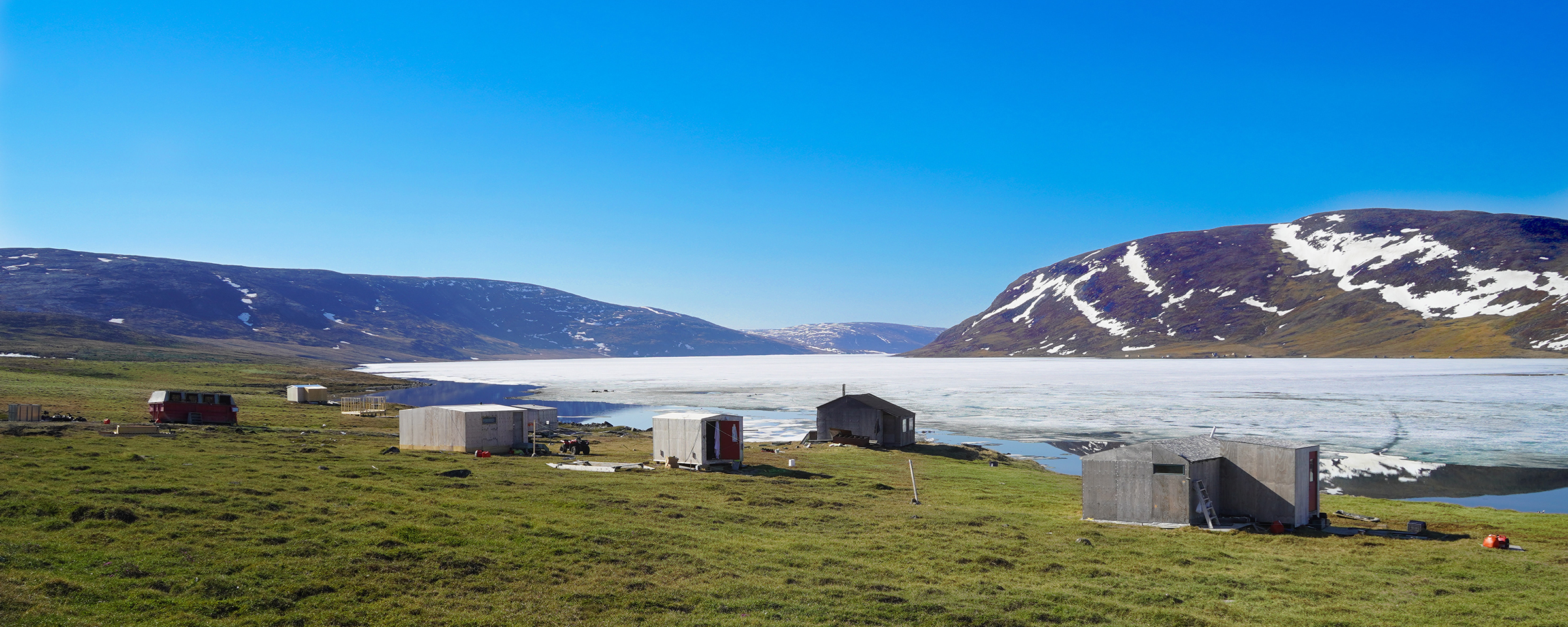
In 2006, the Inuit Circumpolar Council established November 7 as International Inuit Day. More than 70,000 Inuit people live in Canada, with 69 percent living within Inuit Nunangat, northern Canada, composed of four distinct regions, Nunatsiavut, Nunavik, Nunavut and Inuvialuit.

On International Inuit Day, we invite you to celebrate the diversity of Inuit cultures and communities, and honour Inuit voices through listening and learning. Below are a few resources to support your learning:

Manitoba is home to the Winnipeg Art Gallery-Qaumajuq, which has one of the world’s largest collections of contemporary Inuit art, bringing close to 5,000 stone carvings to light in its visible vault. Explore the stunning collection of Inuit art in the heart of downtown Winnipeg – the first floor (includes the visible vault) is always FREE to visit. This Sunday, November 12 is free admission from 11:00 a.m. to 5:00 p.m. at WAG-Qaumajuq, so check out more exhibitions, including Inuit Sanaugangit: Art Across Time.

International Inuit Day is also a time to recognize how the way of life continues to change for Inuit peoples as the landscape literally and figuratively transforms. Read A balancing act between the two worlds: What it means to be Inuit, via Nunavut News.

Last year, RRC Polytech celebrated National Inuit Day with students, staff, faculty, and members of the Manitoba Inuit Association. College Transition students shared about their culture and life in Rankin Inlet with the College community. Read the full story here.

Ribbon Skirt Workshop Series – Nov. 9, 16, 23

October 31, 2023

Make your own ribbon skirt for Ceremony and everyday wear with Angela Antoine!

Students are invited to join us in the Indigenous Support Centre F209 for a Ribbon Skirt Workshop Series led by Angela Antoine, Director of Indigenous Services at the Behavioral Health Foundation, on Nov. 9, 16, and 23 from 4pm – 6pm.

Supplies for skirt-making will be provided—please ensure that you are able to attend all three sessions as seats are limited to 20.

  • Thursday Nov. 9, 16, 23 • 4pm – 6pm
  • F209, Notre Dame Campus

Please send an email to Holly Scherban, Indigenous Support Centre Coordinator at hscherban@rrc.ca to register.

About Angela Antoine

My name is Angela Antoine. My Spirit Name is Blue Sky Woman, I am from the Turtle Clan. I am a mother of 4. 

I am the Director of Indigenous Services at the Behavioural Health Foundation.

I have been sewing for just about 2 years—self-taught, creating skirts, shirts & drum bags.

I started really putting my mind to creating skirts when I lost my oldest daughter in March 2022. I took some time off to re-focus and come up with new ideas on how to share the gift of creating skirts. I remember seeing ribbon skirts when I was in the problem 12 years ago. I always wished I was in the right frame of mind to own one.

There is a story behind how you can wear a skirt. It involves your colors that come with getting your Spirit Name. You wear them, take care of them & carry yourself in a good way. We wear skirts to respect our ancestors & during Ceremony. However, wearing a ribbon skirt in today’s day and age, is encouraged in everyday life.

Thrive Week – Nov. 6 – 11

October 31, 2023

The College is invited to participate in the annual Thrive Week hosted by Campus Well-being and the Students’ Association!

Thrive Week is a time to focus on the importance of balance and self-care in developing positive mental health that supports success in learning and working. All events are free and open to students and staff.

Participate in one of our events offered virtually or in-person: Don Amero – Keynote presentation, Hip Hop Challenge, Self-Defense Demo, Therapy Dogs, Explore the Universe Planetarium show, Mini Golf, Indigenous Infused Yoga, Movie and Popcorn Lunch, Library Puzzles/Adult Colouring stations and a Birds Hill Provincial Park hike. Check out the full Campus Well-being schedule for details and registration links.

Door prizes are available at most events – register and participate to win!

For questions or accessibility needs, please contact Kristi Dorian. 

Keynote Speaker (EDC and Virtual)

Join Campus Well-Being and the Students’ Association in welcoming local musician, writer and speaker, Don Amero for Thrive Week’s keynote presentation in-person and live-streamed. Light refreshments provided and Don Amero Swag Bag door prize.

Thursday, November 9, 2023, 12pm to 1pm, in the Roundhouse Auditorium, Exchange District Campus, Manitou a bi Bii daziigae.

Check out the full Campus Well-being schedule for details and registration links.

RRC Polytech campuses are located on the lands of the Anishinaabeg, Ininiwak, Anishininwak, Dakota Oyate, and Denésuline, and the National Homeland of the Red River Métis.

We recognize and honour Treaty 3 Territory Shoal Lake 40 First Nation, the source of Winnipeg’s clean drinking water. In addition, we acknowledge Treaty Territories which provide us with access to electricity we use in both our personal and professional lives.