Health Minds Healthy College

Campus Well-Being

News and Events

September 2024 Mindwell Programs Focus on Emotional Intelligence

August 27, 2024

Emotional intelligence, also known as EQ (emotional quotient), can be defined as the ability to experience and name our own emotions and those of others, and move productively forward.

Developing EQ requires a high level of inner awareness and calmness, helping us recognize emotions as personal messages filled with important information about ourselves and our interactions.

This month, Mindwell programs are designed to help you understand and manage your emotions and strengthening your EQ muscle.

All RRC Polytech students and staff are eligible for a free Mindwell account. If you do not have an account yet, sign up here!

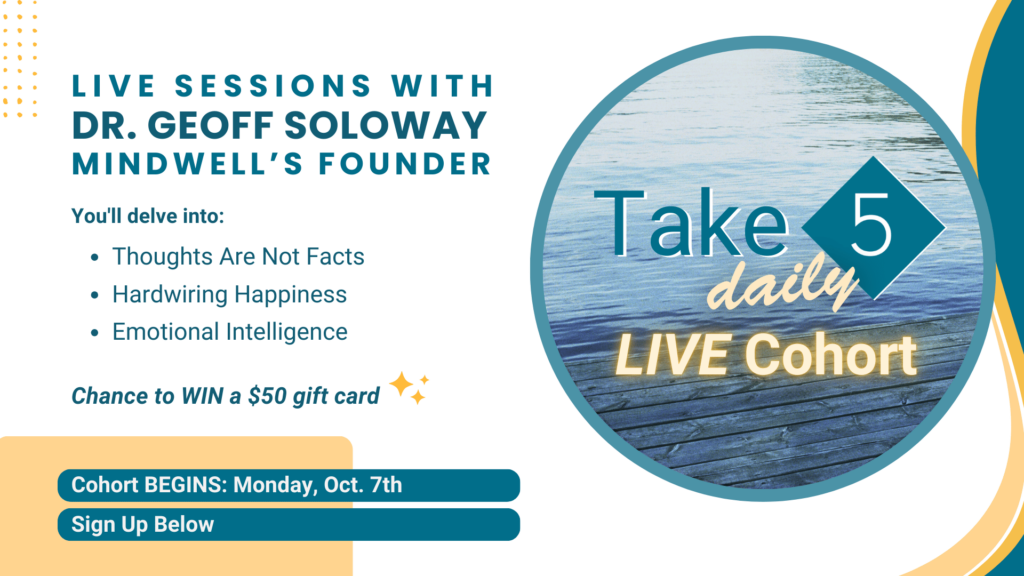
In addition to the September programs, you are encouraged to review the Emotional Intelligence module of the Take 5 Daily training.

Modern Mindfulness for a Busy Life (4-Week Program)

Like exercising a muscle, practicing mindfulness can help us to respond more calmly and thoughtfully to life’s ups and downs, and we can get better at it through meditation.

Join Makeda for this three-part beginner’s meditation series to learn: 

  • How to develop a lasting meditation practice that strengthens your mindfulness muscle
  • A variety of meditation techniques you can use to create your own personalized practice
  • Simple strategies to overcome common obstacles and make meditation a sustainable habit

Program beings Thursday, September 19th from 12:00pm CST. Register here!

Breathing to be Present

East Asian woman in a flower field with her head tilted upwards, eyes closed, taking a deep breath.

We breathe without thinking, but can we breathe with awareness? 

Being in tune with our breathing can make us more present, and aware of what’s going on inside the mind/body.

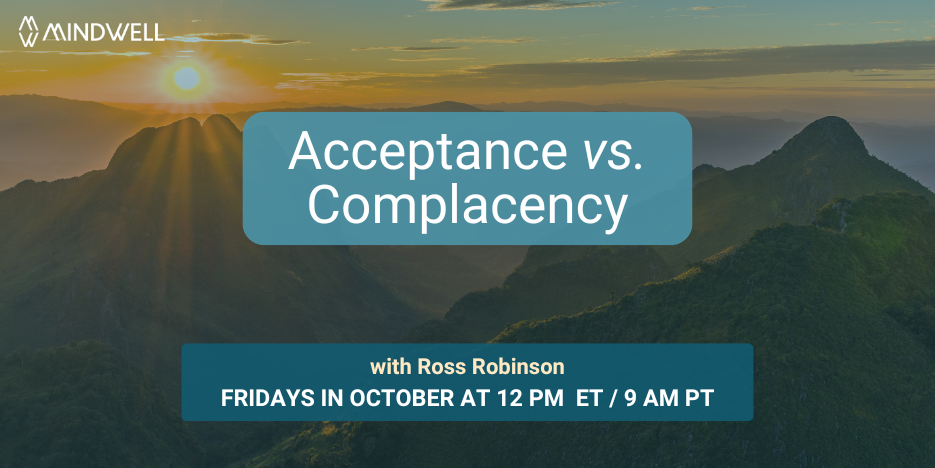
Join Ross each Friday to explore mindful breathing practices that enhance your well-being. Learn to be present, connect with your inner world, and find greater calm.  

Fridays at 11:00am CST. Register here!

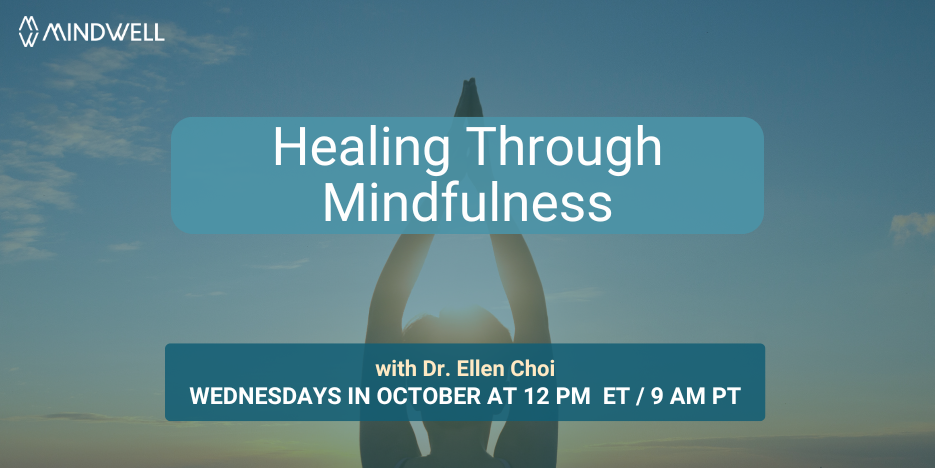
Discover Lasting Joy

Person standing on the top of a mountain with a sunrise in the background. Person has their hands stretched upwards above their head.

Life has its ups and downs, and it is normal to feel overwhelmed by emotions. 

Join Dr. Ellen to explore how to navigate your emotions effectively, let go of negativity, and cultivate a lasting sense of joy. Discover powerful tools to manage your emotional landscape and choose happiness.

Wednesday at 12:00pm CST. Register here!

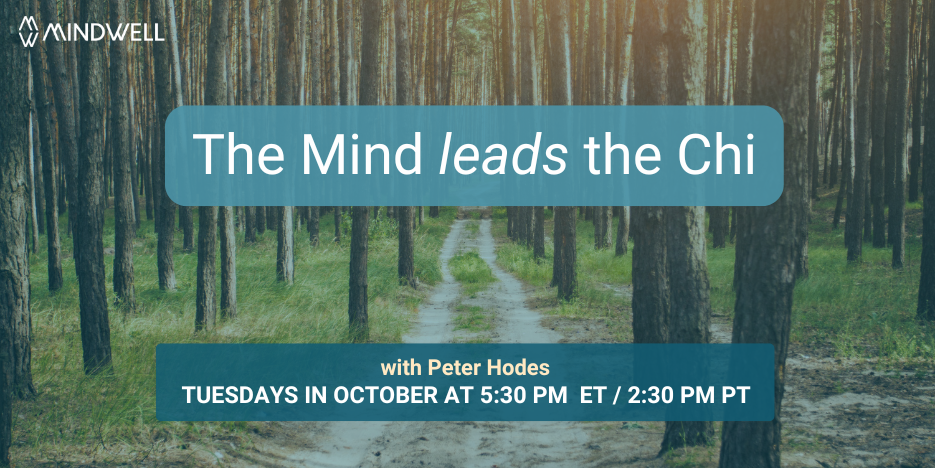
Tai Chi: Rewire Your Mind for Inner Peace

A background with green leaves on small stems.

Did you know that by doing Tai Chi regularly, we rewrite the ‘software’ in our minds?

Tai Chi offers more than graceful movements. This practice can help rewrite the way you respond to stress, promoting emotional stability and inner peace. Join Peter and discover the mind-body benefits of Tai Chi!

Tuesdays at 4:30pm CST. Register here!

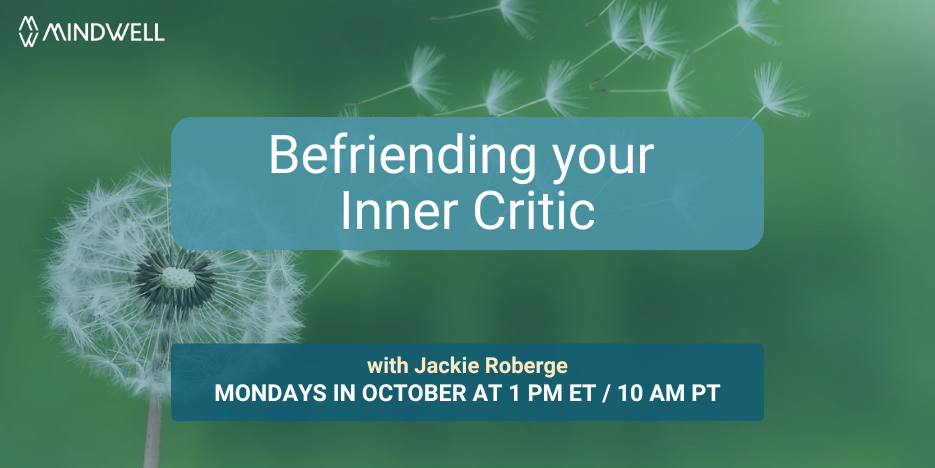
Build Your Emotional Intelligence

A close up of a droplet of water dropping from a leaf above onto a small daisy flower.

Emotions aren’t good or bad; they are personal messages. How we receive them is part of our Emotional Intelligence.

Join Jackie to explore the benefits of developing your EQ and unlock its power in your life. Learn what holds people back and cultivate practical strategies to build your EQ for greater self-awareness and stronger relationships.

Mondays 11:30am CST in French and 12:00pm CST in English.

Community Resource Collection

August 21, 2024

Welcome to the Campus Well-Being community resources page! Here you will find community health, crisis, counselling, and mental health resources. If you have any questions about the resources, please reach out to your Campus Mental Health Specialist Fizza Rashid.

Crisis Resources

Organization Services
Coordinated Access System (Naatamooskakowin) Resource for people who experience homelessness and face barriers to finding a place. 
Crisis Response Centre Mental health service that offers a unique combination of walk–in, outreach and scheduled crisis services for adults.
Crisis Stabilization Unit Short-term, community-based supportive care and treatment for individuals in psychiatric or psychosocial crisis who may be at risk of hospitalization. 
Hope for Wellness Help Line 1-855-242-3310 Immediate, 24/7 crisis support to all Indigenous people across Canada.
Kids Help Phone 24/7 e-mental health service offering free, multilingual and confidential support to help all young people
Manitoba Assocation of Women’s Shelters Collective association of 11 interpersonal and family violence shelters.
Manitoba Crisis, Support & Distress Lines 24/7 confidential support lines for those struggling or in a crisis.
Manitoba Domestic Violence Information/Crisis Line 1-877-977-0007 Information line for anyone experiencing domestic violence or if you suspect someone is experiencing domestic violence.
Sexual Assault Crisis Line 1-888-292-7565 24/7 line. Call if you or someone you know has experienced sexual assault.
Willow Place Crisis Line Family violence prevention support line.

Counselling Resources

Organization Services
Alneau Renewal Centre 204-987-7090 – Provide bilingual therapy to individuals, couples, and families. Sliding scale options.
Aurora Family Therapy Centre 204-786-9251 – Individual, family, relationship and group therapy. Sliding scale options.
Family Dynamics 204-947-1401 – Individual, family, and group therapy. Sliding scale options.
Heartwood Healing Centre204-783-5460 – Free individual short-term or long-term counselling for individuals who have experienced childhood sexual assault.
Jewish Child and Family Services 204-477-7430 – Individual, couple and family therapy. Therapeutic support groups. Sliding scale options.
Klinic Community Health Counselling 204-784-4059 – Individual, couple, family and group therapy to adults wanting to address the impact of traumatic experiences.
Rainbow Resource Centre 204-474-0212 Support for the 2SLGBTQ+ community in the form of counselling, education, and programming.
Thrive Resource Centre204-772-9091 – Free counselling for individuals with low-income.
Women’s Health Clinic Counselling 204-947-2422 ext. 204 – Free appointment-based counselling for girls, women, Two-Spirit, trans, non-binary, and gender nonconforming people.

We encourage you to complete an intake as wait times can vary from a few weeks to a few months.

Mental Health Resources

Organization Services
Addiction Foundation Manitoba 204-981-6691 – Range of services and supports relating to alcohol, substance use, and problem gambling. In house and community-based services.
Anxiety Disorders Association of Manitoba 204-925-0600 – Offers self-help for all Manitobans affected by anxiety disorders. Cognitive Behavioral Programs and ongoing peer support groups.
BIPOC Mental Health Worker ListList of Black, Indigenous, and Person of Color Identifying Counsellors, Therapists, and Mental Health workers.
Bounce BackFree mental health coaching program designed to help adults and youth 13+ manage low mood, mild to moderate depression, anxiety, stress or worry.
Bruce Oake Recovery Centre 1-866-612-6253 – 50-bed, nonprofit residential treatment program that offers long-term live-in and community-based services to individuals seeking recovery from substance use disorder.
Canadian Mental Health Association Resource Guide204-775-6442 – CMHA database for a variety of resources. You can call or browse online.
Cognitive Behavioral Therapy with Mindfulness (CBTm)Free education program designed to help build your skill set and improve your mental wellness.
Indigenous Women’s Healing Centre Centre that embraces Indigenous traditional values and cultures in order to heal the generational scars of colonialism and residential schools. 
Ma Mawi Wi Chi Itata Centre 204-925-0300 – Offers a variety of programs including Community Care, Youth Development, Indigenous Knowledge, and Caring for our Relatives.
Mood Disorder Assocation of Manitoba1-800-263-1460 – Nonprofit, self-help organization dedicated to providing support, education and advocacy for people living with mental illness.
Peer Connections Manitoba  1-800-263-5545 – Formerly known as the Manitoba Schizophrenia Society. A charitable non-profit organization that connects individuals facing similar experiences and challenges, through programs, workshops, and support groups.
Sara Riel 1-833-718-4678 – Community-based supports for persons who experience mental illness or mental health challenges.
YMCA-YWCA of WinnipegOffers an adult mental health Learning and Leisure program for adults (18+) who live with mental illness, are now in recovery and are working toward personal mental health goals.

Health Resources

OrganizationServices
Family Doctor Finder 1-866-690-8260 – helps to connect Manitobans to a primary care provider (family doctor or nurse practitioner).
Klinic Community Health 204-784-4090 – Provides a full range of health-related services from medical care to counselling and education. 
Mount Carmel – Community Health 204-582-2311 – Access to a well-rounded range of services to help prevent, diagnose, and treat the health concerns.
Nine Circles Community Health Centre 1-888-315-9257 – Provides supportive and non-judgmental care and treatment. Team includes family physicians, primary care nurses and more.
NorWest Co-op Community Health 204-938-5900 – Provides individual and family medical care, health promotion, client education, disease prevention, and more.
Our Own Health Centre204-691-1600 – A medical clinic which specializes in care for the 2SLGBTQ+ community.
Sexual Education Resource Centre 204-982-7800 – A community-based, non-profit, pro-choice organization dedicated to promoting sexual health through education.
Trans Health ClinicProvides transitioning care to transgender and gender diverse individuals 16 years of age and older.
Walk-in Connected Care  1-888-315-9257 – Clinic available to the general public on a walk-in basis to meet unexpected health care needs during times when it is difficult to see your regular care provider. 
Women’s Health Clinic 1-866-947-1517 – An inclusive, feminist community health clinic that offers client-centered support through services and education.
WRHA – Indigenous Spiritual & Cultural Care Provider 1-877-940-8880 – A service that gives Indigenous and non-Indigenous people the opportunity to seek healing using a traditional healing approach. The clinic is located at Health Sciences Centre and is open two days per month.

August Exercise of the Month

August 16, 2024

Explore our August Exercise of the Month: the Goblet Squat. This functional exercise builds muscular strength in the legs, glutes, core, and back, while also developing cardiovascular endurance and increasing mobility in the lower body. It’s an excellent movement for both beginners and seasoned fitness pros and can be done almost anywhere, whether at home or in one of our Fitness Centres!

How To Do It

You can easily incorporate this exercise into your routine by adding it to a warm-up or your current workout program. All you’ll need is a free weight (such as a dumbbell, kettlebell, or a weighted object you have at home) and enough space to stand and bend down comfortably. Here’s how to perform it:

A person in all black is standing in a fitness centre holding a dumbbell at their chest with both hands.

1. Start with your feet planted, hip-width apart or slightly wider. Your toes should be slightly angled outward.

2. Hold the weight at your chest, gripping it with both hands (as if you’re holding a goblet). To modify this exercise, try performing it without a weight.

3. Bend your elbows so the weight is positioned in line with the middle of your chest.


4. Press your hips back and bend your knees to perform a squat. Keep your shoulders back, chest lifted, and head looking forward. Maintain your weight in your heels and ensure your knees are in line with your feet (think of pushing your knees outward to prevent them from caving in). The weight should stay close to your chest throughout the movement.

5. Press through your heels as you exhale and return to a standing position. Repeat this exercise 8-12 times for 3-4 rounds, or adjust the number of repetitions to match your skill level.

 A person in all black is in the fitness centre performing a squat while holding a dumbbell at their chest.


Benefits of This Exercise

Some potential benefits of Goblet Squats include:

  • It’s Beginner-Friendly: Goblet squats are excellent for beginners because they promote proper squat form by encouraging a more upright torso and balanced weight distribution. The use of a free weight also helps improve core strength and stability, making the exercise accessible and effective for building foundational strength.
  • Increases Flexibility: The deep squat position of goblet squats helps improve flexibility in the hips, knees, and ankles, which is beneficial for overall mobility and functional movement.
  • Enhances Core Strength: Holding a weight in front of the body forces the core to engage actively for stability, strengthening abdominal and lower back muscles.
  • Reduces Risk of Injury: By promoting proper squat form and alignment with the front-loaded weight, goblet squats help maintain an upright torso and proper knee tracking, which minimizes strain on the lower back and knees and reduces the likelihood of injury.
  • Builds Lower Body Strength: This exercise effectively targets the quadriceps, hamstrings, and glutes, helping to build foundational strength in the lower body that supports various physical activities.
  • Improves Posture: Goblet squats help strengthen the muscles of the upper back and core while encouraging an upright torso, which can enhance overall posture and help counteract the effects of prolonged sitting or poor posture habits.

Try it Today!

When performing this exercise, it’s important to listen to your body — go at a pace and use a weight that feels appropriate for your fitness level. Challenge yourself by trying this exercise on its own or incorporating it into your next workout!

SOURCES:

The Goblet Squat Exercise: How To, Benefits, Variations – Muscle & Fitness (muscleandfitness.com)

How to Do a Goblet Squat: Techniques and Benefits (verywellfit.com)

Goblet Squat: Benefits, How-To, Mistakes to Avoid, Alternatives (healthline.com)

Preparing for a New Academic Year: A Guide from your Campus Mental Health Specialist

August 14, 2024

South Asian woman with dark medium length hair, smiling.
Fizza Rashid (she/her) – Campus Mental Health Specialist

As summer winds down and anticipation of the new academic year sets in, it’s normal to feel a mix of emotions like excitement and anxiety. Whether you are a returning student or just starting your journey, preparing for a new academic year can be exhilarating and daunting.

As your Campus Mental Health Specialist, I am here to offer some guidance on how you can navigate this transition smoothly, prioritizing your mental health and well-being along the way!  

Set Realistic Goals

Start your academic year by setting achievable goals. These goals can be academic, personal, or social. Break them down into manageable steps and celebrate your progress, even the small achievements! A tip to consider is following the SMART goal acronym.  

A hand writing in pencil on a piece of lined paper.

Specific: the goal should be clear and specific. Answer the questions: Who? What? Where? When? Why? 

Measurable: the goal should be quantifiable, allowing you to track your progress.  

Achievable: the goal should be realistic and attainable, considering your current constraints and resources.  

Relevant: The goal should align with your objectives and be meaningful to you and your growth. 

Time-bound: the goal should have a clear timeframe, creating a sense of urgency and allowing for progress.  

Example of a SMART Goal

“I will improve my public speaking skills by participating in three presentations this year.” 

  • Specific: I will actively volunteer to present in my communications class and join a campus club that focuses on public speaking. 
  • Measurable: I will participate in three presentations and seek feedback from my instructor and peers to track my progress.  
  • Achievable: I will prepare by practicing my presentations with friends and using online resources to refine my speaking skills.  
  • Relevant: Enhancing my public speaking skills is important for my future career in business management. 
  • Time-bound: I will achieve this by the end of the current semester which is in 4 months. 

Establish a Routine and Stick to it

A consistent routine can provide stability and structure. This is crucial for maintaining well-being. Try to plan your daily schedule while balancing school, work, and personal activities and commitments. Don’t forget to make time for relaxation and self-care. Adequate rest is essential for cognitive function and emotional resilience. 

Stay Organized and Manage Your Time 

An open calendar with short notes scribbled next to the dates.
Image from Wikimedia Commons

Keeping track of your assignments, deadlines and other responsibilities is one step that can help reduce anxiety. I would encourage the use of planners – physical or digital, calendars or organizational apps to ensure that you are on track. Prioritize your workload and break down larger projects into smaller, manageable tasks. This will prevent you from cramming and burning out near the end of your term. Building these skills now, will prove invaluable in future careers as well! 

Create a Support Network

Friends sitting on a couch playing video games and eating snacks.
Image by Yan Krukau

Building a support network is essential during your journey. I would encourage you to attend orientation, learn about different clubs and events on campus and subscribe to your college’s social media accounts to stay up to date about opportunities to connect with others. Maintaining connections with your family and friends is not just a protective factor to combat homesickness, but essential for your mental health, personal, and academic growth. Establishing a sense of community can help alleviate feelings of isolation, help ground you, motivate you, and provide safety during challenging times.  

Get to Know Your Instructors 

Developing a positive relationship with your instructors during your post-secondary journey is valuable to your academic and personal growth! Instructors may act as mentors, academic support, or as a reference for a future career opportunity. By introducing yourself and engaging in conversations with your instructors, can help you gain insight into your industry and network of professionals in your field of study. Overall, this can also reduce your stress levels and provide an enriching experience for you.

Learn to Manage Stress 

Stress is a normal and common part of student life. Learning how to manage stress effectively will help you throughout your journey here at RRC Polytechnic. You can do this by practicing stress-reducing techniques such as mindfulness, deep breathing, and yoga. Find what works best for you and be sure to incorporate it into your routine. Remember, if you feel overwhelmed, it’s okay to seek professional help.  

Balance Academic, Work and Personal Life 

Stressed woman with her hands in her head working on a laptop.
Image from www.schoolsthatlead.org

Maintaining a balance within the different aspects of your life is crucial for overall well-being. Even though you are going to school and working, be sure to allocate time for hobbies, socializing, and self-care. It’s essential to take breaks to avoid burnout. Schedule this downtime just like you would any class or shift. I would also encourage you to maintain boundaries in between these aspects of your life. For example, do not constantly check your academic emails while trying to relax.

Practice Self-Compassion 

Someone holding another person's hands.
Image by Matheus Ferrero

Be kind to yourself. Recognize that it’s okay to make mistakes and face setbacks i.e. not getting the grade you had hoped for. We are human and it’s normal for us to make mistakes; that’s how life ebbs and flows and also how we learn. Treat yourself with the same compassion you would offer a friend. Acknowledge your efforts and celebrate your achievements, no matter how small they seem.  

Stay Active 

Physical and mental health and well-being go hand in hand. Incorporating physical activity into your routine is important and has many benefits, not only physically but emotionally as well. You can pay sports, come to the Fitness Centre on campus, join a fitness class, or simply go on a walk outside.  

Reach Out for Help 

It’s normal to struggle throughout your journey. It may feel isolating and as if no one else can relate, but please know you are not alone. Campus resources are available to support you. Asking for help is not a sign of weakness, it is a sign of strength. To recognize that you are struggling and need help is difficult but a part of growth and healing. If you are curious about what supports are available to you on campus, please email me here!

Embrace your journey! The academic year is filled with opportunities of growth, learning, and self-discovery. Keep an open mind and do your best to be adaptable. Each experience, whether positive or challenging, will contribute to your development and resilience. As you embark on this new academic year, prioritize your mental health and well-being. Remember, your journey is not all about academic success, but also finding balance and joy in your journey. Here’s to a fulfilling and rewarding year ahead! 

August 2024 MindWell Programs

August 1, 2024

A dock on water at sunset with the MindWell logo.

This August, MindWell offers a variety of programs to help all students and staff stay active and enhance their physical health. These programs include:

  • Unlock Better Sleep
  • Tiny Habits for Daily Activity
  • Beyond “Tasting the Bitter”: Embrace Movement
  • Nourish Body & Mind

In addition, MindWell for Leaders is back, focused on helping leaders unlock their full potential and guide their teams to success. 

If you do not have an account, sign up here for free!

MindWell for Leaders

Smooth stones arranged in a row on a beach.

Learn to thrive as a leader with MindWell’s Leaders Cohort focused on helping you perform your best as a leader, help you achieve your goals, and avoid burnout.

Leaders will learn how to: 

  • Lead with Empathy: Build stronger relationships with your team
  • Thrive in Tough Talks: Navigate difficult conversations with confidence
  • Give Powerful Feedback: Motivate and empower your team members
  • Notice Signs of Struggle: Support your team’s well-being

The cohort begins Monday, August 19th and live sessions begin Thursday, August 22nd.

Register here!

Unlock Better Sleep

A crescent moon and a colorful blue and pink sky at dusk or dawn.

Discover science-backed techniques to fall asleep faster, stay asleep longer, and wake up feeling refreshed. 

In this class, Ross will guide you through practical sleep hygiene habits you can easily incorporate into your routine.

Fridays at 11:00am CST. Register here!

Tiny Habits for Daily Activity

Tall and slender trees swaying in the wind against a blue sky.

Sitting for long hours has an impact on your mind and body. Join Dr. Ellen to discover how incorporating micro-movements throughout your workday can improve your energy, focus, and overall well-being.

Learn simple stretches, posture adjustments, and other “mini-breaks” you can easily integrate into your routine.

Wednesdays in August at 11:00am CST. Register here!

Beyond “Tasting the Bitter” Embrace Movement

Pink and yellow flowers blooming against a clear blue sky.

Starting a new movement practice can bring unfamiliar sensations. In Tai Chi, some call this initial feeling “Tasting the Bitter.” 

This class explores how to navigate these sensations and discover the joy of movement. Learn basic Tai Chi principles to build strength, improve flexibility, and cultivate a healthy exercise routine.

Tuesdays at 4:30pm CST. Register here!

Mindful Earing: Nourish Body & Mind

A close up of a humming bird feeding on colorful flowers.

Ever wonder how your thoughts and feelings about food impact your health? 

This class with Jackie explores the power of body awareness and mindful eating. Learn to reconnect with your body’s hunger cues, make conscious food choices, and develop a healthier relationship with food.

Mondays

English: 12:00pm CST – register here!

French: 11:30am CST – register here!

Coping with Isolation

July 23, 2024

A woman sitting alone on stone steps near the water, looking down at her phone.
Image by – pxhere.com

It’s common to struggle with feelings of isolation during your academic journey. Whether you are new to campus, far from home, or struggling to find your footing, it’s important to recognize that you are not alone in these feelings. Isolation can have a significant impact on your mental health. This blog will outline some effective strategies to help you cope and thrive! 

Understanding Isolation

First, let’s understand isolation. Isolation is a state of loneliness, where you feel devoid of support, friends, or assistance. While isolation can be distressing and negatively impact your quality of life, it can also become a habitual and comfortable state, making it challenging to escape. However, it’s crucial for your mental, emotional, and physical well-being to learn how to break free from this cycle. You don’t have to accept isolation as your default lifestyle; there are ways to reconnect and improve your overall health.

Isolation isn’t necessarily a measure of how many hours we spend alone or how many friends or connections we have. It’s possible for someone to be and feel isolated even when they are in the presence of other people. Below are some of the ways that isolation can manifest for different people:

  • Physical Isolation can happen when someone lives in a remote area or otherwise has limited interactions with people in their home life and throughout their days.  
  • Emotional Isolation doesn’t always mean being physically alone. It can happen because of neglectful or abusive relationships or when a person isn’t willing or able to invest in emotional connections.  
  • Psychological isolation can be a complicated situation if someone is mentally disconnected from their own identity and personality or their reality and the people around them. 
  • Rejection or ostracization are acts that purposely isolate a person. The experience of social isolation imposed by others likely comes with additional feelings of shame, pain, and other emotional trauma.  
  • A virtual lifestyle is becoming increasingly common as people depend more on connecting with others on the internet. The psychological impact of virtual interactions is uncertain, but they can definitely lack important aspects of human communication and relationship. 

Isolation can impact our mental health in many ways. Studies show that the feelings of isolation can be linked to suicide thoughts and attempts, less restful sleep, decreased ability to regulate eating, more stress, and greater difficulty paying attention and doing complex tasks.

What Social Isolation May Look Like

  • Dropping out of social activities or events we used to participate in.  
  • Spending a great deal of time each day alone with little to no contact with other people.  
  • Having no one to turn to when you need help, advice, or just a friendly person to talk to.  
  • Rarely communicating with other people by text, phone, or video call.  
  • Lack of meaningful, close, intimate connections with other people.  
  • Feeling lethargic, sad, or rejected. 

The Impact of COVID-19 on Student Isolation

The COVID-19 pandemic was a profoundly stressful global event that significantly increased isolation. Social distancing measures, quarantines, and shifting to remote school environments left many individuals cut off from their usual social connections and support systems. The abrupt transition to online learning created a strong sense of disconnection for students across North America, and the in-person support systems typically available to university and college students largely disappeared. 

In 2022, the Mental Health Commission of Canada (MHCC), in partnership with the Canadian Alliance of Student Associations (CASA), conducted a study on student mental health two years into the pandemic called “The New Abnormal“. This study reported that 74% of students reported that the pandemic worsened their existing mental health struggles, and 61% reported that it created new mental health challenges. Other studies have shown that the rise of mental health issues includes depression, anxiety, PTSD, and heightened feelings of loneliness and isolation. 

Coping with Isolation

It’s important to recognize when you struggle with isolation. Noticing the signs mentioned above is the first step to develop healthy coping skills. Here is what you can do if you are experiencing isolation:

  • Acknowledge your feelings: Sometimes, it seems easier to ignore your feelings when you’re struggling, especially when it feels like you have no one to talk to. Take some time to acknowledge that things are hard. If you need to, reach out to community resources or personal support. 
  • Get outside: Being outdoors is beneficial to your mental and physical health. Natural light can help boost your mood, and the vitamin D in sunlight can ease symptoms of depression. For more information about the benefits of sunlight, check out “The Healing Power of Sunshine”.
  • Reconnect with your interests: If you have more time for yourself, consider what solo hobbies you used to enjoy or always wanted to take up. Pursuing a new hobby can redirect your mind and give you something positive to think about.  
  • Practice self-care: It’s essential to counteract the stress response caused by social isolation. Stress can cause problems with your breathing, blood pressure, muscles, and more. Take the time to relax in a way that works for you!  
  • Check in with people you know: When you’ve been feeling isolated, it’s easy to think that people are doing fine without you. It’s a common self-fulfilling prophecy brought on by loneliness, and it’s usually not true. Instead, challenge your assumptions and reach out. You may find that your friends and acquaintances need you just as much as you need them. 

Reflections

Coping with isolation is an essential aspect of maintaining your mental health during your academic journey. It’s normal to experience loneliness, but it’s also important to recognize that you have some power to change your situation. By understanding the different ways isolation can manifest and acknowledging its impact on your well-being, you can take proactive steps to cope with these feelings. Remember, you are not alone, and seeking support is a crucial part of the process. Don’t forget there are free resources available to you on campus! 

Sources

WebMD

Brightquest

Health risks associated with social isolation in general and in young, middle and old age

Loneliness and Social Isolation During the COVID-19 Pandemic

Implications of COVID-19 on Post-Secondary Students’ Mental Health: A review

The New Abnormal: Student Mental Health Two Years Into COVID-19

July Stretch of the Month

July 12, 2024

Young woman in an RRC shirt smiles while performing a seated upper trap stretch in The Loft Fitness Centre.

Explore our July Stretch of the Month: The Seated Upper Trap Stretch, designed to melt away tension in your neck and upper back. Perfect for students and staff alike, this stretch addresses tightness often exacerbated by desk work, computer use, and stress.

How to do it

You can easily incorporate this stretch into your daily routine, whether at home, work, or the gym. Here’s how to perform it:

1. Sit tall on the edge of a chair, bench, or couch with both feet flat on the ground.

2. Place one hand under your glute with the palm facing up.

3. Use your other hand to gently guide your head to the opposite side, aiming to bring your ear towards your shoulder.

4. Hold this position for 30 seconds to 1 minute to experience a deep stretch from your neck into your upper back. Repeat on the other side and throughout the day as needed.

For a variation, adjust your chin position by dropping it towards your shoulder to target different areas of the trapezius muscle. This adjustment can provide additional relief depending on where you feel the most tightness and discomfort.

Benefits of This Stretch

Some potential benefits of stretching the upper trapezius muscles include:

  • Improved range of motion in the shoulders, neck and upper back
  • Reduced pain, tension and discomfort
  • Reduced risk of shoulder, neck or back injuries
  • Improved posture

Try it Today!

When performing this stretch it’s important to listen to your body—stretching should feel pleasant and relieving, never painful. Embrace this stretch to enhance your well-being and enjoy the benefits of a more relaxed upper body.

SOURCES:

Upper Trap Stretches | Top 6 Ways To Loosen Tight Trapezius Muscles (releasemuscletherapy.com)

Step-by step guide to the upper trap stretch exercise (physitrack.com)

Trapezius Stretches: Loosen Tight Traps – Shoulder Pain Explained (shoulder-pain-explained.com)

July 2024 Mindwell Programs

June 27, 2024

A calm water scene with a wooden dock, creating a peaceful and serene background. White text reads, "I'm learning to be more in tune with how I'm feeling in the moment. I suffer from social anxiety and the Take 5 training has taught me that emotions are neither good nor bad; they are just personal messages. This has helped me lessen my feelings of anxiety in social settings." Mindwell take 5 daily participant.

Did you know that strong social connections can lead to happier, healthier, and more productive people?

Unfortunately, technology, the pandemic, and remote work/learning have all contributed to decreased social interaction, impacting not only mental health but also communication skills. This can create a cycle of isolation, making building connections even harder.

This July, Mindwell offers a series of programs focused on Social Health!

To sign up for Mindwell for free, click here!

Summer Socials: Cooking for Fun & Connection

Colorful vegetable skewers  on a plate and two ramekins with sauces.

Elevate your summer gatherings with Mindful Cooking!

In this unique 4-week series, Chef Kristin will walk you through delicious, shareable dishes for picnics, potlucks, and patios. 

Learn plant-based options, creative twists, and easy techniques to impress your friends and family. Each week focuses on a specific social occasion with a crowd-pleasing recipe.

  • Plan memorable picnics & potlucks
  • Discover tasty shareable dishes
  • Create your own patio restaurant experience 
  • Cook new recipes for loved ones

Thursdays at 12:00pm CST. 30 Minute weekly sessions begin Thursday July 4th. Register here!

Getting Better at Having Tough Conversations

A serene ocean scene at sunset, with soft pastel colors in the sky reflecting on the calm water.

Tough conversations can be difficult to have, especially when emotions run high.

Join Ross to learn practical skills to express yourself clearly, listen deeply, and set healthy boundaries, all while reducing emotional tension. You will also explore mindfulness techniques to enhance your communication effectiveness.

Fridays at 11:00am CST. Register here!

Cultivate Deeper Conversations

A lush, green forest landscape with a winding river cutting through the trees, set against a backdrop of rolling hills

Ready to connect on a deeper level with others? Join Dr. Ellen to explore mindfulness practices that can help you move from small talk to meaningful conversations. 

Learn how to be present, listen actively, and foster genuine connection.

Wednesdays at 11:00am CST. Register here!

Tai Chi: The Power of Learning Together

A grassy outdoor area with a group of people practicing Tai Chi, each person focused on their movements.

Schooling was one of the first communities we experienced. Tai Chi offers a similar experience – a supportive community and a practice that grows with you.

Join Peter every Tuesday for beginner-friendly Tai Chi classes, learn at your own pace, and experience its unique benefits.

Tuesdays at 4:30pm CST. Register here!

The Role and Benefits of Community

A spacious park with green grass, trees, and a small building in the distance under a bright blue sky with fluffy white clouds.

Strong communities provide joy, support, and a sense of belonging. 

Join Jackie as we explore the different types of communities you might be drawn to and the positive impact getting involved can have on your life.

Mondays

Classes in French: 11:30am CST – Register here!

Classes in English 12:00pm CST – Register here!

The Healing Power of Sunshine

June 25, 2024

people smiling while gardening outside a greenhouse with the sun shining down on them.

In our fast-paced, technologically driven world, it’s easy to overlook the simple, yet profound benefits of spending time in the sun. Sunshine is more than just a source of light, it’s a powerful natural resource that offers a multitude of benefits. Research shows that sunshine supports the human body in many ways, including immune health, brain activity and emotional well-being among many other things!

Additionally, whether you are a newcomer to Winnipeg or a long-time resident, you’re well aware of the prolonged winters we endure with the cold, snow and limited sunlight often keeping us indoors. Now that it’s summer, let’s take full advantage of the extended daylight hours and bask in all the benefits that sunshine has to offer!

Vitamin D – The Sunshine Vitamin

The best-known benefit of sunlight is its ability to boost the body’s vitamin D supply. The Canadian Health Measures Survey, which collected samples from 10,761 people nationwide from January 2016 to December 2019, found that approximately 26% of Canadians had inadequate levels of vitamin D, and almost 8% were considered deficient (Government of Canada, Statistics Canada, 2023).

I’m sure you have heard about how beneficial vitamin D is for us, but have you ever wondered what it is and what it actually does? Vitamin D is synthesized in our skin in response to sunlight. This essential nutrient plays a crucial role in maintaining healthy bones and teeth, supporting our immune system, brain and nervous system, and regulating insulin levels.

One of the most significant benefits of vitamin D is its role in calcium absorption. Adequate levels of vitamin D ensures that our bodies can effectively absorb calcium, promoting strong and healthy bones. Without sufficient vitamin D, we are at a higher risk of developing conditions like osteoporosis and fractures.

Additionally, vitamin D is vital for a well-functioning immune system. It enhances pathogen-fighting effects of white blood cells that are important parts of our immune defense and decreases inflammation. A robust immune system is our first line of defense against infections and diseases, making vitamin D an essential component of overall health.

Sunshine and Sleep

“Every single human, just as soon as possible after waking up, should go outside and get at least 15 minutes of direct natural light. Period.” – Michael Bews, PhD

Picture of a dandelion with sunshine shining in the background.
Image by Elean Hell

Exposure to natural light plays a crucial role in regulating our circadian rhythms, the internal clock that governs our sleep-wake cycle. The blue light emitted by the sun helps to synchronize this internal clock, ensuring that we feel awake during the day and sleepy at night. Early morning sunlight in particular seems to help people get to sleep at night. Spending time in the sun in the morning helps to increase the production of melatonin, the hormone responsible for regulating sleep. Melatonin production is triggered by darkness, so getting ample sunlight during the day helps ensure that melatonin levels rise in the evening, promoting restful sleep.

Improved sleep quality has a cascade of positive impacts on our health. It enhances cognitive function, mood, and overall energy levels, making us more productive and better equipped to handle the stresses of daily life. Furthermore, exposing yourself to light for its health and sleep benefits is called light therapy. Natural sunlight is the most potent form of light therapy, but light boxes that emit artificial light can be helpful for those unable to get outside in direct sunlight each morning. If you’re interested in trying light therapy, you can borrow a therapy lamp on campus here!

Sunshine and Emotional Well-Being

Sunshine also has a profound impact on our emotional well-being. Exposure to sunlight increases the brain’s release of a hormone called serotonin. Serotonin is associated with boosting mood and helping a person feel calm and focused. Low levels of serotonin are linked to an increased risk of major depression with a seasonal pattern (formerly known as seasonal affective disorder or SAD).

Regular exposure to sunlight can alleviate the symptoms of depression and anxiety, leading to improved mood and overall emotional health. It’s no coincidence that we often feel happier and more energetic on sunny days. The warmth and light of the sun can have immediate uplifting effect, helping to reduce stress and promote relaxation.

Practical Tips for Safe Sun Exposure

A hat and sunglasses
Image from – pickpik.com

While the benefits of sunshine are undeniable, it’s important to enjoy it safely. Here are some tips to help you make the most of your time in the sun:

  1. Limit exposure: aim for about 10-30 minutes of midday sun exposure several times a week. This varies depending on your skin type and climate you live in.
  2. Use sunscreen: protect your skin by applying a broad-spectrum sunscreen with at least SPF 30 if you plan to be outside for an extended period. Don’t forget to reapply! You can also protect your lips with lip balm with at least SPF 15.
  3. Wear protective clothing. A hat, sunglasses, and long sleeves can help protect your skin from harmful UV rays.
  4. Seek shade: when appropriate, seek shade. Remember that sun rays are strongest between 10a.m. and 4p.m.
  5. Stay hydrated: drink plenty of water and electrolytes to stay hydrated!

Let’s Enjoy the Summer!

Sunshine is a natural, free resource that can significantly enhance our physical and emotional health. By boosting vitamin D levels, regulating our sleep cycles and improving our mood, spending time in the sun can lead to a healthier, happier life. So, the next time you see the sun shining, take a moment to step outside and soak up its many benefits. Your body and mind will thank you!

Sources:

Shedding Light on Canada’s Vitamin D Levels As We Approach the Shortest Day of the Year

Vitamin D

Vitamin D and Calcium

How Getting Sunlight in the Morning Can Help You Sleep Better

Get Morning Light, Sleep Better at Night

Foothills Neurology

What are the Benefits of Sunlight on Physical & Mental Health

Sun Safety

The Nutrition Source

State of Mind 2024 Highlights

June 25, 2024

Serene pathway through lush greenery, promoting mental well-being and healthy college strategy.

On May 28, 2024 Campus Well-Being hosted State of Mind – a report back session to Red River College Polytechnic members, highlighting achievements made towards our Healthy Minds Healthy College Strategy.

Interested community members, presenters and guest speakers were joined by several RRC Polytech executives including, President Fred Meier, Chief Human Resource Officer, Melanie Gudmundson and  Executive Director, Student Services and Global Partnerships, Aileen Najduch.

Achievements

Achievements toward the Strategy were broken into seven key components and are as follows:

Institutional Structure: Organization, Planning and Policy

  • A statement about mental health and well-being has been embedded in the course outline template. This message highlights the impact of mental health on academic success and directs students to supports.
  • To engage the community in planning and policy efforts, the HMHC Advisory Group, comprised of 12 students, faculty, and staff, meet bi-monthly, providing thoughtful critiques and formulating ideas for the Strategy.

Promoting Well-Being Through Supportive and Inclusive Campus Climate

  • Supportive Employment Guidelines have been launched along with education sessions for leaders.
  • RRC Polytech’s Strategic Plan has committed to embedding Equity, Diversity, and Inclusion in all we to.
  • The Anti-Racism Action Committee and the Gender and Sexual Diversity Group have advanced EDI efforts through a wide array of initiatives.
  • The Centre for Learning and Program Excellence has done a lot of work on accessible learning, including offering professional development for instructors.
  • An applied research project using digital storytelling led to greater understanding of nursing student mental health and also enhanced empathy amongst faculty.

Mental Health Awareness & Literacy

  • A resource wall was created at Notre Dame Campus. The resources include pamphlets about depression, stress, and anxiety, information about Mindbeacon Cognitive Behavioural Therapy, QR codes for community crisis resources and mental health resources and more! Exchange District Campus will have their own resource wall for fall 2024.
  • Awareness activities have expanded, including:
    • A wide variety of in-class workshop topics.
    • Annual observations of Mental Illness Awareness Week, National Addictions Awareness Week, Bell Let’s Talk Day, and Mental Health Awareness Week.
  • By engaging student volunteers in meaningful service-learning opportunities, the reach and sustainability of awareness activities has increased.
Group of diverse Campus Well-Being student volunteers at the annual appreciation lunch holding their certificates and smiling.
Some of Campus Well-Being’s 2023 student volunteers.

Community Capacity to Respond to Early Indicators of Stress

  • Professional development sessions have been offered to enhance faculty competence to notice students who are struggling, engage with them, and refer to supports.
  • The Behavioral Intervention Team has been redesigned to have a more proactive approach to preventing adverse incidents. The primary focus of the team is to provide support to faculty when a student may be experiencing distress or are perceived to pose a threat to the safety of themselves/other students, faculty, and staff.
  • An Early Assist program launched in 2021. Early Assist has helped ensure that multiple types and levels of support are offered to students who are struggling with non-academic concerns.

Self-Management Competencies

  • Online mindfulness training (Mindwell) continues to be well received by students and employees, helping them develop stress management and coping skills. Some students can even get courcse credit for completing Take 5 Daily, thanks to instructors who have embedded it within their curriculum.
    • Since Mindwell was first offered at RRC Polytech, 2994 students and staff have participated!
  • To promote staff and faculty well-being, our Employee and Family Assistance Program (EFAP) has delivered several lunch and learn webinars on relevant topics.
  • EFAP service improvements over the past few years include:
    • Indigenous-specific tools, including Indigenous Elder/Knowledge Keeper access 
    • Sentio CBT (online, self-guided Cognitive Behavioural Therapy)
    • Busy Family Childcare Resource Locator
    • Life Smart Coaching Services (financial, nutritional and career coaching)
    • An e-library of resources, including 20+ e-courses
  • Enhanced Flex Benefit Plan options provide improved coverage for staff and faculty.

Accessible Mental Health Services

  • Student Counselling Services (SCS) and Student Accessibility Services (SAS) were created by separated their work into two special units, resulting in service improvements.
  • SAS has reviewed, refined and expanded processes to better align with best practices and updates to Accessibility Human Rights Legislation.
  • SCS improvements:
    • Increased Same Day Crisis Service appointments.
    • Providing check-ins or shorter sessions throughout the day for students who are already assigned to a counsellor.
    • Launch of Drop-In Services.
    • Enhanced relationship with International Education to reduce international student barriers to mental health services.
    • Reduced barriers for Indigenous students by offering on-site drop-in hours each Friday.
    • Shortened intake forms to improve student access.

Crisis Management

  • Broad campus training for staff and faculty regarding emergency procedures and crisis response has been implemented.
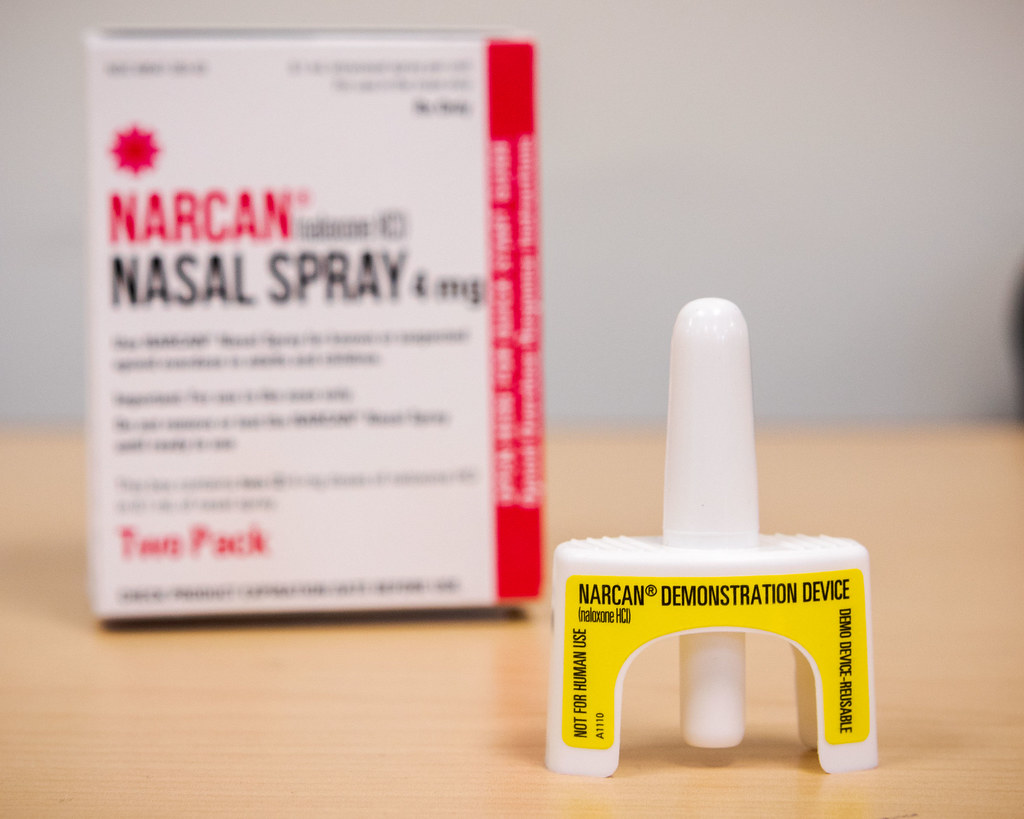
    • These include Active Aggressor Training, Emergency Procedures in Crisis Response, and Nalaxone overdose prevention training.
    • The development of a Mental Health and Well-Being Guide – Supporting Students in Distress.

Students’ Association Involvement

The RRC Polytech Students’ Association has supported the HMHC Strategy both financially and through programming for over a decade.

The RRCSA has:

  • Helped to fund the Mental Health Coordinator’s salary for the first three years of their contract.
  • Committed to the generous donation of $150,000 over the next three years for the Peer Support Program. 
  • Been a staunch supporter of mental health programming, donating over $500 000 in support of mental wellness. 
  • Provided Student Life Events Coordinators to deliver programs and events to engage students.

Special Guests

Kerri Pruden
Angela Swanson
Carolyn Schmidt

Kerri Pruden and Angela Swanson, Early Childhood Development (ECE) Instructors, and Carolyn Schmidt, Communications Instructor shared their contributions. Kerri, Angela, and Carolyn have been implementing strategies to promote well-being in their classrooms. Some of the ways they have been doing this is by organizing sharing circles, enhancing the learning environment with food, fidget items and regular breaks, and by doing wellness check-ins with their students.

On the Horizon

Peer Support Project

To provide RRC Polytech students with accessible, empathic and relatable mental health support, Campus Well-Being is introducing a Peer Support Program. Student recruitment will take place in the fall, training will begin in November 2024 and the program will launch in January 2025.

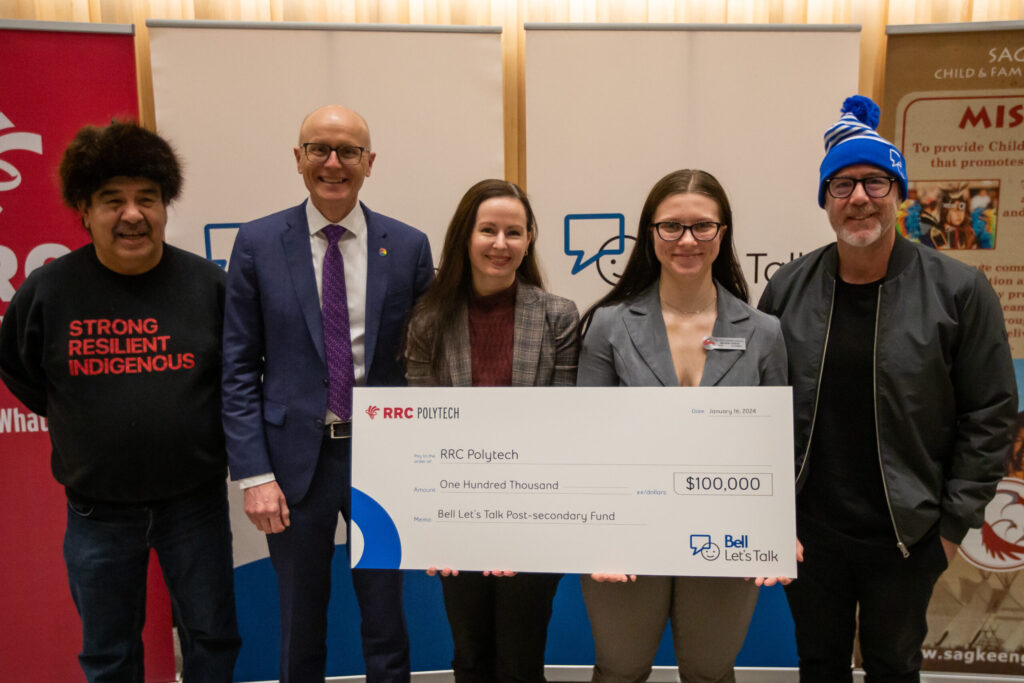
Bell Canada provided $100,000 funding to kickstart the program and the RRCSA provided an additional $50,000/year for a period of three years.

Research and Assessment

To gain insights on how students are doing, we plan to deploy the Canadian Campus Well-Being Survey in the winter of 2025.

A New Roadmap

Since the five year Roadmap is nearing its end, watch for opportunities to contribute to the next plan, which will provide direction for 2026 onwards.

Check out the Recording

Click here to access the recording of State of Mind 2024!

RRC Polytech campuses are located on the lands of the Anishinaabeg, Ininiwak, Anishininwak, Dakota Oyate, and Denésuline, and the National Homeland of the Red River Métis.

We recognize and honour Treaty 3 Territory Shoal Lake 40 First Nation, the source of Winnipeg’s clean drinking water. In addition, we acknowledge Treaty Territories which provide us with access to electricity we use in both our personal and professional lives.