Health Minds Healthy College

Campus Well-Being

Wellness

Stress Better This April

April 13, 2026

Did you know that stress is a natural result of learning and growing? We experience stress when we encounter a challenge or problem to overcome. For students studying for final exams, adapting to a work placement, or completing a final project, there is no avoiding some level of stress this April. But did you know you could stress better?

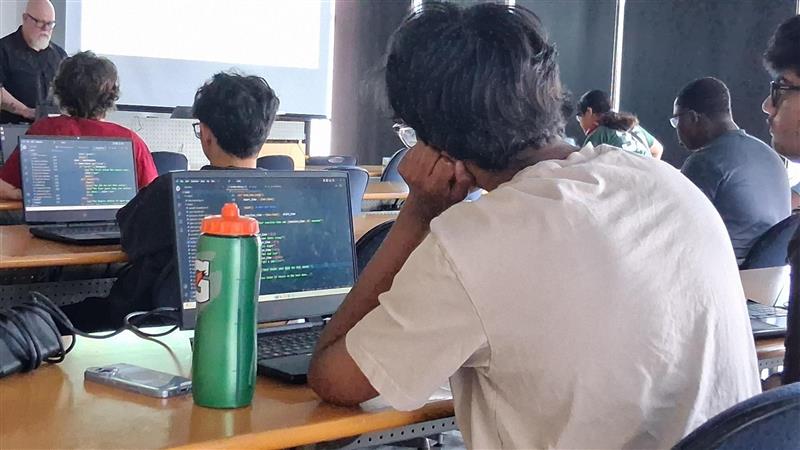
male student in white shirt reading text book with hand on forehead.

Tips to Manage Stress in April

Plan Ahead: Schedule study, work, and break times a head of time to avoid cramming or all night study sessions. Think about setting realistic goals for yourself and break large tasks or topics into smaller chunks.

Take Breaks: Taking breaks helps to prevent cognitive fatigue, reduces stress, and maintains motivation. Think about scheduling active breaks where you go for a walk, lift weights, try yoga, or practice MindWell’s Take 5.

Self Care: It can be easy to forget to take care of yourself during exams. Physical activity, eating nutritious food and keeping hydrated will help to manage stress and exam anxiety. What you need for self care is individual – what works for one person, might not work for someone else. So keep in mind self care can also include actions and activities like breathing exercises, mindfulness, self-compassion, and gratitude practice. MindWell’s On Demand Library is a great place for self-care resources.

Sleep: Students need sleep to help them successfully complete exams and final projects. Sleep helps our brain consolidate information and memories, and enhances recall. Sleep also helps us regulate emotions and reduces stress, which can help improve focus and motivation. For some great tips on how to improve your sleep, watch the presentation from Dr. Elizabeth Hebert.

Try our Stress Better Events: Campus Well-Being invites you to participate in our Stress Better events to reset and refresh.

Follow the links to learn more:

April at MindWell

April 8, 2026

Nearly half of Canadians report losing sleep due to financial concerns (Canada.ca, 2025). Financial stress is more common than we often realize, and it doesn’t just affect our bank accounts. It can drain energy, impact focus, and take a toll on overall well-being.

That’s why this April, MindWell’s programming is centered on practical financial well-being. These sessions are designed to help you build skills and confidence so you can approach money with greater clarity and calm. Sign up for these programs by logging into your MindWell account.

Don’t have a free account yet? Sign up today.

Here’s what’s coming in April:

If your financial goals feel unclear or difficult to act on, this session will help you bring structure and confidence to your next steps. Together, we’ll explore how to turn your ideas into a realistic, supportive roadmap for your financial future.

Tuesday April 14 at 12 pm CST. Register here.

True financial power stems from clarity, not just capital. This month we’ll explore “wealth” as a holistic continuum and balance our bottom line.

Wednesdays at 11 am CST. Register here.

This month, explore the fundamentals of the technique and a few exercises that you can do anywhere at an affordable cost.

Thursdays at 11 am CST. Register Here.

Transform your relationship with money by cultivating presence and reducing financial stress through mindful breathing. Learn to recognize worry patterns, practice gratitude, and make values-aligned financial choices with greater clarity and peace.

Fridays at 11 am CST. Register here.

Before You Bet: Understanding the Risks of Sports Gambling

March 27, 2026

Illustration by Daniel Diosdado

Spring brings us a sense of renewal, hope, and increased energy. We start to look forward to getting outside and enjoying some of our favourite pastimes. But spring also brings us to the season of professional sports playoffs. With higher stakes, increased media attention, and excitement about high profile match ups, more post secondary students are exploring the world of sports betting.

In 2021, Canada legalized single event sports betting and in the three years that followed, across the country gambling on sports events rose tenfold. According to the Canadian Psychological Association, “…one in five people who bet on sports do so every single day…young people are particularly vulnerable and are specifically affected by gambling addictions.” A significant part of the appeal comes from advertising campaigns from an ever growing number of easily accessible online sports betting websites and apps.

The influx of ads along with the ease of sports betting is creating a dramatic rise in young people, specifically males 16-30 years of age, seeking help for gambling related problems. Dopamine, a neurotransmitter associated with the reward system of the brain, surges in high amounts during gambling activities – much like when people use substances like drugs and alcohol. The brain learns that engaging in gambling triggers a dopamine release; which in time can lead to dependency. Some people can engage in gambling without any significant effects, where for others, it can lead to substantial problems.

Safe Gambling Tips

Unlike what people see on social media and sports betting apps, there is an inherent risk built in when it comes to gambling. Odds are you will lose more often than you win. If you are going to gamble, try to follow these tips to play safe and have fun:

  • Don’t gamble when you’re upset or stressed
  • Limit your alcohol and/or cannabis intake while gambling
  • Know how the games work before you wager
  • Set budget and time limits – there are tools available on many slot machines, mobile and internet gambling sites to help you monitor your play
  • Take frequent breaks – move around, get some fresh air, have something to eat or a coffee
  • Only gamble with money you have – never borrow money or use money intended for necessities, like rent or food
  • Don’t try to win back what you’ve lost
  • Gambling is not a way to make money so don’t think of it as a chance to win money for a trip, to pay bills or to pay off debt
  • Stick to your budget by leaving your credit and debit cards at home
  • Balance gambling with other recreational activities
  • If you’re no longer having fun, stop playing
  • Don’t depend on “good luck” strategies – they don’t increase your chances of winning

When does sports gambling become a problem?

Gambling becomes a problem when it starts impacting a person’s daily life, like mental/physical health, finances, school, or relationships. Often times, friends and family will notice the problem first.

It’s important to watch for:

  • falling grades
  • increased irritability or anxiety
  • disappearing money or possessions
  • lying
  • prioritizing gambling over school or friends
  • anger when gambling is interrupted
  • spending excessive time on betting websites and apps

Want to learn more?

Try our sports betting simulation and see how your future plays out.

Visit the Campus Well Being team and take our five-minute challenge.

Participants will be entered to win one of four $20 gift cards.

Exchange District Campus, Atrium: Tuesday, April 7, 2026 from noon to 1 pm.

Notre Dame Campus T-Building: Thursday, April 9, 2026, from noon to 1 pm.

Sources

Canadian Psychological Association

Gambling, Gaming and Technology Use

Canadian Centre on Substance Use and Addiction

The Current with Matt Galloway – When it comes to sports betting, does everyone lose?

Get Movin’ Challenge – Week 4: Don’t Stop Now

March 23, 2026

Photo of woman taking a step in orange running shoes with text heading reading "Get Movin' Challenge" and subtitle text "Step Up and Win!"

Congratulations! You’ve made it to the final week and on your way to completing the 2026 Get Movin’ Challenge! 7,000 steps a day are a breeze, and you might be hitting way more daily, without even thinking about it.

Don’t forget to submit your results here by April 2 for your chance to win some prizes.

Now that the challenge is almost done, what’s next?


Instead of going back to ‘normal’ consider building a simple, sustainable rhythm.

Option 1: 3-2 Formula

  • Three days a week: 7,000+ steps
  • Two days a week: Strength training (20-30 minutes)

Simple, straightforward and you’ll continue with some habits you’re probably already doing.

Option 2: Keep the steps, add some structure

  • Do 1-2 workouts a week, either at home at one of our fitness centres 
  • Go for one higher intensity walk per week (1 minute brisk pace, 1 minute regular pace, repeat 5-10 times)
  • Join a Fitness Class or add some extra movement. Now that it’s getting warm outside, go for a bike ride or build a 5-10 minute route near home and go for a walk or jog.
    • Still too slushy or cold? Check out our indoor track at NDC in the South Gym

Option 3: Make it Social

Movement sticks when it’s shared.

  • Walking meetings
  • Lunchtime campus loops with colleagues or classmates
  • A weekly ‘gym buddy’ time. Bring a friend to the gym and workout together or join a fitness class together

Why sustainability matters

Research shows long-term health benefits come from consistency over time – not short bursts of motivation.

Combining aerobic movement (like walking), and muscle-strength activity at least 2x a week supports heart health, bone health, metabolic health, and overall quality of life.

The goal was never just 7,000 steps. It was about building habits and momentum.

If you felt like it was getting easier each day or each week, that means you were building strength and your overall fitness level was improving – so keep it going!

Final week goals:

  • Finish strong
  • Choose one habit to carry forward (eg. longer routes throughout campus, walking meetings)
  • Consider adding 1-2 structured workouts weekly

You’re on your way to completing the challenge and improve your health even with a busy schedule. Keep that habit and keep building!


Sources:

https://www.heartandstroke.ca/-/media/pdf-files/healthy-living/csep_guidelines_handbook.pdf?rev=-1 – CSEP Physical Activity Guidelines

https://www.canada.ca/en/public-health/services/publications/healthy-living/physical-activity-tips-adults-18-64-years.html – Canadian Government Physical Activity Tips

https://www.cdc.gov/physical-activity-basics/guidelines/adults.html – CDC Adult Activity and Overview

Get Movin’ Challenge – Week 3: Take it Up a Notch

March 16, 2026

Photo of woman taking a step in orange running shoes with text heading reading "Get Movin' Challenge" and subtitle text "Step Up and Win!"

Three weeks in! At this point, 7,000 steps probably doesn’t feel as intimidating as it did at the start. You’ve now built awareness and consistency. This week let’s build a little bit of strength and intensity.

Week 3 is about leveling up – just slightly.


Week Three Focus: Add One or Two Workouts

Not every day, not a full transformation.
Just one or two intentional workouts this week, on top of your steps.

While walking is powerful, adding strength or slightly higher-intense movement can:

  • Improve muscle strength
  • Support bone health
  • Boost metabolism
  • Reduce injury risk
  • Increase overall energy

Walking builds the foundation, which you’ve done. Now let’s add the house through strength and structured workouts or movements.


Ways to add intensity:

  1. Visit one of our fitness facilities at Notre Dame or Exchange District Campuses 
    • At NDC or EDC you can try one of these quick workouts
      • 30 minute circuit using: leg press or goblet squats, cable row, chest press, core
      • 15-20 minutes of incline walking on the treadmill, brisk paced
    • At NDC we have Fitness Classes you can attend – all you need to do is sign in and register for the class through our member portal
  2. Prefer to workout at home? Try this simple bodyweight workout – no equipment needed, 2-3 times through:
    • 10 bodyweight squats – check out our blog post for details on how to perform
    • 8-10 push ups (either on your knees or toes)
    • 20 second plank, 30 seconds if you want to make it more challenging
    • 10 reverse lunges each leg
  3. Add intensity bursts to your walk
    • Turn your regular walks into intervals:
      • 1 minute brisk pace
      • 1 minute regular pace
      • Repeat 5-10 times

The goal of this challenge isn’t to just hit 7,000 steps daily, but to build momentum that carries beyond this month.

Research consistently shows that combining:

aerobic activity (like walking),and strength training (2 or more times a week),provides greater health benefits than doing either one alone.

This is how movement becomes a lifestyle – not just a short-term challenge. Sustainability beats intensity.

Week 3 goals:

  • Keep hitting 7,000 steps
  • Add 1-2 strength or higher intensity workouts or sessions
  • Explore our fitness spaces – or try something new! (try a fitness class, go for a swim, play a new sport or get back into an old sport you haven’t played in a while)

You’ve built the habit. Let’s build the lifestyle.


Sources:

https://www.heartandstroke.ca/-/media/pdf-files/healthy-living/csep_guidelines_handbook.pdf?rev=-1 – CSEP Physical Activity Guidelines

https://www.canada.ca/en/public-health/services/publications/healthy-living/physical-activity-tips-adults-18-64-years.html – Canadian Government Physical Activity Tips

https://www.cdc.gov/physical-activity-basics/guidelines/adults.html – CDC Adult Activity and Overview

2026 Youth Summer Camps

March 16, 2026

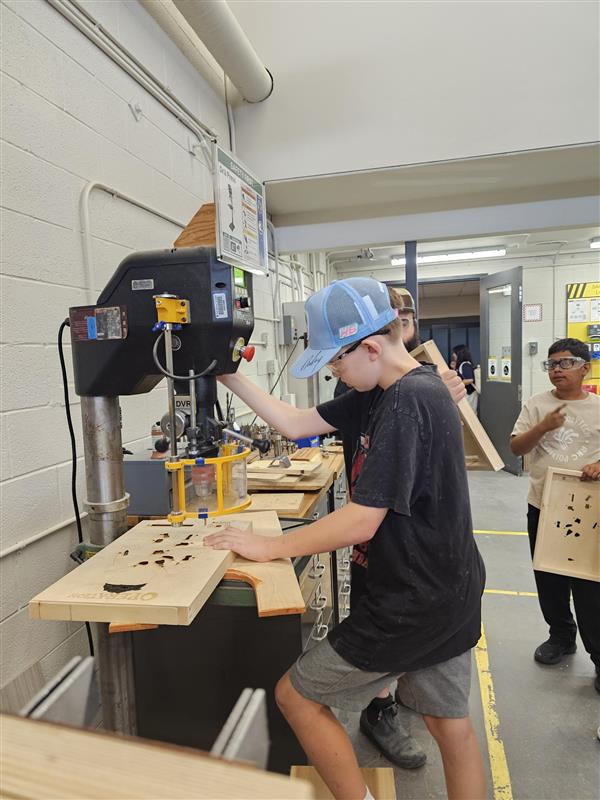
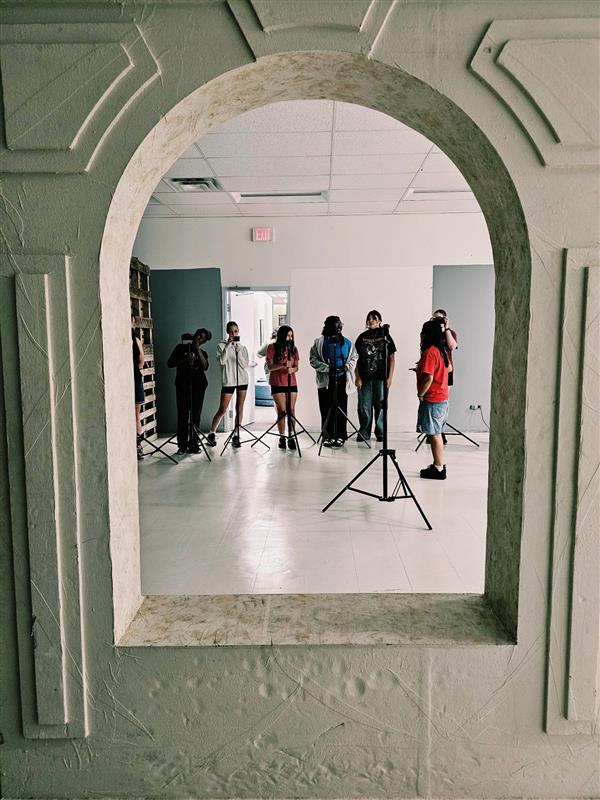
RRC-Youth_Camps-July_2023-01-39

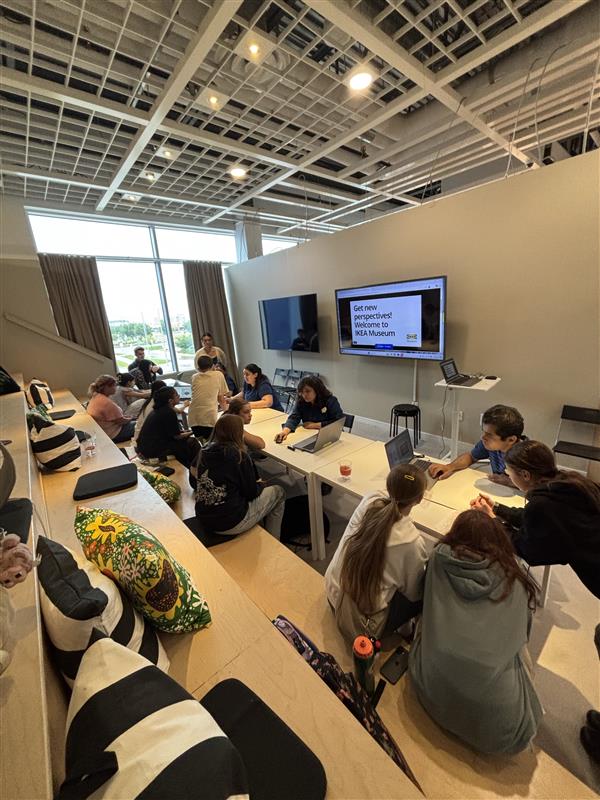
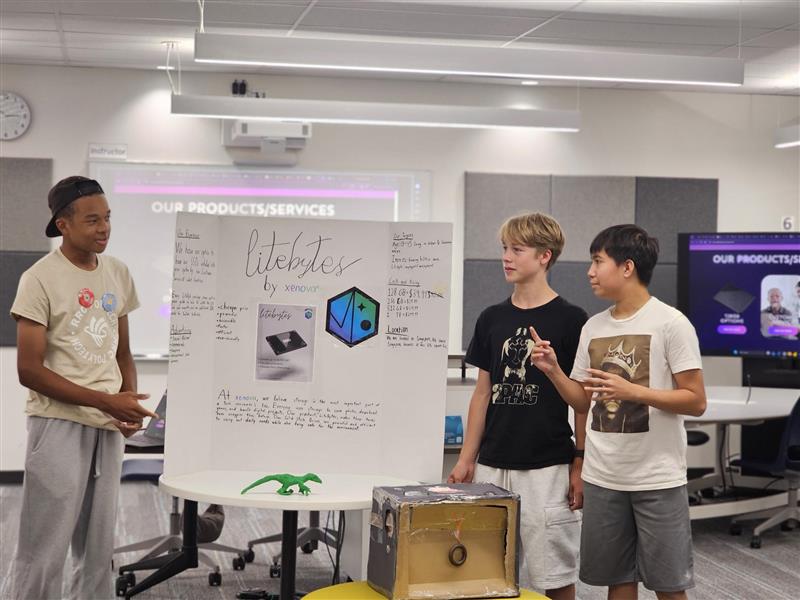
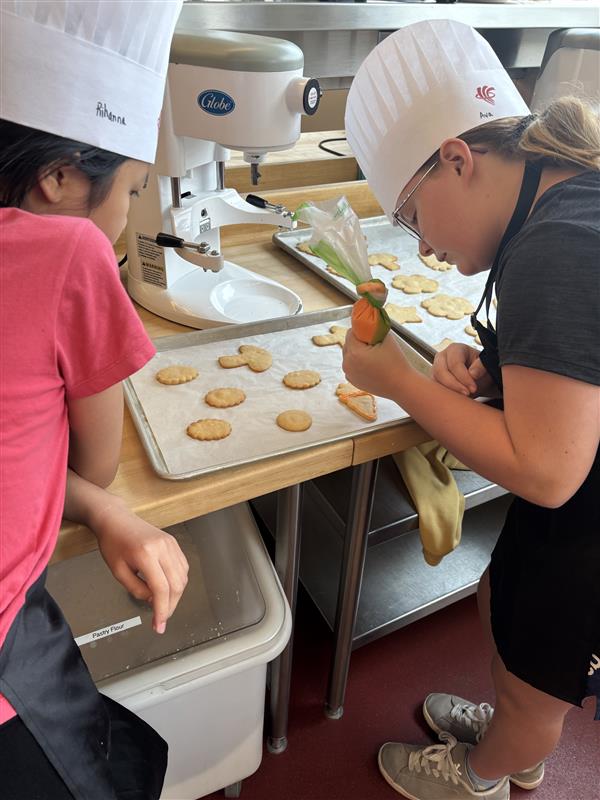
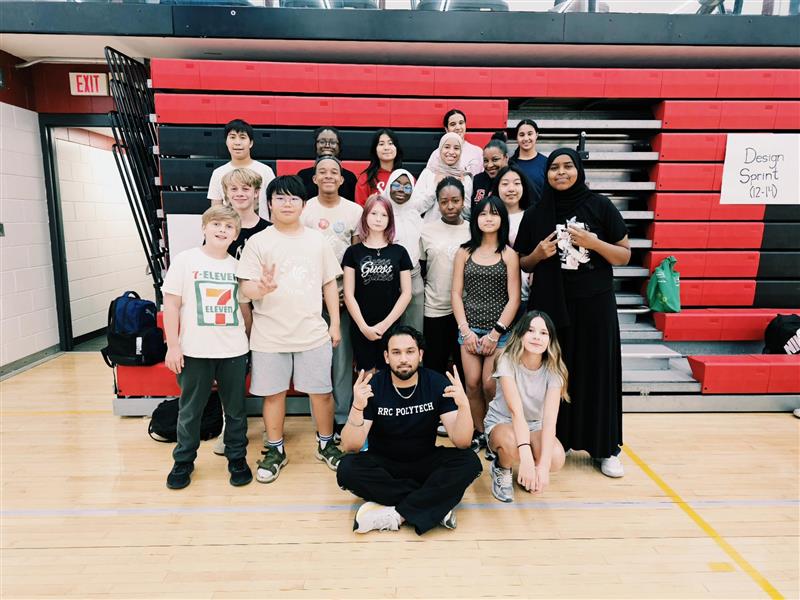
This summer, RRC Polytech is offering hands-on youth camps where participants can explore, create, and discover. Our programs teach new skills, spark curiosity, and build confidence through engaging, real-world experiences. 

Who can attend: Youth ages 9–17 (age ranges vary by camp) 
Where: Notre Dame Campus (NDC) and Exchange District Campus (EDC) 

Camp Themes

Notre Dame Campus

  • Wheels in Motion: Transportation Technology (Ages 12–14) – July 6–10 & July 20–24 
  • Rooted in the Land: Indigenous Teachings for a Sustainable Future (Ages 9–11) – July 6–10 
  • Out & About Photography (Ages 12–14) – July 6–10 & July 27–31 
  • Girls Exploring Trades & Technology (Ages 12–14) – July 6–10, July 13–17 & July 20–24 
  • Girls in Motion: Automotive Trades (Ages 12–14) – July 13–17 
  • Design Your Dream Room (Ages 12–14) – July 13–17 & July 27–31 
  • Advanced Photography (Ages 12–14) – July 13–17 
  • Electrify Your Game (Ages 12–14) – July 20–24 
  • Sweet Treats Baking (Ages 9–11) – July 20–24 
  • Entrepreneurship Design Sprint (Ages 9–11 & 12–14) – July 27–31 

Exchange District Campus

  • Next Level Coding (Ages 15–17) – August 4–7 
  • Diner Classics Bootcamp (Ages 15–17) – August 4–7 

Spots are limited—secure your child’s place today and give them a summer of exploring, creating, discovering, and learning at RRC Polytech (financial assistance is also available).

How to Register:

Visit our registration portal

  1. Select the camp you’d like to register for 
  2. Click ‘Sign In’ beside the camp you’d like to register for 
  3. Login using your RRC Polytech credentials/email, or ‘Sign up’ for an account by clicking the bottom icon 

Please note: You do not need to enter an ID number 

  1. Once signed in, click the icon in the top right corner and select ‘Profile’ 
  2. From the Profile screen, add the family members you’ll be signing up for a youth camp (please do not sign yourself up) 
  3. Once you’ve added family members, go back to the previous screen and select the camp you’d like to register for and click the ‘Register’ button 
  4. On the ‘Select Family Member’ screen, add each member who will be attending camp 
  5. Follow the registration instructions and sign all required waivers 
  6. Add emergency contacts, authorized pick-ups, and other additional information 
  7. Click ‘Checkout’ to enter in your payment information and complete your camp registration 

LEARN MORE AND REGISTER HERE

Have more questions? Check out our FAQ page!

How’s your sleep?

March 12, 2026

For many students and staff at RRC Polytech, sleep is an area of wellness that can be challenging. Sleep plays a vital role in learning, memory, and overall brain function, making it essential for academic success. However, habits such as pulling all-nighters or regularly sacrificing sleep to meet deadlines can negatively affect concentration, mood, and academic performance.

Young adults typically need 7–9 hours of sleep per night to support healthy functioning Despite this, sleep problems are common among post-secondary students. Research suggests that about 18% of college students experience sleep difficulties consistent with insomnia. Several factors can make getting enough sleep difficult during the college years, including:

  • erratic schedules,
  • heavy academic and vocational workloads,
  • the transition to adulthood and managing new responsibilities,
  • living away from home, and social pressures such as building new friendships
  • academic stress can also play a role, with sleep quality often declining as the academic year progresses (King et al., 2023).

Recognizing these barriers is an important first step in supporting healthy sleep habits and student well-being.

Tips to improve sleep

Cognitive Behavioural Therapy for insomnia: teaches you strategies to help regulate your body clock, strengthen your sleep drive, and manage anxiety around sleep.

Have a consistent wake up time: Your wake up time sets your biological clock for the day, so waking up at the same time everyday can help to signal your body when it’s time to go to bed each night.

Get morning light exposure: Exposure to morning light helps to set your body clock. Try to get outside as much as possible throughout the day, especially in the mornings.

Create a calming wind-down routine: We all need time to transition between our wakeful daytime activities and sleep. Approximately two hours before bed stop physical exercise. One to two hours before bed it is advised to stop studying, schoolwork and errands. For the hour before bed, consider no screens (phones and televisions).

On March 11, 2026, Campus Well-Being hosted local sleep expert and psychiatrist, Dr. Elizabeth Hebert to learn about why sleep is so important to our academic success and learn helpful tips on how to get a better nights sleep. Missed the presentation? Watch here.

Sources:

Dr. Elizabeth Hebert – De-stress your sleep

Goodnight Mind” by Colleen Carney & Rachel Manber

Centre for Clinical Interventions: Sleep

Get Movin’ Challenge – Week 2: Let’s Build Momentum

March 10, 2026

Photo of woman taking a step in orange running shoes with text heading reading "Get Movin' Challenge" and subtitle text "Step Up and Win!"

Week One done. Let’s get to Week Two

By now, you might have started to:

  • Check your step count more often
  • Find small pockets of time to move in your day
  • Realize 7,000 is doable

These actions may sound small, but they have a huge impact on your goals.


Week 2 Focus: Add a little intention

Now that you’ve started, let’s create more intention this week and ‘upgrade’ your movement

  1. Pick up the pace
    • During your daily walks, try to pick up the pace. Not a sprint or jog, just a slightly faster pace, making sure you can still talk
    • 10-15 minutes at a brisk pace can boost heart health and increase overall fitness
  2. Add one ‘extra day’
    • If by this week you’ve already hit 10 days, keep that streak going!
    • Adding ‘one extra day’ every week adds and builds toward closing the gap
    • Remember, the more days you hit, the better the prize – and more importantly the better the health benefits!
  3. Change the environment
    • Try a new route on campus
    • Go outside (if it’s not too cold or slushy!) to add extra steps and get some fresh air
    • Go with a coworker or classmate instead of alone
    • All these things help change the scenery, keeping the habit from feeling repetitive

Why this matters

Walking consistently isn’t about counting steps. Research shows that moderately intense activity like brisk walking can:

  • Improve cardiovascular fitness
  • Help regulate blood sugar
  • Reduce stress
  • Improve mood and mental clarity

All this without a gym membership or special equipment. Everything can be done right in your usual environment.

Be mindful – it’s normal to feel motivation dropping. Excitement is fading and routine is taking over. Instead of motivation, rely on scheduling. Block the time in your calendar, treat this time like a meeting.

Week 2 Goals:

  • Keep hitting 7,000 steps
  • Add one small intensity upgrade – pick up the pace or make your walks a little longer
  • Stay consistent and schedule this time in your calendar

You’re starting to build good habits, keep building, we’re already halfway there!  


Sources:

https://www.heartandstroke.ca/-/media/pdf-files/healthy-living/csep_guidelines_handbook.pdf?rev=-1 – CSEP Physical Activity Guidelines

https://www.canada.ca/en/public-health/services/publications/healthy-living/physical-activity-tips-adults-18-64-years.html – Canadian Government Physical Activity Tips

https://www.cdc.gov/physical-activity-basics/about/index.html – CDC Physical Activity Basics

De-Stress Your Sleep

March 3, 2026

student attempting to sleep, but on phone instead.

Join Dr. Elizabeth Hebert from the University of Manitoba & CBT Manitoba on Wednesday March 11, 2026 to learn the science of sleep and research backed techniques to get a better night’s rest.

Based on cognitive-behavioural therapy, Dr. Hebert’s upcoming talk “De-Stress Your Sleep” will focus on practical, low-tech tips you can start using tonight to improve your sleep. Dr. Hebert will highlight why sleep is so hard (and so important) for students, the science behind how sleep works, and the interaction between screens, stress, and sleep. This talk will also provide bonus tips for a healthier relationship with both stress and your screen time.

Date: Wednesday March 11, 2026
Time: 12:00 to 12:45 pm
Location: EDC – A104

Please register here. Walk-ins also welcome.

Light snacks provided.

Questions? Email Kelly Giddings (Campus Mental Health Specialist).

Get Movin’ Challenge – Week 1: Build the Habit, Not Just the Steps

March 2, 2026

Photo of woman taking a step in orange running shoes with text heading reading "Get Movin' Challenge" and subtitle text "Step Up and Win!"

Welcome to Week 1 of the Get Movin’ Challenge! If you haven’t officially joined yet, complete this form to get started.

Your goal: 7,000 steps per day for at least 10 days.

If that number feels big – don’t worry. This week isn’t about perfection, it’s about building the habit

Why 7,000 steps?

You’ve probably heard of the 10,000 step rule. But research shows, that you don’t actually need that many steps to see health benefits. Around 7,000 steps per day is linked to improvements in health, overall longevity, and reduced risk of chronic disease.

More importantly – it’s doable.

And doable goals are the ones that actually stick.


Week 1 Focus: Keep it simple

Don’t worry too much about a new workout routine, buying the latest tech or looking for workout videos on YouTube – just yet. You just need to move a little more than you did last week.

Try things like:

  • 10 minute walk before work
  • A quick lap around campus between classes or meetings
  • Walking during phone calls
  • Parking a bit further away
  • Taking the stairs instead of the elevator – if that’s available

Short walks in the day can get you halfway to your goal without feeling too overwhelming.


What you might notice

Even after a few days, people often report:

  • Better mood
  • More energy in the afternoon
  • Less stiffness from sitting
  • Improved sleep

Walking is underrated. It’s low-impact, accessible to many, and surprisingly powerful.

And overall, 7,000 steps usually works out to about 60-75 minutes of total movement throughout the entire day.

That doesn’t mean one long walk, it can be broken down across your entire day.

And it’s not about perfection – you don’t need to worry about missing a day. This challenge is about hitting 7,000 steps for at least 10 days or more.

Show up when you can, where you can.

Week 1 Goals:

  • Get familiar with your step count. Start tracking your steps with a free app or calculate your exercise using this calculator
  • Build a simple routine – park further, take the longer route to your next meeting
  • Notice how you feel. Make notes, write it in a journal, or just think about how you felt after every day.

The hardest part is always starting – once you get passed that, you’re already on your way to building habits.   


Sources:

https://pubmed.ncbi.nlm.nih.gov/31141585/ – study on step volume and intensity

https://www.cdc.gov/physical-activity-basics/benefits/index.html – benefits of physical activity

https://link.springer.com/article/10.1186/1479-5868-8-79 – how many steps per day are enough ⁠

RRC Polytech campuses are located on the lands of the Anishinaabeg, Ininiwak, Anishininwak, Dakota Oyate, and Denésuline, and the National Homeland of the Red River Métis.

We recognize and honour Treaty 3 Territory Shoal Lake 40 First Nation, the source of Winnipeg’s clean drinking water. In addition, we acknowledge Treaty Territories which provide us with access to electricity we use in both our personal and professional lives.