Research Partnerships and Innovation

Research Partnerships & Innovation

News and Events

Tour of RRC Polytech showcases applied research capabilities to NSERC President
September 23, 2026

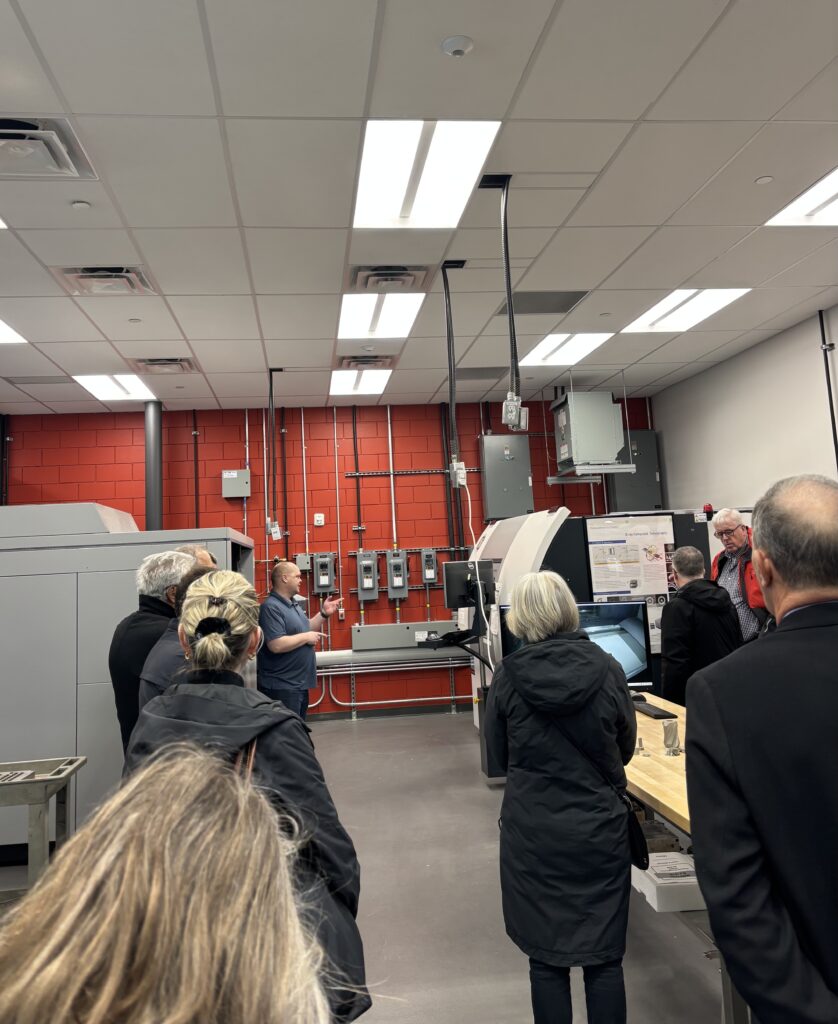
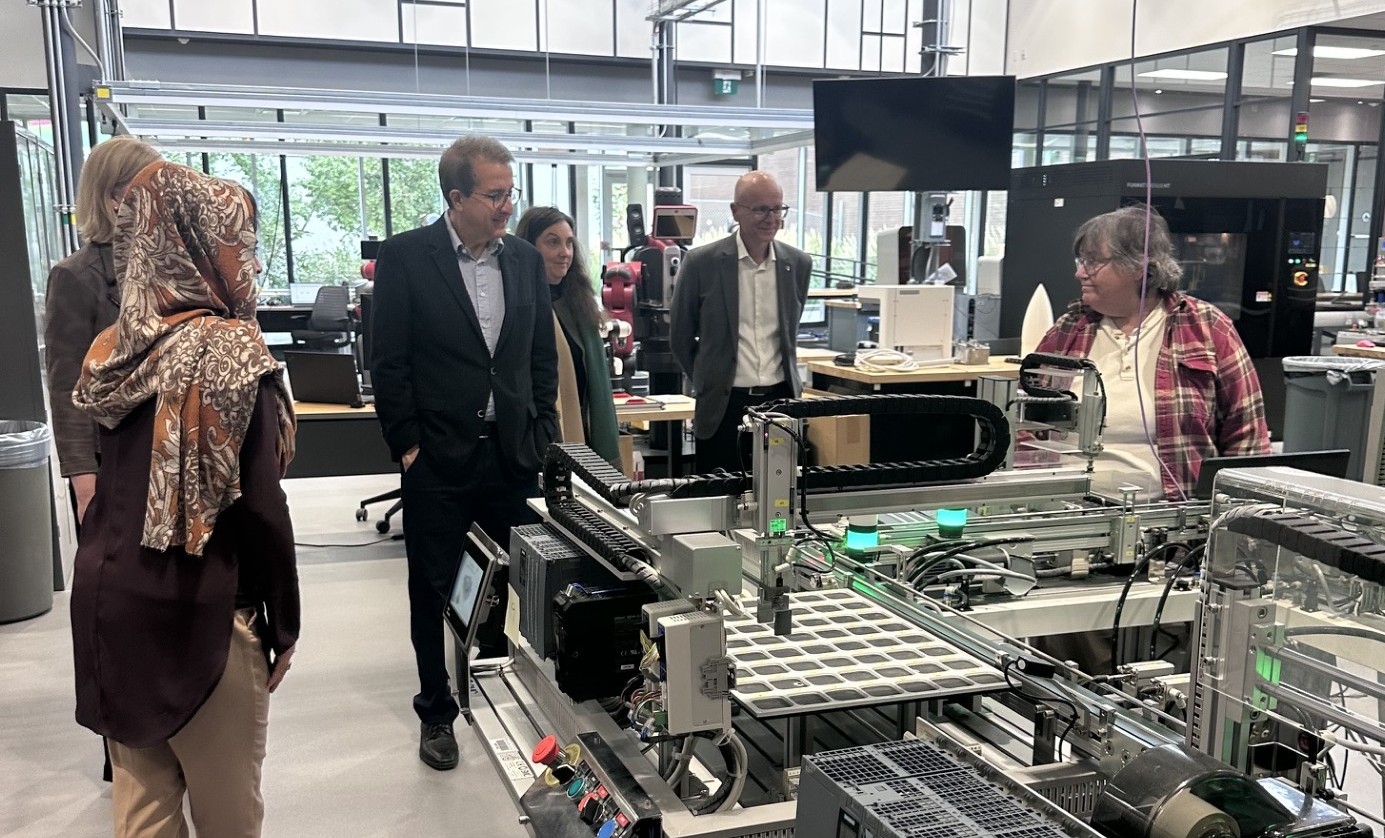
RRC Polytech recently welcomed Dr. Alejandro Adem, President of the Natural Sciences and Engineering Research Council of Canada (NSERC) to its Notre Dame Campus for a first-hand look at how federal investments in Manitoba’s applied research ecosystem are fueling real‑world impact.

NSERC’s mission is to foster a country of discoverers and innovators for the benefit of all Canadians and polytechnics are essential engines of research and development, commercialization, technology adoption, and workforce development.
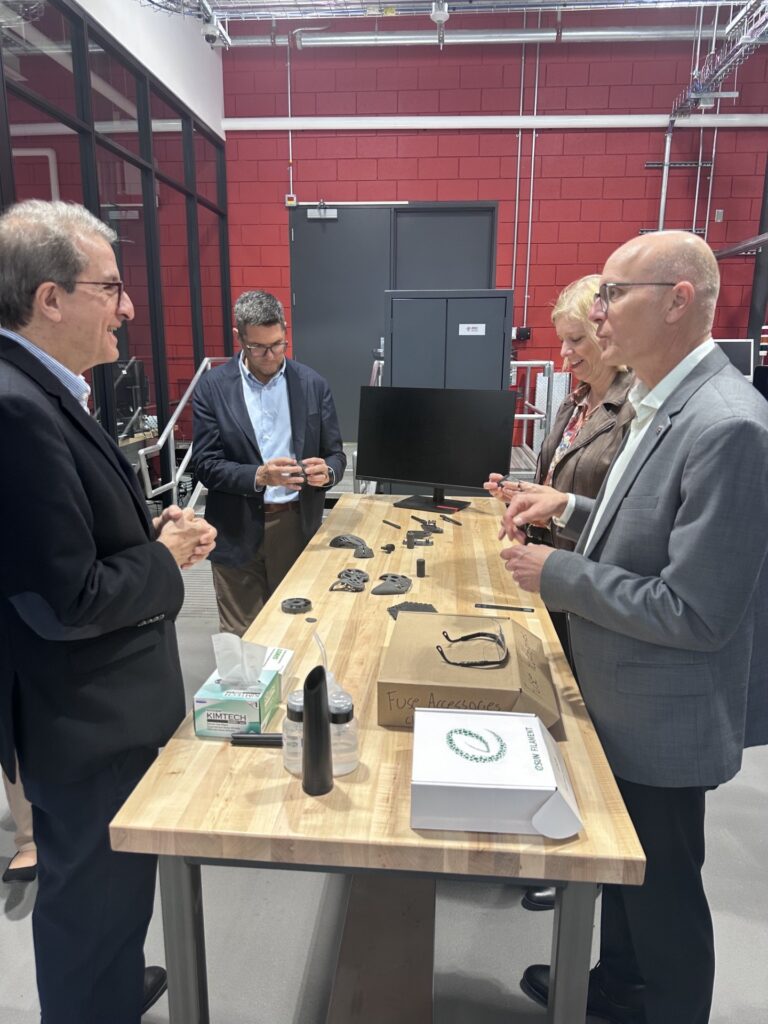
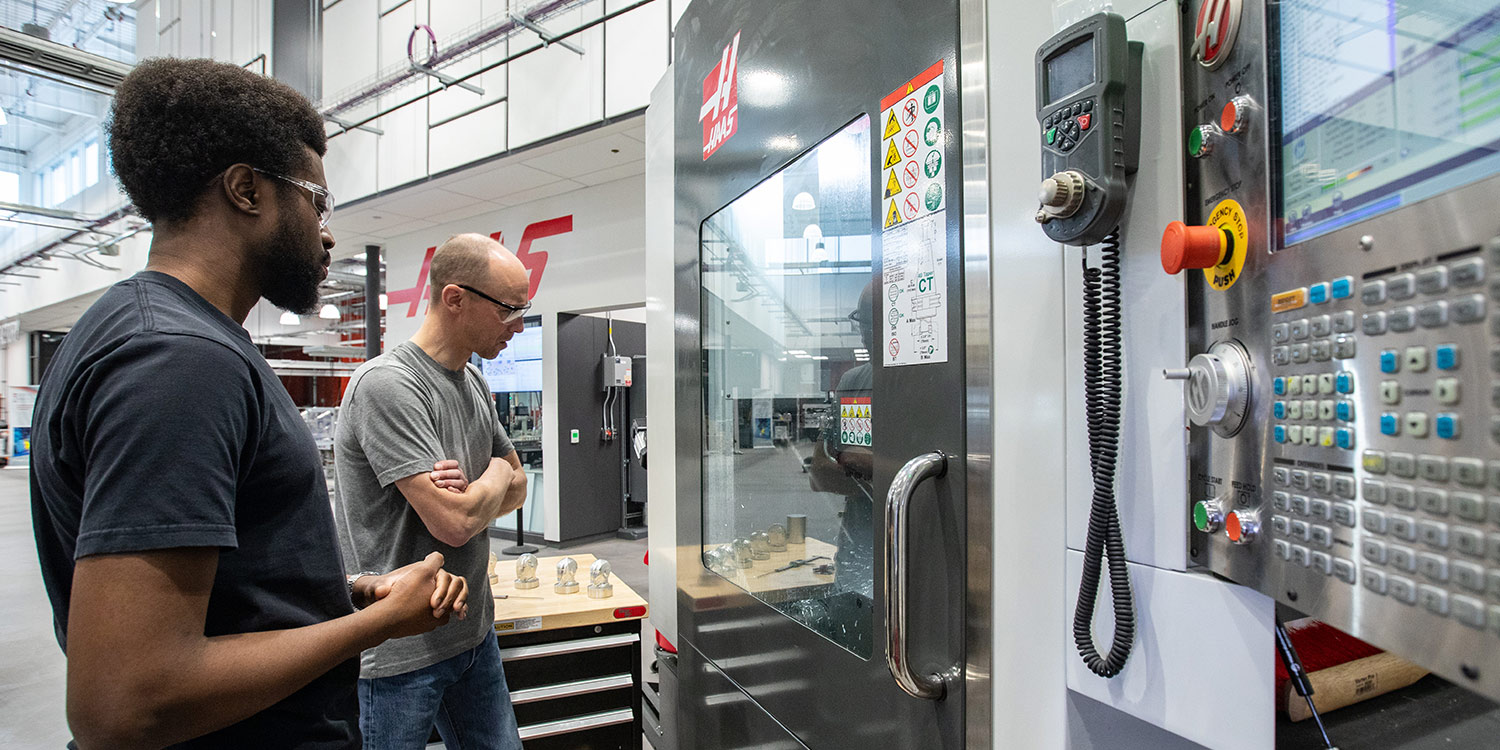
four people talking at a table filled with manufacturing components

A productive day of facility tours, demonstrations, presentations, and discussions showcased RRC Polytech’s collaborative approach that connects small- and medium-sized enterprises (SMEs) with cost-effective, problem-solving experts and government support from NSERC and other funding agencies to drive economic growth across all sectors.

Through applied research projects, administered by Research Partnerships & Innovation (RPI), partners work together to advance new products and processes from concept to validation to market while students gain practical experience that prepares them to be the leaders of tomorrow.

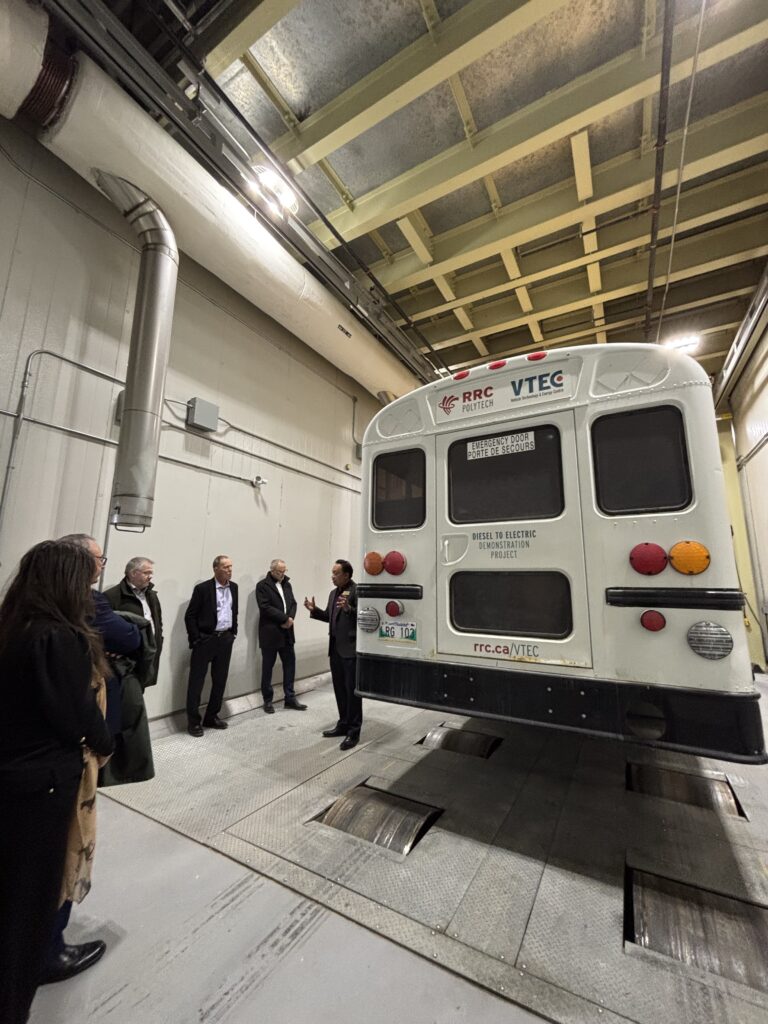
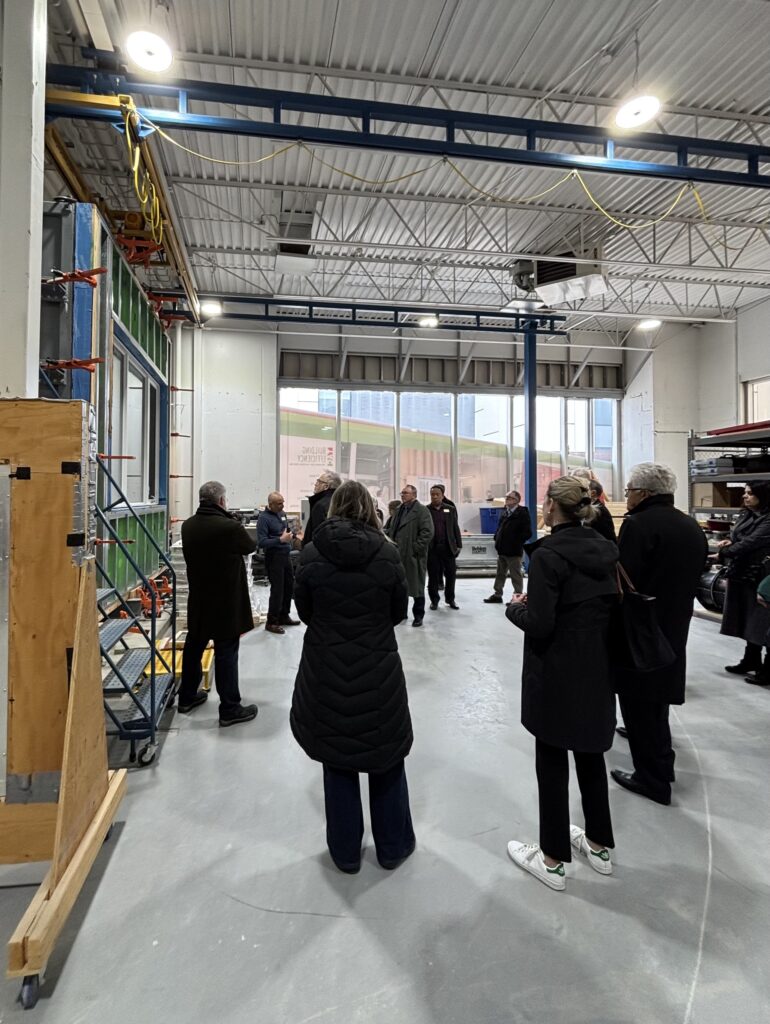
Dr. Adem visited the Technology Access Centre for Aerospace and Manufacturing’s smart factory and advanced composites lab, Building Efficiency Technology Access Centre, Vehicle Technology & Energy Centre, and the Centre for Automation and Manufacturing Technology Transfer at the Price Institute for Advanced Manufacturing and Mechatronics.

Along the way, executive leadership, professional research staff, faculty, and students provided tangible examples of how NSERC funding has enabled RRC Polytech’s research capacity to evolve and discussed emerging opportunities in energy transition, AI, defence, and dual-use technologies.

Dr. Adem’s visit celebrated the shared momentum created by RRC Polytech turning NSERC investments into progress – new technologies, stronger companies, safer communities and career pathways – and provided inspiration for what comes next.
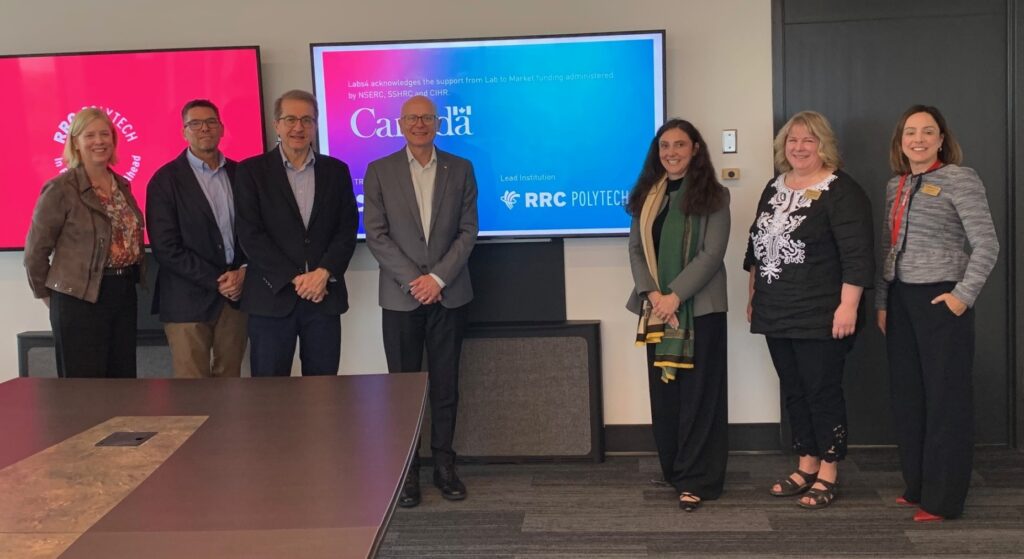

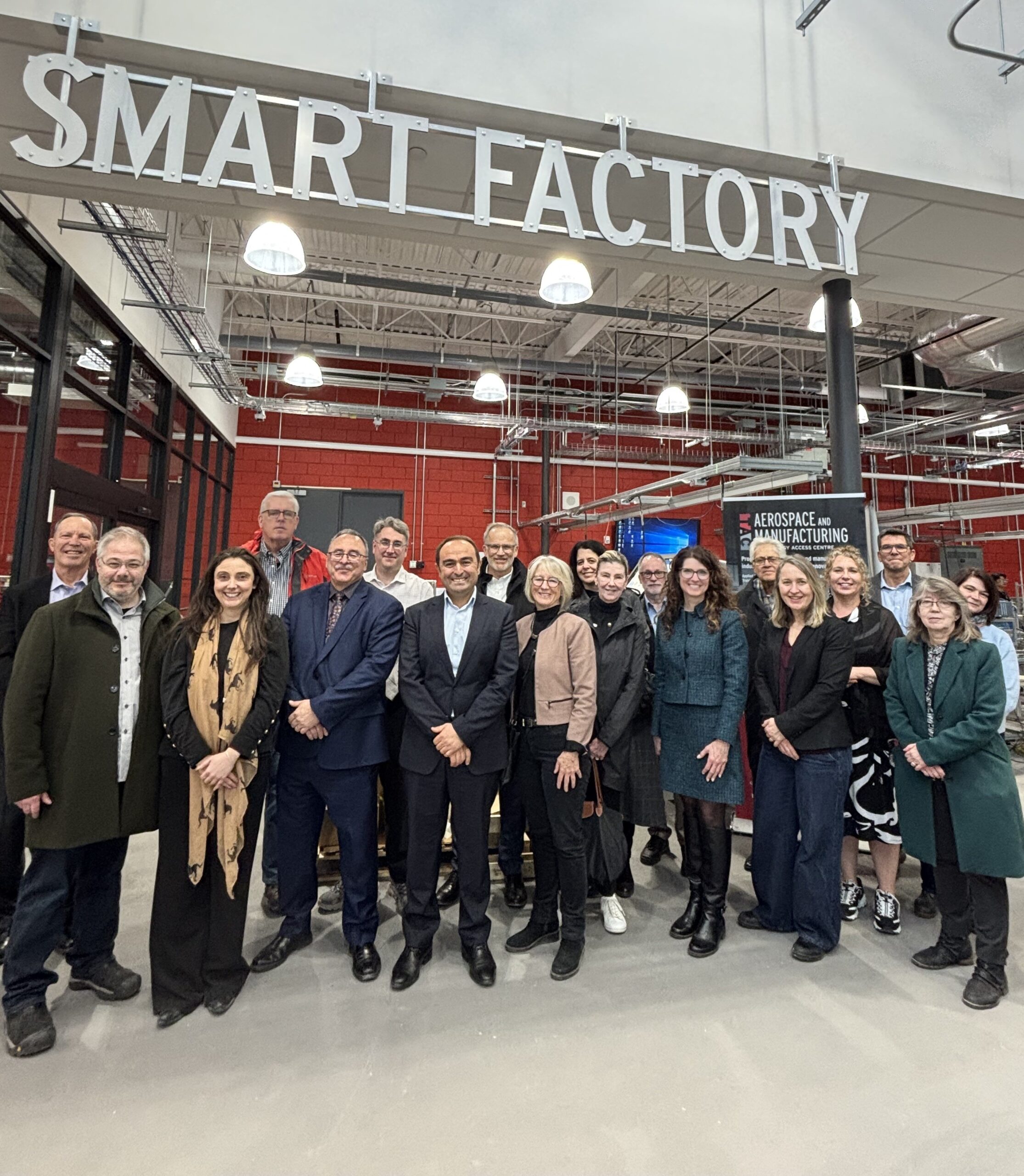
a group of people posing in front of digital screens


We acknowledge the support of the Natural Sciences and Engineering Research Council of Canada (NSERC).

Nous remercions le Conseil de recherches en sciences naturelles et en génie du Canada (CRSNG) de son soutien.
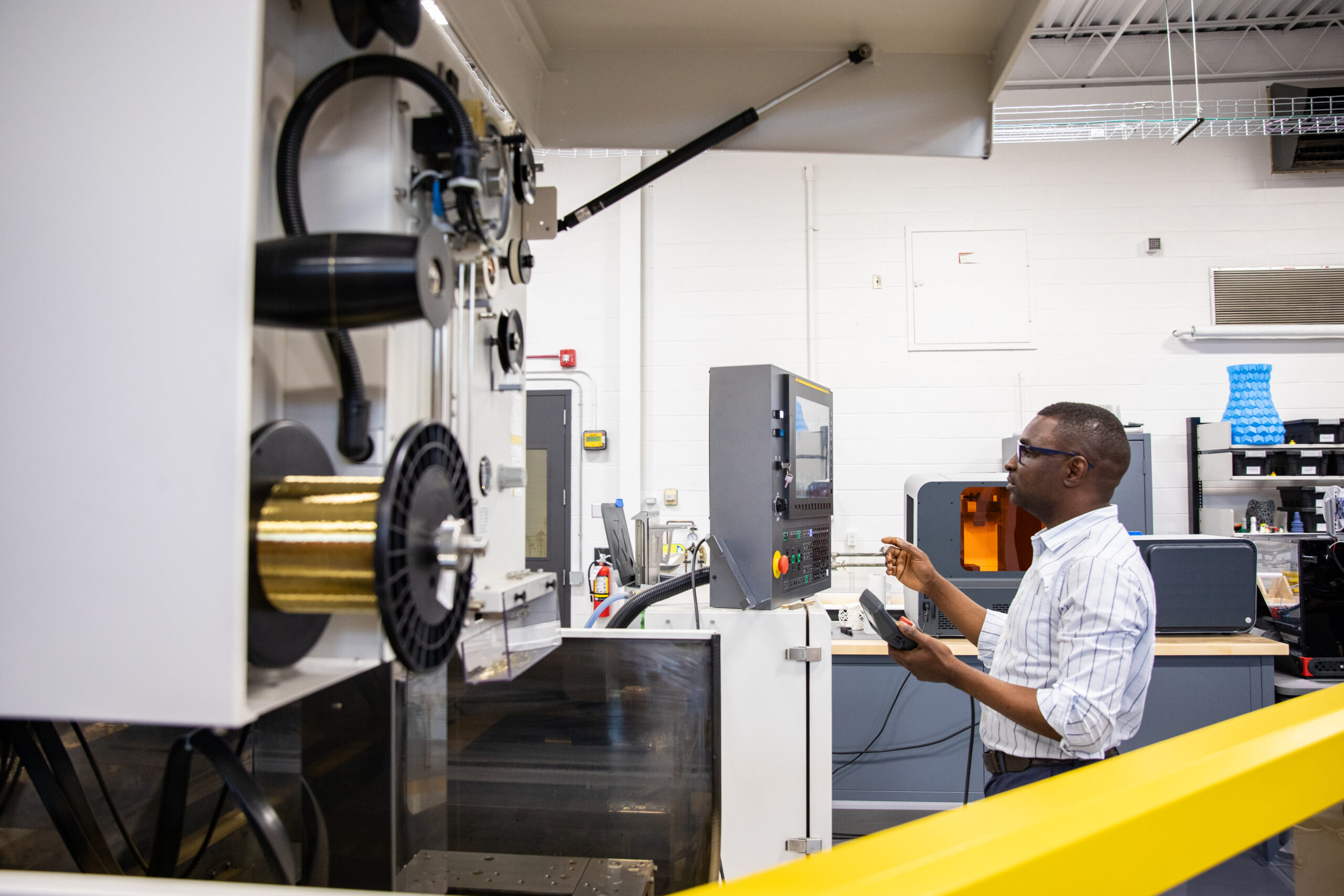
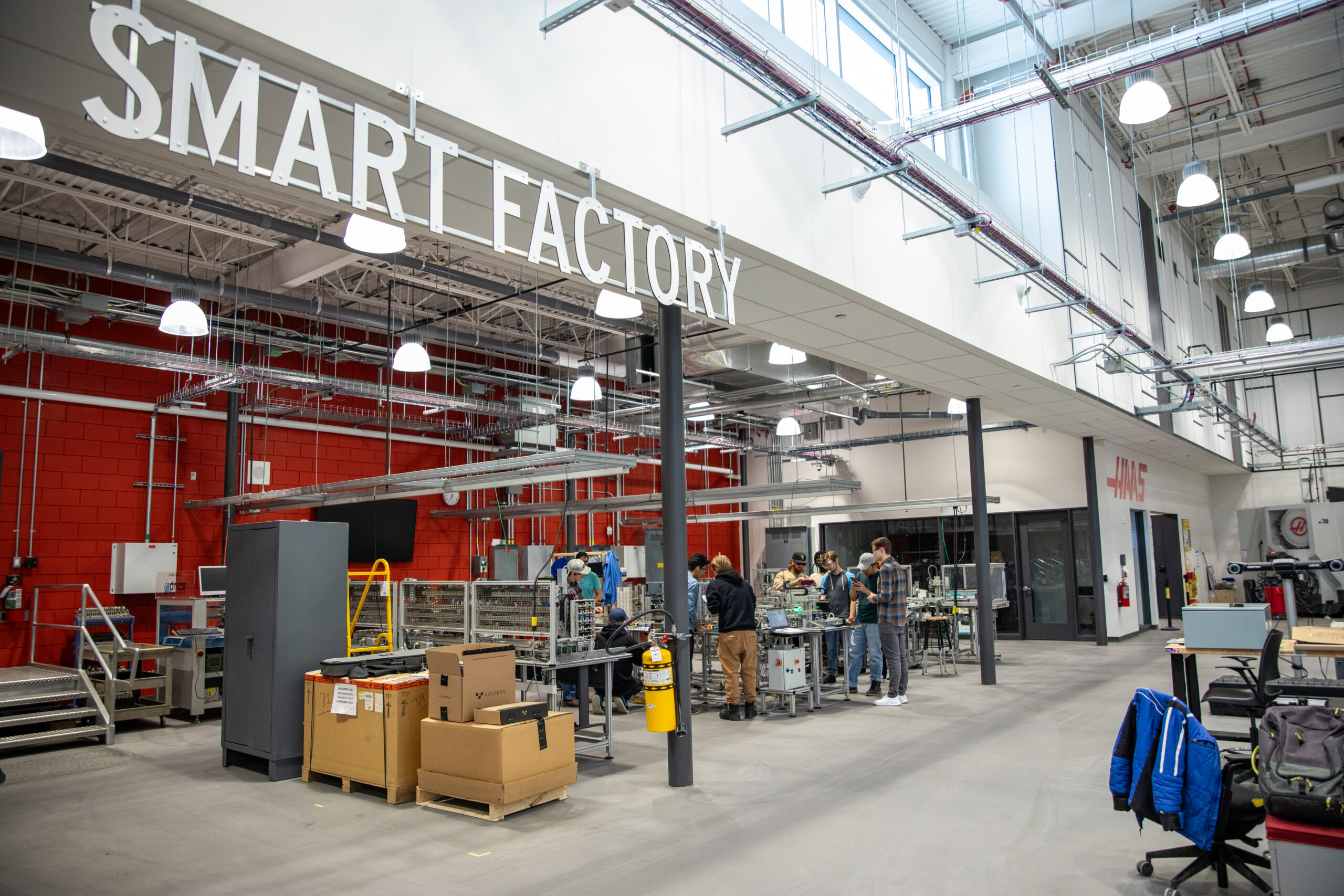
RRC Polytech awarded $3.2M to help businesses become defence-ready and strengthen Canada’s domestic supply chains

September 16, 2026

RRC Polytech is proud to play a leading role in strengthening Manitoba’s contribution to Canada’s growing defence and industrial capacity.

Through its industry-connected approach to workforce development, applied research, innovation, and business support, RRC Polytech is helping Manitoba companies access emerging opportunities in the defence and security sectors while building the skilled talent and technical capabilities needed to support Canada’s defence industrial base.

With a new $3.2 million investment from Prairies Economic Development Canada through the Regional Defence Investment Initiative (RDII), RRC Polytech will lead the Manitoba Defence and Dual-Use Innovation Bridge. Through this collaborative initiative with Manitoba Aerospace Inc. and Canadian Manufacturers and Exporters, local businesses can receive practical support to prepare for work in the defence sector. This includes helping companies understand government purchasing requirements, strengthen cybersecurity, meet security rules for handling controlled goods and technology, and prepare to participate in defence contracts.

Businesses will also receive support to identify dual-use technology. This initiative will help connect companies with larger defence businesses, government buyers and other potential customers, giving them a clearer path to new contracts and supply-chain opportunities.

“We are thrilled by PrairiesCan’s investment in Manitoba’s innovation and defence ecosystem,” said Dr. Jolen Galaugher, Associate Vice President, Research Partnerships & Innovation, RRC Polytech. “By combining RRC Polytech’s applied research capabilities with the expertise of our partners at Manitoba Aerospace and Canadian Manufacturers and Exporters, we are creating an accelerated pathway from innovation to commercialization and market growth. Together we are strengthening Manitoba’s role in Canada’s defence industrial base while creating new opportunities for businesses, investments, and economic growth throughout the province.”

Read the full PrairiesCan release:

English Version

French Version

On September 23, RRC Polytech will open its doors to showcase these capabilities firsthand during an open house at the Technology Access Centre for Aerospace and Manufacturing (TACAM). The event will provide Manitoba companies with an opportunity to explore our research, testing, and advanced manufacturing facilities and learn how they can access support through the Manitoba Defence and Dual-Use Innovation Bridge.

Learn more here

You’re Invited – TACAM Industry Open House – September 23

September 15, 2026

Please join us at the Technology Access Centre for Aerospace and Manufacturing (TACAM) on the Notre Dame Campus on Wednesday, September 23 from 9:00 a.m. – 1:00 p.m. to discover innovation opportunities in aerospace and advanced manufacturing.

Come explore TACAM’s applied research capabilities, meet our team, tour our facilities, and learn how we can help industry partners solve real-world challenges through applied research, technology development, testing, training, and innovation.

Highlights

  • Facility tours showcasing TACAM’s advanced equipment and technologies
  • Demonstrations of additive manufacturing, robotics, automation, non-destructive inspection and electronics technologies
  • Insights into smart manufacturing, AI, IoT, simulation, and digital technologies
  • Opportunities to connect with TACAM researchers, technologists, and industry specialists
  • Discussions on potential industry–research collaborations and applied research projects
  • Information about training, workforce development, and technology adoption
  • Technology-themed giveaways and TACAM-branded items for attendees

We welcome industry partners, prospective collaborators, community organizations, and other stakeholders interested in learning more about TACAM and the broader innovation capabilities of RRC Polytech.

There is no charge to attend, but we kindly request that you quickly register so we can properly prepare to accommodate everyone!

Looking forward to welcoming you and exploring new opportunities to work together.

Lessons from the Shop Floor

August 24, 2026

Join us for an engaging session exploring the real-world experiences of organizations that have partnered with RRC Polytech’s Research Partnerships & Innovation (RPI) team to drive innovation, enhance productivity, and support business growth.

Members of our applied research team will share insights, challenges, successes, and lessons learned from collaborative industry projects. Discover how partnering with RPI can help organizations address complex challenges, accelerate innovation, and gain access to specialized expertise, talent, facilities, and funding opportunities.

Through applied partnerships, RPI aims to strengthen Manitoba’s innovation ecosystem by:

  • Connected regional businesses and organizations with applied research expertise, specialized facilities, and innovation resources.
  • Identify industry challenges and growth opportunities that can be addressed through collaborative applied research projects.
  • Support commercialization, productivity enhancement, process optimization, and business growth through innovation-driven partnerships.
  • Increase awareness of funding programs and innovation support resources available to businesses and organizations.

Join the conversation and learn how applied research partnerships can transform operational challenges into opportunities for growth, competitiveness, and innovation.

Event Details

Location
RRC Polytech, Winkler Campus
100-561 Main Street
Winkler, Manitoba R6W 1E8

Date/Time
October 15, 2026 11:00 a.m. to 1:30 p.m.

RSVP
Shaun Hillman
Regional Campus Manager
Email: shillman@rrc.ca

RRC Polytech’s DTTI – Driving Manitoba’s Digital Future

July 6, 2026

Since its launch in 2023, the Digital Technology Transformation Initiative (DTTI) has made significant progress in advancing applied research and digital innovation across Manitoba, with a strong focus on supporting organizations on their path toward sustainability. Funded by a Mobilize grant of just over $3.4 million from the Natural Sciences and Engineering Council of Canada (NSERC), the DTTI is a cross-institutional program that lowers risk for partners by helping to off-set project costs for specialized equipment and professional and student researchers’ time.

Over the past three years, the initiative has supported 28 applied research projects in digital transformation, collaborating with industry partners such as Price Electronics, Noble Northern, Terrawave, Gardon, Tabaq and Dimatec, as well as RRC Polytech’s Applied Research Centres, including the Vehicle Technology & Energy Centre (VTEC), ACE Project Space, Technology Access Centre for Aerospace and Manufacturing (TACAM), and Centre for Automation and Manufacturing Technology Transfer (CAMTT).

These projects have provided valuable experiential learning opportunities for 37 students from programs such as Electrical Engineering Technology (EET), Mechanical Engineering Technology (MET), and Applied Computer Education (ACE), while engaging 48 RPI staff members who contributed their expertise.

Through DTTI, industry and research partners have explored a wide range of emerging technologies, including augmented reality; automation; intelligent systems; machine learning; the Internet of Things (IoT); 3D concrete printing; and additive manufacturing. These efforts contribute to RRC Polytech’s commitment to the United Nations Sustainable Development Goals (SDGs) while helping Manitoba organizations build resilience, competitiveness, and capacity for innovation.

DTTI has proven to be a catalyst for collaboration, skills development, and technology adoption, positioning both the Polytech and its industry partners at the forefront of Manitoba’s digital transformation journey.

The opportunity is far from over. With funding still available and the current grant cycle continuing through the end of 2028, there is still time for Manitoba companies to explore how digital technologies can help solve business challenges, improve productivity, reduce environmental impacts, and unlock new opportunities for growth.

If your organization is interested in digital innovation, automation, AI, advanced manufacturing, data analytics, or other emerging technologies, we invite you to connect with Priyanka Tuteja, Industry Liaison Manager, DTTI, to explore how RRC Polytech’s applied research expertise and facilities can support your digital transformation goals.

The future is digital and there’s still time to be part of it.


We acknowledge the support of the Natural Sciences and Engineering Research Council of Canada (NSERC).

Nous remercions le Conseil de recherches en sciences naturelles et en génie du Canada (CRSNG) de son soutien.
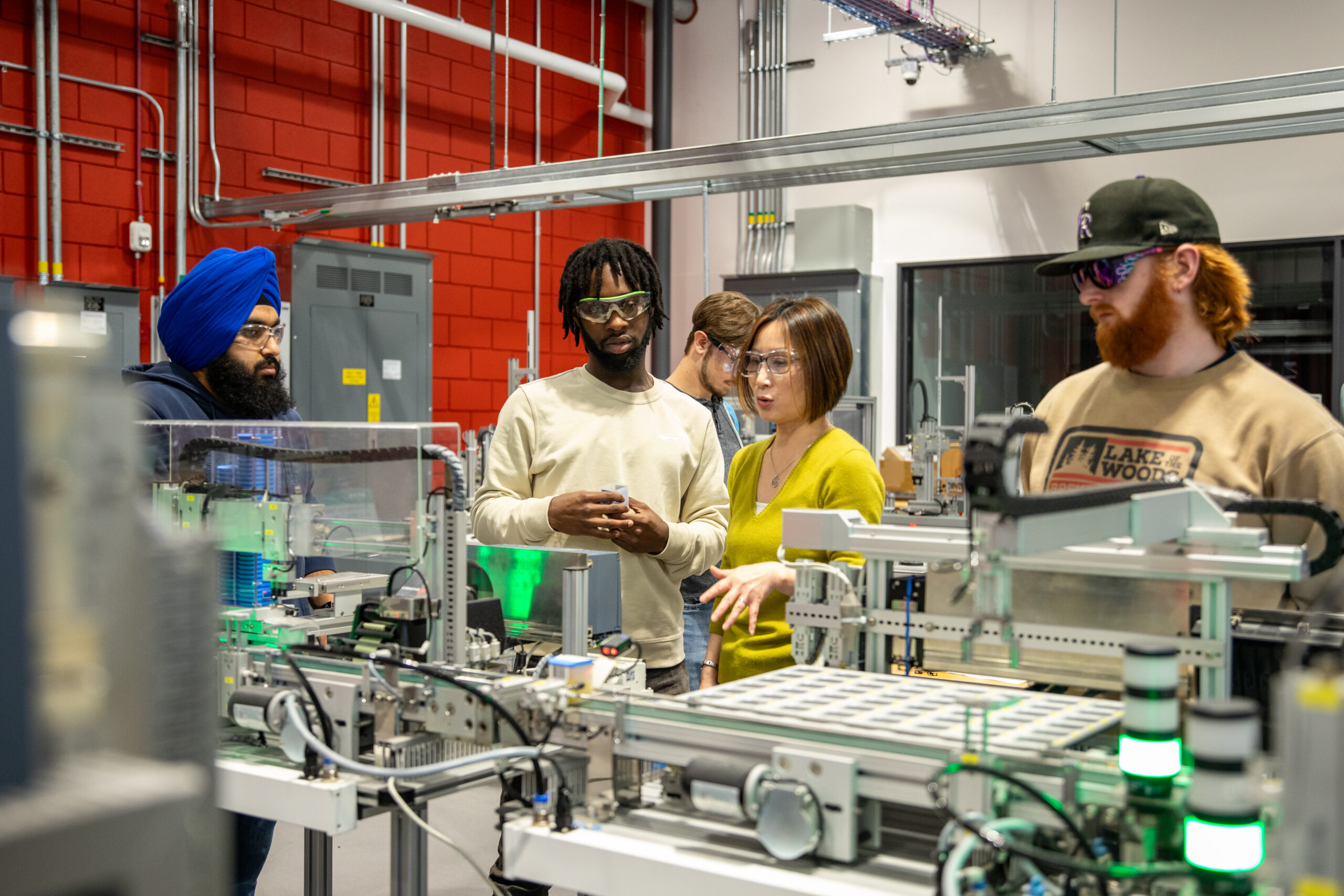

Prepared for Takeoff – RRC Polytech supports local company TABAQ to advance aircraft inspection technology

June 18, 2026

‘The sky is the limit’ is a saying that has guided the aerospace industry’s push of innovative engineering from the very first atmospheric flights to the edge of the universe – where the sky is now only the beginning. Canada’s aerospace sector invests over a billion dollars annually into research and development to stay competitive in the air, and as the country’s third-largest aerospace hub, Winnipeg has a growing reputation for identifying challenges and finding solutions.

With a robust, highly specialized supply chain that services global aerospace and defence markets, Winnipeg-based firms generate billions in economic activity and employ thousands of workers. And from established leaders to ambitious startups, they often rely on support from the local innovation ecosystem – including RRC Polytech, the province’s largest institute of applied research and practical training – to help solve their industry-specific problems.

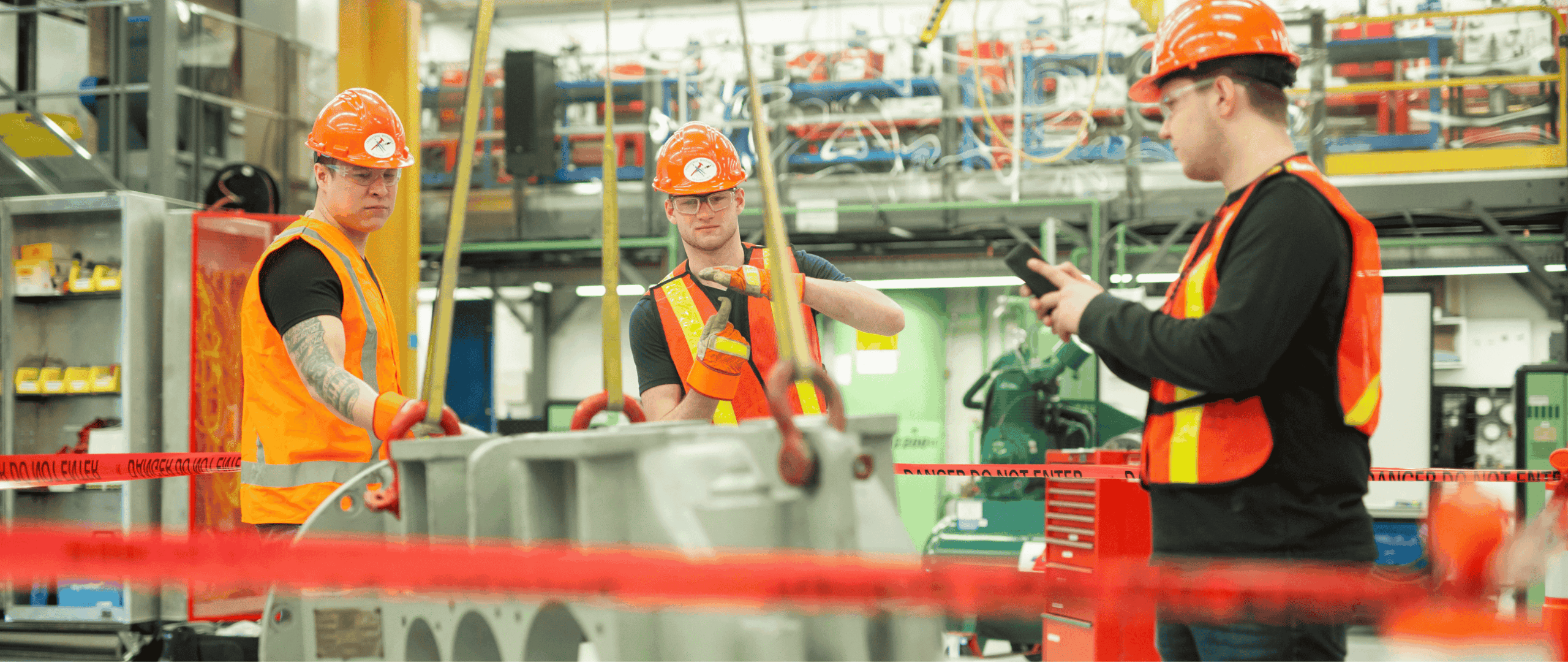
A well-documented shortage of qualified Canadian General Standards Board (CGSB) level II and III Non-Destructive Testing (NDT) inspectors in the aerospace maintenance, repair, and overhaul sector created a recent opportunity for a successful applied research partnership.

Looking for help to advance mobile technology to support their technicians with non-destructive testing of aircraft components, TABAQ Smart Aerotech Manufacturing Inc. found the expertise and specialized facilities it needed at RRC Polytech’s Centre for Automation and Manufacturing Technology Transfer (CAMTT). 

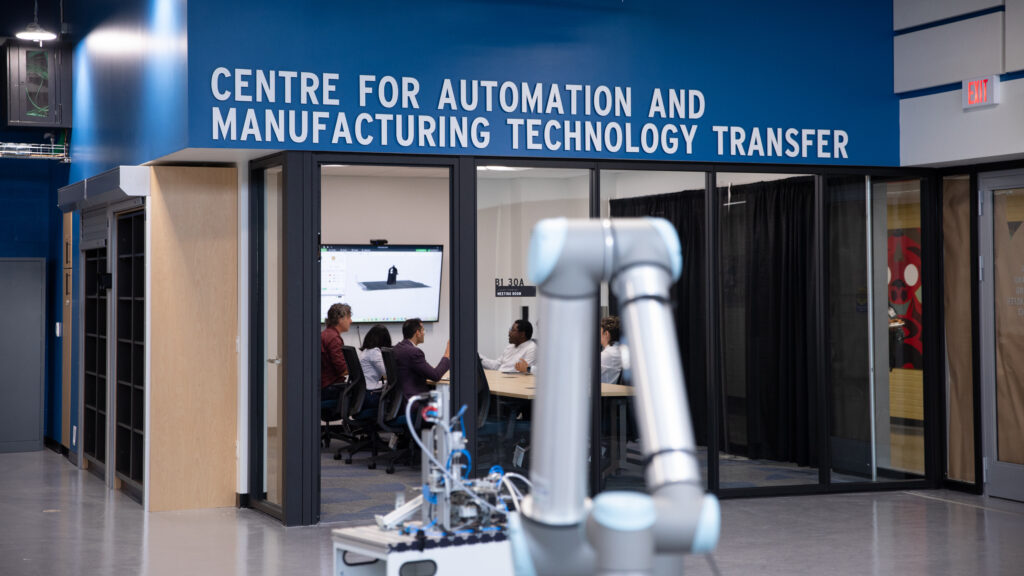
a robotic arm sits outside of the boardroom of RRC Polytech’s Centre for Automation and Manufacturing Technology Transfer (CAMTT).

“CAMTT is the research and innovation centre of the Price Institute of Advanced Manufacturing and Mechatronics. It was created to accelerate Manitoba’s digital transformation and adoption of Industry 4.0,” said Dr. Vikram Banthia, Director of the Price Institute. “Our partnership with TABAQ is an excellent example of how our professional researchers, faculty, and students collaborate with industry experts on projects to develop and implement emerging technologies that improve efficiency and reliability through AI, Internet of Things (IoT), robotics, automation, and additive manufacturing.”

TABAQ is a local startup dedicated to delivering rapid response, high-quality non-destructive testing to optimize resources, cost, and schedule for aerospace and aviation firms. An Approved Maintenance Organization (AMO) by Transport Canada, TABAQ adheres to the industry’s highest safety and regulatory standards, offering NDT services at the customer’s site whether in factory, in hanger, or on wing.

“Our local team of CGSB Level II NDT technicians can deliver high-quality, certified, traceable services anywhere in Manitoba within 72 hours,” said Ramzy Farrag, Founder and CEO of TABAQ Smart Aerotech Manufacturing Inc. “We are building our services from the ground up to align with our customers’ needs and keep our skies safe. By working with CAMTT to improve the current available inspection technology, we will be able to maximize our responsiveness, flexibility, and efficiency.”

two people shake hands in the TABAQ boardroom

Together, they’re working on a computer vision system called Project Axion – an artificial intelligence (AI) technology that enables machines to capture, process, and interpret visual data from the physical world. It automates the evaluation of materials, welds, and structural components by converting sensory data into actionable, measurable images.

Phase 1 of Project Axion aims to digitally transform their conventional Liquid Penetrant NDT system to automatically identify internal cracks, voids, and surface flaws which will accelerate the inspection process, rather than replace skilled human inspectors – a common misconception of digital transformation.

“The technology is designed to support technicians, not replace them,” said Dr. Baltej Rupal, Research Chair, Advanced Manufacturing and Mechatronics at RRC Polytech. “Our team at CAMTT works at the intersection of industrial data, digital inspection, and process optimization to close the gaps between what AI technology promises and what a shop floor actually needs. We also help manufacturers navigate the funding landscape and innovation programs to de-risk technology adoption and make the business case for R&D investment.”

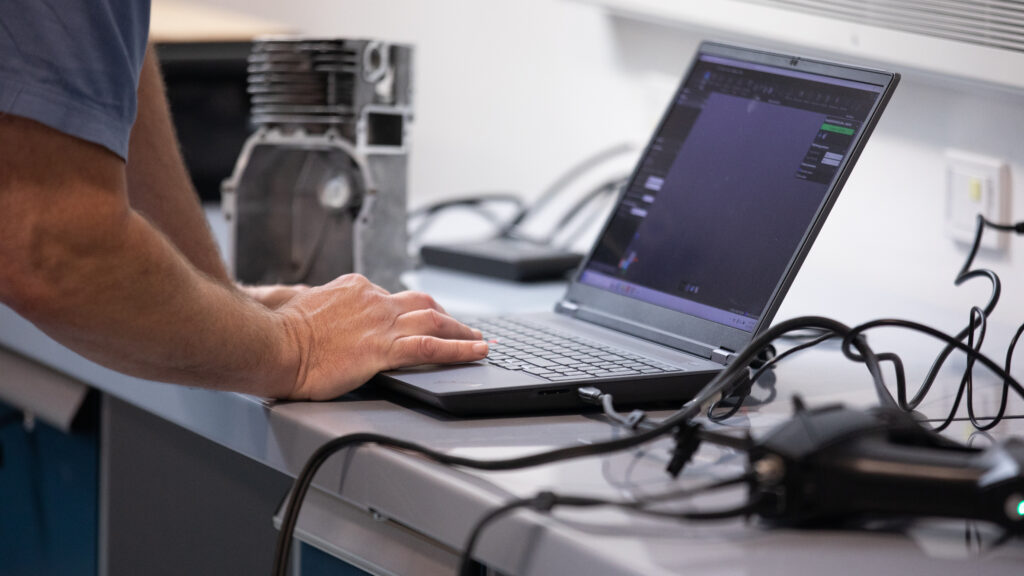
a hand typing on a laptop computer

The bottom line is a key factor for all organizations, but for a startup like TABAQ, access to RRC Polytech’s Digital Technology Transformation Initiative (DTTI) is a huge advantage – subsidizing some of the researcher’s time, specialized equipment and other associated resources on their ongoing project. Funded by a $3.4 million Mobilize grant from the Natural Sciences and Engineering Council of Canada (NSERC), the DTTI helps to offset the costs of qualified applied research collaborations that advance digital transformation and drive sustainability in Manitoba.

The project should be completed in September, but their initial results have been so positive that a Phase 2 is already being planned to develop new sensors and explore additional non-destructive testing technologies that will continue digitizing TABAQ’s inspection process.

“By combining technology; innovation; traceability; high-precision and skilled craftsmanship, we aim to build long-term partnerships and contribute to a stronger, more resilient aerospace supply chain,” said Farrag. “RRC Polytech’s DTTI program is one of the strongest enablers for our success in digital transformation, allowing us to explore cost-effective solutions to achieve our ambitious goals, so we look forward to working with the experts at CAMTT to improve our NDT service and make our clients’ experience as simple and convenient as possible.”


We acknowledge the support of the Natural Sciences and Engineering Research Council of Canada (NSERC).

Nous remercions le Conseil de recherches en sciences naturelles et en génie du Canada (CRSNG) de son soutien.
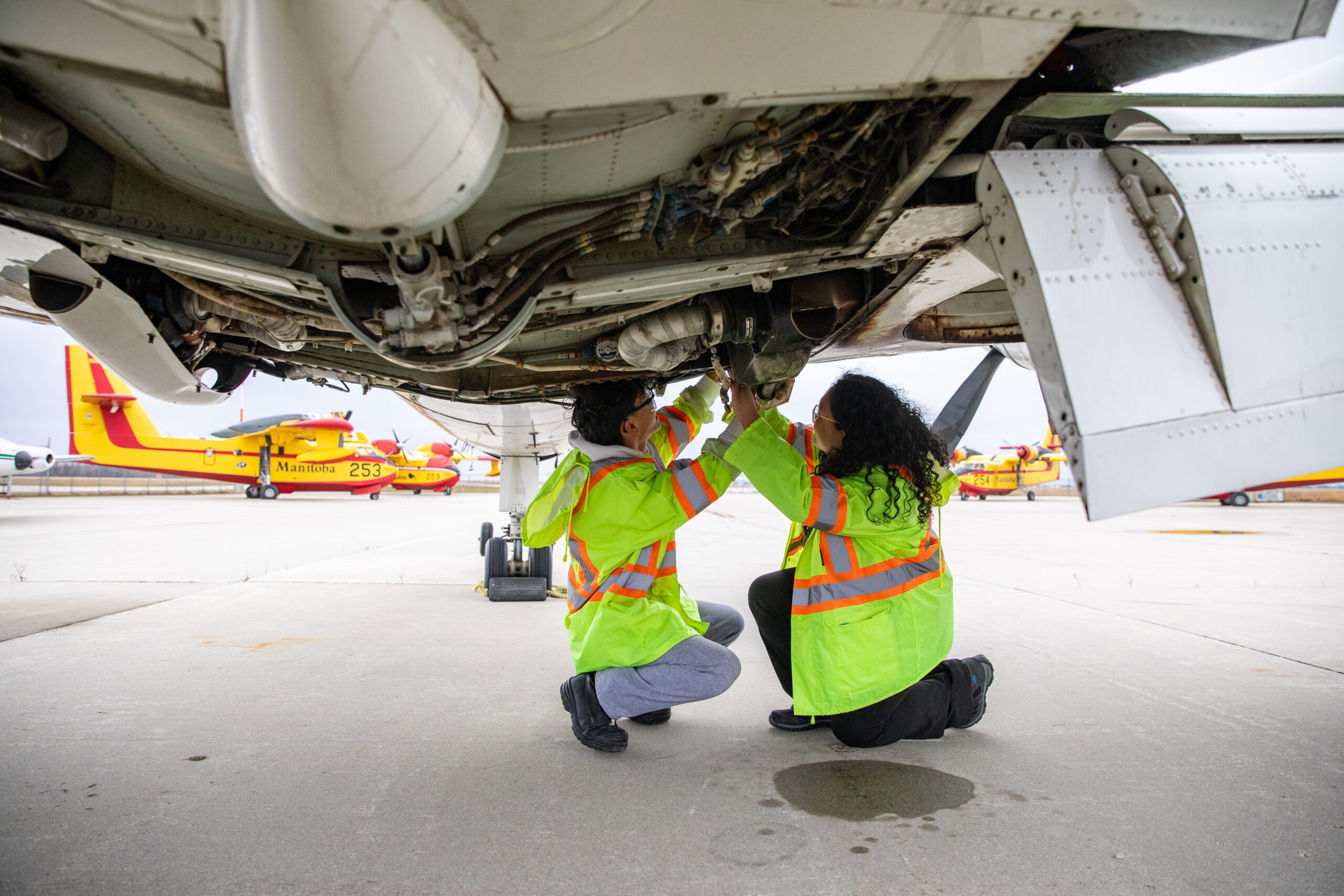

DTTI Funding Injects Augmented Reality into Electric School Bus Conversion Project

April 29, 2026

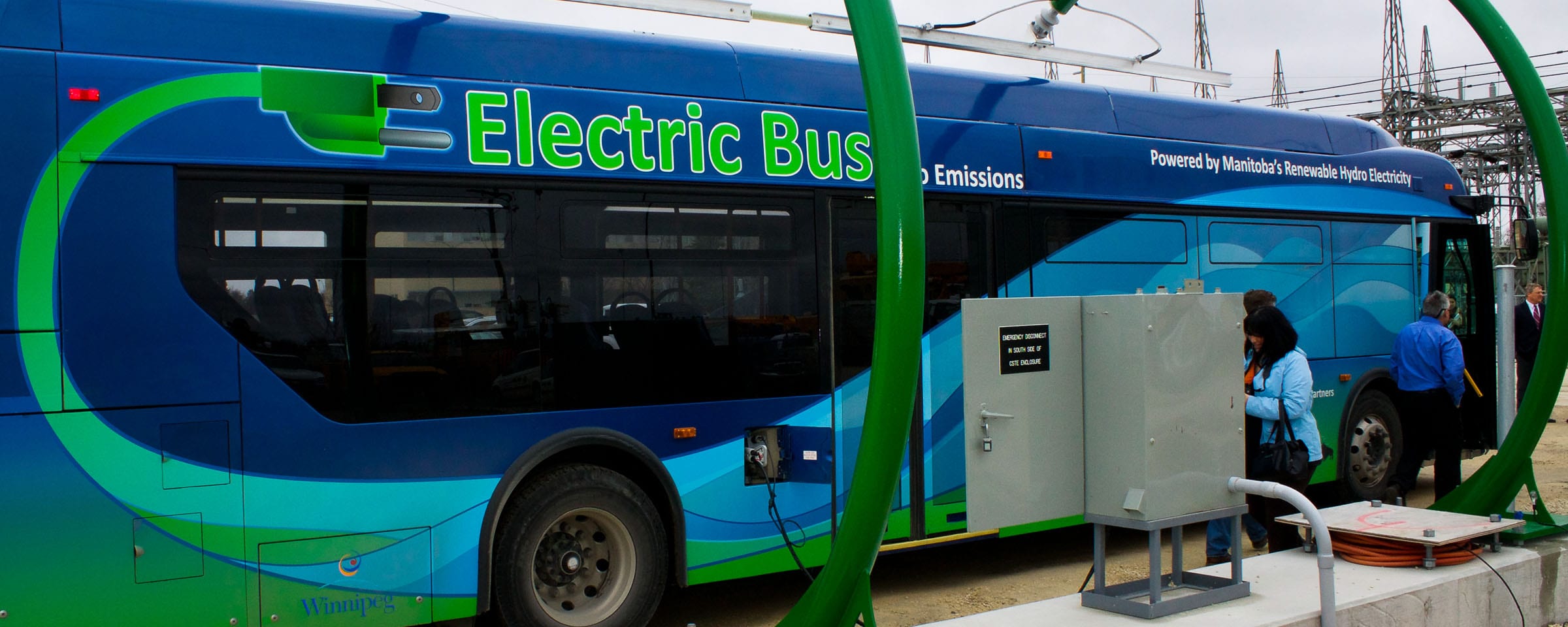
As Manitoba celebrated the rollout of its first low-carbon school bus converted from diesel to electric at RRC Polytech’s Vehicle Technology and Energy Centre (VTEC), another quiet but critical revolution was also taking place behind the scenes – the use of Augmented Reality (AR) to document and guide the electrification process, moving forward.  

“Augmented Reality will play a key role as the province looks to scale EV conversions, ensuring that the workforce is not only ready but empowered to drive change,” said Jojo Delos Reyes, Director of RRC Polytech’s VTEC. “While the positive environmental impacts and cost-saving potential of the school bus conversion kit may transform the transportation sector, the outgrowth of adaptable AR innovation resulting from VTEC’s ongoing applied research with industry partner, Noble Northern, could resonate across all sectors.”  

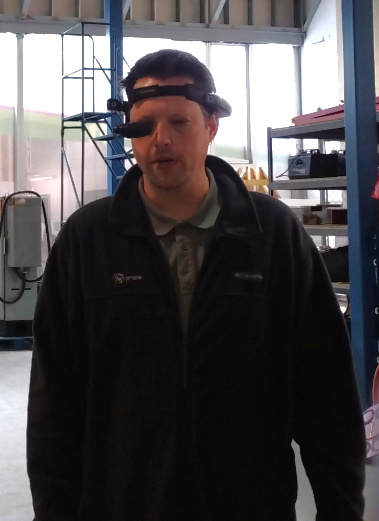
a researcher in AR headset

This additional outcome helped to qualify the project for funding through RRC Polytech’s Digital Technology Transformation Initiative (DTTI). Funded by a Mobilize grant of just over $3.4 million from the Natural Sciences and Engineering Council of Canada (NSERC), the DTTI is a cross-institutional program created to support collaborations that aim to advance digital adoption and drive sustainability in Manitoba.

On this project, DTTI funding provided the AR goggles and software, offset a portion of the research technologist’s time and supported the input of three students who gained valuable experience working directly with an industry leader to solve a real-world problem.

“The DTTI enables research partners to explore how digital technology like AR can be used not only to achieve their project’s primary goals but, in this case, to reimagine how complex mechanical tasks are taught, understood, and replicated,” explained Delos Reyes. “It’s all about lowering the risk for our industry partners to pursue automation, efficiency, and optimization. Together, we’re developing these new processes, today.” 

Static paper manuals are no longer a match for an AR headset that can overlay interactive 3D instructions directly onto items like physical bus components. This project validated that mechanics and students can now visualize each step of the conversion in real time – from removing the diesel engine to installing electric motors and controllers – with the added benefit of contextual guidance that can adapt to their actions. 

This immersive approach: 

  • Reduces errors by showing rather than telling 
  • Speeds up training for new technicians 
  • Improves retention of technical knowledge 
  • Enables remote support and collaboration 
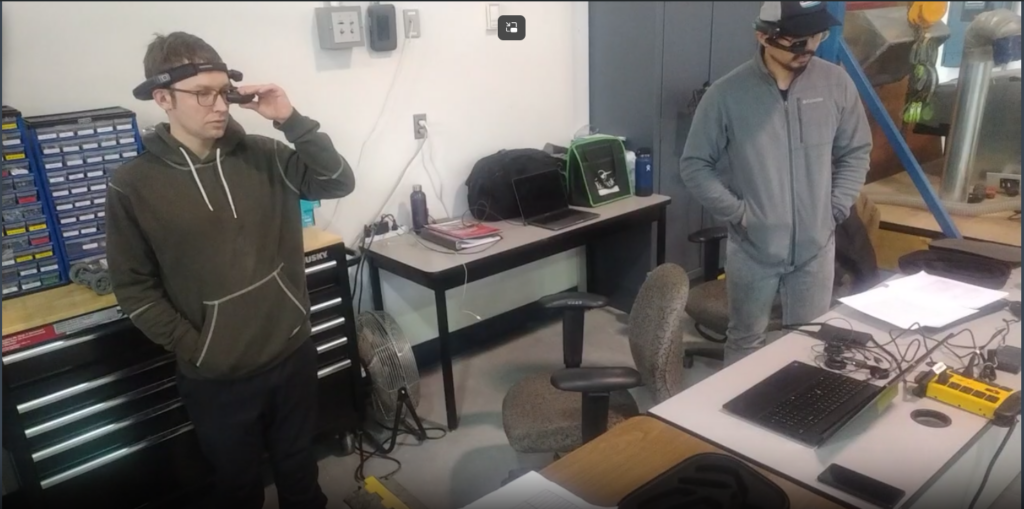
two researchers at VTEC wearing AR headsets

By digitizing the project’s documentation along the way, VTEC and Noble Northern’s experts are also creating a living knowledge base that can evolve with each innovation. AR-enhanced records are easier to update, share, and scale, making them ideal for fleet-wide adoption and future commercialization in virtually any industry.  

“We’re determined to use our manufacturing and metal fabrication expertise to become a force for change in creating a greener future, so it’s pretty cool that a co-product of us adopting cleaner technology has a universal application,” said Tye Noble, President, Noble Northern. “Our teams love working with RRC Polytech on research and development projects because they not only offer leading-edge facilities and resources, their staff and students are always looking for new ways to maximize on opportunities that arise from our work.”                 

This project demonstrates how access to funding streams like the DTTI act as a catalyst for the innovation, collaboration, and skill development that is positioning RRC Polytech and its partners at the forefront of Manitoba’s digital transformation and sustainability efforts.

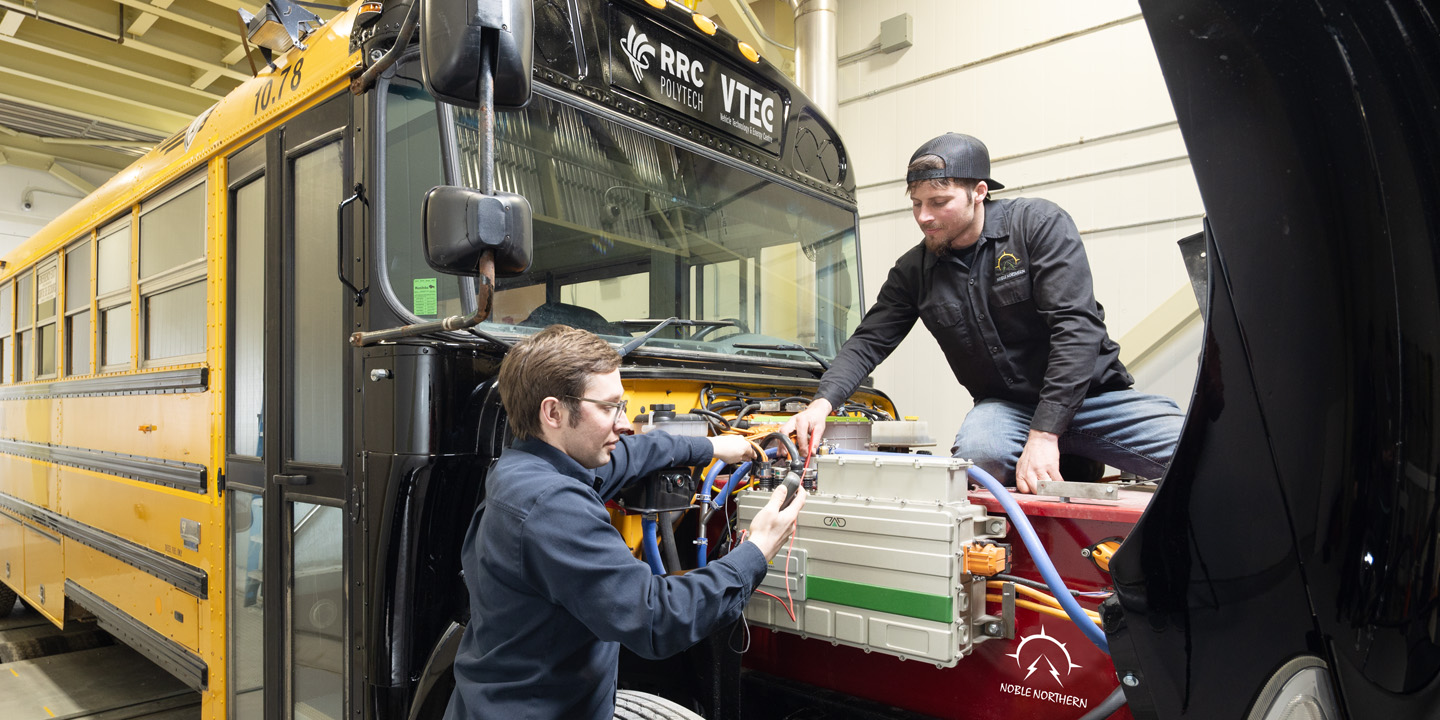
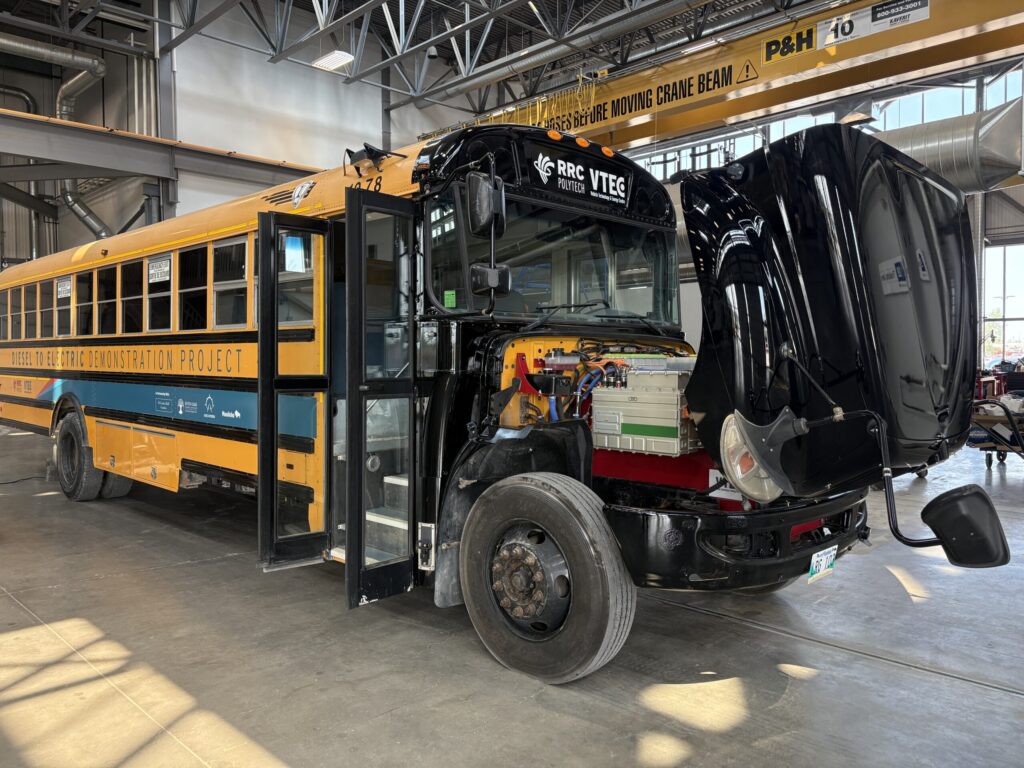
school bus with engine compartment open to show electric motor


We acknowledge the support of the Natural Sciences and Engineering Research Council of Canada (NSERC).

Nous remercions le Conseil de recherches en sciences naturelles et en génie du Canada (CRSNG) de son soutien.

RRC Polytech Showcases Role of Applied Research to CFI Leadership

March 27, 2026

Industry‑driven, applied research – a foundational pillar at RRC Polytech – supports local small- and medium-sized enterprises (SMEs), strengthens communities, and enhances student learning. 

Through its Research Partnerships & Innovation (RPI) enterprise, RRC Polytech helps Manitoba companies adopt new technologies, test emerging solutions, and bring innovative products to market, while training the workforce of tomorrow. Spanning diverse fields from advanced manufacturing, sustainable construction, and transportation to culinary and digital technology adoption, every applied research project at the Polytech shares a common purpose: advancing Manitoba’s socioeconomic priorities through practical, real‑world innovation.

Transforming great ideas into tangible solutions requires a significant and ongoing investment into leading-edge resources, facilities, and expertise. Since 1997, Canadians have directly experienced the impact of public investments into research infrastructure through the Canada Foundation for Innovation (CFI). The CFI’s success is based on a simple premise – give Canadian researchers the tools they need to think big and conduct world-class research.

As a result of 4.6 million dollars in CFI funding, excluding IOF (Infrastructure Operating Funding) over the last decade, these tools are in daily use across RRC Polytech’s eight campuses. Resources such as:

  • VTEC (Vehicle Technology and Energy Centre)’s MotiveLab Vehicle Climatic Chamber Test Facility supporting Manitoba’s $2B heavy vehicle manufacturing sector with emissions, fuel efficiency, and extreme climate testing
  • TACAM (Technology Access Centre for Aerospace and Manufacturing)’s X-Ray Computed Tomography (XCT) in the Smart Factory providing advanced non‑destructive testing previously unavailable in the region, enabling safer, more reliable, and data‑driven decision‑making
  • BETAC (Building Efficiency Technology Access Centre)’s Centre for Applied Research in Sustainable Infrastructure (CARSI) enhancing component and assembly performance in relation to intended use, service life, and climate conditions
  • PRK (The Prairie Research Kitchen) an advanced culinary research laboratory specializing in food product innovation, clinical trial support, and agri-food applied research

Members of CFI’s leadership teams recently toured the Notre Dame Campus to meet some of the researchers and industry partners that they support and learn more about their successful projects being powered by these specialized facilities and equipment.   

“We were delighted to host the CFI Innovation Board and management and highlight the strength of applied research and innovation happening across Canada’s colleges enabled through strategic infrastructure investments,” said Dr. Jolen Galaugher, Executive Director, Research Partnerships & Innovation at RRC Polytech.

“Colleges and Polytechnics like RRC Polytech play a critical role in the innovation ecosystem by connecting research with industry and end users. That connection is what enables new technologies to be demonstrated, developed, and translated into real-world products and services that can be adopted at scale to deliver meaningful impact for Canadians.”

Canada’s economic security and competitiveness depend on a research ecosystem that delivers real‑world results and the opportunity ahead is even greater. Despite a strong track record of commercialization and SME support, colleges currently receive less than two percent of total CFI funding, with over 90 percent concentrated in a single, highly competitive program. Strengthening college access to CFI funding would accelerate lab‑to‑market outcomes, expand regional innovation, and improve the return on public investment.

“We’re ready to do more. Initiatives like Labs4, a national network of 40 colleges and universities supporting research‑based ventures demonstrate what’s possible when colleges like RRC Polytech are empowered to take a lead role in the innovation ecosystem,” said Galaugher.

“With expanded funding access, stronger operating support, and deeper collaboration across institutions, we can help Canada innovate faster, scale further, and ensure that every region benefits from the discoveries of tomorrow.”

Prairie polytechnics unite to fast track mining innovation

March 4, 2026

An applied research network launched in January 2025 continues to bring together six leading prairie polytechnics to accelerate innovation in Western Canada’s mining sector, tackling real‑world industry challenges through rapid, collaborative research sprints.

The Prairie Polytechnic Innovation Network Accelerating Commercialization for Local Ecosystems, known as P2INACLE, brings together Saskatchewan Polytechnic, NAIT, Northwestern Polytechnic, Red Deer Polytechnic, RRC Polytech and SAIT to advance applied research and strengthen Canada’s global competitiveness.

P2INACLE logo

The latest P2INACLE applied research initiative, Innovation Sprints, resulted in four new projects focused on mining innovation. These will deliver actionable insights on industry challenges identified by the International Minerals Innovation Institute (IMII), provide foundational research to guide future initiatives and strengthen collaboration across participating polytechnics by mapping shared expertise and facilities. Each project runs from January to March 31, 2026, with up to $25,000 in funding available with support from IMII, PrairiesCan and the lead polytechnic.

“Collaboration is critical to accelerating Canada’s innovation economy across all sectors. Applied research networks like P2INACLE increase knowledge transfer and create connections that help to unlock opportunities for industry partners by maximizing not only RRC Polytech’s vast resources but all of the incredible technology, facilities and expertise available right across the prairies,” said Dr. Jolen Galaugher, Executive Director, Research Partnerships & Innovation at RRC Polytech. 

“Our teams have years of experience working with cold spray, additive manufacturing and advanced welding technologies so it’s a natural but exciting next step to collaborate with our P2INACLE colleagues to explore how we can apply these skills, along with emerging AI applications, to enhance efficiency for our partners in mining.”

“IMII is pleased to partner with P2INACLE for the Innovation Sprint projects, which provide an opportunity to get a high-level overview of recent innovations across a wide breath of sectors in areas that are strategically relevant to the Saskatchewan mining sector” says Lesley McGilp, executive director of IMII.  “IMII is excited to see the outcomes of the Innovation Sprint projects which will help inform follow-on projects supported by our consortium members.”

Red Deer & RRC Polytech: Advanced manufacturing and advanced materials applications sprint 

Researchers Dr. Tonya Wolfe, Debyoti Sen and Dr. Kyle Nicholson from Red Deer Polytechnic, in collaboration with Dr. Baltej Rupal from RRC Polytech, will explore how advanced manufacturing technologies, including cold spray, additive manufacturing and advanced welding, could enhance efficiency and performance in mining operations. This project will inform potential mining applications for advanced manufacturing opportunities by exploring market factors influencing adoption, their use in other sectors, knowledge gaps requiring applied research, cross-sector opportunities, and underutilized capabilities in the prairie provinces. 

NAIT: Impactful innovations scan sprint

Led by NAIT researcher Dr. Lei Yang this initiative will conduct a comprehensive technology scan and literature review of emerging innovations relevant to underground and solution mining. Yang will identify proven, high-impact technologies, assess their maturity and cross-sector origins, and evaluate their applicability to Saskatchewan’s underground and solution potash and uranium operations. Drawing on recent advances across sectors including oil and gas, energy, nuclear, construction, agriculture, and environmental monitoring, the study will prioritize technologies that have been demonstrated in real-world underground or harsh operating environments.

Northwestern Polytechnic: Industrial safety and trades innovation sprint

Lorelle Warr and Dr. Brye McMorran, researchers from Northwestern Polytechnic are analyzing injury trends across mining and related industries such as utilities and oil and gas. They will explore innovations used outside the mining sector and/or Saskatchewan to determine their potential application within the province’s mining sector, with the goal of reducing time-lost injury claims.

NAIT: Water use and reuse technology sprint

Lead by NAIT researcher Muhammad Burhan, this applied research project evaluates water treatment technologies for recovering potassium chloride (KCl) from potash brines and improving water reuse in both potash and uranium mining operations. Through a technology scan and literature review, it will assess thermal, membrane, and hybrid systems focusing on energy use, scalability and brine‑separation efficiency. The study will explore opportunities to use low‑grade waste heat from potash drying processes to power low‑temperature desalination. Applicability to uranium effluents, including chloride and contaminant removal through thermal distillation and membrane filtration, will also be examined to recommend viable, low‑footprint solutions for each sector.

“We’re thrilled to see such dynamic applied‑research collaboration and innovation happening across these polytechnics,” says Sabrina Kehoe, navigator and manager of P2INACLE. “The results of these Innovation Sprints will bring great value to IMII and its members. We’re grateful to PrairiesCan for supporting and investing in these forward‑thinking projects and network!”

Innovation Sprints mark the second wave of P2INACLE’s collaborative research efforts—laying the groundwork for future projects under IMII’s IDEATE 2026 initiative and helping position the prairie provinces as leaders in mining innovation. IDEATE is an opportunity for research faculty and students to engage together to learn about and discuss problem areas identified by the minerals industry which they believe are amenable to applied research with the potential to lead to the development of innovative solutions.

P2INACLE aims to drive economic growth and diversification through collaboration. It acts as a catalyst for regional prosperity by providing streamlined access to resources for industries, especially small and medium-sized enterprises and larger businesses. By leveraging the expertise and facilities of each polytechnic, P2INACLE offers tailored solutions for commercialization and diversification, fostering innovation and knowledge exchange. 

Learn more at P2INACLE.ca

Labs4 is Bridging Canada’s Research-to-Market Gap – February Update

February 27, 2026

Labs4 launches Market to Lab pilot projects at RRC Polytech and NSCC

Labs4 has launched pilot projects for its Market to Lab (MtL) Program, now underway at RRC Polytech in the Prairies and Nova Scotia Community College (NSCC) in Atlantic Canada. Market to Lab is a two-month, hands-on commercialization sprint for researcher-entrepreneurs building research-based ventures.   

Valorizing Canadian Innovation: How Labs4 and Labs+ Turn Research into Economic Value

For decades, Québec has led Canada in valorization, investing in applied research capacity and industry-facing supports that help teams protect IP early, test it in real-world conditions and make the manufacturability, durability and scale-up decisions that determine whether a discovery becomes something the market can adopt. Labs4 and its Québec hub, Labs+, are designed to extend that momentum across the country.

Labs+: Activating Québec’s CCTT Ecosystem to Accelerate Research to Market

Canada is rich in research, but finding pathways to bring good ideas to market remains a national challenge. In Québec, a new innovation hub is tackling that gap head-on. Labs+ is the province’s hub of Labs4, a pan-Canadian initiative that helps student-researchers and early-stage innovators move their work out of the lab and into the market by embedding commercialization support early in the innovation journey.


Labs4 is an RRC Polytech-led, Canada-wide network of 38 colleges, universities, and polytechnics working in partnership to empower researcher-entrepreneurs to turn academic breakthroughs into real-world ventures, products, and solutions.

Delivered through 11 Regional and Indigenous Entrepreneurship Hubs, Labs4 is inclusive by design, nationally coordinated, and regionally grounded. Our mission is to close Canada’s research-to-commercialization gap by equipping researcher-entrepreneurs with the experience, tools, and networks to turn ideas into impact.

We build on research excellence by prioritizing productization and real-world outcomes. Through Labs4, innovations gain traction, ventures gain momentum, and Canada gains economic and social value.


RRC Polytech campuses are located on the lands of the Anishinaabeg, Ininiwak, Anishininwak, Dakota Oyate, and Denésuline, and the National Homeland of the Red River Métis.

We recognize and honour Treaty 3 Territory Shoal Lake 40 First Nation, the source of Winnipeg’s clean drinking water. In addition, we acknowledge Treaty Territories which provide us with access to electricity we use in both our personal and professional lives.