Health Minds Healthy College

Campus Well-Being

News and Events

July Exercise of The Month: The Glute Bridge

July 10, 2025

The Glute Bridge is a powerful lower-body exercise that targets the glutes, hamstrings, and core. It’s low-impact, beginner-friendly, and doesn’t require any equipment—making it a perfect addition to home or gym workouts. Whether you’re working on strengthening your hips and core, improving low back pain, or supporting better movement patterns, the glute bridge is a foundational move with big benefits.


How to Perform the Glute Bridge

Add glute bridges to your strength routine to activate and strengthen your posterior chain—especially the glutes, which play a major role in posture, performance, and injury prevention.

Starting Position:
Lie on your back with knees bent, feet flat on the floor about hip-width apart, and arms resting by your sides. Engage your core and keep your lower back in a neutral position.

Lift with Intention:
Press through your heels to lift your hips toward the ceiling, squeezing your glutes at the top. Your body should form a straight line from shoulders to knees.

Lower with Control:
Slowly lower your hips back to the ground with control—don’t collapse or rush the movement.

Repeat:
Aim for 8-12 reps for 2–4 sets, depending on your strength level and goals.


Variations

Glute Bridge Hold
Hold the top position of a glute bridge for 20–30 seconds instead of doing reps to build core stability and muscular endurance.

Add a Mini Band or Dumbbell
Place a mini resistance band just above the knees to increase glute activation and prevent your knees from caving in, or add a dumbbell on top of the hips for extra resistance and strength-boosting benefits. Either of these variations will make this exercise more challenging.

Advanced: Single-Leg Glute Bridge
Lift one leg off the floor and perform the bridge on a single leg. This challenges your stability and strength in your core and hips, one side at a time. Unilateral exercises are great for correcting muscular imbalances, improving stability, and for enhancing coordination.


Benefits of This Exercise

Targets the Glutes & Hamstrings:
Strengthens the muscles responsible for hip extension and posture.

Improves Core Stability:
Engages your deep core muscles, supporting better spinal alignment and balance.

Enhances Athletic Performance:
Supports powerful movements like running, jumping, and lifting.

Promotes Lower Back Health:
Strengthening the glutes helps take pressure off the lower back during movement.

Scalable for All Fitness Levels:
Simple to modify and progress depending on your goals and experience.


Try It Today!

Whether you’re recovering from an injury, building strength at home, or looking to spice up your lower-body routine, the glute bridge is a simple but effective move you’ll want to master. Focus on controlled movement, keep your core tight, and feel those hips working with every rep.

Want to see glute bridge in action? Head over to our Instagram for a video tutorial!


Sources

20 Glute Bridge Variations | Redefining Strength

5 Benefits of the Glute Bridge | BarBend

How to Do the Glute Bridge Exercise

July MindWell Programs

June 30, 2025

It’s common to end the day with tension in the back, shoulders, or both.

Poor posture often shows up as discomfort in different parts of the body, but small, consistent habits can make a big difference at your desk and in daily life.

This July, MindWell’s programming is focused on helping you move more mindfully and feel better in your body. Join us for a series of expert-led sessions designed to support your overall well-being:

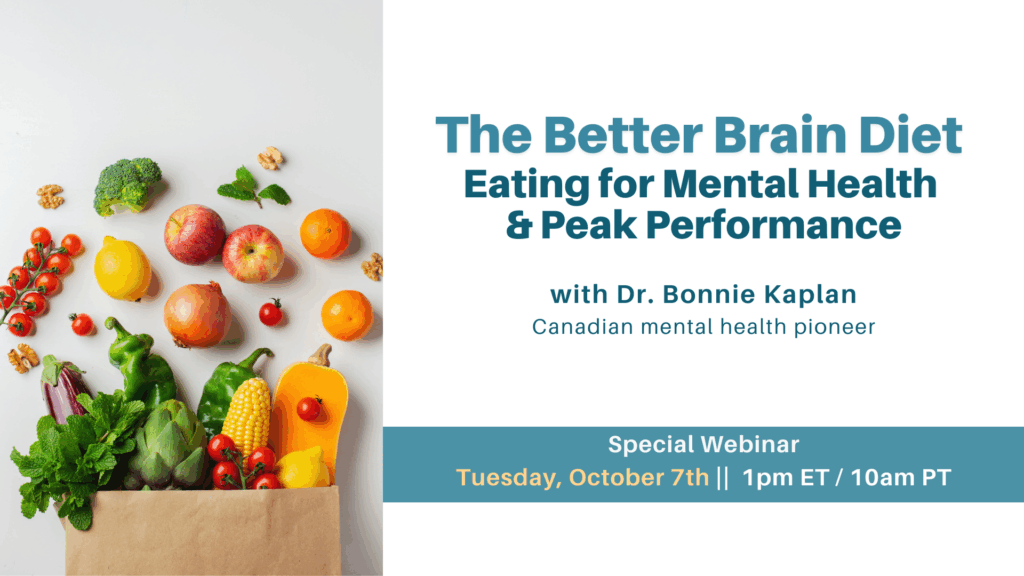
  • NEW: Posture, Pilates & Alignment for the Workplace
  • Tune Into the Sound and Motion of Wellness
  • Coping with Stress and Anxiety
  • Energy in Motion: Using Breath to Ease Tension

Take a moment for yourself this month, your body and mind will thank you.

Sign up by logging into your free MindWell account. You can do that here.
Posture, Pilates & Alignment for the Workplace – Tuesday July 15 at 12 pm CST

Unlock the secrets to a pain-free and productive workday in our upcoming webinar on Posture, Pilates, and Alignment in the Workplace. Discover simple yet powerful Pilates-based exercises and ergonomic adjustments you can implement immediately at your desk to improve your posture and spinal alignment.

Reclaim your comfort, boost your energy levels, and prevent those nagging aches and pains that hinder your focus – no prior experience needed! Register HERE.

woman standing up at desk stretching

Tune Into the Sound and Motion of Wellness – Wednesdays at 11 am CST.

Experience how intentional movement and the power of sound can elevate your energy, boost your mood, and support overall well-being. Register HERE.

waterfall

Coping with Stress and Anxiety – Thursdays at 2 pm CST

Learn about the spectrum of mental health and how to support yourself and others through challenging times. Discover practical tools to manage stress and know when to seek help. Register HERE.

lake at sunrise

Using Breath to Ease Tension – Fridays at 11 am CST

Learn how simple, intentional movements paired with breathwork can restore energy, ease tension, and support better posture throughout your day. Register HERE.

dandelion puffball floating away in the wind

June Stretch of the Month – The Figure 4 Stretch

June 25, 2025

The Figure 4 Stretch is a powerful yet accessible way to target the outer hips and glutes—especially the piriformis muscle, which can contribute to lower back pain and sciatica when tight. Whether you’re an athlete, desk dweller, or just waking up with stiff hips, this stretch offers relief and improved mobility for everyone.


How to do the Figure 4 Stretch (With Variations)

Sit with knees bent, feet flat:
Cross one ankle over the opposite thigh.

Support behind you:
Lean back slightly onto your hands or elbows, adjusting your distance to increase or decrease the intensity.

Cross one ankle over the opposite thigh:
Your legs should form the shape of a “4.” Keep the foot of the crossed leg flexed to protect your knee.

Hold and breathe:
Feel the stretch in your outer hip and glutes. Stay for 30 seconds to a minute, then switch legs.

Push your chest forward slightly:
To intensify this stretch, broaden your chest and bring your upper body closer to your bent leg. You should feel a strong stretch in the crossed-leg hip and glute.

Seated Figure 4 at a Desk (Perfect for Office or Travel)

Sit tall in your chair:
Plant both feet on the floor and keep your spine upright.

Cross one ankle over the opposite knee:
Form that “4” shape again, flexing the foot to protect the knee.

Lean forward gently:
Hinge at the hips (not the lower back) to increase the stretch. Keep your back flat and bring your chest towards your bent leg for a deep stretch. Hold for 30-60 second and repeat on the other side.

Thread-The-Needle Variation

Lie on your back:
Bend your knees and place your feet flat on the floor.

Cross one ankle over the opposite thigh:
Your legs should form the shape of a “4.” Keep the foot of the crossed leg flexed to protect your knee.

Reach & Pull Gently:
Reach through the gap and grab the back of your thigh (or shin for a deeper stretch), gently pulling it toward your chest. Keep your shoulders relaxed and head resting on the ground.

Breathe and hold:
Take deep breaths as you hold the stretch for 30–60 seconds, then switch sides.

Why Add the Figure 4 Stretch to Your Daily Routine?

Releases Hip and Glute Tension:
Sitting, running, or weightlifting can leave hips feeling tight. This stretch offers focused relief.

Improves Lower Back Health:
By loosening the piriformis and surrounding muscles, the Figure 4 Stretch can help reduce sciatic-like symptoms and lower back discomfort.

Boosts Mobility and Comfort:
Regular hip mobility work can make daily activities—like walking, bending, or squatting—feel easier and more natural.

Versatile and Accessible:
From your desk chair to your yoga mat, this stretch goes wherever you go.


Try It Today!

Choose the version that fits your day—at your desk, on your mat, or while winding down in the evening. Just a few minutes of Figure 4 Stretching can bring lasting relief and greater hip freedom.

Listen to your body, breathe deeply, and enjoy the release. For a video tutorial of these variations, head to our Instagram page @rrcwellbeing.

Sources

The 24 Best Stretching Exercises for Better Flexibility | SELF

How to Do a Figure 4 Stretch: Tips and Variations

Figure 4 Variations: How To Stretch the Piriformis Muscle

Unmasking for Men’s Mental Health Week

June 10, 2025

banner with Men's Mental health week in white text, June 9-16 in black text

This year the Canadian Mental Health Association is encouraging all Canadians to commit to creating a world where men feel safe enough to unmask and share how they are really feeling.

What is masking?

Masking happens when you hide how you are really feeling. Sometimes it’s automatic, sometimes you are aware of it.

You might be masking if:

  • you pretend to be okay so others don’t worry
  • you avoid talking about your mental health
  • you are using work, drugs, alcohol or other risks to distract yourself
  • you make jokes to cover what hurts

Men’s Mental Health Statistics

New research from the Canadian Men’s Health Foundation shows a significant decline in men’s mental health. More men are struggling with high levels of stress and depression; half lack sufficient social support, with most never seeking professional mental health services.

  • Men have a suicide rate three times higher than women.
  • Of the estimated 4,000 suicide deaths in Canada each year, close to 75% are men.
  • in 2020, 25% of Canadians with unmet mental health needs tried to deal with it alone, and 17% said they were too uncomfortable to talk about their mental health at all.

Why do mental health issues go untreated in men?

  • lack of knowledge or recognition of the signs
  • tendency to downplay or avoid discussing symptoms
  • tendency to avoid treatment due to fear of stigma

How can we help?

Woman supports black man with psychological problems. Girl comforts her sad friend over the phone.

Start the conversation. Ask the men in your life how they’re really doing—and listen without judgment. 

Normalize therapy. Encourage professional help, just as you would for physical health issues. 

Share resources. Highlight mental health supports and communities where men can connect. 

Challenge toxic masculinity. Redefine strength to include empathy, vulnerability, and courage

Photo Credit: Shutterstock

Need more resources?

Buddy Up is a men’s suicide prevention campaign: a call to action for men, by men, to drive authentic conversation amongst men and their buddies that promotes connection and wellbeing.

Canadian Men’s Health Foundation is a national, registered charity providing information, tools, and motivation to inspire men and their families to live healthier.

MindWell’s Take 5 can be used anytime or anywhere to lower stress, increase focus and get back into the present moment.

MenTELL.ca is helping men be vulnerable and speak up – and teaching them it’s okay not to be okay.

RRC Campus Well Being offers supports and resources mental health, physical fitness, and wellness.

Sources

Canadian Mental Health Association

Canadian Men’s Health Foundation

Mental Health Commission of Canada

Summer Safety & Fun: Make the Most of the Sunshine

June 3, 2025

With the brighter and warmer days of summer, enjoying campus life outside becomes much easier. Whether you grab one of our bikes for a ride, join friends for a game of frisbee, or just relax sitting under a tree, remember to stay safe.  From protecting your skin to borrowing the right gear, here’s how to make the most of summer safely and smartly.

Screen Up: Sun Safety Comes First

Bottle of generic sun screen and sunglasses poolside

Exposure to the sun comes with benefits like Vitamin D and challenges such as sunburn. Protecting your skin from over exposure helps keep your skin healthy and vibrant. Some tips include:

  • When the UV Index is 3 or higher, cover up with light-colored, breathable clothing, a wide-brimmed hat, and sunglasses that protect against UVA and UVB rays
  • Limit sun exposure between 11 a.m. and 3 p.m. and seek out shaded areas
  • Always use a broad-spectrum, water-resistant sunscreen with at least SPF 30, even on cloudy days
  • Stay hydrated by drinking plenty of cool water before you feel thirsty

Stay informed by checking the local weather forecast and UV Index to plan your outdoor activities wisely.

Pedal Smart: Borrow a Bike, Ride with Care

Group of young adults stretching before sports

Stay active and enjoy nature by borrowing one of four, daily use bicycles from Campus Well-Being. Pop by yourself or with friends to the North Gym with your ID card to check one out. Remember to always wear a helmet, use hand signals, and obey traffic laws. Be mindful of pedestrians and stick to bike lanes when possible. We’ll take care of the pre-ride check of tires, brakes, and seat height to ensure a smoother, safer ride every time.

Game On: Borrow Sports Gear for Outdoor Fun

From kicking around a soccer ball to organizing an impromptu frisbee match, outdoor games create fun opportunities to connect with others and build fitness during the summer. Need some equipment? No problem! Campus Well-Being lends out gear like soccer balls, frisbees, footballs, basketballs, volleyballs, cricket and badminton supplies from the North Gym at the Notre Dame Campus. Remember to bring your College ID card, warm up, stretch, and stay hydrated. Safe play leads to more play!

Stay Cool, Stay Hydrated

During outdoor adventures, remember to stay ahead of heat exhaustion and dehydration by prioritizing water intake.

Fellow holding a basketball and drinking from a water bottle.
  • Carry a refillable water bottle and take regular sips, even without thirst.
  • Health Canada advises drinking water throughout the day, especially before, during, and after physical activities, to reduce the risk of dehydration.
  • Plan high-energy activities for early morning or late afternoon, when the sun feels less intense.
  • Step into shade or head indoors if dizziness, weakness, nausea or overheating begins.
  • Symptoms like heavy sweating, weakness, and dizziness may indicate heat exhaustion, which can escalate to heat stroke if not addressed.
  • Incorporate water-rich foods such as cucumbers, lettuce, and watermelon into your meals to boost hydration levels.

By staying proactive and paying attention to your body’s signals, you can enjoy a safe and fun summer season. Small steps keep you going strong!

May we all soak up the sunshine and share laughs with friends and family all summer long. Remember to tune in to how you feel, take care when needed, and let good vibes lead the way to safe, happy summer days.

Sources:

Sun Safety Basics – Government of Canada

Canada.ca

The Nature Connection

June 2, 2025

Did you know that spending time in nature can significantly boost your mental health?

Recent studies have shown that exposure to natural environments is linked to improved overall well-being, enhanced coping skills, and a stronger sense of belonging. Whether it’s a walk through a local park, time spent near water, or simply being surrounded by greenery, nature offers a sanctuary for mental rejuvenation.

kayaking at the Red River, Winnipeg
Photo credit: Istock

What counts as “nature”?

Nature encompasses all elements of the natural physical environment, including forests, bodies of water, mountains, parks, gardens, and even animals. Interestingly, even indoor plants or a view of nature from a window can have positive effects on mental health.

Research shows that just a few minutes (1–10 minutes) of exposure to nature can boost attention, reduce feelings of stress and improve overall mood.

Practical Tips to Incorporate Nature into Your Routine

  • Regular Exposure: Aim for at least 20 minutes outdoors daily to experience significant improvements in mood and stress levels.
  • Choose an Activity You Like: find an activity that you enjoy doing! Maybe you enjoy riding your bike, or perhaps you like bird watching. There are so many options, try something new.
  • Start Small: Even a brief 10-minute walk in a natural setting can have immediate benefits for your mental health.
  • Engage Your Senses: Take time to notice the sights, sounds, and smells around you to fully immerse yourself in the natural environment.
calm river with puffy clouds in the sky, image taken near Rainbow Falls, Whiteshell Provincial Park
Photo credit: Istock

Not sure where to go or what to do? Try some of these ideas!

Sources:

June MindWell Programs

May 28, 2025

Distractions and stress often pull us away from the meaningful moments we crave, leaving us feeling overwhelmed or disconnected from our surroundings, from others, and even from ourselves.

You’re not alone. That’s why MindWell’s June programming is designed to help you gently return to presence, so you can meet each day with more clarity, calm, and energy.

Here’s what’s coming up in June:

  • Medicine Wheel: Harmonizing Mind, Body & Spirit
  • Let Nature Be Your Guide
  • Immersing Yourself in Nature
  • Self-Leadership: Navigating the 8 C’s

If you haven’t already claimed your free MindWell account, you can do that here.
The Medicine Wheel – Special Workshop, June 10 at 12 pm CST

A medicine wheel graphic hovering above a dimly lit lake.

Following a successful debut, MindWell facilitator Ariana Fotinakis, a trauma-informed somatic and breathwork coach, is back this June!

Join Ariana to explore the Medicine Wheel’s four doorways and connect with your emotional, physical, mental, and spiritual well-being. Nurture every part of yourself in harmony with nature.

Register here!

Let Nature Be Your Guide – Live Classes, Fridays, 11 am CST

An arial view of a costal road next to a large body of water.

With the warm weather here, reconnect with nature to ground yourself and enhance your well-being.

Explore mindfulness practices that help you attune to the natural world, fostering a deeper sense of calm and connection.

Register here!

Immersing Yourself in Nature – Live Classes, Thursdays, 11 am CST

A person jogging down a treed pathway.

Discover the calming and restorative energy of the natural world. In this class, Dr. Ellen will guide you in deepening your connection with nature to enhance your well-being. Learn to tap into the soothing power of water to bring balance, clarity, and renewal to your life.

Register here!

Self-Leadership Series – Live Classes, Wednesdays, 3pm CST

A landscape of an urban harbour, including a lighthouse.

Part I of the Self-Leadership Series. Join Jackie and explore a powerful framework to cultivate clarity, confidence, and connection in any situation.

Begin accessing and strengthening your inner resources for emotional balance, resilience, and intentional action, so you lead with calm.

Register here!

May Exercise of the Month: Push-Ups

May 15, 2025

Explore Our May Exercise of the Month: Push-Ups

The Push-Up is a timeless and versatile upper-body exercise that targets your chest, shoulders, triceps, and core. Whether you’re a beginner or more advanced, push-ups can be adapted to suit your strength level and training goals. They’re a perfect bodyweight exercise to build strength, endurance, and overall functional fitness—no equipment required!


How to Perform the Standard Push-Up

Add push-ups to your strength training or conditioning routine to build upper body and core strength using just your body weight.

Starting Position: Begin in a high plank position with your hands slightly wider than shoulder-width apart, shoulders stacked over wrists, legs extended behind you, and core engaged. Your body should form a straight line from head to heels.

Lower Down with Control: Bend your elbows at about a 45-degree angle as you lower your chest toward the floor. Keep your body in a straight line and avoid letting your hips sag or lift up.

Push Back Up: Press through your palms to extend your arms and return to the starting plank position.

Repeat: Aim for 8–15 reps for 2–4 sets, depending on your current strength level and goals.


Modifications & Variations

Beginner: Wall or Elevated Push-Ups
Start with push-ups against a wall, countertop, or sturdy bench to reduce the load and build strength with proper form. The higher the surface, the easier the movement.

From the Knees
Perform push-ups with your knees on the ground to decrease resistance while maintaining a strong core and upper-body engagement.

Advanced: Tempo or Decline Push-Ups
Slow down the movement to increase time under tension or elevate your feet on a step or bench to target your upper chest and shoulders more intensely.


Benefits of This Exercise

Strengthens Upper Body & Core: Engages the chest, shoulders, triceps, and core in one powerful movement.

Improves Functional Fitness: Push-ups mimic real-world movements, making everyday tasks easier and safer.

Scalable for All Levels: Easily modified to match your current ability and progresses as you get stronger.

Boosts Muscular Endurance: Performing higher reps or tempo variations builds stamina for other strength or cardio activities.

Enhances Mind-Body Awareness: Maintaining alignment and engaging the core encourages better body control and movement quality.


Try It Today!

Whether you’re just starting your strength journey or looking to level up your workouts, push-ups are a foundational move worth mastering. Focus on form, keep your core tight, and rest as needed.

Want to see push-up variations in action? Head over to our Instagram for a video demo!

Sources

Pushups Every Day: What Are the Benefits and Risks?

7 Powerful Health Benefits of Doing Push-Ups – You Must Get Healthy

The 20 Best Push-Up Variations Ranked From Easiest to Hardest

May 5-11 is Mental Health Week

May 2, 2025

Two people in conversation with text that reads: There's more to me. Open and honest conversations connect us all. Unmasking mental health, May 5 to 11, 2025. Mentalhealthweek.ca

Mental Health Week is an annual national event, led by Canadian Mental Health Association, to celebrate and raise awareness about the importance of mental health. This year’s theme is “Unmasking Mental Health.”

Many of us hide our struggles—at work, online, even with loved ones. But constant masking can be draining and isolating.

We all experience ups and downs in our mental health, and each person’s mental health is affected by unique situations and experiences.  Keeping the struggles hidden, and putting on a happy “mask,” can prevent us from truly connecting with others and can also prevent us from seeking support when it’s needed.

Alternatives to Masking

  • Give some thought to who in your life you trust and decide to be honest with them about how you’re truly doing. This vulnerability can lead to a deeper connection with that person and can help you feel less alone and more understood.
  • Spend some time in self-reflection, acknowledging your own true thoughts and feelings. It can be helpful to write down your reflections and take time to accept where you’re at.
  • Seek peer support. Talking to another person who has gone through mental health challenges can relieve the burden of holding on to your struggles alone and can inspire hope. RRC Polytech offers a free, confidential Peer Support Program where students can book one-on-one chats with other students who have been trained as peer supporters.
  • Connect with a professional. Almost 1 in 5 Canadians who needed mental health support didn’t reach out because they were uncomfortable talking about their struggles. Be brave and reach out. Review available resources and decide which one you want to try first.

This Mental Health Week, let’s start the conversation about unmasking mental health and breaking down stigma. Remember, open and honest conversations connect us all.

Invitation to Explore the MindWell Platform

To further your mental health-related learning, explore the MindWell platform, which includes training, live classes, and a video library all focused on building resiliency skills and nurturing your mental well-being.

Students and employees can access their free membership here.
Recharging through Creativity and Connection

May 1, 2025

At Campus Well-Being, we believe in creating space and time for busy College students and staff to relax, get creative, take a break and connect with others. Sometimes, the best way to recharge involves simple activities like doodling in the margins of a notebook, unwinding with a crafting project, or gathering friends for a classic card game. These low-pressure outlets foster mindfulness, boost mood, and provide a sense of connection and calm during hectic academic schedules.

Giving yourself permission to disconnect from an emotion or situation that might be causing stress or anxiety, and to create something or play a game instead, could change your whole day.

The Mindful Art of Doodling

Doodle of a tree with multiple geometric and looped patterns.

Doodling is defined as “an aimless or casual scribble, design or sketch.” For some people, doodling during lectures and meetings helps sharpen focus and aid in memory building and recall. The simple act of grabbing a pen and paper to create some random shapes and lines brings a busy mind into the present moment.

Doodling and drawing more intentionally and for longer periods of time can lead to a meditative state of mind. We lose track of time, and our worries seem to slip away as we lean into the lines.

This term, check out the Doodling Workshop to see how you react and play with simple designs.

Group of students around a table making buttons, bracelets and other crafts.

Crafting Community and Calm

Crafting can be another way to bring yourself into the moment. Whether you are knitting, crocheting, button making or beading, these hands-on projects can offer a grounding escape. The rhythmic flow of yarn through your hands and the needles, the release of colours from a paint pen onto a rock or the threading of beads on fishing line – all can create a sense of calm that quiets mental chatter.

Crafting with others adds another layer of benefit for some of us. During busy and transitional times, coming together builds community, combats isolation and promotes connection. Our Make and Take Crafting Lunch Breaks offer an inclusive and low-pressure space to come together, to decompress and engage with peers. All materials are supplied and no experience is necessary.

Board Games and Brain Breaks

Group of students playing uno around a table.

Games of all kinds encourage people to interact, cooperate and perhaps even engage in a little friendly competition. Campus Well-Being’s PopUp Game Room and Staff Cribbage and Games returns this spring term, calling you to take a break from your studies and meetings to have some fun.

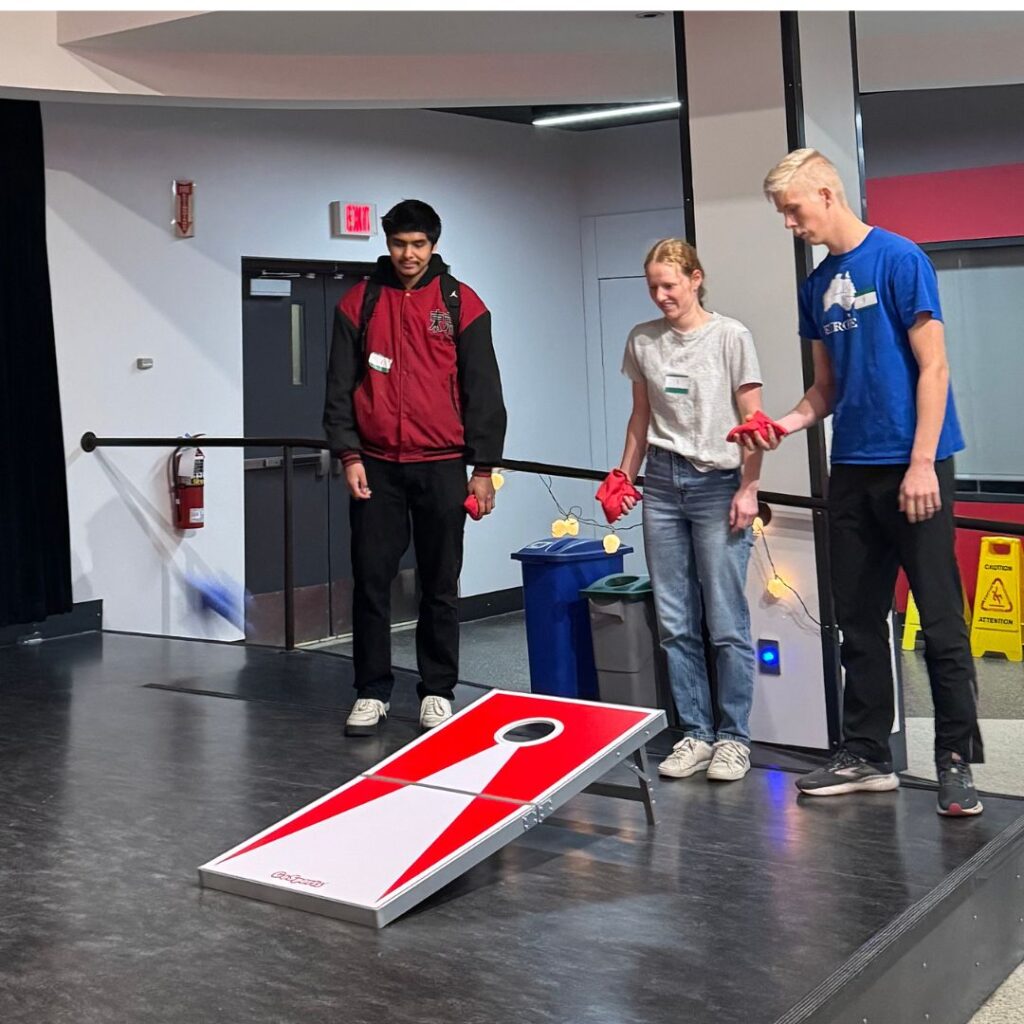
Playing games can boost your brain power and lead to improved memory, better problem solving skills, reduced stress, increased well-being and human connection. Gathering around a game of giant chess, Uno or Jenga, playing cornhole or ping pong with your peers might be the break you and your brain need.  Warning – laughter and good times are possible. Join us for a fun, screen-free way to recharge and refresh yourself.

May we all recognize when we need a mental, emotional or physical break, then take action to find activities that promote laughter, mindfulness, movement and connection.

RRC Polytech campuses are located on the lands of the Anishinaabeg, Ininiwak, Anishininwak, Dakota Oyate, and Denésuline, and the National Homeland of the Red River Métis.

We recognize and honour Treaty 3 Territory Shoal Lake 40 First Nation, the source of Winnipeg’s clean drinking water. In addition, we acknowledge Treaty Territories which provide us with access to electricity we use in both our personal and professional lives.