
Stronger Body, Calmer Mind: How Movement Supports Mental Health

Most of us are aware of the benefits of exercise to our physical health. Meeting the recommended 150 minutes/week of moderate to vigorous exercise can support weight management, improve cardiovascular health and reduce the risk of chronic disease. Increasingly, research shows that the benefits of exercise extend well beyond the physical. Regular movement can also play a significant role in supporting mental health – helping to reduce symptoms of stress, anxiety and depression – and is now recognized as a valuable, evidence based intervention for overall well-being.
Which Exercises Work Best?
While nearly any type of movement helps, research demonstrates specific workouts can provide targeted relief. For example, exercises like Yoga or Pilates tend to reduce anxiety and stress the most. Aerobic exercises – anything that increases the heart rate – can consistently elevate your baseline moods. Resistance exercises and strength training appear to help the most with depression. If you are a person who tends to not to be fond of activities like lifting weights or fitness classes, do any type of movement that is enjoyable to you. As with any mental wellbeing strategy, the longer you stick with your plan and the more often you exercise, the more benefits you’ll see.
What are the benefits to my mental health?
Research suggests that the benefits of physical activity to mental health come from the combined physiological, psychological, social and neurological effects of exercise.
Physiological: Movement boosts the production of endorphins and endocannabinoids, which are chemicals that help you relax, feel more pleasure and feel less pain. Movement also reduces the amount of the stress hormone – cortisol- that your body produces.
Psychological: Short bursts of movement – like a quick 10 minute walk- can make you happier in the moment by interrupting negative thought patterns and rumination. Regular physical activity helps to increase feelings of self-esteem and self-efficacy.
Social: People who exercise tend to have regular face to face interactions that come from group exercise or team sports. The social interaction can boost mood and help to prevent depression.
Neurological: Movement helps your brain to produce and use more dopamine and serotonin. These neurotransmitters interact with the brain and can activate positive emotions. People who exercise regularly also have more blood flowing to the brain which reduces inflammation. Lastly, exercise stimulates the release of growth factors in the brain, which optimizes the growth of new blood vessels and existing brain cells.
Where can I go to exercise?
Here are some suggestions:
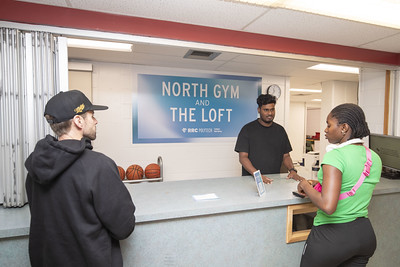
RRC Polytech staff and students can access Campus Well-Being’s fitness classes, recreation options, intramurals, and weight rooms throughout the year. Visit the Campus Well-Being Portal for more information or to sign up for a class.

Winnipeg offers an extensive network of multi-use pathways and scenic nature trails perfect for walking and biking. Visit the Manitoba Trails Association website to learn more.
The City of Winnipeg Leisure Guide is a practical, community-based resource that can play a meaningful role in supporting mental health through accessible movement and recreation. The guide is released seasonally and provides a wide variety of recreation and active living programs for all ages, abilities, and interests—including fitness classes, swimming, skating, yoga, sports, and general wellness programming.