Indigenous Education

Stories

Indigenous entrepreneurship featured in third annual RBC Reaction by Collision

April 27, 2023

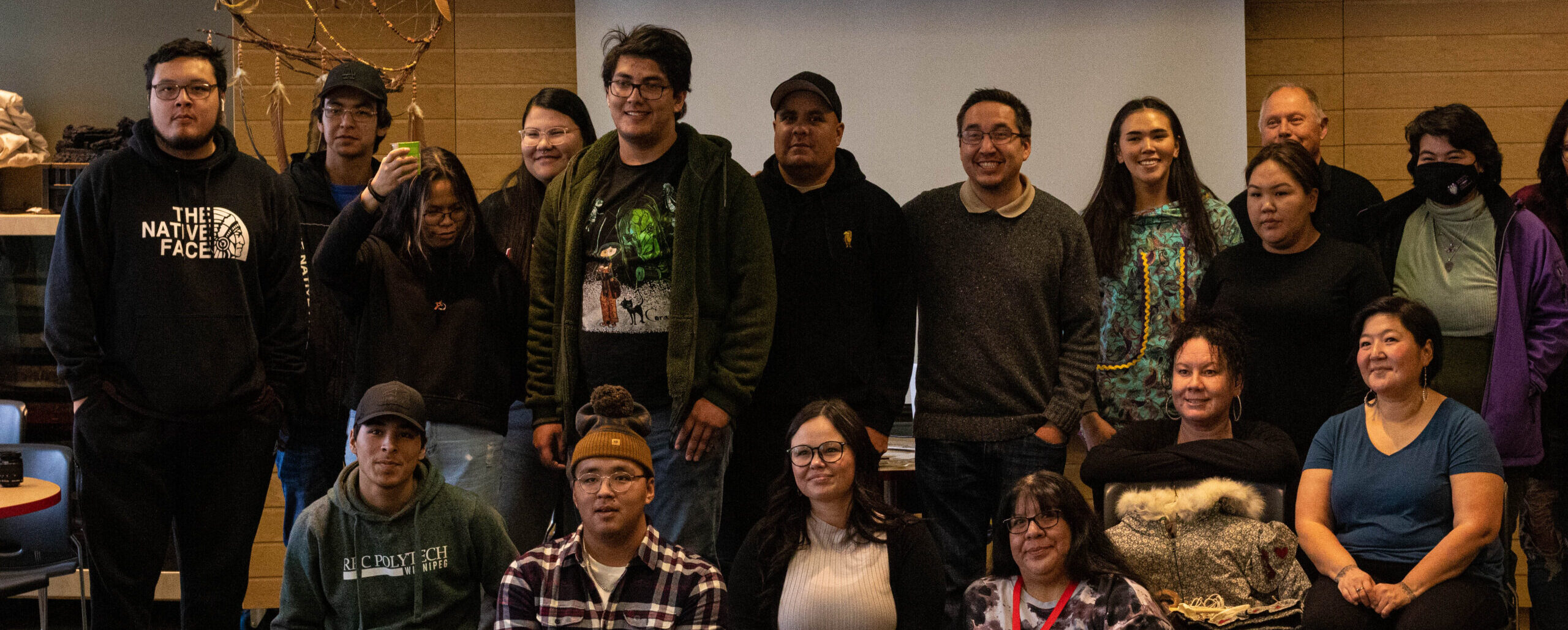
This week, hundreds of staff, students, industry partners and community members came together.

Everyone celebrated Indigenous Food, Fashion, and Music at the third annual RBC Reaction by Collision Community Event. Hosted at RRC Polytech’s Manitou a bi Bii daziigae, the event showcased Indigenous culture and arts in Manitoba and highlighted the importance of creating space for Indigenous entrepreneurship.

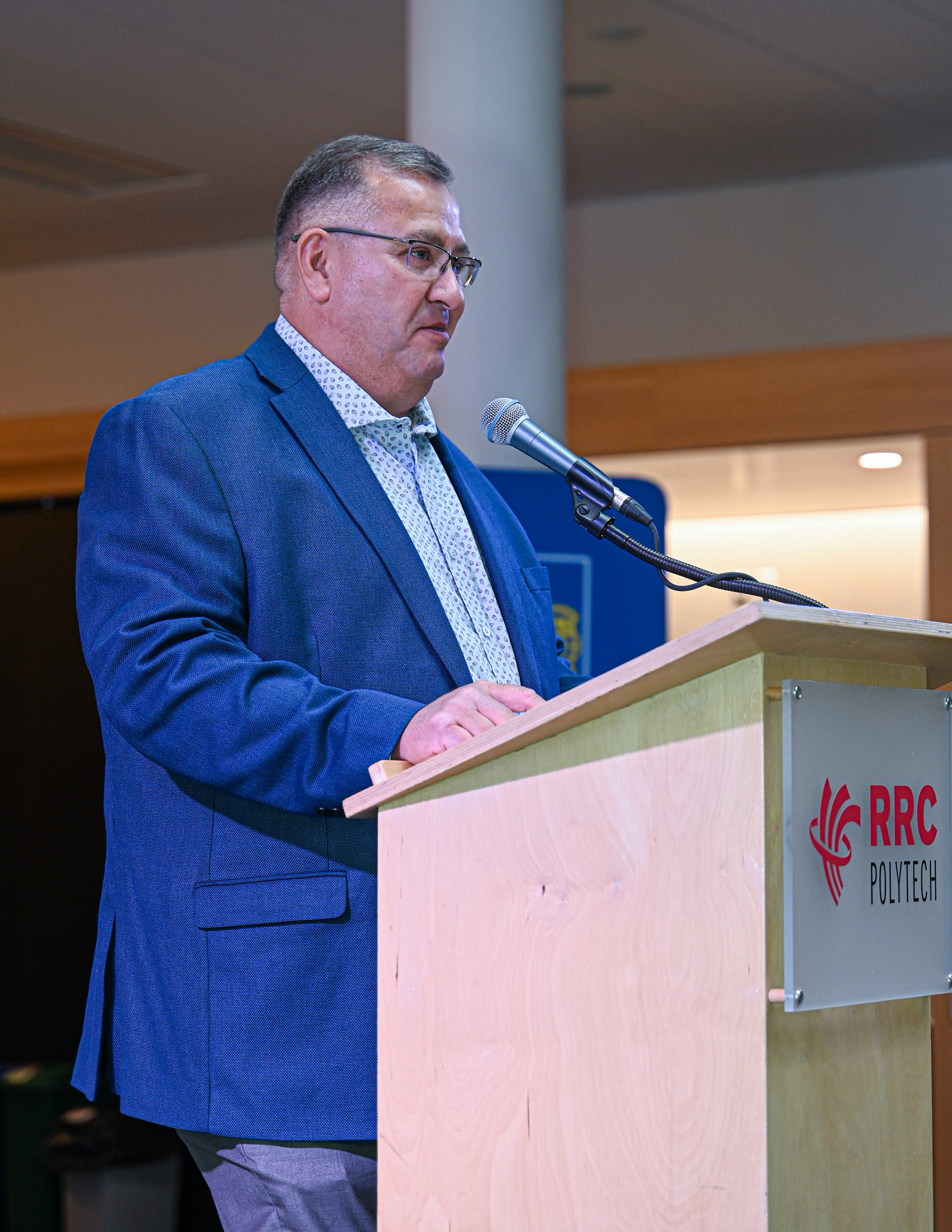
“The longstanding friendship between RBC and RRC Polytech and the spirit of community and collaboration connects us back to our strategic commitment of reconciliation, our shared journey, where Indigenous leadership and guidance take the lead and work with us to guide us on the best way forward, together,” said Fred Meier, President and CEO of RRC Polytech, during his speech to start the event.

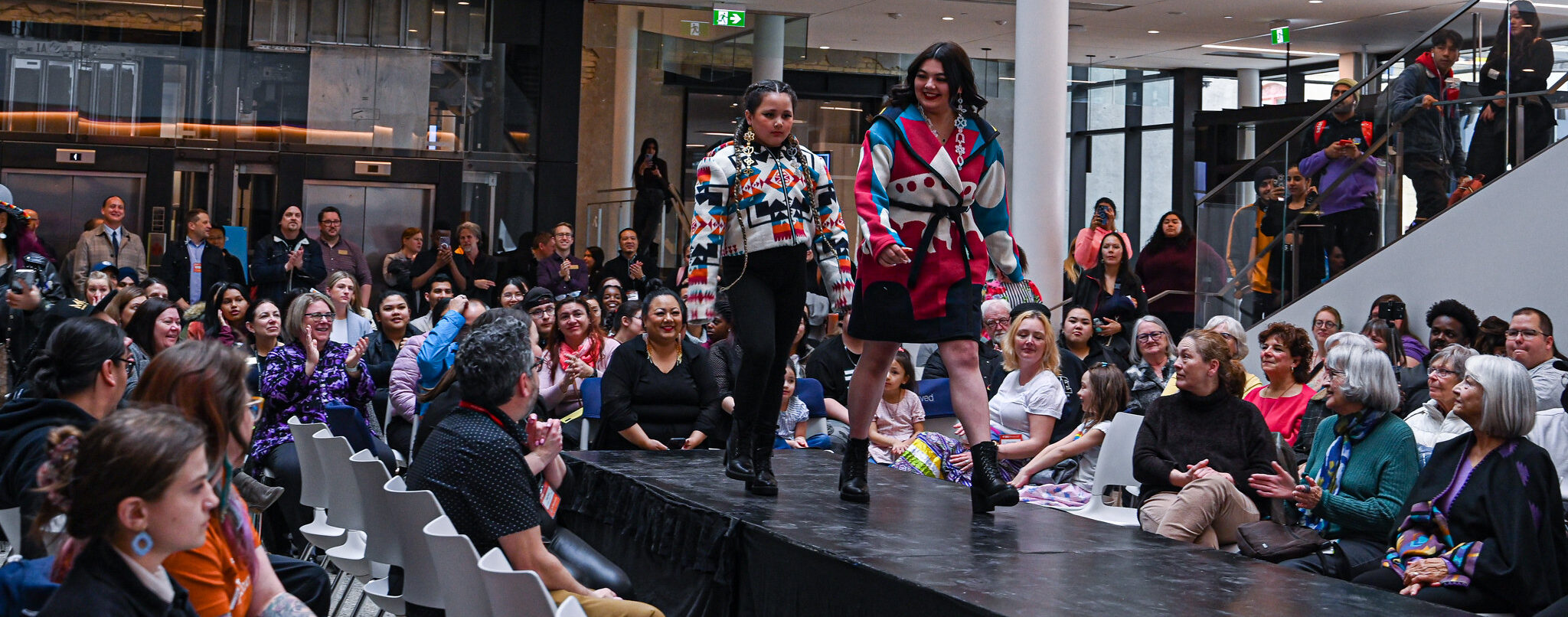
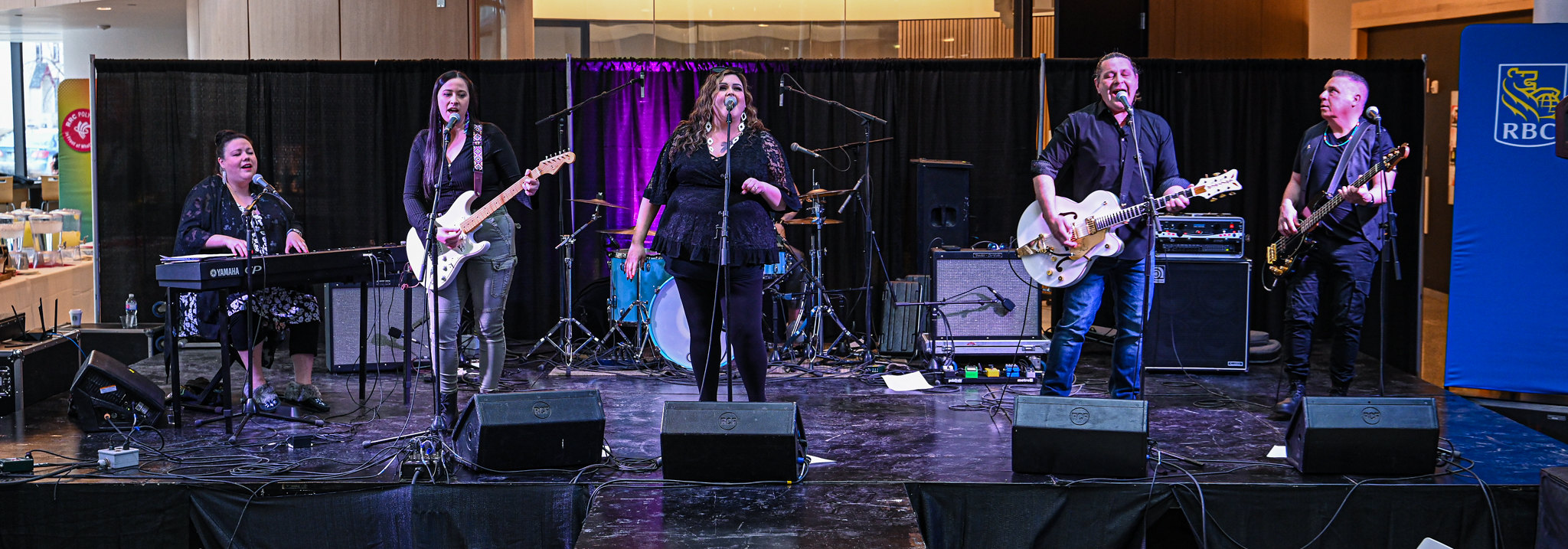
The event treated guests to delectable cuisines from local chefs, a haute couture fashion show featuring student models, a crafters’ market with local artisans and businesses, a panel discussion, and a drumming performance from student-led Indigenous culture group OGICHIDAA. Juno-award nominated Indian City capped off the spectacular event as the grand finale.

“What each of our partnering initiatives and programs have in common is that they drive human connection,” Herb ZoBell, Vice President, Commercial Financial Services, Indigenous Markets at RBC, said. “They provide unique channels for people to connect with their ideas, and most importantly, with one another.”

RBC Reaction by Collision is designed to converge industry, academia, and students to grow networks, seek advice, and launch careers. RBC Future Launch found that 85 per cent of all jobs are found through the strength of a network and not through the resume.

Herb ZoBell, Vice President, Commercial Financial Services, Indigenous Markets, RBC.
Kylla Harper, Pathway to Health Programs student.

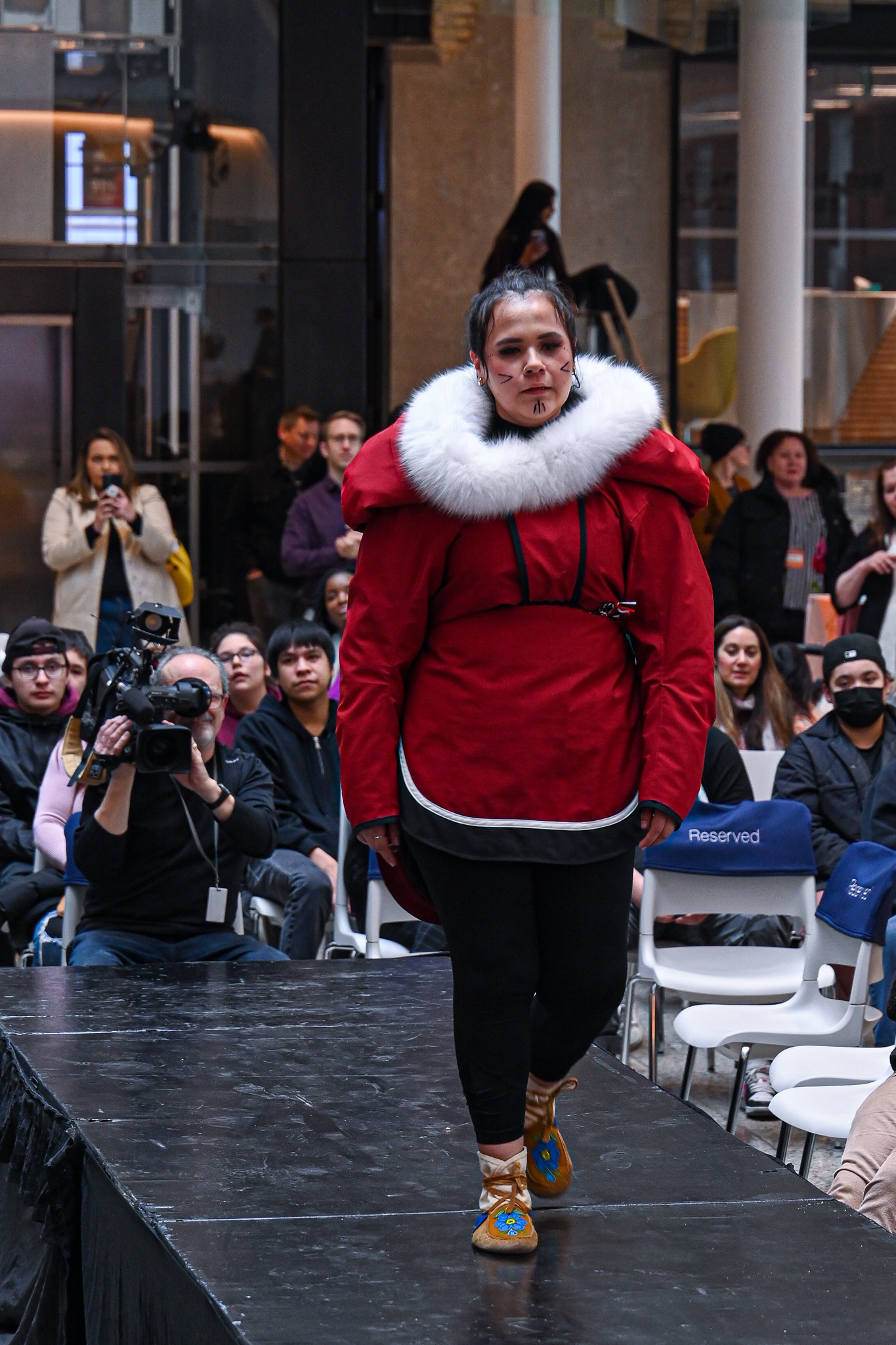
RRC Polytech students volunteered to model some of the pieces featured during the event. Kylla Harper, from the Pathway to Health Programs, was one of the students who modelled Gayle Gruben’s Inuit designs.

“It was very nerve-racking waiting backstage for my turn, but as I walked on the catwalk, my confidence grew,” Kylla said. “I loved seeing different Indigenous cultures represented. It goes to show that we have so much to explore still within our own communities.”

Since the event, Kylla has received an outpouring of support from her circle, which she said has made her “smile with pride.”

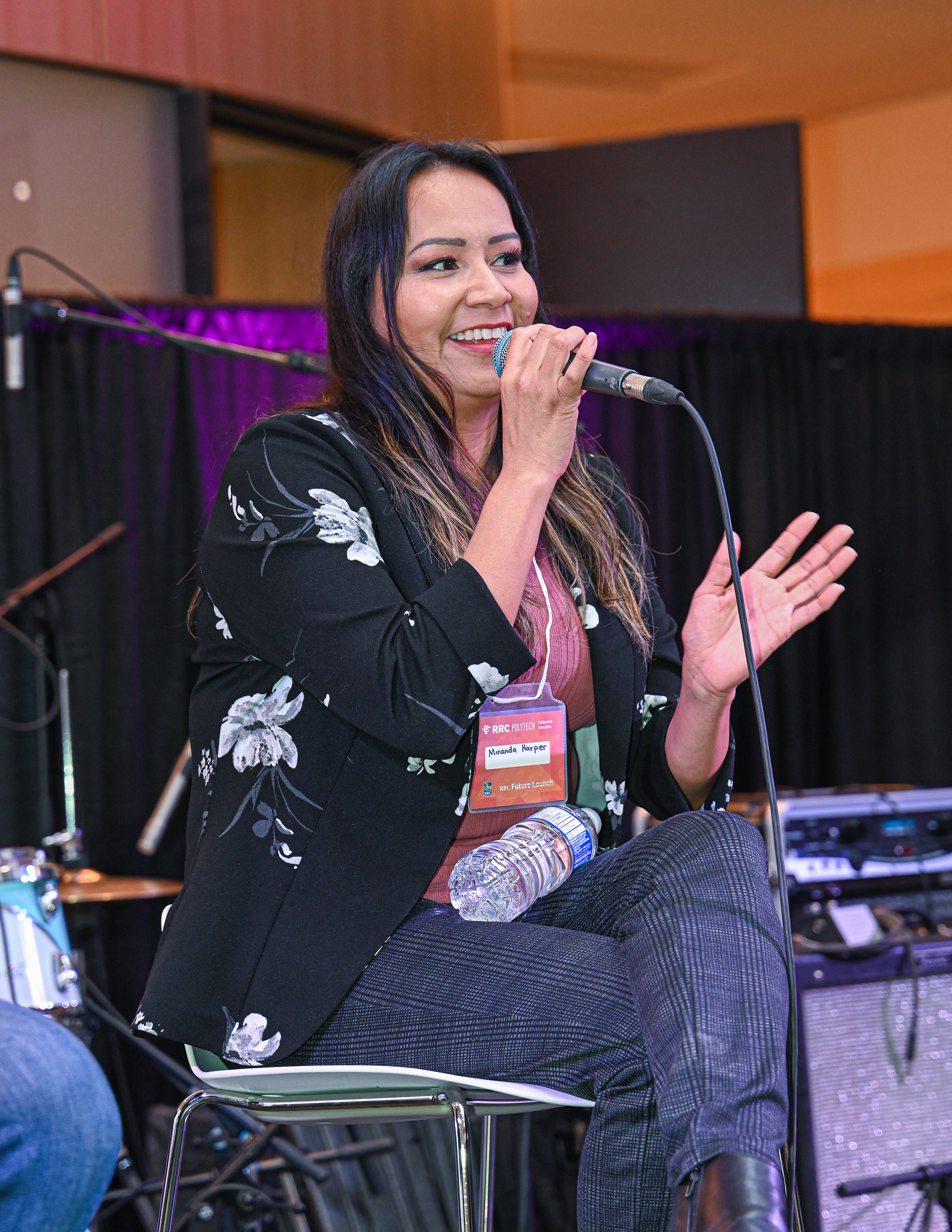
Miranda Harper, an RRC Polytech alumni and drummer in the local rock band Venus Man Trap, took part in the event’s panel discussion and shared her experience as an Indigenous musician with students and community members.

“For me, I make music to feed my soul. I never look at the fame and fortune of it because I feel like it can take something away from what you do,” Miranda said. She reminisced during the panel about one of the best gigs she’s ever done:  National Aboriginal Day in the early 2000s at The Forks, where she played to just five people.

Miranda Harper, drummer for Venus Man Trap and RRC Polytech Alumna.

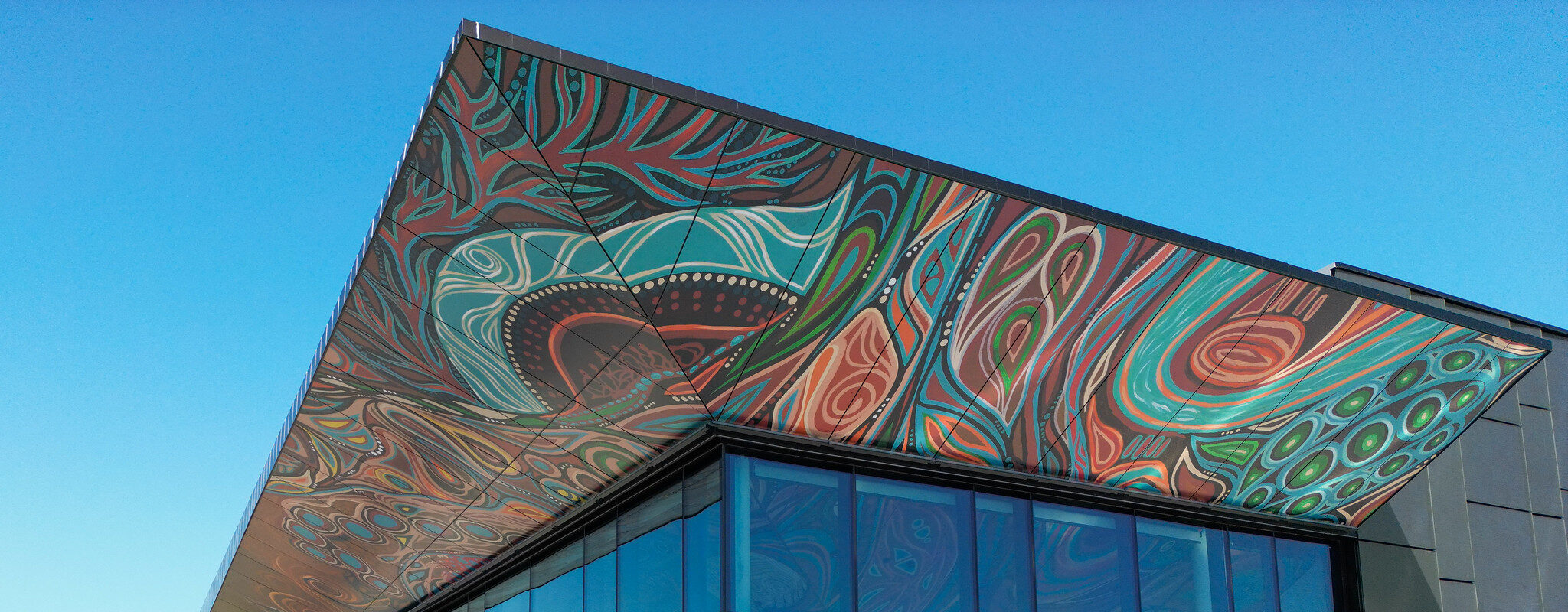
The event was held at Manitou a bi Bii daziigae, a building named by Elders-in-Residence and translates to, “Where Creator Sits – Brings Light.” The building was designed with the intent to bring together the community, to build connections and create bridges. The College commissioned Indigenous artists Jackie Traverse, who attended the event, and KC Adams for artwork on the fourth-floor ceiling and the Roundhouse Auditorium, respectively.

With RBC’s support of RRC Polytech’s In Front of What’s Ahead comprehensive Campaign, the College has been able to provide students with the Indigenous Pathway to Information Technology Program, access to Ten Thousand Coffees Mentorship program, and projects like the Reaction by Collision events series. Collaborative events with RBC like Reaction by Collision have helped more than 5,000 students network with industry professionals and community leaders in Manitoba.

Indian City performing at Manitou a bi Bii daziigae.

Indigenous Culinary Students Feast on International Experience

March 24, 2023

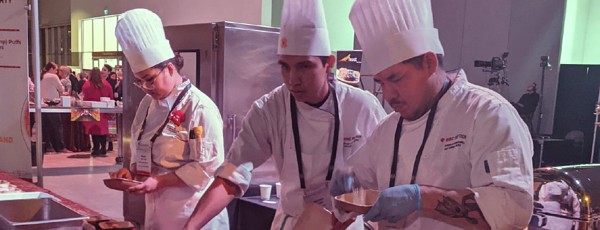
Indigenous Culinary Class were invited to assist chefs at the International Indigenous Tourism Conference.

A world-class event, a thousand hungry attendees, and seven eager first year Indigenous Culinary Skills students from RRC Polytech were among the ingredients in a recipe for success, served up in downtown Winnipeg last week.       

Opportunity knocked when organizers of last week’s International Indigenous Tourism Conference (IITC) reached out to the College looking for help to feed visitors to the RBC Convention Centre attending the largest Indigenous tourism event in the world.    

Indigenous Culinary Skills instructor, Chef Patrick Anderson didn’t have to convince his current class to step up and show off their skills because all seven first year students immediately volunteered and even organized their own carpool to ensure they didn’t miss the chance of a lifetime – to get into the kitchen at a massive international event to prepare upscale traditional dishes and learn from world-renowned top chefs.

“Our students got to work shoulder-to-shoulder with 11 of the most accomplished Indigenous chefs from all over North America, helping them make 650 portions of some of the most well thought out and delicious Indigenous dishes,” said Chef Patrick. “Even I was blown away by all the amazing flavors they developed and served. This menu was proof that Indigenous cuisine is so much more than Bannock, berries and smoked meat.” 

Although cooking for a convention was a first-time experience for most of the students, they leaned on their training, their mentors, and each other to embrace the moment and perform to rave reviews. Their confidence was off the charts by the end of the night as they enjoyed samples of their work and even danced a few friendly jigs with event coordinators and guest chefs in celebration.   

“It was a really useful experience – I’d been to conferences before when I worked in healthcare, but being able to help prep and plate next to these chefs was so exciting,” said student, Belinda Johnson.

The professional chefs could not stop raving to instructors about how diligent and skilled the students were, and even offered jobs to a couple of them.

“Our team did not look like first year culinary students at this event – they acted like graduates. They worked like experienced cooks that have an incredibly bright future ahead of them. One of the coordinators came up to me and told me she believes the future of Indigenous culinary industry is very bright knowing there are programs like ours.”

Chef Patrick Anderson

On the heels of the students’ success at IITC, the Wiisinin Diner is now operating Tuesday to Friday at  RRC Polytech’s Notre Dame Campus. From March 14 to April 21, the Culinary Skills students will get hands-on experience by serving short-order meals to the College community.

The Wiisinin Diner menu will be posted daily online. Staff and students must purchase vouchers at the Campus Bookstore, place their orders for breakfast or lunch online, then take their vouchers over to Prairie Lights Dining Room to pick up their meal. Please note the Campus Bookstore will be closed March 29, 30, 31 so you are encouraged to purchase vouchers in advance for these dates.

Honouring Growth: First Bead Ceremony Celebrates Student Journey

December 7, 2022

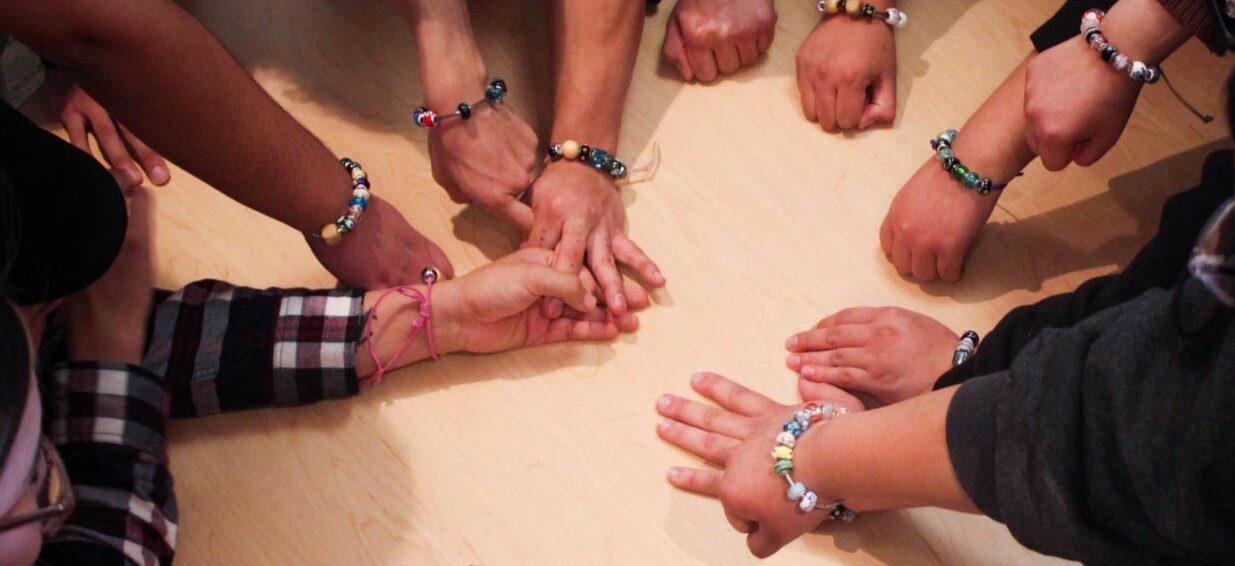
On Dec. 5, College Transition students received beads and a bracelet to recognize the sacred Cree Teachings they attained during the first four months of the eight-month program.

The teachings represented by the beads are based on the sacred Cree Teachings of self-determination, culture, and interconnectedness, which are also reflected in seven of RRC Polytech’s ten commitments outlined in the 2015 Manitoba Collaborative Indigenous Education Blueprint for Universities, College and Public School Boards.

Students learned how to incorporate the teachings and live a healthy life based in their strength and ability to live and work with a double worldview approach. Each student chose their beads for further connection to the teachings, which were adapted to apply to each students’ own nation.

Instructor and Knowledge Keeper, Marilyn Dykstra, opened the ceremony with a welcome and a brief explanation of College Transition: the program is designed to help learners prepare for post-secondary education with classes in communication, math and science, career and professional development, and Indigenous cultures and practices. The program also has a dedicated practice in reconciliation.  

Following Marilyn’s welcome, students from Treaty 1 Territory, Treaty 5 Territory, and Nunavut took turns presenting their names and home communities in land acknowledgements they developed together in relation to each of their nations.

Every student was presented their beads from staff that supported their journeys, including Jamie Wilson, VP of Indigenous Strategy, Research, and Business Development; Fred Meier, President and CEO of RRC Polytech; and the Deans of the School of Indigenous Education and the School of Skilled Trades and Technology.

“Education is about walking with learners while they grow all parts of themselves. The students’ statement that they made at the end of their land acknowledgements stand—’We are the connected spirits of our land.’ It’s our responsibility to support that connection because education is not just about reading books.  It’s how we are all interconnected in spirit and in reconciliation.  When students grow, so do our kinships, communities, nations, environment, and ancestors,” said Marilyn.

This was the first Bead Ceremony held for College Transition and the students are looking forward to their next set of traditional teachings in term two, which starts January 2023!

To learn more about College Transition, visit the Program Explorer page.

Sistering Indigenous and Western Science Information Session – Dec. 12

December 5, 2022

Sistering Indigenous and Western Science (SINEWS) is a paid mentorship program for female-identifying students.

SINEWS supports pairs of students in the development and implementation of projects that address the needs of Indigenous communities. Selected projects will focus on braiding traditional Indigenous knowledge with western scientific methods under the guidance of experienced research scientists, Elders, and community knowledge keepers. At least one member of each pair needs to be Indigenous to qualify for this program.

  • Monday, Dec.121:30pm
  • Virtual Teams Meeting – register at the link below

This information session will cover the fundamental aspects of the SINEWS program and the application details. The presentation and slideshow will be about 30 minutes and time will be allotted at the end for a Q&A.

For more information and to apply to SINEWS, visit the Government of Canada website Sistering Indigenous and Western Science program (nrcan.gc.ca).

The intersection of Indigeneity and disability

December 2, 2022

For Indigenous students at RRC Polytech living with disabilities, the observance of Indigenous Disability Awareness Month has potential to be a turning point.

Officially adopted in Manitoba in 2021, this year is the first time the College marked the observance.

Teddy Lands (they/them, she/her), a Creative Communications student living with visible and invisible disabilities, says recognizing the intersection between Indigeneity and disability is important to address the unique issues and layered experiences that many Indigenous people living with disabilities face in everyday life.

“If I’m having a hard day and people see me staggering a little bit while walking, or my eyes start wandering, they make assumptions about me because I’m Indigenous. It doesn’t occur to them first that I might have a disability,” says Lands.

According to the 2017 Canadian Survey on Disability, Indigenous people were more likely to have one or more disabilities than non-Indigenous people. Disabilities across the board ranged from pain-related conditions and mobility problems to mental health and cognition issues.

Compassion is a huge outcome of raising awareness on disability, especially during Indigenous Disability Awareness Month. Offering help to someone that appears to be having difficulty managing on their own can directly challenge the stereotypes and assumptions people living with disabilities might face.

Lands used Accessibility Services when they entered Creative Communications last year and has since had a range of options to help them be successful—from switching to the part time stream of the program, to regular check-ins with a counsellor, the program coordinator and instructors.

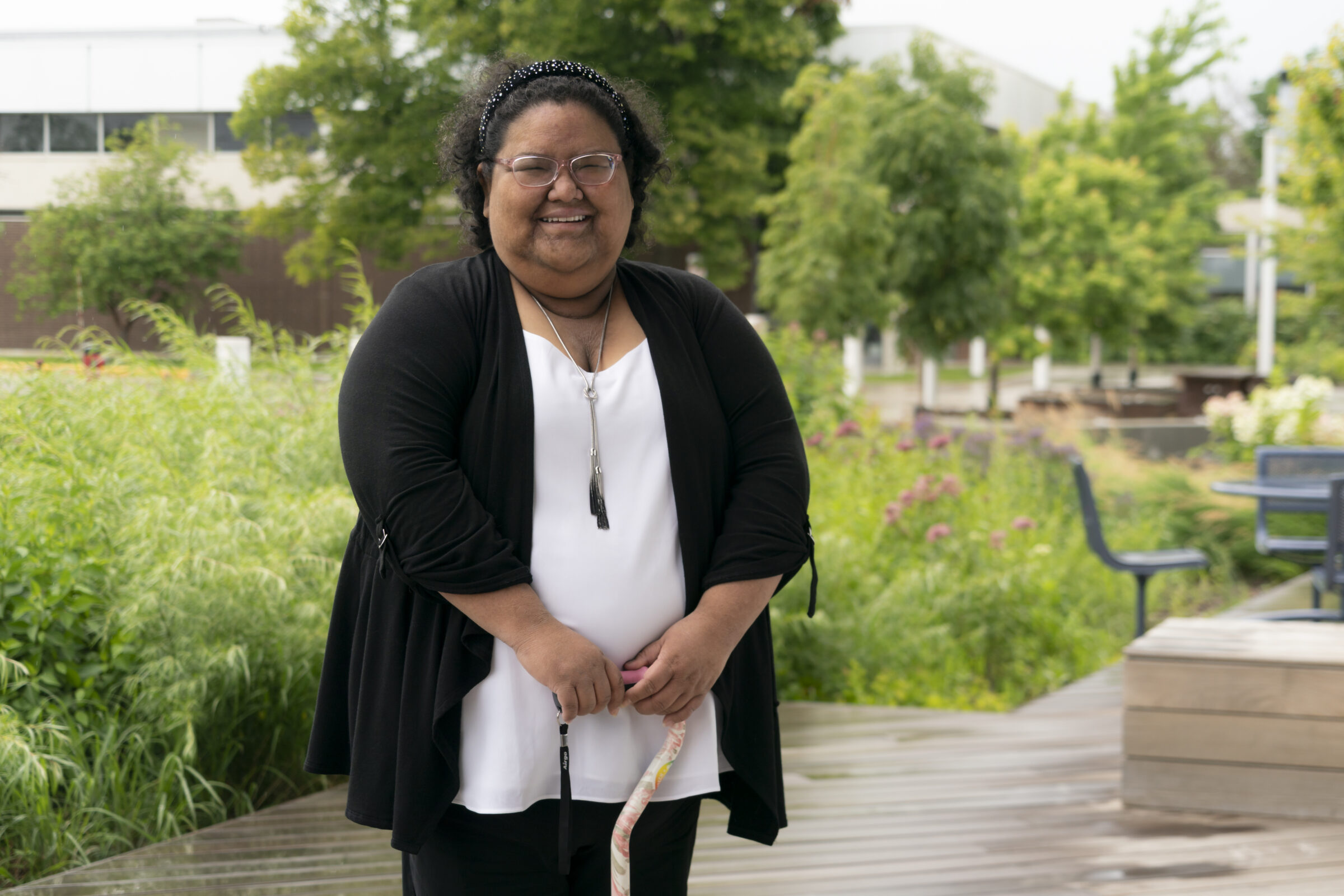
Teddy Lands.

“The network I built at the College is as important as the support network I have at home,” says Lands.

Instructors are provided with information and resources on how to best accommodate student needs, like implementing the use of assistive technology, having accessibility staff to take notes for students, or allowing extensions for assignments and tests, among the many other options. Having that two-way communication helps Lands stay in class.

Lands says observances like Indigenous Disability Awareness Month can help catalyze systemic change as people learn more about how having disabilities and being Indigenous can impact a person’s life. Ensuring people can get access to the resources they need, even if that means going into a deficit, means that decision makers will see the need for these services and act on it.

“Support services should do away with standardized tests,” says Lands, noting standardized evaluations, like IQ tests, don’t necessarily reflect the intelligence of people who don’t fit those standards, whether it’s cultural- or ability-based differences.

“I’ve met people with two-digit IQs who are the most brilliant people I’ve ever met. Just because they’re not textbook smart, doesn’t mean they’re not intelligent. I have cognitive issues that affect my ability to perform academically—doesn’t mean that what I have to contribute isn’t valuable,” says Lands.

Lands, who has dyslexia and other cognitive impairments, says that developing relationships and communicating regularly with instructors, staff, and peers really helps to alleviate the pressure they’re under to perform at the same capacity as those who don’t use accommodations. A program like Creative Communications can be especially challenging for people with cognitive disabilities.

Kelly Stifora, Program Coordinator for Creative Communications, says support is very individualized and that instructors and students both rely on counsellors to coordinate solutions for meeting student needs.

“Students need a lot of resilience to be successful, even without the need for accommodations. It’s a matter of leveling the playing field for those students that need those accommodations,” says Stifora. “Academically speaking, students who have accommodations for their needs are just as successful as students who don’t use accommodations,” says Stifora.

Additionally, 4 Seasons of Reconciliation training is mandatory for all RRC Polytech staff and faculty to acquire a baseline knowledge of the initiatives in Truth and Reconciliation at the College and how these initiatives contribute to the healing of Indigenous peoples in our community. This training is supplemented by voluntary professional development opportunities, like the blanket exercise.

As for Lands, they say the current approach is a good start and has been working for them so far.

“After CreComm, I want to use my diploma and my experience in social work to influence change in education policies to be more forgiving for people with disabilities and cultural differences. It’s not just for me, but for my daughter and others living with disabilities, Indigenous or not,” says Lands.

For now, raising awareness during Indigenous Disability Awareness month is the first step in making sure students know that supports are available for them.

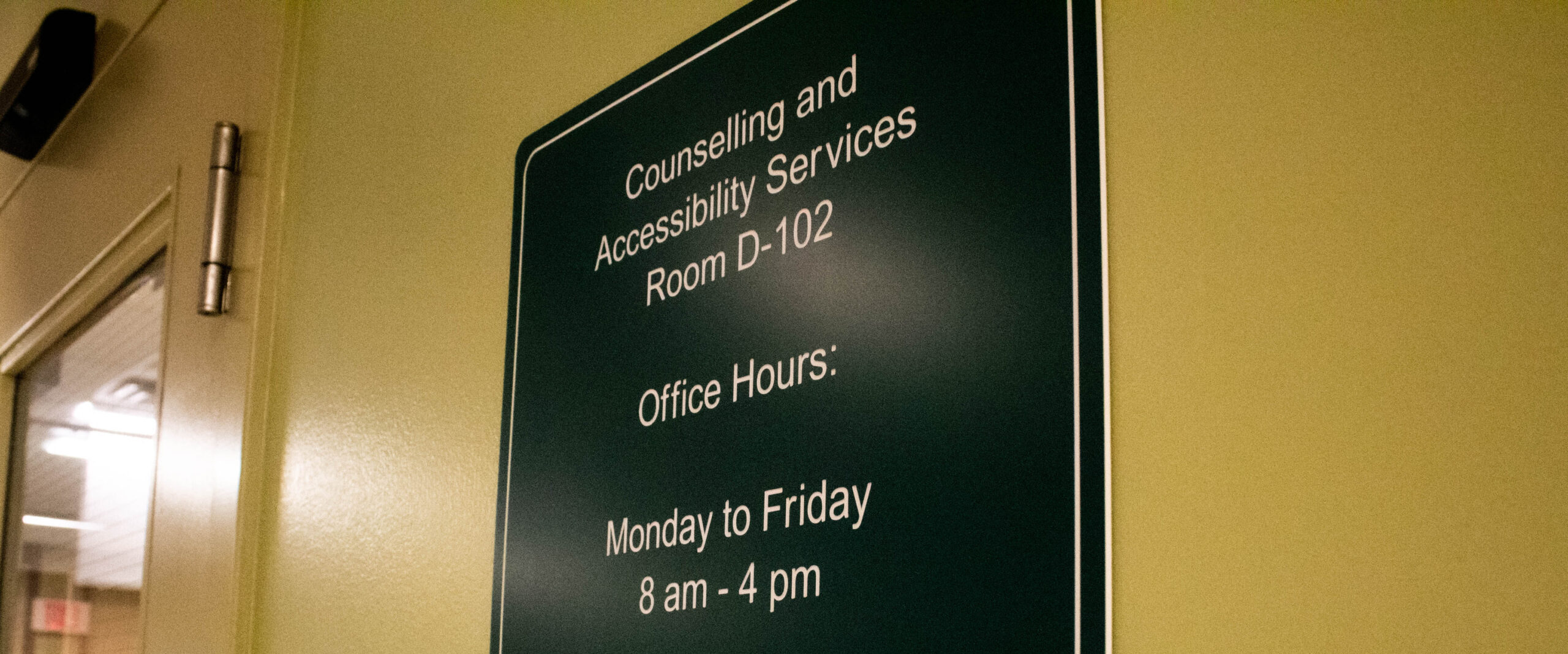
Students, staff and faculty can visit Accessibility Services at the College’s Winnipeg campuses in person Monday to Friday from 8am to 4pm in room D102 at the Notre Dame Campus and in room P210 at the Roblin Centre. Accessibility Services has a page on RRC Polytech’s website to find more information on their services or to book appointments virtually. Staff members who need accommodations to work can contact their immediate supervisors or the Supportive Employment Program.

If you’d like to contribute to future professional development opportunities, the Diversity Self-Identification Survey helps the College to get a better picture of where we can provide more supports and better inform EDI initiatives.

Love for Indigenous Languages and Bannock Recipes

November 10, 2022

Staff and students had the chance to learn Anishinaabemowin in the kitchen.

Instructor Corey Whitford held an Introduction to Indigenous Languages and Bannock Making session for staff and students on Wednesday, Nov. 2. Participants had the opportunity to learn greetings, ingredients, and actions related to baking Bannock in Anishinaabemowin. Corey guided participants through the pronunciation of the various Anishinaabemowin phrases and demonstrated how different gestures related to each phrase.

“I wanted to learn how to make Bannock the proper way,” said Matthew Fontaine. “All the extra love and care, his passion for it, that’s just a bonus.”

Chef Patrick of Culinary Skills helped demonstrate the proper technique for mixing, forming, and baking Bannock while Corey shared stories from his childhood on Sandy Bay First Nation. While waiting for the Bannock to rise and bake, participants received papers with Anishinaabemowin phrases and words or their English counterparts and paired up to translate their meanings. Corey challenged participants to organize the Anishinaabemowin alphabet with only the English alphabet as a frame of reference.

Participants grasped the concepts of phrases using the same method Corey’s kokum (grandmother) used to teach him when he was a kid: gestures that indicated concepts like water, oil, temperature, and folding the dough. That engagement of the body connected the words with physical expression.

“Corey’s animation makes it come alive,” said Marie Rogge. “I’m a language instructor, I teach English, so it was very interesting for me to see not just what he taught, but how he taught it.”

Prepped Bannock, jam, and refreshments were available to prime participants for what they could expect from the session. Everyone received a take-home package for a small Bannock loaf they could use to bake fresh Bannock in their own kitchens.

Future sessions could bring even more students and staff in to learn about Indigenous cultures and languages, using Bannock as the catalyst for curiosity.

“I’m hoping in the future that maybe somewhere we could bring our classes together, I think it would be really interesting for students from South America or China or somewhere in the world to come together with Indigenous students to share their stories and languages as an act of reconciliation,” said Marie.

Corey was excited to see so many people at the session.

“I am inspired that so many people are interested in our activities, and it’s important too because it builds a feeling of solidarity with our work culture and encourages embracing our traditions, our protocols… Thank you to everyone who attended that day,” said Corey.

Corey hopes to organize more Bannock-making sessions in the future to help get people interested in Indigenous languages, motivate people to learn more, and help spread a love for the languages.

From the North to Now

November 7, 2022

Today, RRC Polytech celebrated International Inuit Day with students, staff, faculty, and members of the Manitoba Inuit Association.

The event was livestreamed from Notre Dame Campus’s Indigenous Support Centre to the Exchange District Campus’s Indigenous Support Centre, where folks from both campuses enjoyed a pizza lunch, group activities, presentations, and a performance.

The celebration started with a three-song performance by Inuit throat singer Zeann Manernaluk. She explained that throat singing was invented by Inuit women while men were out hunting, and traditionally two women would throat sing together until they laughed or got tired.

Victoria, an Inuit Student Support Worker with the Manitoba Inuit Association, kicked off the group activities with a rundown of their role as an organization in Manitoba: a resource that supports any Inuit people in Manitoba and connects them with services to meet diverse and ever-evolving needs. Victoria presented traditional Inuit clothing and tools and the stories behind them. She demonstrated and invited everyone to compete in Inuit games to win prize packs from the Manitoba Inuit Association.

College Transition students Luke Kusugak and Andrew Owlijoot said a few words about being young Inuit men coming from Rankin Inlet, Nunavut: they’re learning to be more open about their emotions, coming from a place that doesn’t have the infrastructure to focus supports around mental wellbeing.

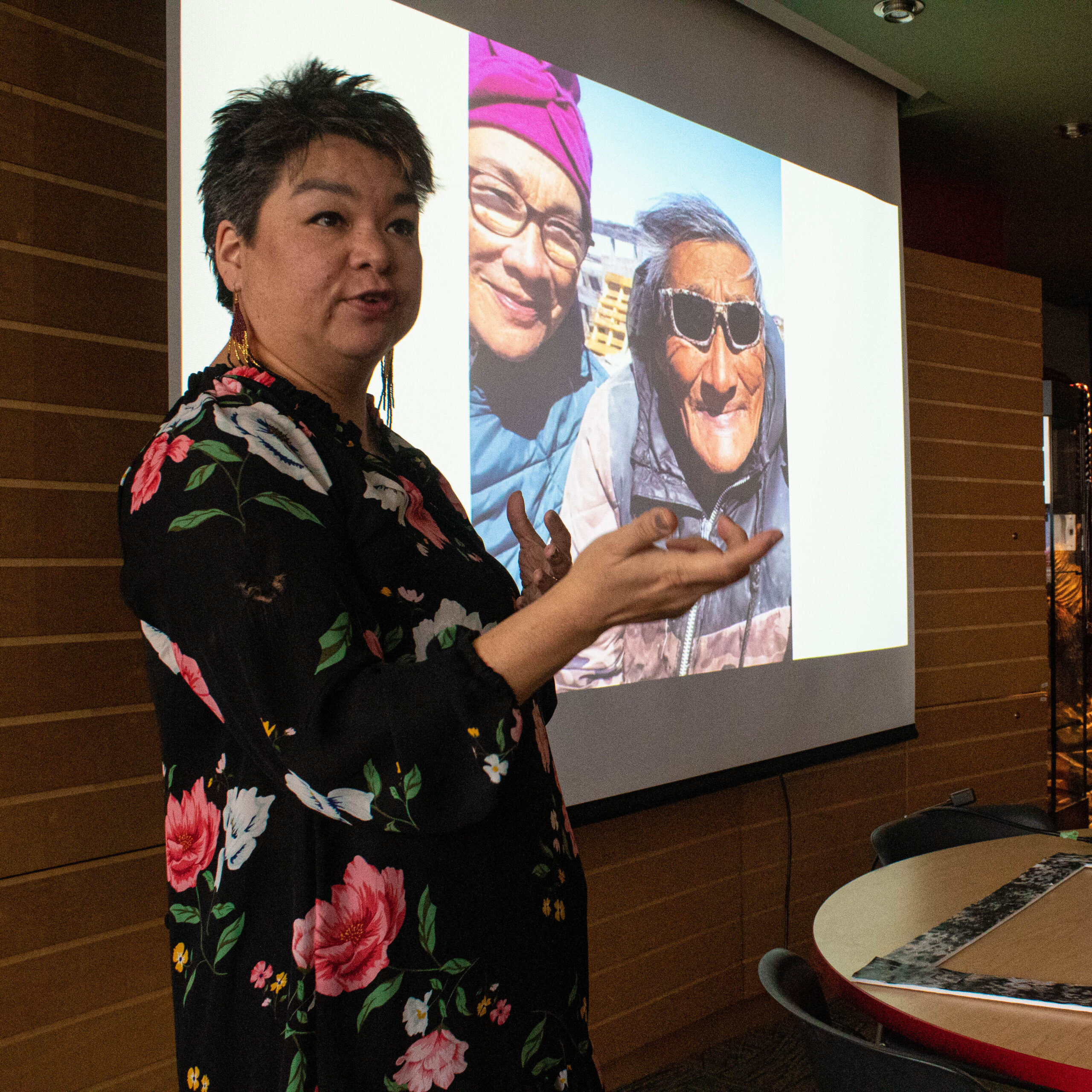
Chase Powell, another Inuit student in the College Transition program, prepared a PowerPoint presentation to share a brief history of his home Rankin Inlet, Nunavut and his life growing up on the west coast of the Hudson Bay. His mother Esther, who happened to be in Winnipeg for a medical appointment, joined him and shared a short family history and the nature of Inuit life before colonization. PowerPoint pictures depicted the landscape of the north, Chase’s cabin on the coast, caribou on their mating grounds, roads enveloped in blowing snow, and old black-and-white pictures of Chase’s and Esther’s ancestors.

Esther Chase, an Inuit woman from Rankin Inlet, points to a PowerPoint slide of a photo of her family members.
Esther sharing her family history.

Chase explained that the education in Rankin Inlet didn’t meet his expectations. Teaching was not based on students’ needs, but rather was based on the resources that were available. And resources were basic – there were no supports for students with special needs. The schools had some Inuktitut language classes but didn’t have any Inuit culture classes.

After high school, Chase decided to pursue education. Originally he had planned to attend the University of Winnipeg for a Bachelor’s Degree in Education, but his high school grades weren’t satisfactory. A guidance counsellor at his high school suggested that he try the College Transition program at RRC Polytech, because it would help him get his grades up and prepare him for college life in the south. He applied and has since started on his path to his future goals.

Chase hopes to get his master’s degree in education so he can become a principal. He explained that southerners come up to the north and fill up high-ranking positions in organizations and in government because they had easier access to quality, focused education. Chase wants to change that—having local representation in these positions is important because people who have grown up in the north have a lived experience that can more effectively contextualize the unique needs of learners in Nunavut. He wants to influence change in Nunavut’s education system as a future administrator, to help the learners of future generations obtain the education they need to get into these high-ranking, decision-making, community-impacting positions.

For now, Chase, Luke, Andrew, and their colleagues will continue with the College Transition program and work toward their professional and personal goals. We can’t wait to see where they’ll go!

RRC Polytech campuses are located on the lands of the Anishinaabeg, Ininiwak, Anishininwak, Dakota Oyate, and Denésuline, and the National Homeland of the Red River Métis.

We recognize and honour Treaty 3 Territory Shoal Lake 40 First Nation, the source of Winnipeg’s clean drinking water. In addition, we acknowledge Treaty Territories which provide us with access to electricity we use in both our personal and professional lives.