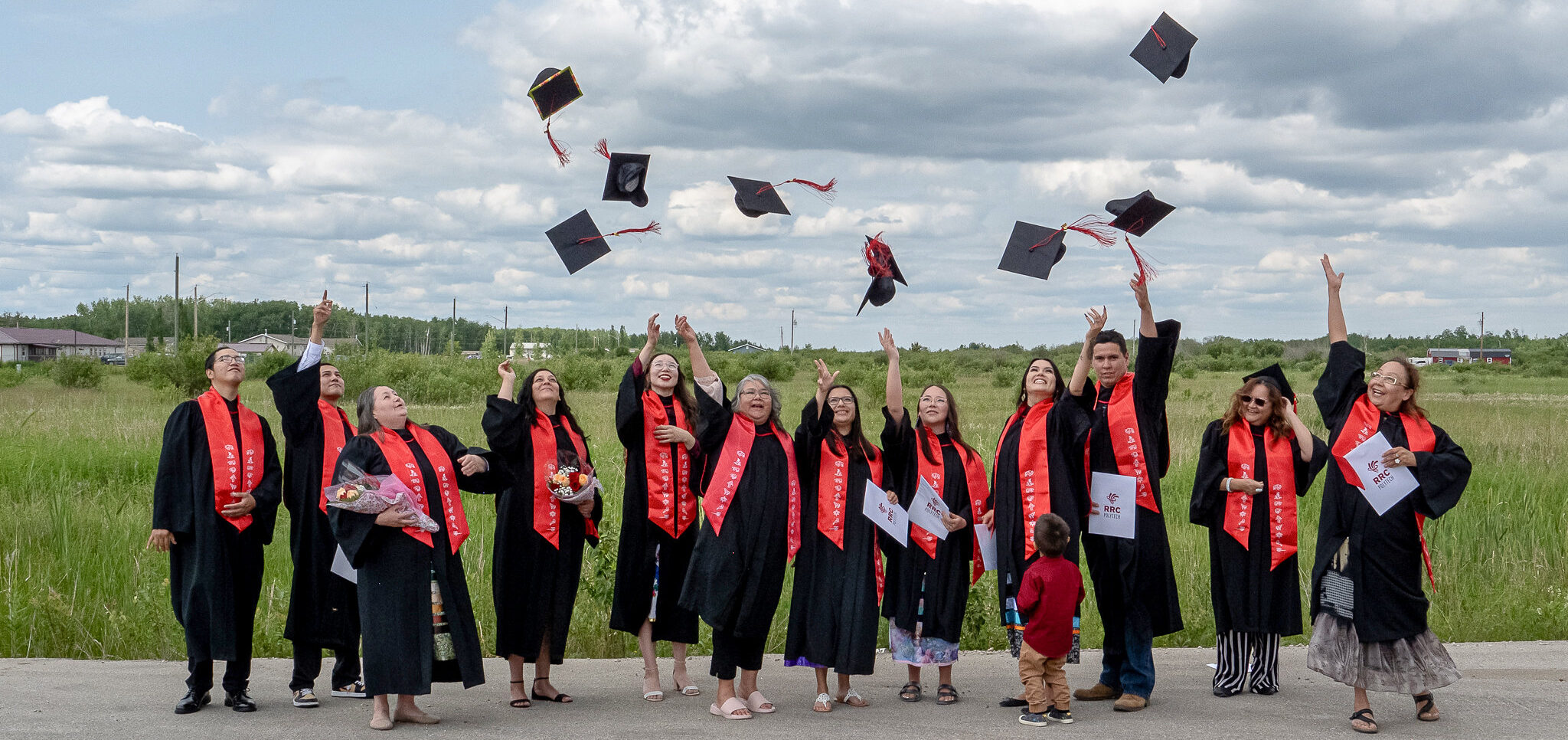
Smiling Indigenous graduate at convocation ceremony

Indigenous Education

Programs

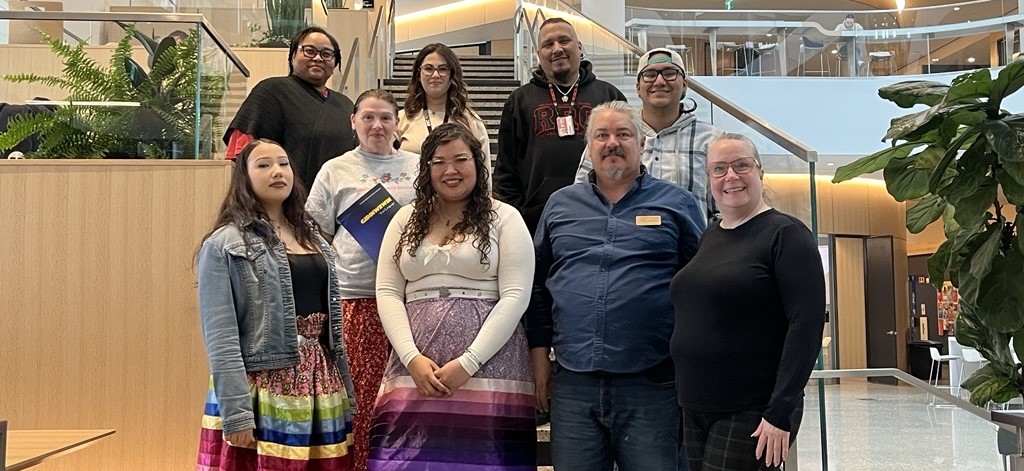
Navigation Coaches – Your Year-Round Support at RRC Polytech
October 2, 2025

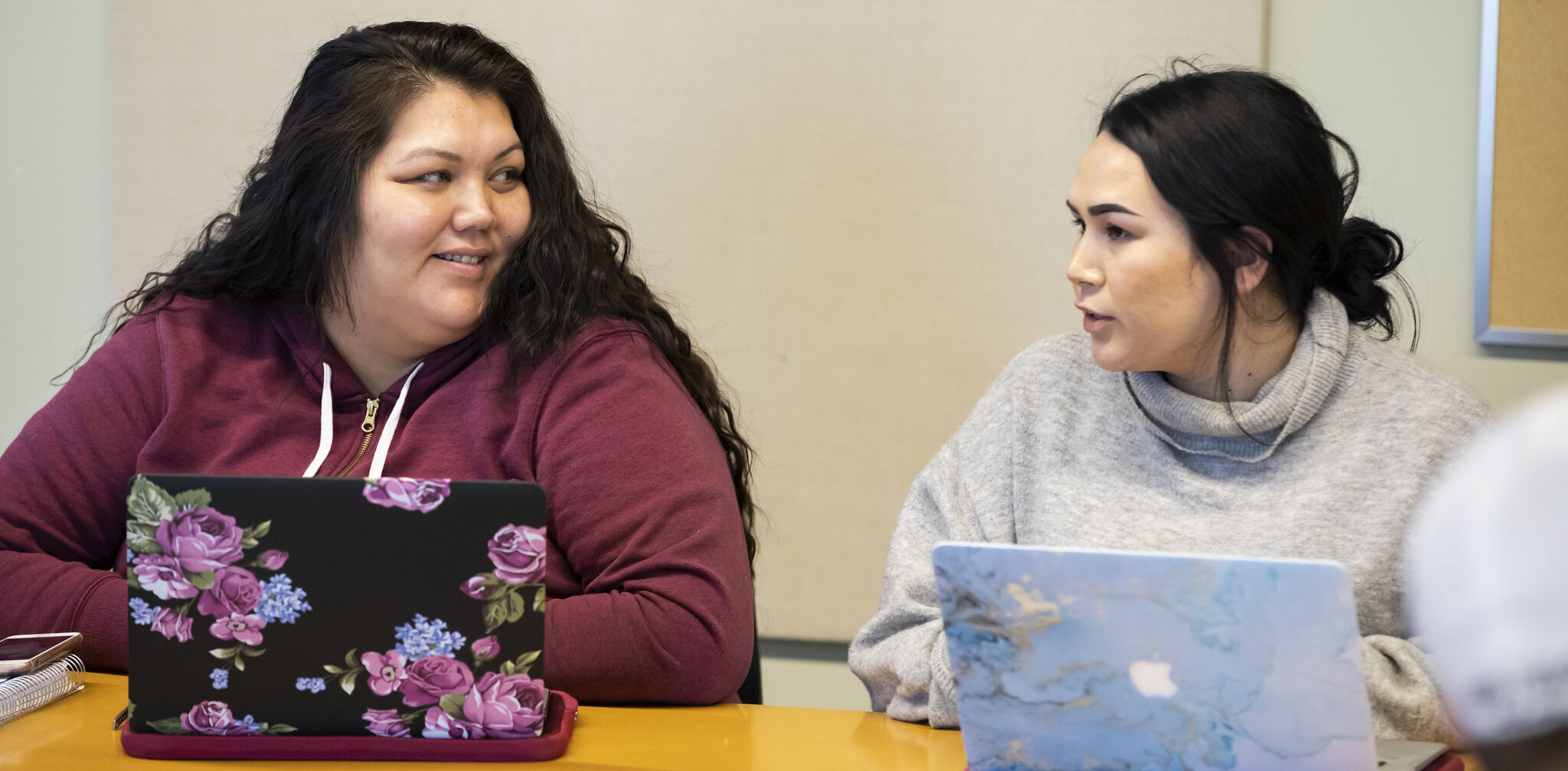
At RRC Polytech, Indigenous students have access to Navigation Coaches — your go-to resource for guidance, support, and campus navigation all year long. Whether you need help understanding College processes, accessing community services, finding tutoring, or connecting with other support team members, Navigation Coaches are here to guide you every step of the way.

Your success isn’t just about academics — your health, wellness, and daily life matter too. Navigation Coaches can help you figure out next steps for everything from childcare to technology resources, ensuring you have the support you need to thrive both on campus and beyond. Let us help you make the most of your time at RRC Polytech.
Meet the Navigation Coaches ➔

Turn Your Culinary Passion into a Career with Culinary Skills (Indigenous)

September 25, 2025

Do you love cooking and want to prepare for success in the fast-paced food service industry?

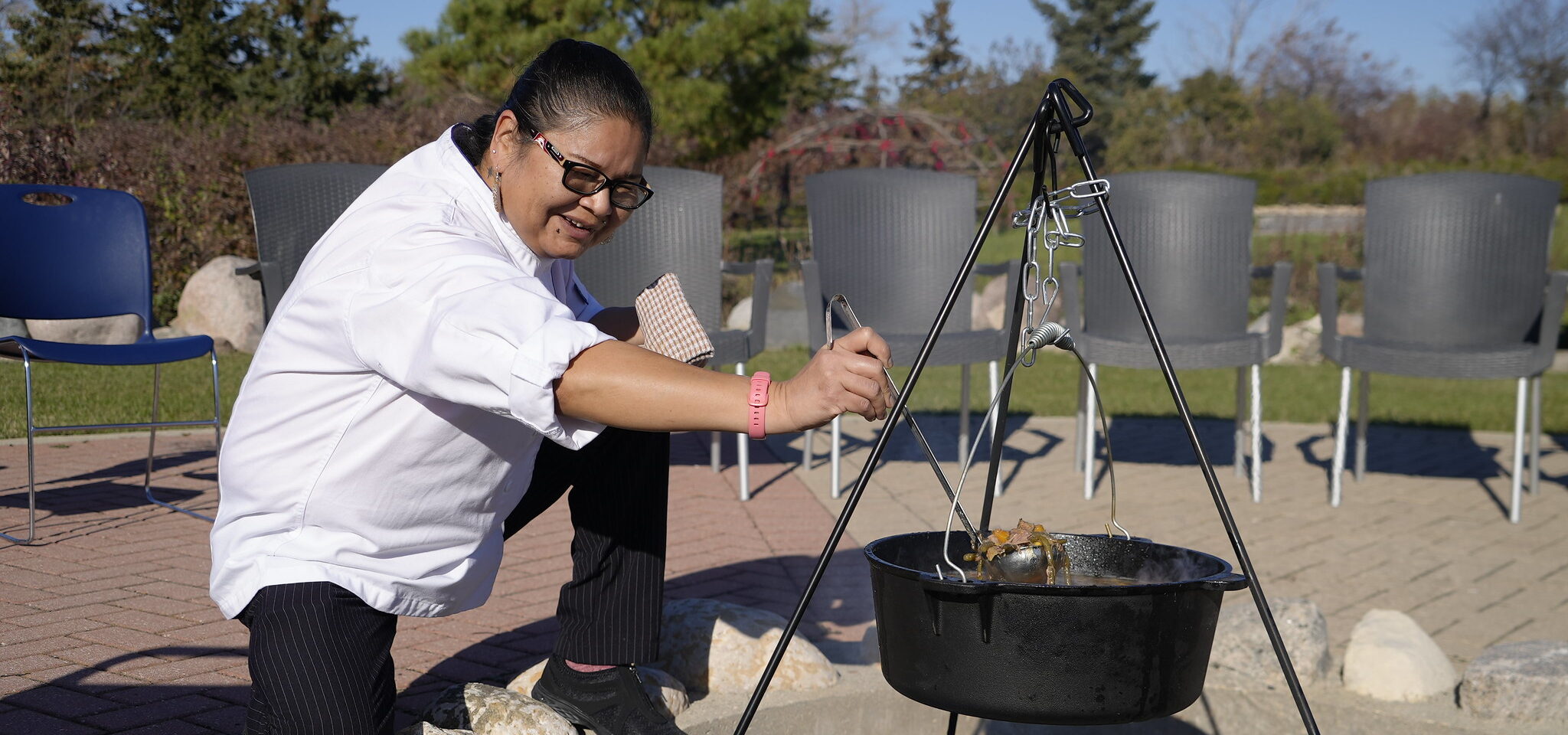
The Culinary Skills (Indigenous) program at RRC Polytech is designed to help Indigenous learners develop the knowledge, practical skills, and experience needed to thrive in a variety of food service positions.

This full-time certificate program combines classroom learning, hands-on labs, and work experience to build fundamental culinary techniques, in-depth food knowledge, and introductory business skills. You’ll also gain experience, industry connections, and confidence through a paid co-op work placement. As part of your polytechnic education, you’ll receive industry-relevant certifications and training in food handling, fire safety, first aid, and WHMIS, giving you a strong foundation for your career.

The program incorporates Indigenous content throughout the curriculum and offers pre-employment supports to ensure your success. A special thank you goes to Red River Co-operative Ltd. for their generous support of this program, helping make these opportunities possible for students.

Admission Information

Applicants can apply through Regular Admission or Mature Student Admission pathways.

For Regular Admission, applicants must submit proof of Grade 12 graduation or current enrolment. If applying while enrolled, final grades confirming successful completion must be submitted by July 15 for fall entry or by the deadline listed in your admission letter. Applicants who need to complete an English Language Assessment should not submit transcripts until requested.

For Mature Student Admission, applicants must be at least 19 years old, have been out of high school for at least one year, and not meet regular admission requirements. Mature applicants must still meet the program’s English Language Requirements.

Read about students’ experiences in the program:

Ready to turn your passion for food into a career? Check out the program explorer page for more information and to register for the next intake Fall 2026.

Fund Your Future: Indigenous Awards & Bursaries at RRC Polytech

September 18, 2025

Unlock financial support and celebrate your achievements while pursuing your post-secondary journey.

RRC Polytech offers a wide range of awards, scholarships, and bursaries to help Indigenous students pursue their post-secondary education. These funding opportunities recognize academic achievement, community involvement, and financial need, covering students across a variety of programs, from Carpentry and Nursing to Business, Information Technology, and Engineering. Many awards, such as those listed below, provide financial support while encouraging leadership, resilience, and professional growth.

Some notable Indigenous-specific awards include:

  • Bird Indigenous Builders Scholarship – $1,000 for Indigenous Carpentry students nearing the end of their studies with strong academic standing.
  • Bird Build Your Future Indigenous Scholarship – $2,000 for Indigenous students in Construction Management or Architectural/Engineering Technology who have completed at least one year with good grades.
  • Business Council of Manitoba Indigenous Education Awards – Minimum $2,000 for full-time Indigenous students in need of financial assistance; students can reapply each year.
  • CIBC Award – Minimum $2,000 for Indigenous students in Pathway to Business, Creative Arts, and Digital Technology programs; supports school-related expenses.
  • Eliza Cummings Machan and Helen Machan Memorial Nursing Award – $1,000 for 3rd-year Indigenous Nursing students with a minimum GPA of 3.0.
  • Grant Thomas Resiliency Award – $1,000 for Indigenous Child and Youth Care students who demonstrate resilience and personal growth.
  • IG Wealth Empower Your Tomorrow Indigenous Scholarship – For Indigenous students in Pathway programs in IT or business, supporting tuition, academic expenses, and work-integrated learning.
  • Journey Award for Nursing Students – Minimum $1,000 for Indigenous Nursing students who have faced academic or personal challenges, with preference given to those showing resilience.
  • Babcock Canada Award for Indigenous Aircraft Maintenance Engineer Students – $5,000 for Indigenous students continuing into the second year of the Aircraft Maintenance Engineer program with strong academic progress and community involvement.
  • Gil Purcell Memorial Journalism Scholarship – $4,000 for Indigenous students studying journalism in Canada.

Deadlines and eligibility vary, so students should review the award details carefully and submit all required documentation on time. To explore the full list of opportunities and learn how to apply, visit the RRC Polytech Awards, Scholarships, and Bursaries page.

Prepare for College with College Transition

September 11, 2025

Launch Your Post-Secondary Journey

The College Transition program at RRC Polytech is designed specifically for Indigenous learners who want to explore their potential, connect with communities, and prepare for professional success. Whether you’re just beginning your post-secondary journey or looking to strengthen your skills before entering a full-time program, College Transition offers a supportive, holistic environment to help you thrive.

Through this program, you’ll build versatile skills, knowledge, and competencies that will serve you both in your studies and throughout your career. You’ll investigate potential employment paths, learn more about RRC Polytech’s career-focused opportunities, and gain practical, employer-sought skills that will make you stand out in the workforce.

The College Transition experience combines academic preparation with cultural learning. You’ll focus on strengthening your reading, writing, math, science, and technical skills while deepening your understanding of Indigenous culture. One-on-one mentorship, diverse learning strategies, and a holistic approach ensure that each learner develops both personal and career potential. You’ll also have opportunities to earn certifications, gain hands-on experience through work and volunteer opportunities, and explore pathways to full-time programs at RRC Polytech.

Admission Information

Applicants must submit documentation proving they meet admission requirements within 15 days of applying, unless otherwise noted. If you apply within six weeks of the program start date, documents are due within five days.

For Regular Admission, applicants must provide proof of Grade 12 graduation or enrolment, including one credit in both Grade 12 English (40S) and Grade 12 Math (40S). If applying while still enrolled, final grades confirming successful completion must be submitted by July 15 for fall entry, or by the deadline in your admission letter.

In addition, applicants are required to complete a prescribed English and Math Skills Assessment at the minimum competency level. This is not due within 30 days of applying and will be requested later by the College.

For Mature Student Admission, applicants must be at least 19 years old, out of high school for at least one year, and not meet the regular admission criteria. High school graduation is not required, but mature applicants must still meet the English Language Requirements and skills assessment requirements listed under Regular Admission.

Read about some of recent students and their journeys:

Take the first step toward your post-secondary goals today. Check out the College Transition program explorer page for more information and to register for the next intake in Fall 2026.

Funding Opportunities for Indigenous Students

September 4, 2025

Funding your education is possible.

Indigenous learners at RRC Polytech have access to a variety of funding options, including bursaries, awards, Band sponsorships, and Métis sponsorships. To explore all available financial supports, eligibility requirements, and application steps, check out our Indigenous Financial Aid guide.

This guide provides clear instructions for connecting with your Band office or Métis Employment & Training (MET) department, submitting required documents, and accessing additional resources such as Manitoba Student Aid, scholarships, and bursaries. It’s your one-stop source for everything you need to fund your education and take the next step toward your goals.

Learn more and get started: Indigenous Financial Aid

Create Change, Inspire Communities

August 28, 2025

Build the skills to lead social innovation and community development initiatives with an Indigenous perspective.

Explore new ways to create meaningful change in communities at RRC Polytech with the Social Innovation and Community Development program. This program equips learners with the theory, practical skills, and applied experience needed to address social, economic, and environmental challenges in urban, rural, local, or global settings. You’ll learn to work effectively with Indigenous communities, government institutions, and social enterprises, while developing strategies for community development, economic reconciliation, and systems change through Indigenous perspectives.

Through hands-on projects and work-integrated learning, you’ll examine the social, political, cultural, and economic factors that influence development, building the knowledge and skills required for employment in socio-economic development and community-focused roles. Upon completing the first year, you can earn a Foundations in Social Innovation and Community Development certificate or continue your studies to attain a diploma in one of two majors: Community Development or Indigenous Social Entrepreneurship.

Admission information

Applicants may be admitted through either the Regular Admission Requirements or the Mature Student Admission Requirements. For regular admission, applicants must provide proof of graduation from or enrolment in Grade 12, including one credit each in Grade 12 English (40S) and Grade 12 Math (40S). If applying while still enrolled, official final grades confirming successful completion must be submitted by July 15 for fall entry, or by the deadline outlined in the admission letter. Applicants who are required to complete an English Language Assessment should only submit transcripts once requested.

Mature Student admission is available to those 19 years of age or older who have been out of high school for at least one year and do not meet the regular admission criteria. High school graduation is not required; however, applicants must have successfully completed, or be enrolled in, one credit in both Grade 12 English (40S) and Grade 12 Math (40S). As with regular admission, proof of successful completion must be submitted by July 15 or the stated deadline in the admission letter. Mature applicants must also meet the second Regular Admission Requirement and may be asked to complete an English Language Assessment.

In addition to admission requirements, there are Program Progression Requirements, which are not due at the time of application but must be completed closer to the program start date. Some practicum sites in the Community Development stream require a Criminal Record Check with Vulnerable Sector Search and/or a Child Abuse Registry Check. Students with a criminal record or who are listed on the Child Abuse or Adult Abuse Registry may be restricted from attending certain practicum placements.

Learn from past students who are making an impact:

Find more information and register for the next intake in Fall 2026 — Social Innovation and Community Development Program.

Speaking Life into Language: Second Level Anishinaabemowin Courses Build Fluency, Confidence, and Connection

July 28, 2025

At RRC Polytech, a new chapter in Indigenous language revitalization is underway.

This past spring, after two years of offering Introduction to Anishinaabemowin at no cost to students thanks to the generous support of CWB Financial Group, the Polytech launched its first delivery of Conversational Anishinaabemowin. The second-level course builds on the vocabulary and structure taught in the introductory class and moves learners toward greater fluency and comfort holding small conversations in Anishinaabemowin.

Eighteen students enrolled in the pilot session to transform memorized phrases into deeper understanding and meaningful interactions. Instructor Corey Whitford, who also teaches the introductory class, designed Conversational Anishinaabemowin to push students beyond repetition by immersing them in storytelling, language logic, and grammar patterns that don’t follow English conventions.

“One of the most important things we’re doing here is planting seeds,” says Whitford. “You can’t approach Anishinaabemowin the way you would a colonial language. The structure, the sound, even the philosophy behind it is different. It’s not just about translating words. It’s about learning how to think and speak in a completely different way.”

The course curriculum is grounded in Gidinwewin: Your Language by Roger Roulette, a comprehensive 174-page resource that guides students through sentence building, verb usage, and question formulation. The textbook includes a CD to help with pronunciation – an essential tool for a language where tone and syllable emphasis can change a word’s meaning entirely.

Students also received a supplemental guide created by Whitford called Coyote’s Notes, a quick-reference companion filled with essential phrases from each module.

But learning doesn’t stop at the page. Whitford brought lessons to life through interactive activities, like language-based poker games and Kookum Says – a version of Simon Says where students follow commands in Anishinaabemowin. These activities reinforce vocabulary and make the language fun, practical, and social.

For many students, language learning is about more than communication – it’s a deeply personal journey of reclamation and reconnection. Teddy Lands says that she can see regional differences between learning the Conversational Anishinaabemowin and the language she’s heard at home in Ontario.

“I really appreciated that this course offered more learning rooted in ‘you, us, we,’ those foundational conversation pieces. Even when I’ve asked my parents about certain words, I’ve noticed that the ways things are said in Ontario can be completely different. It reminded me how easily our language can be lost, especially since we don’t have many fluent speakers anymore,” says Lands.

Lands, who has a strong interest in policy, emphasized the importance of having fluent language speakers who can interpret and communicate policies in ways that are meaningful and accessible to Indigenous communities. She believes that incorporating Indigenous languages into formal and institutional spaces represents a meaningful step toward reconciliation. She says she hopes to see more immersive and advanced courses in the future – and perhaps even policy written in Anishinaabemowin someday.

“My mom and I were at a conference once, and one of the speakers said that language and culture aren’t connected. That really frustrated her. So much of our culture – how we speak to children, to elders, how we interact with each other – is rooted in the language. A lot of our cultural norms and practices come from it. Those that practice Midewiwin, for example, are held in such high regard in Anishinaabe culture because they’re Ceremonial Keepers, and their strength in the language comes from how they live the culture.”

For Boogie Mann, the course has been equally transformative.

“Taking the Intro first really helped me get the hang of pronunciation and seeing word patterns,” he says. “With Conversational, I was able to practice every night with the CD. Even just a little bit a day – planting that info in the brain – it really adds up.”

He’s already seeing the benefits ripple outward.

“I set up an online server for a small learning community to create a network of learners. And I’ve started teaching my four-year-old some words. She’s getting pretty good.”

Mann, who grew up hearing bits of the language in Lake Manitoba, says learning with Whitford has been a journey of self-discovery. He says that Whitford’s teaching style encourages deep personal reflection and helps students connect with their identity beyond just learning words. He’s looking forward to the third-level course and hopes it will include more immersive experiences and cultural teachings, which he says is essential to grounding learners in their heritage.

Both students pointed to the broader implications of Indigenous language resurgence: from community to post-secondary education, fluency in Anishinaabemowin strengthens cultural identity and builds resilience.

Lands envisions a future where immersion courses are common, where students can take an entire degree in their language, and where institutions like RRC Polytech have dedicated spaces like language rooms, Indigenous libraries, and cultural hubs where Indigenous languages are front-and-centre for students to explore their identities through language.

To register for Conversational Anishinaabemowin at no cost, visit the Course page. Chi-miigwech to CWB Financial for sponsoring Introduction to Anishinaabemowin and Conversational Anishinaabemowin and making language education accessible to the next generation of learners.

Wiisinin Diner – March 13 – April 25

March 7, 2025

Indigenous Culinary Skills students launch annual pop-up diner

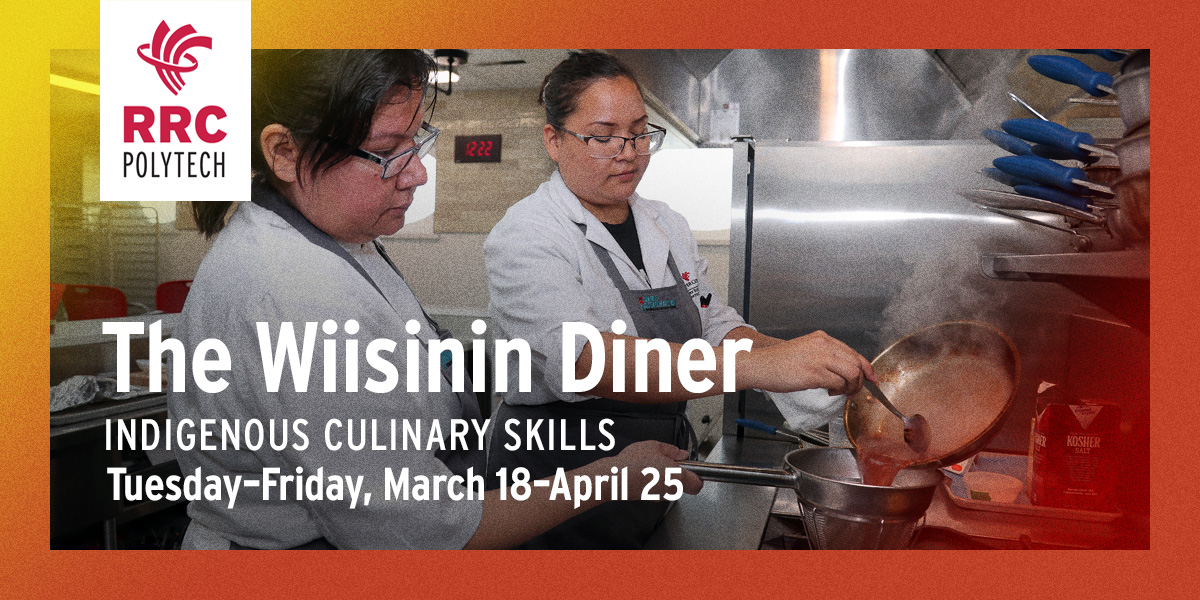
The Indigenous Culinary Skills students at RRC Polytech are bringing their talents to the table with the return of their much-anticipated pop-up diner! This hands-on learning experience allows students to showcase their newly acquired culinary skills while serving up delicious breakfast and lunch options for staff and students.

Located in the Prairie Lights Dining Room (Building C – Mall Level) at the Notre Dame Campus, the Wiisinin Diner will officially open its doors with a soft launch on March 13-14 and offering a limited menu.

The full menu will be available starting Tuesday, March 18.

Hours of Operation

Tuesday – Friday, March 18 – April 25*

  • Breakfast: 9:00 AM – 10:30 AM
  • Lunch: 11:30 AM – 1:30 PM

*Soft launch with limited menu items is on Thursday, March 13

For the first time, the Wiisinin Diner will offer point-of-sale service, meaning vouchers are no longer required. Guests can conveniently pay for their meals directly in the Prairie Lights Dining Room.

Important Notes

  • Single orders only – No modifications can be accommodated.
  • Training environment – As students hone their skills, orders may take longer or have minor errors. Your patience and support are greatly appreciated!

For the full menu, visit the Wiisinin Diner webpage.

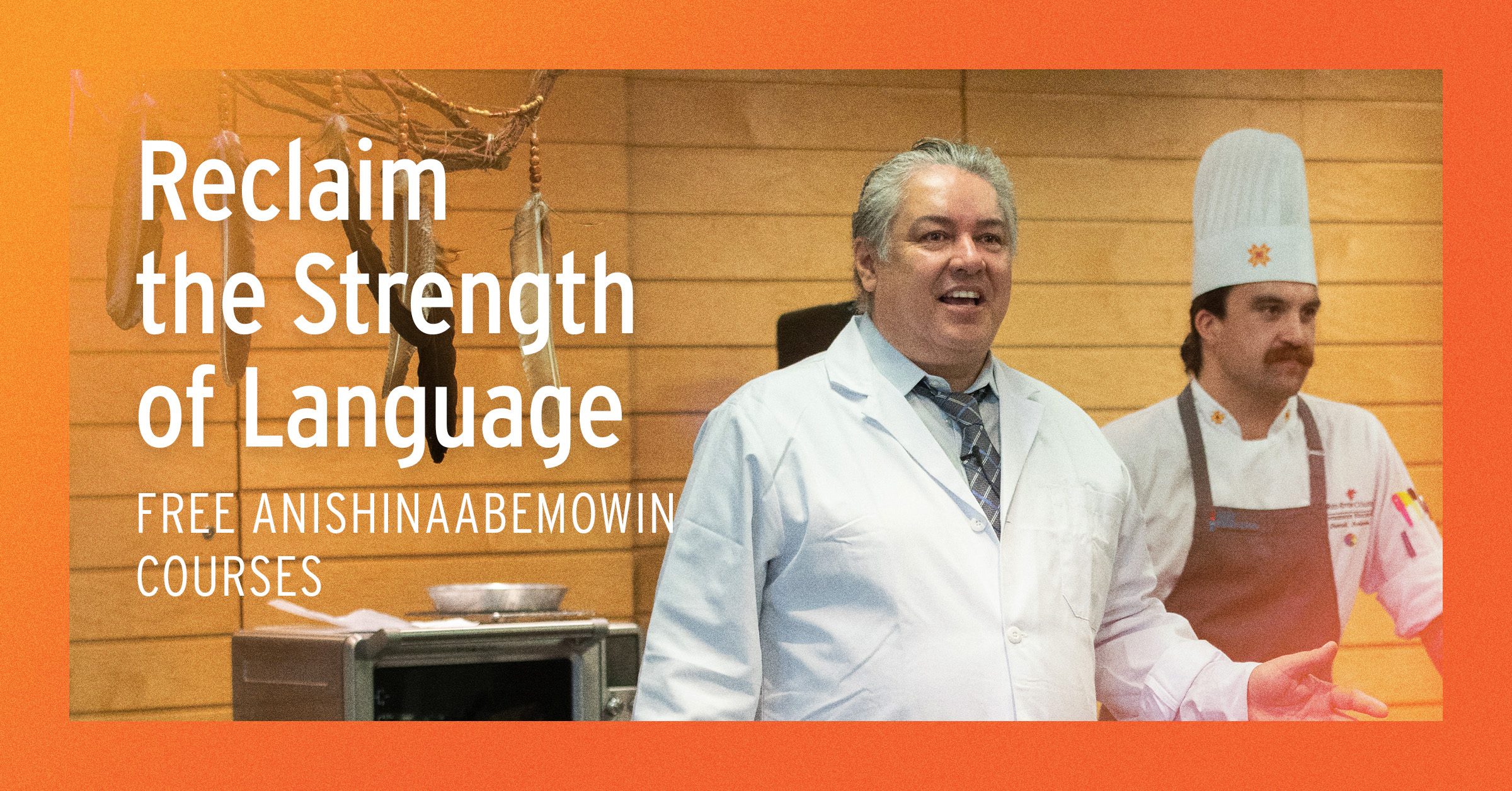
Reclaim the Strength of Language with Free Anishinaabemowin Courses at RRC Polytech!

November 25, 2024

Thanks to the generous support of CWB Financial Group, RRC Polytech is offering Anishinaabemowin courses to help you connect with your cultural roots at no cost. Whether you’re just starting out with Introduction to Anishinaabemowin or looking to deepen your knowledge in Conversational Anishinaabemowin, these face-to-face classes are the perfect opportunity to learn from a fluent instructor and engage with fellow learners. Strengthen your connection to the Anishinaabe culture, develop meaningful relationships, and build a strong foundation in the language – all in a supportive and immersive environment.

Introduction to Anishinaabemowin starts on Jan. 8, 2025, and runs every Wednesday evening 5pm – 8pm until April 23, 2025. Conversational Anishinaabemowin starts in May 2025.

Check out the program page for more information and to register.

Explore the World of Tech!

May 1, 2024

Wednesday, May 15 – Powered by IG Wealth Management

High school students are invited to come to RRC Polytech and explore the world of Information Technology! You will have the opportunity to explore sessions that focus on our programs Application Development and Delivery, Information Security, IT Operations, Data Science and Machine Learning, and Game Development. The day will also include a tour of RRC Polytech and panels of representatives currently working in the field.

9:30 AM to 3:00 PM

RRC Polytech – Roblin Centre – 160 Princess Street

Agenda

  • 9:30 AM – Welcome
  • 10:10 AM – Session A: Game Development
  • 11:20 AM – Session B: Pentesting
  • 12:20 PM – Lunch 
  • 1:30 PM – IT Panel
  • 2:30 PM – Campus Tour

Register here! Admission is free for all Indigenous students.

RRC Polytech campuses are located on the lands of the Anishinaabeg, Ininiwak, Anishininwak, Dakota Oyate, and Denésuline, and the National Homeland of the Red River Métis.

We recognize and honour Treaty 3 Territory Shoal Lake 40 First Nation, the source of Winnipeg’s clean drinking water. In addition, we acknowledge Treaty Territories which provide us with access to electricity we use in both our personal and professional lives.