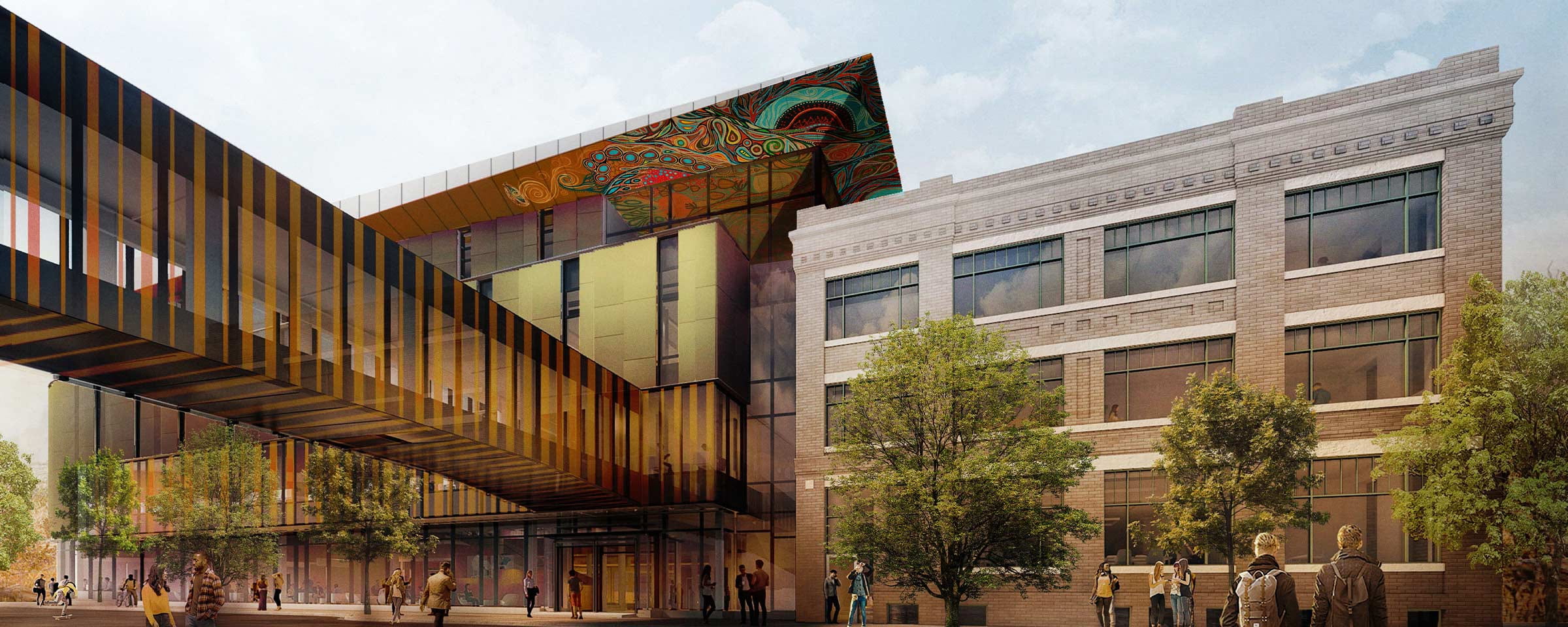
Manitou a bi Bii daziigae is Anishinaabemowin (Anishinaabe: Ojibwe, -mowin: language).
It is RRC Polytech’s expansion of the Exchange District Campus, and the first building at RRC Polytech to have received a name in Anishinaabemowin.
The name is made up of two elements: Manitou a bi, which means Where Creator sits and Bii daziigae, which means Brings light.
Pronunciation: Manitou a bi Bii daziigae – Anishinaabemowin (Ojibwe)
Man-a-too ah be • Bee da-zee-gae
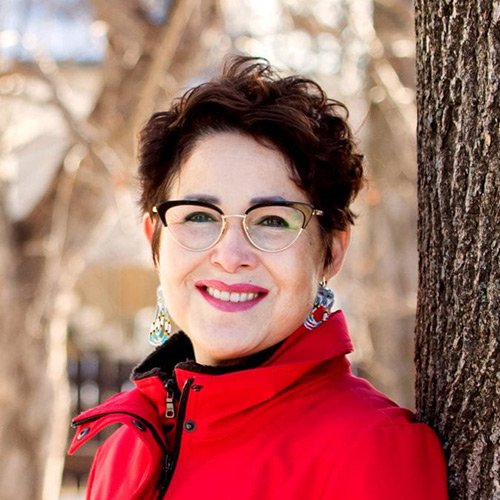
RRC Polytech received the name Manitou a bi Bii daziigae from two Indigenous Elders
in 2021. Elder Paul Guimond of Sagkeeng First Nation and Miss Una Swan of Fisher River Cree Nation, both Elders-in-Residence at the time, were offered Tobacco in the spirit of reciprocity to begin the process of determining a name for the building.
As Elders of their communities, they bring lifetimes of experiences, stories, ceremonial gifts, and lessons. Their perspectives have contributed meaningfully to the inclusion of Indigenous languages in our spaces and the recognition of Anishinaabemowin.
“It’s powered by nature. Much like how we live – powered by nature and the sun. The sun is such a beautiful spirit; it brings warmth, growth, light, hope. It’s a building, but it has spirit. It’s going to bring that positive spirit in the minds and the realm of all people.”
Elder Paul Guimond, Okonace (Little Eagle Bone) from Sagkeeng First Nation, RRC Polytech Elder-in-Residence
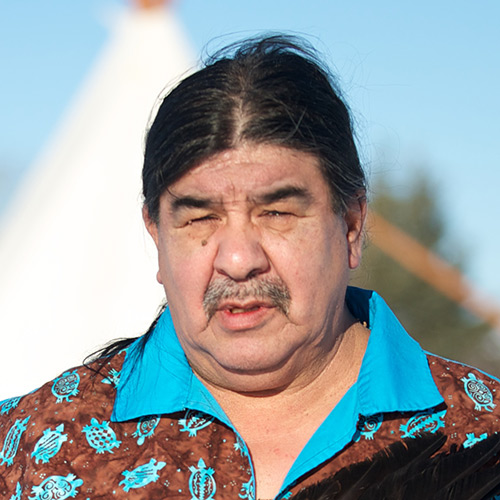
The name is made up of two elements in Anishinaabemowin – Manitou a bi: Where Creator Sits and Bi daziigae: Brings light.
Anishinaabemowin is Elder Paul Guimond’s first language and one of the most commonly-spoken Indigenous languages in Treaty 1 Territory along with Ininimowin, Michif, Dakota, Denésuline, and Inuktitut.
“Manitou a bi” refers to the location in which the building is situated – in Winnipeg in Treaty 1 Territory, at the convergence of the Red and Assiniboine Rivers, a meeting place since time immemorial for countless Indigenous Peoples. It represents the cultural and spiritual diversity of Indigenous Peoples – it’s home. It’s Where Creator sits.
“Bii daziigae” describes the intent, functionality, and beauty of the space.
Brings light is an act. It expresses the building’s strategic purpose to bring students, staff, and community together to collaborate, develop new ideas, and utilize the newest technology. It marks a new era of hope grounded in RRC Polytech’s renewed commitment to Truth and Reconciliation in all that we do.
In a physical sense, Brings light refers to the building’s solar energy usage and sustainability-focused design elements – the natural light that pours in through the windows was a significant source of inspiration for the name.
“There are just so many things that this name encompasses. The first part and the second part; it’s not just the name, it’s what those words represent. It represents the Truth and Reconciliation era that we’re in right now.”
Miss Una Swan, Black Eagle Woman, Fisher River Cree Nation Elder
Elder Paul and Miss Una toured the space, met with the architects, engineers and artists, and became familiar with the nature of the building’s purpose – which was built to house an atmosphere of constant innovation that focuses on creative arts, technology, Indigenous entrepreneurship and social innovation, and industry-led applied research. Students, faculty, industry mentors and members of the community would use this dynamic space to engage in concept and product development, testing, and promotion – creating solutions to real-world issues that benefit the lives of Manitobans.
Elder Paul, as Sun Dance Chief, leads the four-day Ceremony in Sagkeeng First Nation every year and in 2021, he prayed on the new name for the building. He returned with Bii daziigae – Brings the light.
Miss Una gave up water and food for three days during a fasting Ceremony, where she prayed and sought direction for a name that would reflect the building’s purpose. She returned with Manitou a bi – Where Creator Sits.
Both Elders engaged in the traditional Ceremonial Protocols passed on to them by their Elders and Spiritual Guides. As Elders in their communities, they have obligations to the Teachings they hold, to their own Elders, to their ancestors, and to spirit itself. When asking for something such as a name, reciprocity is honoured through what can be offered to Creator, including (but not limited to) time, sacrifice, and Ceremony.
Elder Paul and Miss Una accepted the responsibility of finding a name for the building, and together they gifted the Polytech with Manitou a bi Bii daziigae. To honour the sacrifices they made in finding the name of the building through traditional Ceremony, the Polytech Feasts the name every year during the Spring and Fall Equinoxes with the community.
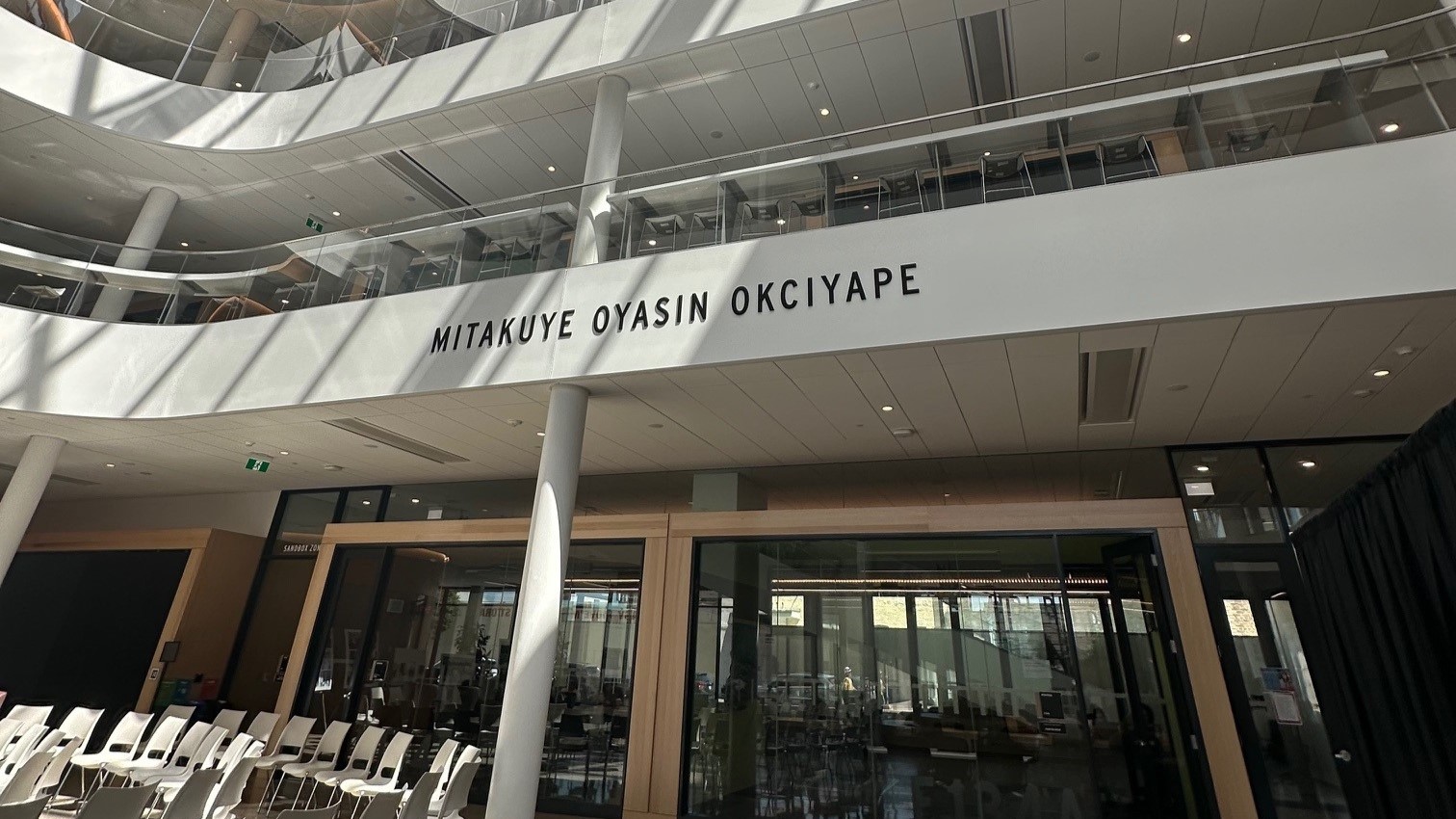
Mitakuye Oyasin Okciyape is the name for the large open space you walk into in Manitou a bi Bii daziigae. In Dakota, the name means All My Relations Helping Each Other.
Pronunciation: Mitakuye Oyasin Okciyape – Dakota
MITAH-koo-ya OYA-shin OAK-ah-pee
Kunshi (Dakota Grandmother) Ivy Chaske joined RRC Polytech in 2023 as a Grandmother in the Elders-in-Residence program and as a member of the Knowledge Keepers Council. She proposed changing the name from the Agora to Mitakuye Oyasin Okciyape, and in the spirit of reciprocity, was offered Tobacco.
The initial Ceremony to begin the process of transferring the name began on June 21, 2024, with a Pipe Ceremony to thank the name Agora for the function it served before Mitakuye Oyasin Okciyape. For the next year, Kunshi Ivy observed how the Polytech cared for the space and the name before choosing to formally transfer responsibility for the name to four selected leaders at RRC Polytech.
All My Relations Helping Each Other is a prayer of connection. Mitakuye Oyasin Okciyape reminds us that we are not separate – we are part of a vast web that includes every person, every creature, the land, the water, and even the air we breathe. The word “all” means everyone and everything, without exception – not just those who are familiar or similar to us. It’s a call to recognize that our lives are deeply interwoven. It’s a recognition of the fact that we exist because everything else exists.
This Teaching reminds us to live with awareness and to recognize the ways we are the same – how we all long for love, peace, truth, and belonging. It challenges us to move beyond division because unity can’t thrive where exclusion lives. When we understand our place in the circle, we realize that each breath we take connects us to all life in the past, present, and future. Ceremonies and prayers remind us of this truth and help us live it and honour it.
Mitakuye Oyasin Okciyape is not just a statement – it’s a commitment to walk in respect, compassion, and kindness, and it’s a commitment in honouring all our relations as we heal ourselves and the world.
Each person who took part in the Ceremony on Friday, June 20, 2025, honoured its spirit through their presence, accepted the responsibility of bearing witness, and helped ensure that Mitakuye Oyasin Okciyape will continue to live within the RRC Polytech community. The Ceremony was an act to close the circle on the previous year’s Ceremony. During this time between Ceremonies, the Polytech walked with Kunshi Ivy while she observed the space and ensured the name and the space could be held with the proper respect.
Responsibility for Mitakuye Oyasin Okciyape was given to four selected leaders at the Polytech, and each was presented with a gift that represents the weight of the responsibility they accepted. With that, Mitakuye Oyasin Okciyape is a proud recognition of the inclusion, reflection, and innovation that happens within these walls and the commitment we have in celebrating the First Nations, Inuit, and Métis.
This commitment is reflected not just in words, but in meaningful action. As an educational institution, RRC Polytech consistently creates space for inclusion, acceptance, and deep respect for traditional ways of knowing. Through work in the community, we have demonstrated that this is more than a statement – it is a lived practice that shows we are truly committed to reconciliation and respectful relationships.
Every year, Mitakuye Oyasin Okciyape will be Feasted by the four selected responsibility holders on the anniversary of the responsibility transfer – June 20. Going forward, responsibility for the name must be passed on in perpetuity at the Polytech to ensure that the proper respect is given to the name and the meaning it represents – and, as such, honouring the friendship we cultivated with a Dakota Grandmother and the Dakota Oyate.
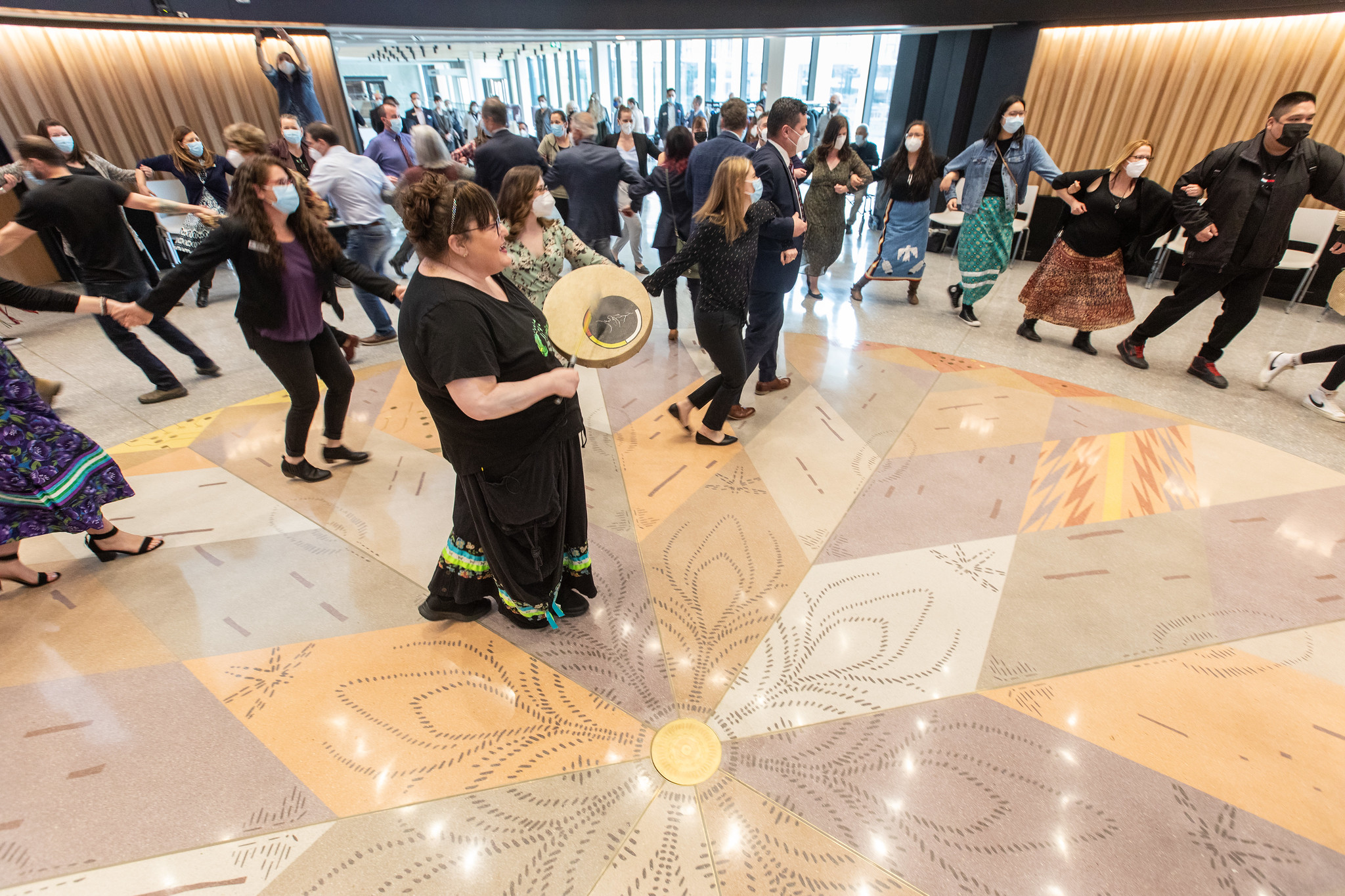
The Roundhouse Auditorium is a 210-seat space that is available for interactive lectures, traditional Teachings and Ceremonies, and large events. The Roundhouse is soundproof, ventilated for the use of traditional Medicines, and features a curved, panoramic projector to display videos and create an immersive experience. Anishinaabe-Nêhiyaw-British artist KC Adams’ Morning Star design, created using birchbark technology, is embedded into the floor in this space.
Adams’ Morning Star incorporates traditional and emerging technologies in a space designed to bring people together to learn and innovate. Morning Star celebrates traditional Indigenous technologies such as birchbark, which Adams featured prominently in the design. The bark is arranged in a pattern that represents new beginnings – “the first star you see in the morning, the star that guides us.”
The design overlaps with a medicine wheel motif inspired by Ininew tradition, with four colours pointing in four directions. Other symbols in the design include triangles, which were used by all cultural groups living in the area, and snakes that evoke Ojibway water serpent stories. A sash represents the Métis nation, and a prominent “Y” pattern evokes Inuit wrist tattoos.
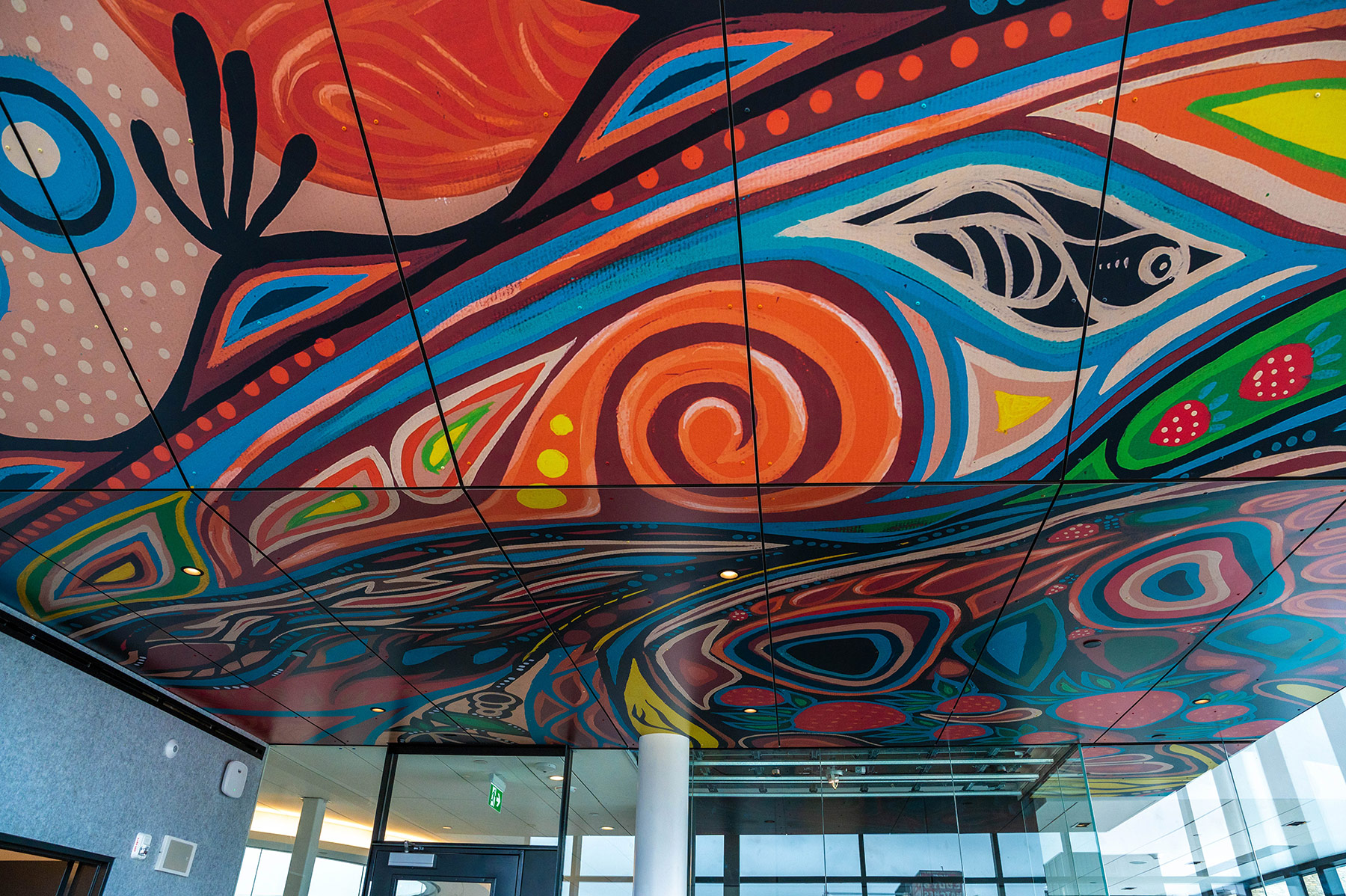
The City View Classroom is located on the fourth floor of Manitou a bi Bii daziigae and the artwork created by Jackie Traverse spans approximately 1,000 square-feet across the inside and outside of the building.
The piece is inspired by The Forks – where the Red and Assiniboine Rivers meet. It incorporates the thirteen moons (which could be interpreted as rocks to represent the Grandfathers), people, bear paws, and the Oodena Celebration Circle.
Traverse is a multi-disciplined Anishinaabe artist from Winnipeg who works predominantly with paint on canvas. Traverse is a graduate of the University of Manitoba’s Fine Arts program and is known across Canada for her powerful art, which speaks to the realities of being an Indigenous person.
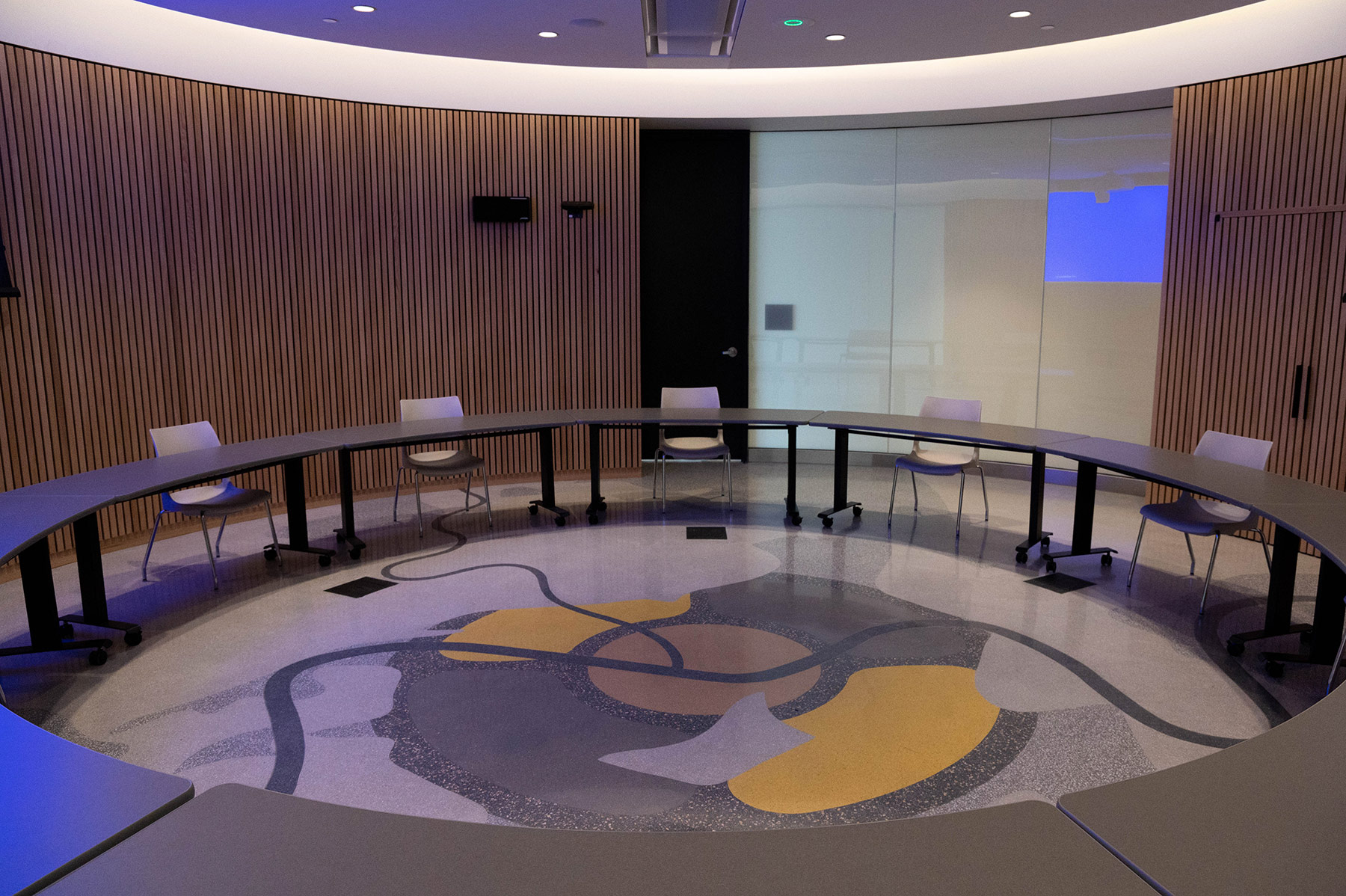
The floor artwork in the Multipurpose Room represents a collaborative effort between the architects and the team from RRC Polytech. The original concept draws inspiration from Stephen Snake’s artwork – which is part of the RRC Polytech art collection – particularly the Turtle Island piece which serves as the foundation for the design. The design evolved from a simple form symbolizing a turtle shell to a representation of Turtle Island as North America, and later, an abstract globe symbolizing the world, then two rivers were incorporated to anchor the piece to its specific location. The process involved the exploration of various design iterations and extensive discussions with Elders and Indigenous members of the community.
The building is designed as a hub for technology, collaboration and community. Programs housed in the space have been developed in consultation with Manitoba’s fastest-growing industries. The building also includes new meeting spaces, classrooms and testing rooms for the College’s Language Training Centre and ACE Project Space – creating more opportunities for a connected learning experience.
In total there are 18 classrooms and five labs in the new building, including the following specialized spaces:
Manitou a bi Bii daziigae is RRC Polytech’s fourth LEED-certified building, with a goal of 100 energy use intensity and a near net zero efficiency.
Part of Manitou a bi Bii daziigae’s design includes Building Integrated Photovoltaics (BIPV) that have been installed along the exterior. Designed by SwissINSO, the coloured panels – called Kromatix – absorb and conduct energy while also protecting the building from the elements. This installation is the first of its kind in Canada, and will reduce energy consumption by an estimated 15 per cent.
Thanks to energy efficient technologies – including Power Over Ethernet lighting, Smart LSI Breakers, Wi-Fi outlets and BIPVs – the renewable energy produced will also power the building.
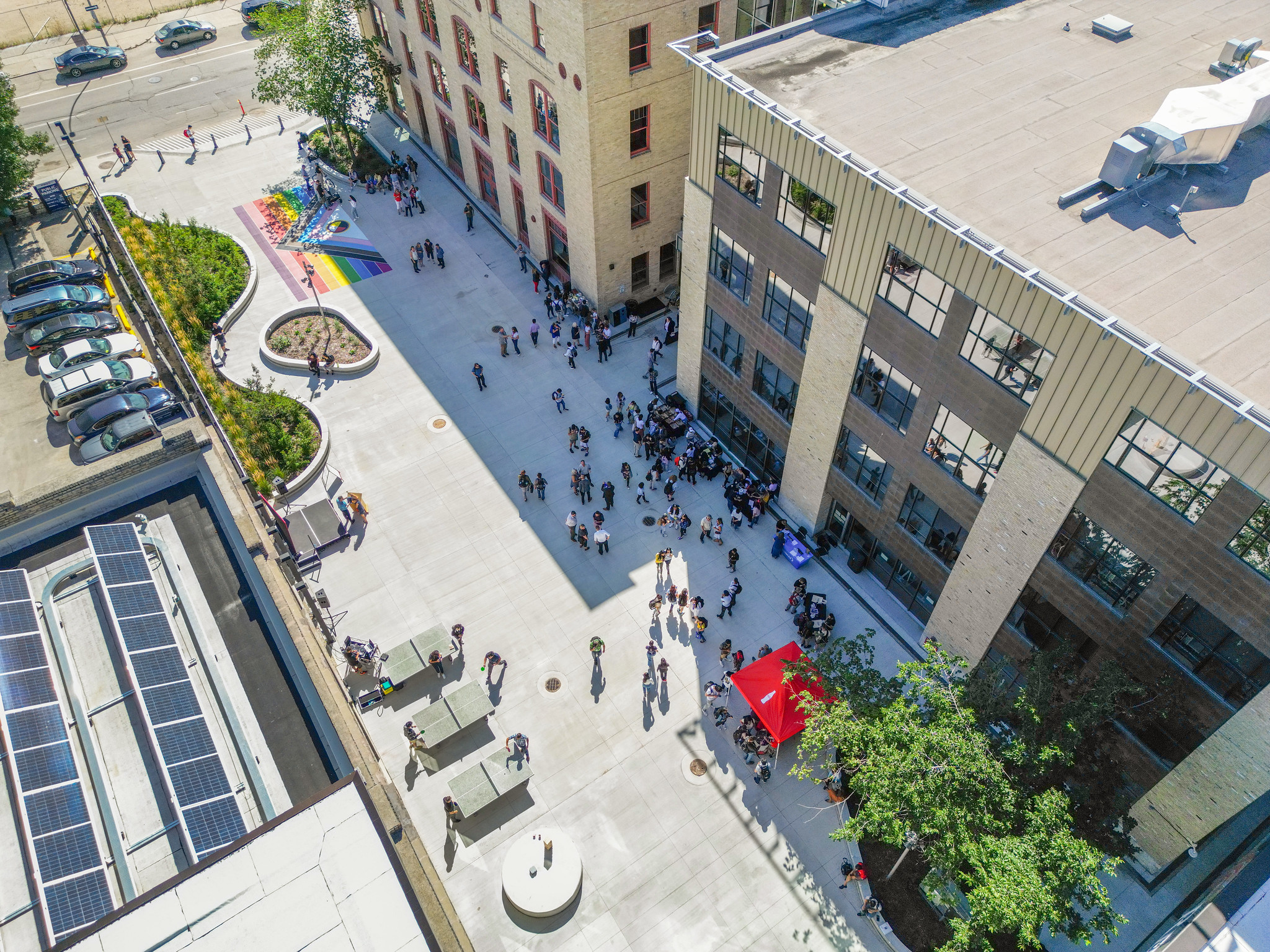
The Elgin Avenue Plaza – nestled between the Roblin Centre and Manitou a bi Bii daziigae – is a greenspace and pedestrian plaza for students, staff and community members. The outdoor space includes seating areas, recreational space, and power outlets for food trucks, entertainment and vendors.
Students and community members can use the space to study, eat lunch, or host events such as concerts or maker markets. The greenspace is located across from the new Market Lands, a creative hub, housing and market space that will attract more people to live, work and play in the growing neighbourhood.
RRC Polytech campuses are located on the lands of the Anishinaabeg, Ininiwak, Anishininwak, Dakota Oyate, and Denésuline, and the National Homeland of the Red River Métis.
We recognize and honour Treaty 3 Territory Shoal Lake 40 First Nation, the source of Winnipeg’s clean drinking water. In addition, we acknowledge Treaty Territories which provide us with access to electricity we use in both our personal and professional lives.