From Start-Up to National Impact: Labs4’s Inaugural Summit Signals Canada’s Next Era of Innovation
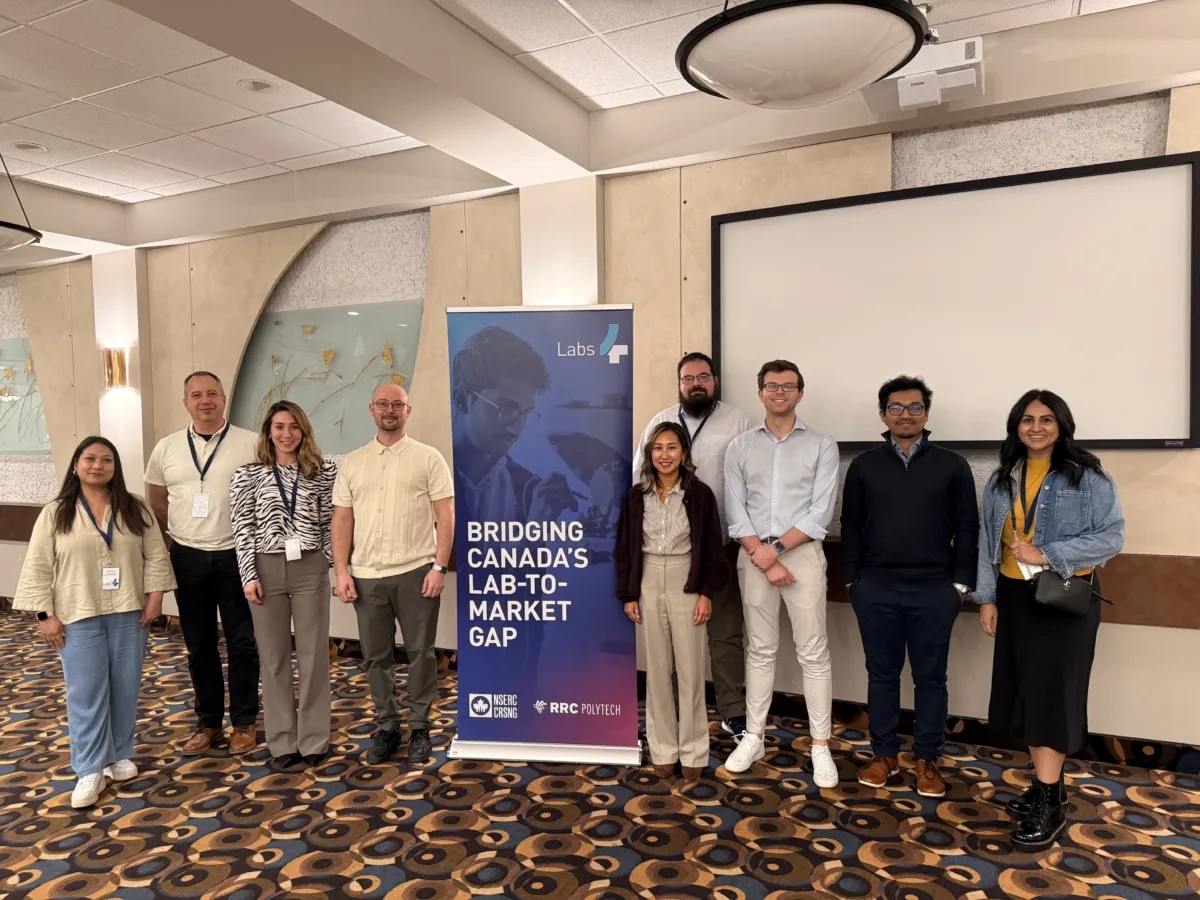
At the inaugural Labs4 National Summit, hosted by RRC Polytech in Winnipeg, leaders from Canada’s colleges, universities, and innovation ecosystem gathered to mark a new chapter in the country’s productivity and commercialization agenda. The event underscored how Labs4 is connecting applied research and entrepreneurship through nationally coordinated, regionally delivered programs that give researcher-entrepreneurs the tools to commercialize new technologies and strengthen Canadian competitiveness.
Labs4 is Canada’s applied research commercialization engine, connecting colleges, polytechnics, and universities to turn intellectual property into market-ready products and services. By embedding IP generation, data stewardship, and commercialization training into every stage of applied research, Labs4 is helping Canada capture and retain the value of its own innovation.
Hosted by RRC Polytech — the national lead for Labs4 — the summit brought together innovation partners from across the country, including Labs4 leadership, regional hub managers, researcher-entrepreneurs, industry collaborators, and Indigenous Knowledge Keepers. Together, they celebrated how the network is mobilizing intellectual property, expanding access to commercialization training, and advancing a more inclusive, hands-on model of innovation leadership.
“Labs4 represents the next chapter in Manitoba’s innovation story, with RRC Polytech as a principal author,” said Fred Meier, President and CEO of RRC Polytech. “Leading this collaborative network validates that applied research is a vital link along Canada’s chain of innovation and increases our ability to support entrepreneurs and small- and medium-sized enterprises across the country to transform their novel ideas into reality. Together, we’re accelerating the commercialization of intellectual property that boosts productivity, creating good jobs and spurring economic growth.”
Building Canada’s Bridge from Research to Market
Labs4’s rapid progress over the past year marks its transition from start-up to full national delivery. In just twelve months, the initiative has built a unified, coast-to-coast system that mobilizes intellectual property through applied research — linking 38 institutions, hundreds of researchers, and industry partners into Canada’s first truly integrated commercialization platform. In doing so, Labs4 is strengthening Canada’s ability to turn research into domestically owned ventures and technologies, and ensuring that intellectual property and economic returns stay within the Canadian innovation ecosystem.
Through two flagship programs — the Technology Readiness Level-Up (TRL) and Market to Lab (MtL) initiatives — Labs4 connects student and graduate researcher-entrepreneurs with mentors, applied research teams, and industry collaborators to advance prototypes, validate market opportunities, and launch ventures that serve real-world needs. These programs are nationally standardized but regionally tailored, ensuring that innovation support reflects local economies while supporting consistent quality, inclusivity, and impact.
This coordinated model is not just theoretical — it’s already producing measurable innovation outcomes across Canada. Each regional hub is demonstrating how national consistency, local delivery, and applied research excellence combine to move ideas from discovery to deployment.
For instance, a research team based at the University of Calgary and SAIT is scaling a nanobubble-based cleantech system that enhances wastewater treatment and improves environmental performance. In Saskatchewan, a PhD researcher in entomology is developing an AI-powered mobile app that helps Prairie farmers identify insect pests and beneficial species to improve crop management and reduce pesticide use. In Ontario, a participant is developing a spray-on EEG applicator to expand access to brain health diagnostics. And in Québec, a PhD researcher is developing low-cost, durable electrodes to make green hydrogen production more affordable. These are just a few examples among many.
“What makes Labs4 different is how it blends the strengths of colleges and polytechnics with the ambition of research-based start-ups,” said Dr. Jolen Galaugher, Executive Director of Research Partnerships and Innovation at RRC Polytech and Chair, Labs4 Executive Committee.
“This unprecedented network of 38 colleges and universities is mobilizing the transition of intellectual property to markets across Canada through the productization of research, delivered through applied research units that also serve SMEs and strengthen their competitive advantage. By building relationships across disciplines, sectors, and regions, we’re creating a model of innovation that turns collective intelligence into real-world solutions.”
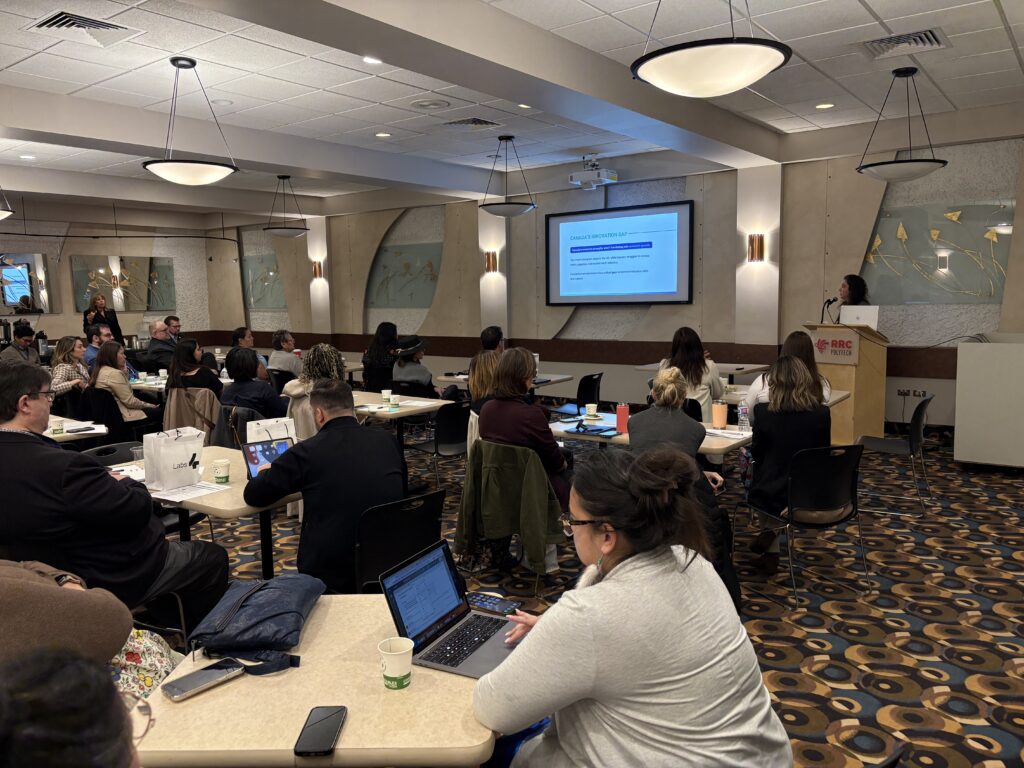
At the summit, participants saw firsthand how this model works. Panels and workshops highlighted Labs4’s progress in developing national data-tracking systems, standardized reporting, and bilingual digital platforms that connect hubs, participants, and partners nationwide — ensuring transparency, accountability, and scalability. Together, these systems make Labs4 a sustainable, measurable engine for Canada’s innovation and productivity growth.
Scaling Innovation: Collaboration, AI, and Inclusion
The Labs4 National Summit wasn’t just a showcase, but a forward look at how Canada can connect research, entrepreneurship, and technology to build a more resilient, productive economy.
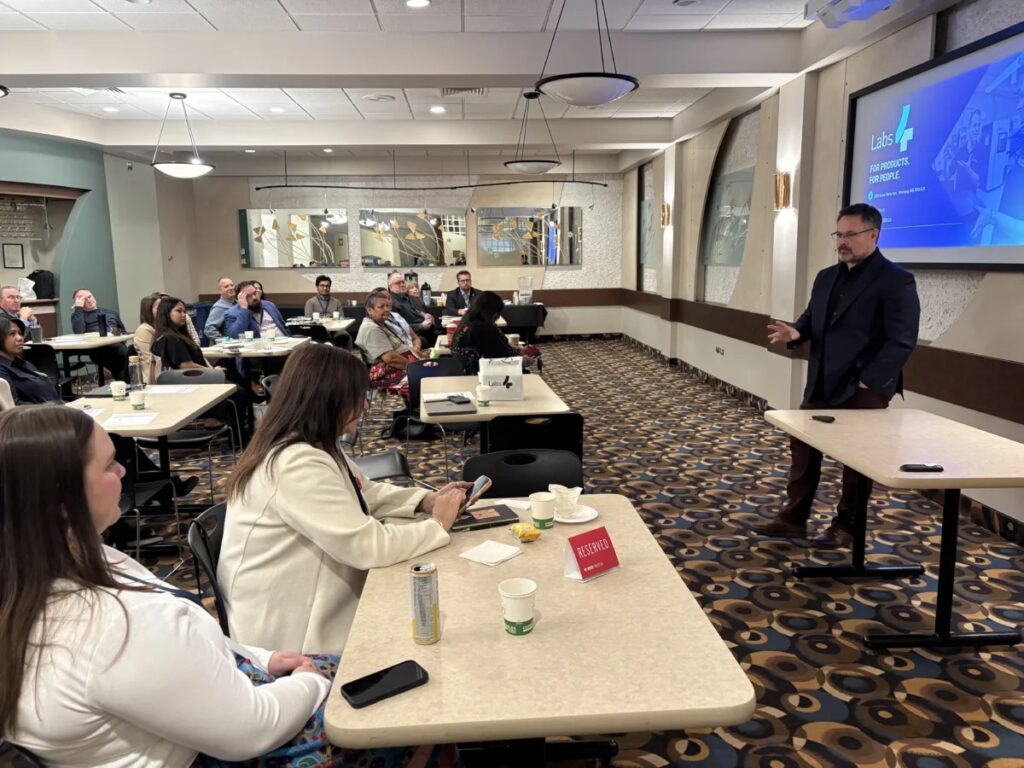
Joel Semeniuk, President and CEO of Primal, opened the conversation by challenging participants to rethink how innovation happens. He called for a shift from a “one-brain” model — where ideas advance in isolation — to a “many-brains” model that scales knowledge through collaboration, iteration, and shared infrastructure.
“Canada is historically exceptional at providing the world with practical solutions, but with change accelerating exponentially, our competitiveness will depend on how fast we can mobilize collective intelligence,” Semeniuk said. “Labs4 is proving what that looks like in action — connecting hundreds of innovators and applied researchers into one network that learns and grows together.”
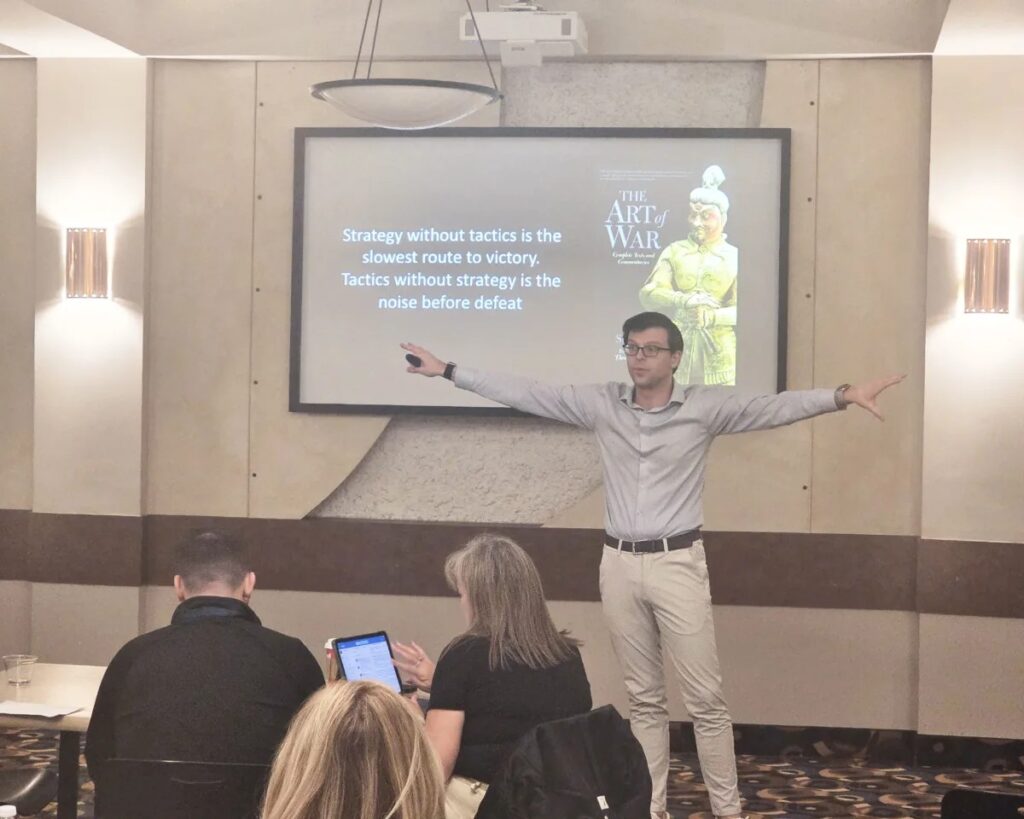
The conversation on transformation continued with Paul Cheek, Senior Lecturer at the MIT Sloan School of Management and Senior Advisor for Entrepreneurship & AI. Artificial intelligence and data sovereignty are critical to Canada’s future competitiveness. Cheek’s AI-Driven Enterprises (AIDE) workshop reframed entrepreneurship for the AI era, showing participants how artificial intelligence can compress the entire innovation lifecycle — from idea to product — into weeks instead of months. Using real-world examples and the Startup Tactics AI toolkit, Cheek demonstrated how entrepreneurs can now use AI agents to perform tasks that once required full teams: market research, financial modeling, product design, and customer validation.
“We’re not just building AI-driven companies,” Cheek explained. “We’re redefining how business itself operates: using AI to bend the vector of innovation, accelerate clockspeed, and create more solutions than problems. By developing AI-enabled commercialization models that are both ethical and Canadian-governed, Labs4 is helping establish the foundations of sovereign AI infrastructure, and ensuring that the benefits of machine intelligence are captured within our economy.”
For Labs4, the implications are immediate. By embedding AIDE principles into its TRL and MtL programs, Labs4 is equipping Canada’s researcher-entrepreneurs with AI literacy, decision-support tools, and productivity systems that dramatically shorten the path from lab to market. This integration of human creativity with AI-enabled efficiency positions Labs4 as a national engine not only for commercialization, but for the reinvention of how innovation happens.
“AI is a powerful tool that will change work, not eliminate work – together, we must quickly mitigate the risks and embrace it to drive the kind of progress that we’re all committed to,” said Raj Deol, Regional Program Manager, Labs4 Southern Alberta Hub at SAIT. “This week’s presentations and relationship-building activities have been invaluable. With a deeper understanding of AI opportunities along with the approaches and capabilities at other hubs, we’re better prepared and more eager than ever to engage our spoke partners in our respective regions.”
Embedding Inclusion: Indigenous Innovation at the Centre
A recurring theme throughout the summit was that true innovation must also be inclusive. In July, leaders from Labs4’s Indigenous Entrepreneurship Hubs — Mittohnee Pogo’ohtah (RRC Polytech), pawâcikêwikamik (SIIT), and FlintHub (United College) gathered in Winnipeg for an Opening Pipe Ceremony led by Grandmother Helen Settee to ground their innovation journey with culture and shared purpose. Since then, the hubs have welcomed new cohorts of Indigenous researcher-entrepreneurs, recruited the network’s first Indigenous Program Manager, and convened the inaugural Indigenous Advisory Circle, formalizing community-led governance within the Labs4 framework.
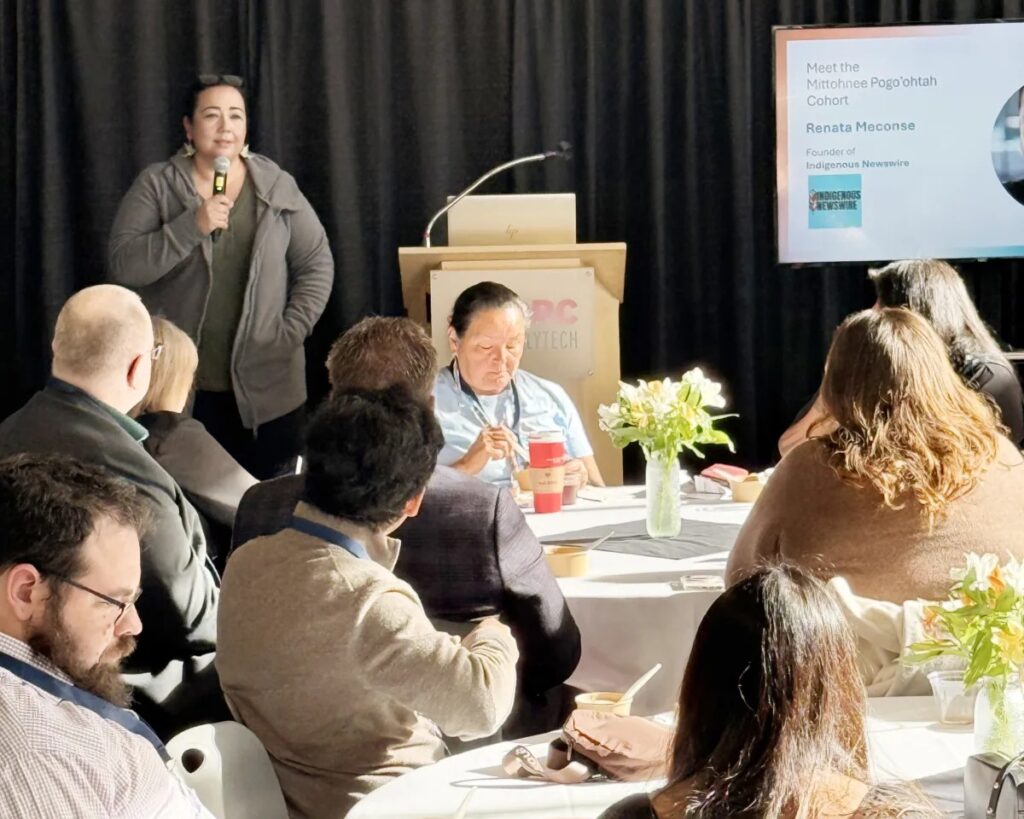
These hubs have advanced a truly Indigenous-led approach to commercialization — one that begins with ceremony, guided by Elders and Knowledge Keepers, and extends into mentorship, training, and community-based entrepreneurship.
Indigenous entrepreneur Zachary Flett, attending the summit, said that his experience with Mittohnee inspired him to expand that spirit of collaboration through his own venture. From Sagkeeng First Nation, Flett is the founder of IndigiHub, a Winnipeg-based Indigenous-owned platform that connects entrepreneurs, communities, and investors to accelerate Indigenous innovation and economic growth.
“Being part of Mittohnee has been a powerful experience that reminded me how much impact collaboration can have when we come together as Indigenous entrepreneurs,” he said. “Through IndigiHub, my goal is to make funding and resources more accessible in one place, so others can take their ideas further without feeling lost in the process. Programs like Mittohnee and partnerships like Labs4 show what’s possible when we create spaces that empower Indigenous innovation and real opportunity.”
Darion Ducharme, founder of Teqare and a member of Lac Seul First Nation, also attended the summit. His company delivers digital safety and cybersecurity workshops to more than 70 First Nations communities and 100 schools, developed with guidance from RRC Polytech. By blending technology with cultural understanding, Teqare helps elders and youth navigate the internet safely — proof that inclusive, community-based entrepreneurship can build both social resilience and digital sovereignty.
“Being part of the inaugural Mittohnee cohort has been deeply meaningful. As the owner of a First Nations technology education company, I know how important it is to have support that understands our context. We feel supported not just as entrepreneurs, but as people first. They listen, they adapt, and they make sure we have what we need to keep growing. Mittohnee and Labs4 are helping us build strong Indigenous businesses in a way that feels respectful, empowering, and truly rooted in community.”
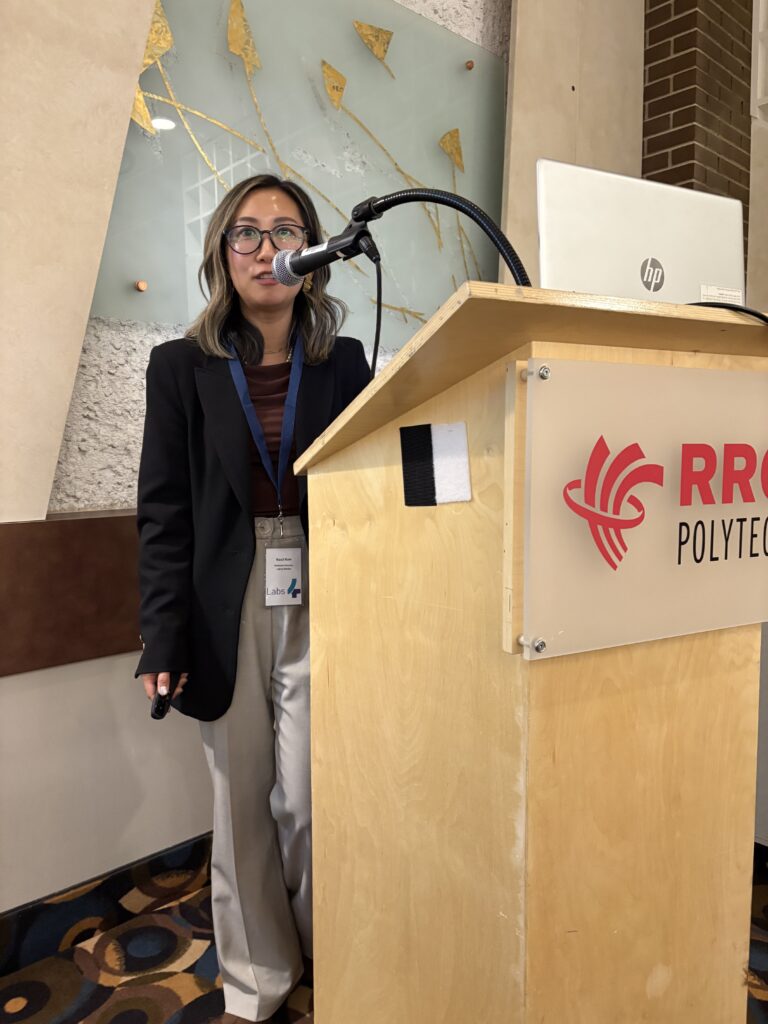
According to Nasil Nam, Labs4’s National Director, the organization’s future will be defined by this blend of technological adoption, collaboration, and inclusion.
“Everything we’ve built over the past year has laid the foundation for what comes next,” said Nam. “With national systems and partnerships now in place, Labs4 is entering a phase defined by scale, collaboration, and measurable impact. Today, we’ve moved from that start-up phase into full national delivery. We’re no longer testing the idea — we’re living it. Our goal is simple: to make Canada the best place in the world to turn research into real-world solutions.”
Learn more about Labs4 programs, including the Winter 2026 TRL cohort and MtL pilot, at labs4.ca.
Labs4 acknowledges the support of the Natural Sciences and Engineering Research Council of Canada (NSERC) through its Lab-to-Market program funding.