
Before You Bet: Understanding the Risks of Sports Gambling
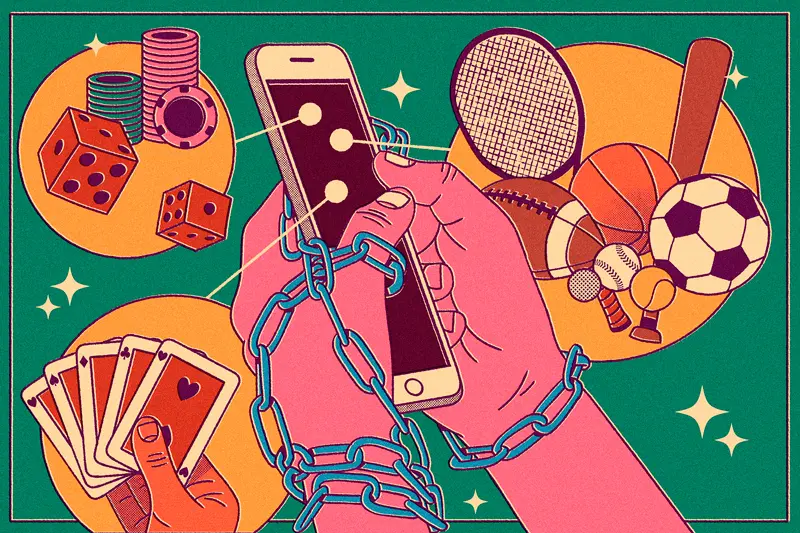
Illustration by Daniel Diosdado
Spring brings us a sense of renewal, hope, and increased energy. We start to look forward to getting outside and enjoying some of our favourite pastimes. But spring also brings us to the season of professional sports playoffs. With higher stakes, increased media attention, and excitement about high profile match ups, more post secondary students are exploring the world of sports betting.
In 2021, Canada legalized single event sports betting and in the three years that followed, across the country gambling on sports events rose tenfold. According to the Canadian Psychological Association, “…one in five people who bet on sports do so every single day…young people are particularly vulnerable and are specifically affected by gambling addictions.” A significant part of the appeal comes from advertising campaigns from an ever growing number of easily accessible online sports betting websites and apps.
The influx of ads along with the ease of sports betting is creating a dramatic rise in young people, specifically males 16-30 years of age, seeking help for gambling related problems. Dopamine, a neurotransmitter associated with the reward system of the brain, surges in high amounts during gambling activities – much like when people use substances like drugs and alcohol. The brain learns that engaging in gambling triggers a dopamine release; which in time can lead to dependency. Some people can engage in gambling without any significant effects, where for others, it can lead to substantial problems.
Safe Gambling Tips
Unlike what people see on social media and sports betting apps, there is an inherent risk built in when it comes to gambling. Odds are you will lose more often than you win. If you are going to gamble, try to follow these tips to play safe and have fun:
- Don’t gamble when you’re upset or stressed
- Limit your alcohol and/or cannabis intake while gambling
- Know how the games work before you wager
- Set budget and time limits – there are tools available on many slot machines, mobile and internet gambling sites to help you monitor your play
- Take frequent breaks – move around, get some fresh air, have something to eat or a coffee
- Only gamble with money you have – never borrow money or use money intended for necessities, like rent or food
- Don’t try to win back what you’ve lost
- Gambling is not a way to make money so don’t think of it as a chance to win money for a trip, to pay bills or to pay off debt
- Stick to your budget by leaving your credit and debit cards at home
- Balance gambling with other recreational activities
- If you’re no longer having fun, stop playing
- Don’t depend on “good luck” strategies – they don’t increase your chances of winning
When does sports gambling become a problem?
Gambling becomes a problem when it starts impacting a person’s daily life, like mental/physical health, finances, school, or relationships. Often times, friends and family will notice the problem first.
It’s important to watch for:
- falling grades
- increased irritability or anxiety
- disappearing money or possessions
- lying
- prioritizing gambling over school or friends
- anger when gambling is interrupted
- spending excessive time on betting websites and apps
Want to learn more?
Try our sports betting simulation and see how your future plays out.
Visit the Campus Well Being team and take our five-minute challenge.
Participants will be entered to win one of four $20 gift cards.
Exchange District Campus, Atrium: Tuesday, April 7, 2026 from noon to 1 pm.
Notre Dame Campus T-Building: Thursday, April 9, 2026, from noon to 1 pm.
Sources
Canadian Psychological Association
Gambling, Gaming and Technology Use
Canadian Centre on Substance Use and Addiction
The Current with Matt Galloway – When it comes to sports betting, does everyone lose?