
Activating Your Body’s Calming System
Our bodies are miraculous. From the disappearance of a paper cut and the beating of our hearts, to digesting the sandwich we ate at lunch time and breathing in and out. So many physical operations and processes happen without our conscious input.
Another automatic system is our fight‑flight‑freeze response to all the things coming at us from the world around us and from inside our own minds. We all react differently depending on our mood and what we’ve been through.

- Have you felt a racing heart before an exam?
- Does your mind spin as you manage tuition payments and student loans?
- Do your muscles clench every time you prepare for a presentation?
When we enter a situation that makes us feel stressed, anxious or overwhelmed, our bodies can react in many ways. You may experience shortness of breath, a racing heart, clammy hands and/or dizziness. You may feel tightness in your chest, a clenched jaw or trembling, headaches and tunnel vision.
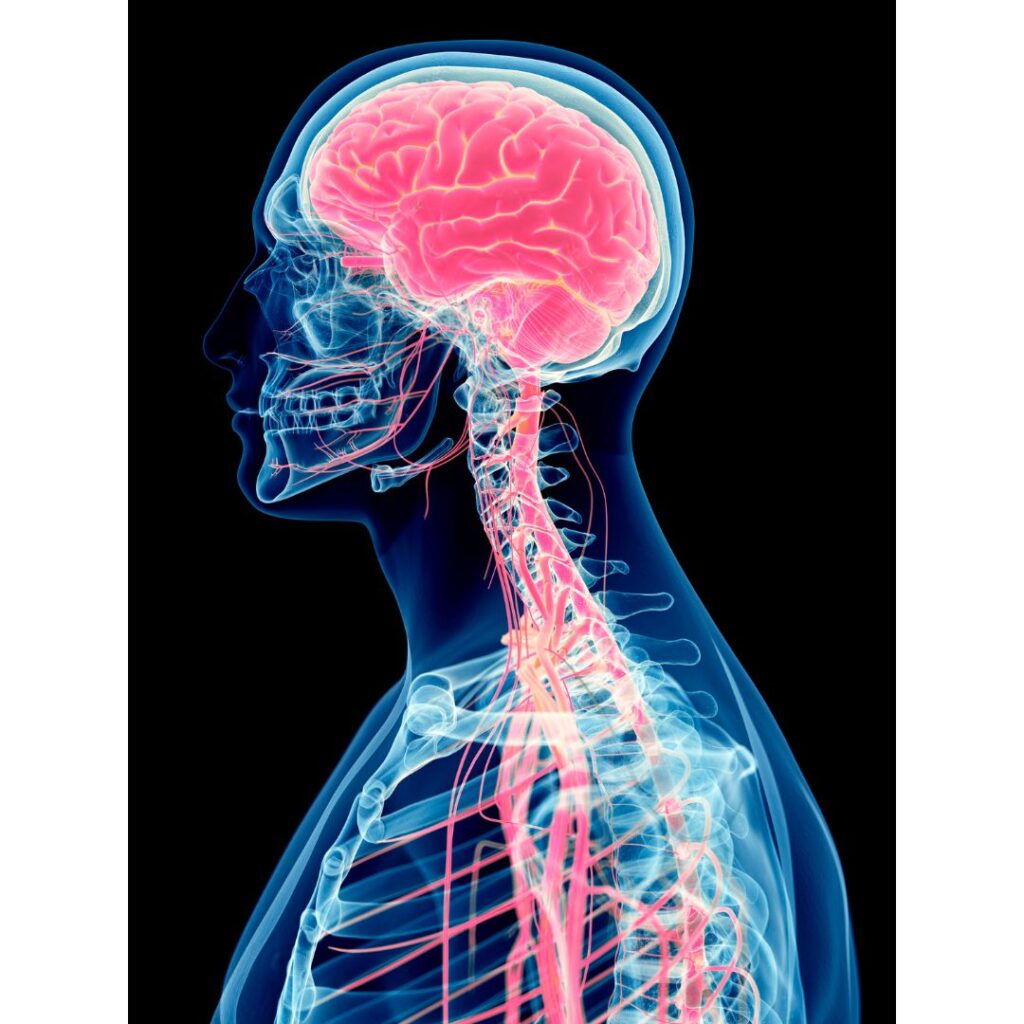
While these reactions might seem uncontrollable, your body also has ways to help calm them, such as activating your vagus nerve, a part of your parasympathetic nervous system.
The vagus nerve starts at the lower back part of our brain, right above where the spinal cord begins. From there, it branches out and down the left and right side of our necks. Each side of the nerve continues separately through the chest and into the abdomen, branching to the heart, lungs, stomach, intestines, and other organs.
It’s the longest cranial nerve and its a major pathway through which the body activates the parasympathetic (calming) response. The vagus nerve influences many automatic functions including heart rate, digestion, breathing, and even speech muscles.
A Calming Effect
The vagus nerve plays a vital role in allowing the body to be in a state that feels safe. A well-functioning vagus nerve contributes to emotional regulation, resilience, and overall wellness. When it’s activated, it helps slow the heart rate, lower blood pressure, and engage the parasympathetic “rest and digest” response that calms us down. A well‑supported vagus nerve helps the body manage stress more effectively and supports our mental well‑being every day.

Here are two simple ways to engage the vagus nerve and help ourselves during times of stress.
1. Diaphragmatic Breathing
One of the easiest and subtle ways to stimulate the vagus nerve is through diaphragmatic breathing. This is slow, deep breathing where the belly expands on the inhale and contracts on the exhale, with the exhale slightly longer than the inhale. Research shows this type of breathing slows the heart rate and invites the parasympathetic nervous system into action. For a practical guide to breathing techniques that support vagal tone, see the eMental Health tips.
2. Humming, Chanting, or Soft Vocal Tones

The vagus nerve branches to and through the throat and vocal cords, this means vocal vibrations like humming and chanting, can gently activate the nerve and cue relaxation. This can be as simple as humming a few gentle notes for a couple of minutes while walking between buildings or during a study break. For more on how sound and vibration help engage the vagus nerve, check out the Psychology Today article.
More Than Just Simple Hacks
While the two strategies highlighted above are quick and easy, as you might have guessed, our mental well-being is complex and multi-faceted. In addition to slow, controlled breathing, the most reliable ways to support our vagus nerve are:
- Regular moderate exercise
- Safe social connection
- Adequate sleep
Your Daily Path to Peace and Regulation
May we all take the time to find our paths to peace and relaxation. Supporting the vagus nerve is a simple way to improve overall well‑being. Small practices done regularly, ease stress and build resilience. Even a few minutes can shift the body from tension to calm.
Other Sources:
Portions of this content were researched and summarized with the help of AI to enhance clarity and accuracy.