Sustainability

News

RRC Polytech Water Footprint Assessment

August 29, 2025

At RRC Polytech, water isn’t just a utility, it’s a responsibility. We adopt a proactive approach to monitoring, managing, and reducing our water footprint across all campuses. As outlined in our Sustainability Strategy and Land Acknowledgement, RRC Polytech recognizes the sacred importance of water, which for our Winnipeg campuses originates from Shoal Lake 40 First Nation in Treaty 3 Territory. The institution also recognizes the Treaty Territories that provide the electricity powering our personal and professional lives. Conservation, in this context, is both a practical and deeply respectful commitment.

To honour this commitment to water stewardship, RRC Polytech has undertaken a water footprint assessment to reveal usage patterns, costs, and opportunities for conservation. This assessment includes both our direct water usage, as well as our indirect water usage consumed during the production of natural gas, electricity, paper and electronics used in our operations.

Methodology

At RRC Polytech, we’ve developed a water calculation approach that helps us better understand and communicate how water is used across our operations and supply chain. Our method builds on key principles from the internationally recognized water footprint framework created by the Water Footprint Network, as detailed in The Water Footprint Assessment Manual (2011). For this evaluation, we’ve compared data from 2024 against a baseline year of 2019 to understand how our water impact has evolved.

It’s important to note that this assessment isn’t fully comprehensive. It doesn’t include certain products we consume, like food served in our cafeteria. Omitting these items means our reported footprint is likely underestimated.

Reporting CategoryInput MethodologyNotes and Assumptions References 
City water consumption Meter readings from all 4 campusesUsage data from utility bills are directly uploaded to Energy Star Portfolio Manager, and can be visualized as needed. Reported data is based on water withdrawn from the City for use in our operations. This does not include water from any other sources such as rain. Because all discharges and/or evaporation rates aren’t tracked, all water in direct operations is assumed to be consumed. This analysis therefore does not take into account green water footprint and grey water footprint, only blue water footprint.Not Applicable 
Electricity used in operations Meter readings from all 4 campuses 
Water consumption coefficient 
Annual electricity usage was multiplied by the water consumption coefficient (13.12 m³/MWh).  
All electricity used is reported in MWh. Indirect water consumption (m3) = Annual total electricity consumption from operations (MWh) * Water consumption factor 
(m3/MWh) 
Because our electricity is mainly hydroelectricity, we used the water coefficient for hydroelectricity. Ali, B. (2018). Forecasting model for water-energy nexus in Alberta, Canada. Water-Energy Nexus, 1(2), 104-115. 
Natural gas used in operations Meter readings from all 4 campuses 
Water consumption coefficient 
Annual natural gas usage was multiplied by the water consumption coefficients of the two main pathways.  
All natural gas used is reported in m³. Indirect water consumption (m³) = (Annual total natural gas consumption produced from Petroleum-oil sands-extraction-surface-mining (m³) * Water consumption factor 
(m3/m³) of relevant pathway) + (Annual total natural gas consumption produced from the conventional pathway (m³) * Water consumption factor 
(m3/m³) of relevant pathway). 
The natural gas quantities consumed under each pathway was calculated as a ratio of the total natural gas consumed by the college. 
RRC Polytech assumes that the technology used to generate its purchased natural gas consists of a mix of pathways, with Petroleum-oil sands-extraction-surface-mining as the most common pathway used, followed by the conventional pathway. RRC Polytech has taken an average of the different pathways’ water consumption coefficients to calculate this mix. Ali, B. (2018). Forecasting model for water-energy nexus in Alberta, Canada. Water-Energy Nexus, 1(2), 104-115. 

CER – Canada’s Pipeline System 2021 – Natural Gas Pipeline Transportation System 
Paper consumedQuantity of paper purchased  
Water consumption coefficient 
The total quantity of paper purchased for the year was multiplied by a water consumption coefficient of 0.0075m³ for each A4 sheet.  The water consumption coefficient was derived from global average estimates. It is also assumed that all paper was produced using conventional methods. There was no distinction made between recycled and virgin paper. Lastly, the scope includes only the production phase, and not the end-of-life phase.  Van Oel, P. R., & Hoekstra, A. Y. (2010). The green and blue water footprint of paper products: Methodological considerations and quantification. 
Electronics purchasedQuantity and type of electronics purchased  
Water consumption coefficient of each type 
The water footprint was calculated by multiplying the quantity of each type of electronic device purchased by its respective water consumption coefficient. The coefficients/factors were derived from relevant LCA and manufacturer sustainability data.  All devices purchased were newly manufactured, not refurbished.  
The electronic devices were limited to desktops, laptops, tablets and monitors. The water consumption coefficients are based on average estimates and may vary depending on production location and company-specific practices.  
Avani Sachin Kulkarni, ” Environment Protection and Sustainable IT” International Journal of Scientific Research in Computer Science, Engineering and Information Technology(IJSRCSEIT), ISSN : 2456-3307, Volume 9, Issue 7, pp.58-62, March-April-2023. 

Helen Burley, “The Land and water footprints of everyday products. Mind your step.” / Helen Burley Friends of the Earth Trust Friends of the Earth Trust 2015. – 44 p.

http://library.unccd.int/Details/fullCatalogue/587 
https://static.lenovo.com/jp/flash-media/ThinkCentre-X1-Water-Footprint-Declaration.pdf  

https://download-c1.huawei.com/download/downloadCenter?downloadId=85283&version=338971&siteCode=worldwide 

https://blogs.ifas.ufl.edu/sarasotaco/2025/01/13/water-footprint-in-the-home/ 

https://circularcomputing.com/news/carbon-footprint-laptop/

Our conservation efforts to date have included engaging strategic tools like ENERGY STAR® Portfolio Manager and data visualization platforms to analyze trends, increase transparency, and drive continuous improvement. Innovative conservation measures such as rainwater harvesting at Manitou a bi Bii dazigae, low-flow fixtures, green roofs, and drought-resistant landscaping, have supported direct water usage reductions, while initiatives like our Sustainable and Socially Responsible Procurement Policy support efforts to reduce our indirect water usage.

The results of our water footprint assessment indicate that both our conservation efforts have been working, and that we have further to go. While our direct water consumption grew slightly, from 78,260 m³ in 2019 to 84,964 m³ in 2024, during this time RRC Polytech had an increase in both floor space, and student enrollment. Our indirect water use has seen a reduction, partially influenced by reduced natural gas usage due to warmer than usual winters, but also due to building efficiency improvements and a massive reduction in paper usage. Thanks to our collective efforts, our total water footprint has decreased by more than 1.4 million cubic metres since 2019, a strong step forward in our sustainability journey. 

Reporting CategoryBaseline Year: 2019  Reporting Year: 2024
City Water Consumption (m³) 78,260.39 84,964.16 
Electricity Used (MWh)25,060.74 25,208.44 
Indirect Water Footprint from Electricity Use (m³)  328,796.91330,734.73 
Natural Gas Used (m³) 4,420,345.41 3,442,400.79 
Indirect Water Footprint from Natural Gas Use 7,031,537.95 5,475,900.54 
Paper Used (sheets)5,472,208 2,253,025
Indirect Water Footprint from Paper Use (m³) 41,041.56 16,897.69
Electronics Purchased 12412316 
Indirect Water Footprint from Electronics Purchased (m³) 115,448.29 194,514.71 
Total Direct and Indirect Water Footprint (m³) 7,595,085.10 6,103,011.83
FTE Enrollment 10,190.15 12,738.25 
Total Direct and Indirect Water Footprint per Capita (m³ per capita) 745.34 479.11
Gross Floor Area (m²)151,705.75 161,646.37 
Total Direct and Indirect Water Footprint per sqm (m³/m²/year) 50.06 37.76 

 Looking ahead, we’re taking tangible steps to improve on these efforts by: 

  1. Installing more metering and sub-metering systems to gain precise insights into water performance 
  2. Establishing conservation targets tailored to each campus 
  3. Identifying retrofit opportunities that enhance water-use efficiency 
  4. Expanding the re-use of water and rainwater capture in daily operations 

As we move forward, RRC Polytech remains committed to being a steward of sustainable water use, ensuring that every drop counts toward a healthier, more resilient future for our community and the environment.

Building a Sustainable Future Through Education at RRC Polytech

July 30, 2025

Students at RRC Polytech are concerned about the world we live in and are driven to find ways to make a difference in their personal lives and future careers. They know that we are in an ecological and climate crisis, see the inequities that exist in society, and are seeking knowledge and experiences that will help them address these issues.


The impacts of climate change have led to an emerging demand for skilled professionals who can contribute to mitigating and adapting to its effects. Across Canada, technological, environmental and social change continues to radically transform labour markets. RRC Polytech is playing a key role in training the highly skilled workforce pursuing careers in green building and construction, clean energy, healthcare, community development, and more. As tomorrow’s innovators, professionals, leaders and change-makers, our students will be at the forefront of building a greener, healthier and more prosperous future.

If you’re curious about how sustainability can fit into your studies, check out our current sustainability course offerings below.

SuStainability Focused courses
COURSE NAMECOURSE NUMBERRelated Sustainable Development Goals
A Context for Practice with Indigenous PeoplesHUMA-1004SDG 4 – Quality Education, SDG 10 – Reduced Inequalities, and SDG 16 – Peace, Justice and Strong Institutions
Applied Research ProjectCIVL-3001SDG 4 – Quality Education, SDG 9 – Industry, Innovation and Infrastructure, SDG 11 – Sustainable Cities and Communities, and SDG 13 – Climate Action
Applied Technology 1INDA-2005SDG 4 – Quality Education, SDG 9 – Industry, Innovation and Infrastructure, SDG 12 – Responsible Consumption and Production, and SDG 13 – Climate Action
Applied Technology 2INDA-3005SDG 4 – Quality Education, SDG 9 – Industry, Innovation and Infrastructure, SDG 12 – Responsible Consumption and Production, and SDG 13 – Climate Action
Building Materials and EnvironmentCIAC-1004SDG 9 – Industry, Innovation and Infrastructure, SDG 11 – Sustainable Cities and Communities, and SDG 12 – Responsible Consumption and Production
Community Health NursingNRSG-1018SDG 3 – Good Health and Well-being, SDG 4 – Quality Education, SDG 10 – Reduced Inequalities
Community Health 1NRSG-2702SDG 3 – Good Health and Well-being, SDG 10 – Reduced Inequalities, SDG 11 – Sustainable Cities and Communities
Cultural ApplicationABOR-2068SDG 4 – Quality Education, SDG 10 – Reduced Inequalities, SDG 16 – Peace, Justice and Strong Institutions, SDG 3 – Good Health and Well-being, SDG 11 – Sustainable Cities and Communities
Culture and Community ConnectionsABOR-1068SDG 4 – Quality Education, SDG 10 – Reduced Inequalities, SDG 16 – Peace, Justice and Strong Institutions
Design Thinking for Social InnovationDEVE-2039SDG 4 – Quality Education, SDG 11 – Sustainable Cities and Communities, SDG 12 – Responsible Consumption and Production, and SDG 17 – Partnerships for the Goals
Energy Efficient Systems in ConstructionCMDP-3006SDG 7 – Affordable and Clean Energy, SDG 9 – Industry, Innovation and Infrastructure, SDG 11 – Sustainable Cities and Communities, and SDG 13 – Climate Action
Environmental ManagementCMDP-2001 SDG 9 – Industry, Innovation and Infrastructure, SDG 11 – Sustainable Cities and Communities, SDG 12 – Responsible Consumption and Production, SDG 13 – Climate Action, SDG 15 – Life on Land
Environmental ManagementCIVL-2007SDG 4 – Quality Education, SDG 9 – Industry, Innovation and Infrastructure, SDG 12 – Responsible Consumption and Production, and SDG 13 – Climate Action
Environmental SciencesCIVL-2020SDG 6 – Clean Water and Sanitation, SDG 12 – Responsible Consumption and Production, SDG 13 – Climate Action, SDG 15 – Life on Land
Foundations of Social InnovationDEVE-1042SDG 1 – No Poverty, SDG 8 – Decent Work and Economic Growth, SDG 10 – Reduced Inequalities, SDG 11 – Sustainable Cities and Communities, SDG 17 – Partnerships for the Goals
Geo-Environmental FundamentalsCIVL-2006SDG 6 – Clean Water and Sanitation, SDG 12 – Responsible Consumption and Production, SDG 15 – Life on Land
Healthy and Sustainable CommunitiesDEVE-2035SDG 3 – Good Health and Well-being, SDG 4 – Quality Education, SDG 11 – Sustainable Cities and Communities, and SDG 13 – Climate Action
HSLM – Issues and TrendsHEAL-1075 SDG 3 – Good Health and Well-being, SDG 4 – Quality Education, and SDG 12 – Responsible Consumption and Production
Indigenous Knowledge and LeadershipDEVE-1041SDG 4 – Quality Education, SDG 10 – Reduced Inequalities, SDG 13 – Climate Action, and SDG 16 – Peace, Justice and Strong Institutions
Risk ManagementHOSP-1033SDG 4 – Quality Education, SDG 8 – Decent Work and Economic Growth, SDG 12 – Responsible Consumption and Production, and SDG 16 – Peace, Justice and Strong Institutions
Sustainable BusinessADMN-2051SDG 4 – Quality Education, SDG 8 – Decent Work and Economic Growth, SDG 9 – Industry, Innovation and Infrastructure, and SDG 12 – Responsible Consumption and Production
Sustainable InfrastructureCMEL-4000SDG 9 – Industry, Innovation and Infrastructure, SDG 11 – Sustainable Cities and Communities, SDG 12 – Responsible Consumption and Production, and SDG 13 – Climate Action
Thermal & Energy Efficient SystemsCIVL-3579SDG 7 – Affordable and Clean Energy, SDG 9 – Industry, Innovation and Infrastructure, SDG 11 – Sustainable Cities and Communities, and SDG 13 – Climate Action
User Interface Design 2DMMT-3022SDG 4 – Quality Education, SDG 9 – Industry, Innovation and Infrastructure, and SDG 12 – Responsible Consumption and Production
Waste ManagementCIVL-3007SDG 11 – Sustainable Cities and Communities, SDG 12 – Responsible Consumption and Production, SDG 13 – Climate Action
Waste TreatmentENGI-2087SDG 6 – Clean Water and Sanitation, SDG 9 – Industry, Innovation and Infrastructure, SDG 12 – Responsible Consumption and Production, SDG 13 – Climate Action
Water & WasteCIVL-3163SDG 6 – Clean Water and Sanitation, SDG 11 – Sustainable Cities and Communities, SDG 13 – Climate Action
Water & Waste WaterCIVL-3008SDG 6 – Clean Water and Sanitation, SDG 11 – Sustainable Cities and Communities, SDG 12 – Responsible Consumption and Production, SDG 13 – Climate Action
SUSTAINABILITY RELATED COURSES
COURSE NAMECOURSE NUMBERRelated Sustainable Development Goals
Addictions and Violence JPSM-1004SDG 3 – Good Health and Well-being, SDG 5 – Gender Equality, SDG 10 – Reduced Inequalities, SDG 16 – Peace, Justice and Strong Institutions
Anti-Oppression and Equity in PracticeCYCP-3018SDG 10 – Reduced Inequalities, SDG 16 – Peace, Justice and Strong Institutions, SDG 4 – Quality Education
Applied Economics ECON-1009SDG 1 – No Poverty, SDG 8 – Decent Work and Economic Growth, SDG 10 – Reduced Inequalities, SDG 4 – Quality Education, SDG 11 – Sustainable Cities and Communities, SDG 16 – Peace, Justice and Strong Institutions
Canadian Government & Contemporary Canadian IssuesLIBR-2017SDG 10 – Reduced Inequalities, SDG 16 – Peace, Justice and Strong Institutions, SDG 17 – Partnerships for the Goals
Client RelationshipsCOMM-2055SDG 4 – Quality Education, SDG 8 – Decent Work and Economic Growth, SDG 10 – Reduced Inequalities
Clinical Practice: Community Health Settings NRSG-3821SDG 3 – Good Health and Well-being, SDG 4 – Quality Education, SDG 5 – Gender Equality, SDG 10 – Reduced Inequalities
Clinical Practice: Palliative Care Setting NRSG-3890SDG 3 – Good Health and Well-being, SDG 10 – Reduced Inequalities, SDG 4 – Quality Education
Clinical Practice: Pediatric SettingNRSG-3870SDG 3 – Good Health and Well-being, SDG 10 – Reduced Inequalities, SDG 4 – Quality Education
Communication for Global MGMT and LeadershipCOMM-3175SDG 4 – Quality Education, SDG 8 – Decent Work and Economic Growth, SDG 10 – Reduced Inequalities, SDG 16 – Peace, Justice and Strong Institutions.
Communication for Social InnovationCOMM-2175DG 4 – Quality Education, SDG 5 – Gender Equality, SDG 10 – Reduced Inequalities, SDG 11 – Sustainable Cities and Communities, SDG 16 – Peace, Justice and Strong Institutions, SDG 17 – Partnerships for the Goals.
Community Health 2: The Larger and Global CommunityNRSG-3704SDG 3 – Good Health and Well-being, SDG 4 – Quality Education, SDG 11 – Sustainable Cities and Communities, SDG 17 – Partnerships for the Goals
Community MembershipDCSP-4002SDG 4 – Quality Education, SDG 10 – Reduced Inequalities, SDG 11 – Sustainable Cities and Communities
Computer Applications for Social InnovationCOMP-1264SDG 4 – Quality Education, SDG 9 – Industry, Innovation and Infrastructure, SDG 11 – Sustainable Cities and Communities
Conflict ResolutionSEMR-9096SDG 4 – Quality Education, SDG 10 – Reduced Inequalities, SDG 8 – Decent Work and Economic Growth
Conflict ResolutionMGMT-1093SDG 4 – Quality Education, SDG 10 – Reduced Inequalities, SDG 16 – Peace, Justice and Strong Institutions
Construction Industry OverviewCMDP-1004SDG 9 – Industry, Innovation and Infrastructure, SDG 11 – Sustainable Cities and Communities, SDG 12 – Responsible Consumption and Production
Criminal Justice SystemsCORR-1002SDG 5 – Gender Equality, SDG 10 – Reduced Inequalities, SDG 16 – Peace, Justice and Strong Institutions
Disability and Mental HealthDCSP-2031SDG 3 – Good Health and Well-being, SDG 10 – Reduced Inequalities, SDG 4 – Quality Education
Diversity and InclusionECED-1030SDG 1 – No Poverty, SDG 4 – Quality Education, SDG 5 – Gender Equality, SDG 10 – Reduced Inequalities, SDG 16 – Peace, Justice and Strong Institutions
Educational PsychologyPSYC-1025SDG 4 – Quality Education, SDG 10 – Reduced Inequalities, SDG 16 – Peace, Justice and Strong Institutions
Employment EquitySEMR-9120SDG 5 – Gender Equality, SDG 8 – Decent Work and Economic Growth, SDG 10 – Reduced Inequalities
Essential Communication in Human ServiceCOMM-2017SDG 10 – Reduced Inequalities, SDG 16 – Peace, Justice and Strong Institutions, SDG 4 – Quality Education
Facilitation in Community DevelopmentDEVE-2024SDG 4 – Quality Education, SDG 11 – Sustainable Cities and Communities, and SDG 16 – Peace, Justice and Strong Institutions.
Family Across the LifespanCYCP-1037SDG 1 – No Poverty, SDG 3 – Good Health and Well-being, SDG 5 – Gender Equality, SDG 10 – Reduced Inequalities
Fundamentals of GerontologyNRSG-1019SDG 3 – Good Health and Well-being, SDG 10 – Reduced Inequalities, SDG 4 – Quality Education
Fundamentals of Maternal/Newborn NursingNRSG-1014SDG 3 – Good Health and Well-being, SDG 5 – Gender Equality, SDG 10 – Reduced Inequalities
Fundamentals of Mental Health NursingNRSG-1013SDG 3 – Good Health and Well-being, SDG 4 – Quality Education, SDG 5 – Gender Equality, SDG 10 – Reduced Inequalities, SDG 16 – Peace, Justice and Strong Institutions
Fundamentals of Mental Health NursingNRSG-2850SDG 3 – Good Health and Well-being, SDG 10 – Reduced Inequalities, SDG 4 – Quality Education, SDG 16 – Peace, Justice and Strong Institutions
Governance StructuresDEVE-2036SDG 16 – Peace, Justice and Strong Institutions, SDG 11 – Sustainable Cities and Communities, SDG 4 – Quality Education
Health and SafetyCIVL-2032SDG 3 – Good Health and Well-being, SDG 8 – Decent Work and Economic Growth, SDG 4 – Quality Education
Health and Well-beingECED-1090SDG 3 – Good Health and Well-being, SDG 4 – Quality Education, SDG 16 – Peace, Justice and Strong Institutions
Health, Wellness and Indigenous Peoples of CanadaABOR-3003SDG 3 – Good Health and Well-being, SDG 10 – Reduced Inequalities, SDG 16 – Peace, Justice and Strong Institutions, SDG 17 – Partnerships for the Goals
HSLM – Canadian Health CareHEAL-1070SDG 3 – Good Health and Well-being, SDG 10 – Reduced Inequalities, SDG 16 – Peace, Justice and Strong Institution
Human Nutrition and LifestyleNUTR-1000SDG 2 – Zero Hunger, SDG 3 – Good Health and Well-being , SDG 4 – Quality Education
Indigenous CulturesABOR-1005SDG 4 – Quality Education, SDG 10 – Reduced Inequalities, and SDG 16 – Peace, Justice and Strong Institutions.
Indigenous Staffing StrategiesSEMR-9130SDG 4 – Quality Education, SDG 8 – Decent Work and Economic Growth, SDG 10 – Reduced Inequalities
Integrated Logistics (CITT)BUSA-3004SDG 9 – Industry, Innovation and Infrastructure, SDG 12 – Responsible Consumption and Production, and SDG 4 – Quality Education.
Interaction Design 2GRAD-3002SDG 4 – Quality Education, SDG 9 – Industry, Innovation and Infrastructure, and SDG 12 – Responsible Consumption and Production.
Intercultural CompetenceBUSA-1168SDG 4 – Quality Education, SDG 10 – Reduced Inequalities, SDG 16 – Peace, Justice and Strong Institutions
Introduction to Supply Chain ManagementADMN-1020SDG 4 – Quality Education, SDG 9 – Industry, Innovation and Infrastructure, and SDG 12 – Responsible Consumption and Production.
IT Operations FoundationsCOMP-2041SDG 4 – Quality Education, SDG 9 – Industry, Innovation and Infrastructure, and SDG 12 – Responsible Consumption and Production.
Management and LeadershipMGMT-2026SDG 4 – Quality Education, SDG 5 – Gender Equality, SDG 8 – Decent Work and Economic Growth, and SDG 12 – Responsible Consumption and Production.
Mental HealthNRSG-3605SDG 3 – Good Health and Well-being, SDG 4 – Quality Education, and SDG 10 – Reduced Inequalities.
Mental Health First Aid – YouthHEAL-1047SDG 3 – Good Health and Well-being, SDG 4 – Quality Education, SDG 10 – Reduced Inequalities
Mental Health LiteracyCYCP-2042SDG 3 – Good Health and Well-being, SDG 4 – Quality Education, SDG 10 – Reduced Inequalities
Nutrition for Culinary ProfessionalsCULI-1002SDG 2 – Zero Hunger, SDG 3 – Good Health and Well-being, SDG 12 – Responsible Consumption and Production
OHS – HygieneSAFE-1045SDG 3 – Good Health and Well-being, SDG 8 – Decent Work and Economic Growth, and SDG 12 – Responsible Consumption and Production.
Perinatal and Growing Family HealthNRSG-3604SDG 3 – Good Health and Well-being , SDG 4 – Quality Education, SDG 10 – Reduced Inequalities
Pharmacology and Diagnostics for Nursing 1NRSG-1401SDG 3 – Good Health and Well-being, SDG 4 – Quality Education, and SDG 10 – Reduced Inequalities.
Policy, Politics and Professional Nursing (DPN5)NRSG-3005SDG 3 – Good Health and Well-being, SDG 5 – Gender Equality, SDG 10 – Reduced Inequalities, SDG 16 – Peace, Justice and Strong Institutions, SDG 17 – Partnerships for the Goals
Professional Communication in NursingCOMM-1206SDG 3 – Good Health and Well-being, SDG 4 – Quality Education, SDG 5 – Gender Equality, and SDG 10 – Reduced Inequalities.
Professional Development 1PDEV-1055SDG 4 – Quality Education, SDG 8 – Decent Work and Economic Growth, SDG 10 – Reduced Inequalities
Professional Development 2PDEV-2055SDG 8 – Decent Work and Economic Growth, SDG 10 – Reduced Inequalities, SDG 4 – Quality Education
Professional EthicsETHC-1002SDG 16 – Peace, Justice and Strong Institutions, SDG 4 – Quality Education, SDG 8 – Decent Work and Economic Growth
Recruitment and SelectionHUMR-2065SDG 5 – Gender Equality, SDG 8 – Decent Work and Economic Growth, and SDG 10 – Reduced Inequalities.
Registered Nurse PracticeNRSG-1012SDG 3 – Good Health and Well-Being, SDG 10 – Reduced Inequalities, SDG 4 – Quality Education
Reproductive Health/STBBINURS-2200SDG 3 – Good Health and Well-being, SDG 5 – Gender Equality, SDG 10 – Reduced Inequalities
Safety and WellnessSAFE-1016SDG 3 – Good Health and Well-being, SDG 8 – Decent Work and Economic Growth, SDG 4 – Quality Education
Sexuality and RelationshipsDCSP-3004SDG 3 – Good Health and Well-being, SDG 5 – Gender Equality, SDG 10 – Reduced Inequalities
Shipping and ReceivingDIST-1014SDG 8 – Decent Work and Economic Growth, SDG 9 – Industry, Innovation and Infrastructure, and SDG 12 – Responsible Consumption and Production.
Strategic ManagementMGMT-1070SDG 4 – Quality Education, SDG 8 – Decent Work and Economic Growth, and SDG 12 – Responsible Consumption and Production.
Supervisory ManagementCIVL-3027SDG 4 – Quality Education, SDG 5 – Gender Equality, SDG 8 – Decent Work and Economic Growth, SDG 10 – Reduced Inequalities
Supported Community LivingDCSP-1022SDG 3 – Good Health and Well-being, SDG 10 – Reduced Inequalities, SDG 11 – Sustainable Cities and Communities
Teaching for Learning 1EDUC-1025SDG 4 – Quality Education, SDG 10 – Reduced Inequalities, and SDG 16 – Peace, Justice and Strong Institutions
Teaching for Learning 3EDUC-3025SDG 4 – Quality Education, SDG 10 – Reduced Inequalities, and SDG 16 – Peace, Justice and Strong Institutions.
TR – Valuing Diversity, Faith & CultureRECF-1049SDG 4 – Quality Education, SDG 10 – Reduced Inequalities, and SDG 16 – Peace, Justice and Strong Institutions.
Treatment and InterventionJPSM-1010SDG 3 – Good Health and Well-Being, SDG 10 – Reduced Inequalities, SDG 16 – Peace, Justice and Strong Institutions
Working Across DifferencesDEVE-2023SDG 4 – Quality Education, SDG 5 – Gender Equality, SDG 10 – Reduced Inequalities, SDG 16 – Peace, Justice and Strong Institutions
Workplace Diversity AwarenessHOSP-2001SDG 4 – Quality Education, SDG 5 – Gender Equality, SDG 10 – Reduced Inequalities, SDG 16 – Peace, Justice and Strong Institutions
Youth Issues in the Justice SystemCORR-1005SDG 4 – Quality Education, SDG 10 – Reduced Inequalities, SDG 16 – Peace, Justice and Strong Institutions

Know of a sustainability course offering at RRC Polytech that you think should be on this list? Contact us at sustainability@rrc.ca and let us know!

Try an E-Bike at RRC Polytech!

July 14, 2025

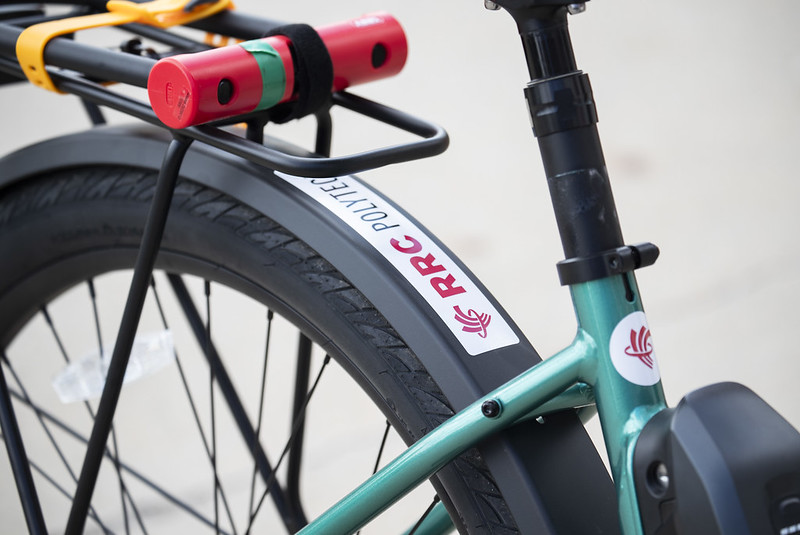
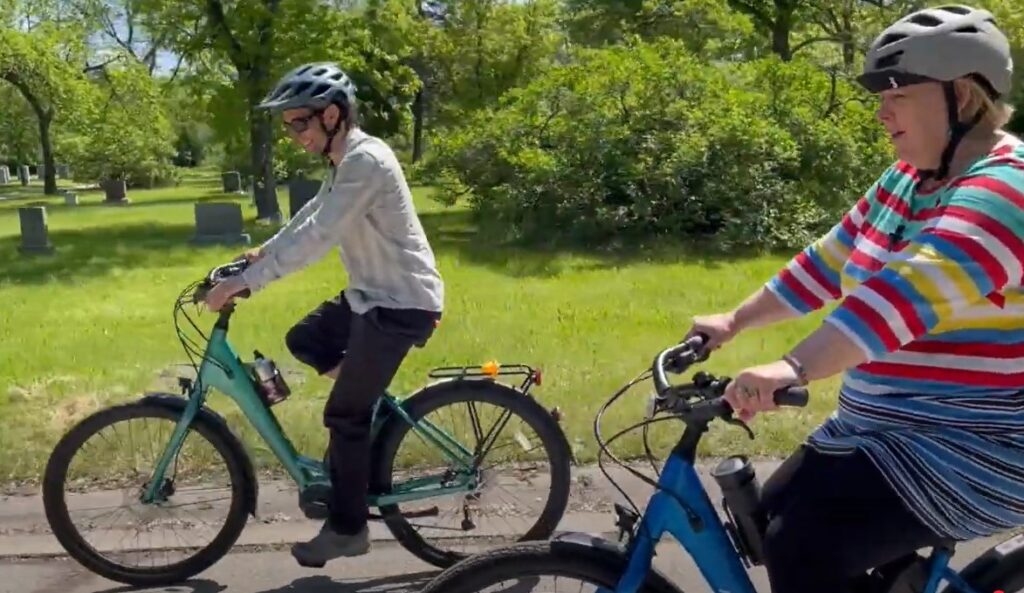
This spring, RRC Polytech quietly launched its new “Try an E-bike” program that provides free, short-term e-bike rentals to RRC Polytech staff. Participants can borrow one of three e-bikes—complete with helmets, charging devices, and locks—for up to one week. Whether commuting to work, running errands, or simply enjoying a ride, the program gives staff a chance to experience the benefits of e-biking firsthand.

Initially, the program had a waiting list, but after three months, rental spots are once again available. Staff can submit requests through the E-Bike Borrowing Program – Request Form or contact ebike@rrc.ca for more information. E-bike pick-up and drop-off takes place at the Notre Dame Campus.

Where’s Watson? Sustainable Strides

This initiative is a collaboration between the Sustainability Office and Campus Well-Being. Campus Well-Being supports the holistic health of students, staff and faculty by offering programs, spaces, and resources related to sport, fitness, recreation, wellness and mental health.  To learn more about the wellness and sustainability benefits of cycling—and to see the RRC Polytech e-bikes in action—check out the video: “Where’s Watson? Sustainable Strides.”

Feedback has been overwhelmingly positive. According to Campus Well-Being staff, every e-bike user has returned their ride with a smile. With rentals now available, RRC Polytech staff are encouraged to sign up and give it a try!

Sustainability Learning Through Action

July 11, 2025

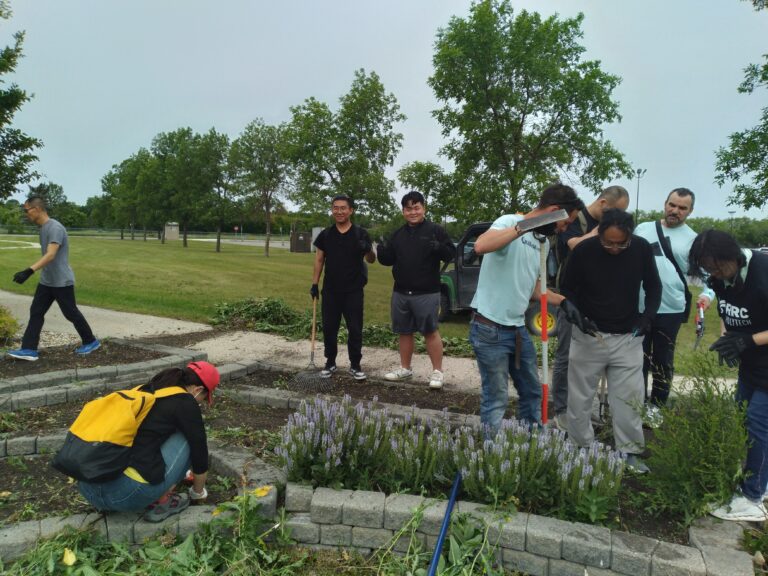
On June 25, 2025, students from the Intensive English for International Students (IEIS) – Global Access program came together at the Notre Dame Campus for a unique event focused on land-based sustainability and service learning.

This collaborative initiative between the Global Access program, Sustainability Office, School of Indigenous Education, Landscaping and Grounds team, and RRC Polytech Students’ Association, provided IEIS students the opportunity to take action on RRC Polytech’s sustainability goals while practicing their English language skills in a real-world setting.

Read the full article here!

Get Your Bikes Out!

May 26, 2025

Spring is finally here!  Bicycles are blooming on the streets and paths, the smell of chain lube is in the air and helmet hair is back in fashion.  Us folks in the Sustainability Office have been busy working on making improvements over the winter to the College’s bike infrastructure.  Check out a laundry list below of some of the new and improved bike supports and activities on campus! 

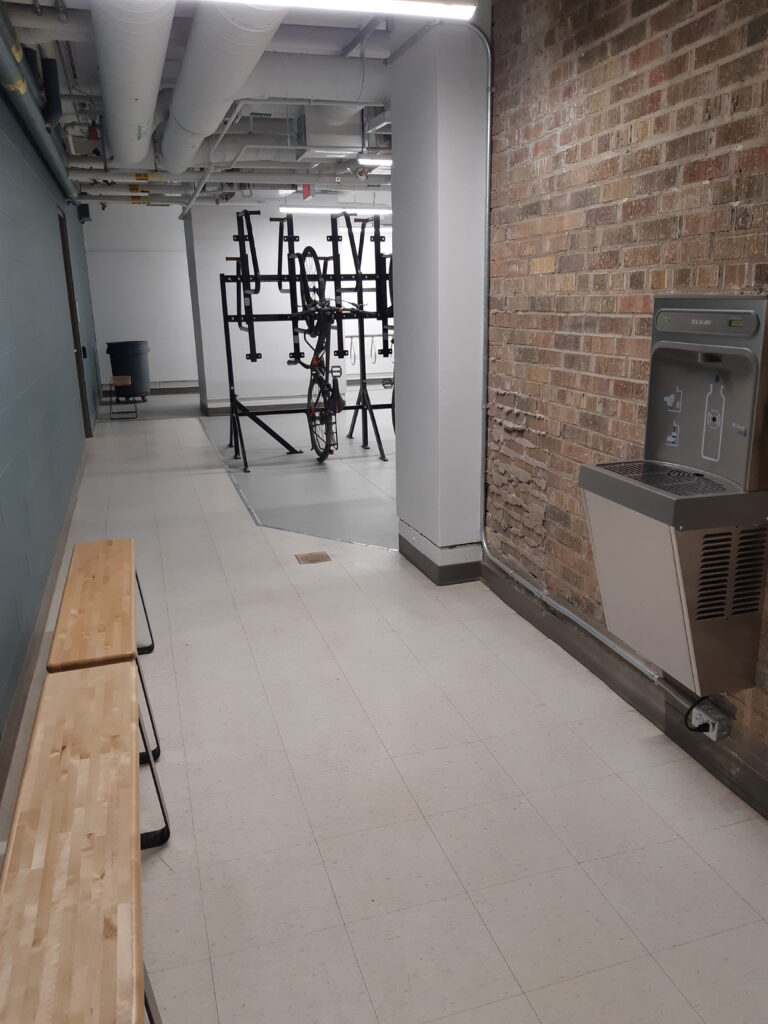
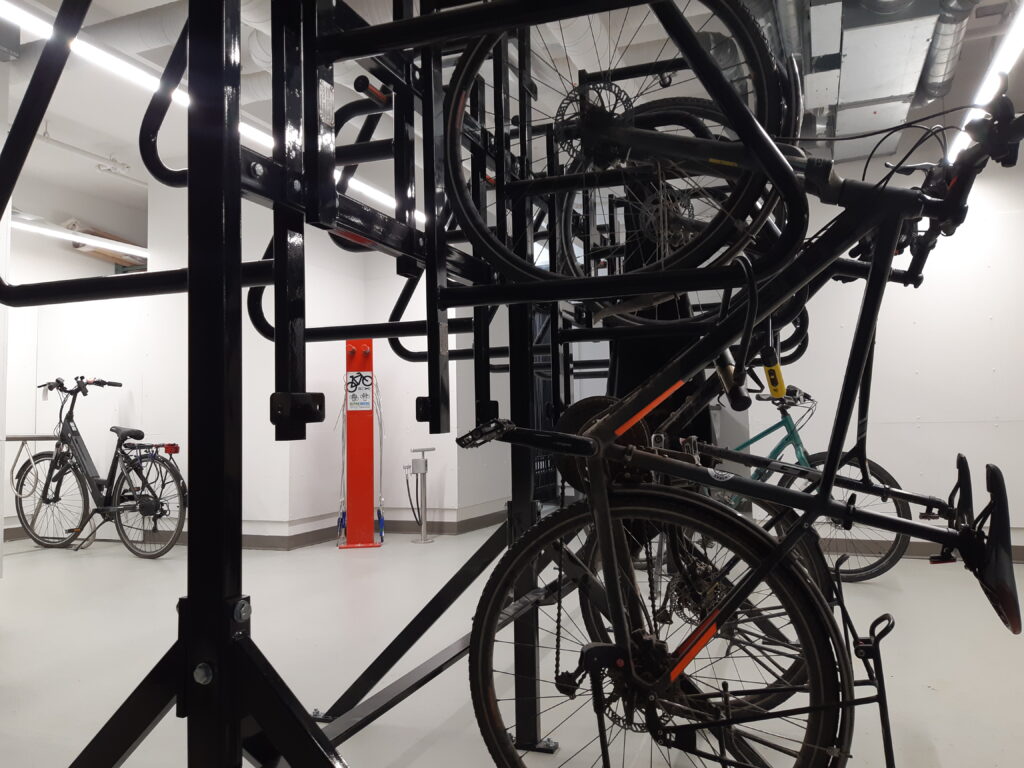
Fresh upgrades to the bike room at PGI.

Spring Bike Events: 

Given the popularity of our previous cycling-specific “Help Desks”, the Sustainability Office will once again offer a bike commuting help desk in the Roblin Atrium at EDC on Wed, May 28 from 12-4 PM.  We’ll be answering questions on what to wear, how to get your bike ready to ride and the best routes to campus.  We’ll also have a repair stand set up to offer free basic tune-ups and mechanical advice.  Come find us to ask any questions you might have and enter our draw for a set of bike lights. 

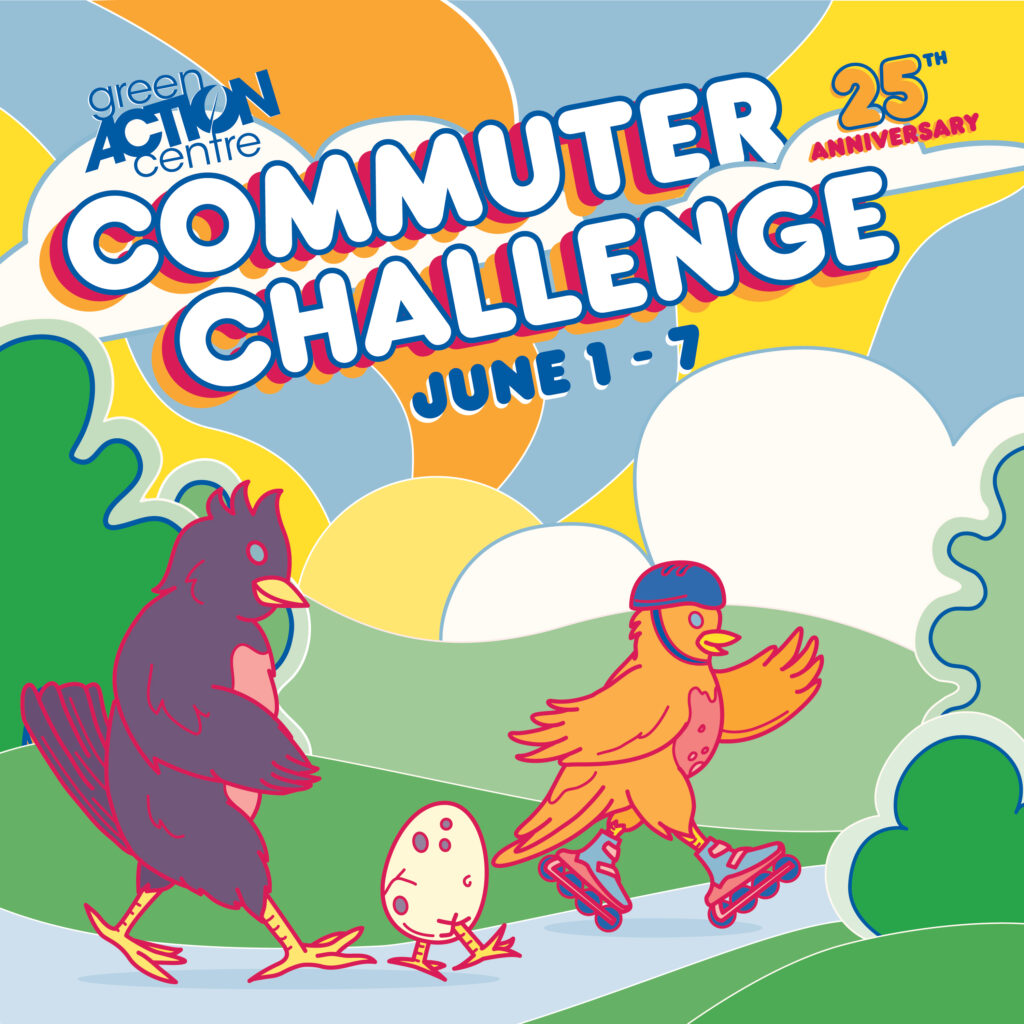
June is just around the corner and that means the Commuter Challenge is too!  The Commuter Challenge (June 1st-7th) is a friendly school & workplace competition to encourage active and sustainable travel. Any kilometers you travel using active and/or sustainable modes of transportation that are related to your daily commutes qualify. That could include your bike ride, walk or roll to work, taking transit as well as carpooling. You can register for the Commuter Challenge using the RRC Polytech link here.   There are lots of prizes to be won from Green Action Centre and the College’s Sustainability Office.  More details on prizes soon! 

Bike to Work Day is on Tues, June 10th this year.  The College will be hosting a pit stop at the north side of the Omand’s Creek train bridge from 630AM-9AM.  Stop by for coffee and snacks, minor tune-ups and repairs, or just some friendly chit chat with fellow RRC Polytech cyclists and staff.   

New racks and DIY-repair station in the PGI bike room.

PGI Bike Room Refresh : This spring saw a total overhaul of the PGI indoor bike room.  New features include improved racks (both vertical and floor parking styles), a set of DIY repair tools & pump, a water bottle fill station, a door operator button, benches, lockers and even a mirror so you can finesse that helmet hair before heading to work/class. 

Over the winter we added a DIY bike repair toolbox for use at Manitou a bi Bii Daziigae.  It contains a basic set of bike repair tools, a pump, some chain lube, as well as some spare bike tubes in a variety of sizes.  If you’re stuck at EDC with a flat tire or need to make a basic repair, check out the toolbox using your staff/student ID from the security officers at the MBDG security desk.  If you need a tube to get home, please use one from the box. 

New outdoor bike racks: Roblin building vestibules have had a number of rack spaces added, and with campus security seated right nearby, these spots are more secure than ever for locking your bike up.  The William Ave vestibule also has a set of tools and pump for minor repairs/refills.  A handful of racks are being added in the coming weeks to the Elgin Plaza, as this is a high demand parking area in spring and fall.  Lastly the old racks outside of PGI, near Old Market Square, are being replaced with newer, higher quality models that will be bolted down with tamper proof hardware.

At NDC we added a set of racks at the covered main entrance just north of the bus loop.  We also added a pair of racks inside the East vestibule at the bus loop, for winter cyclists who’ve wanted to keep their e-bikes warm in the winter.  But feel free to use those year-round of course! 

See you out there!

Celebrating the SDG Student Competition Winners

May 13, 2025

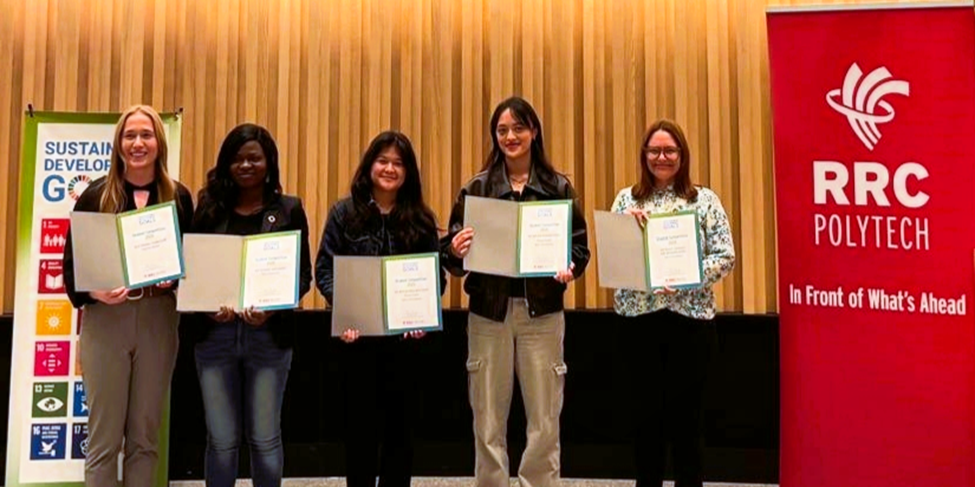
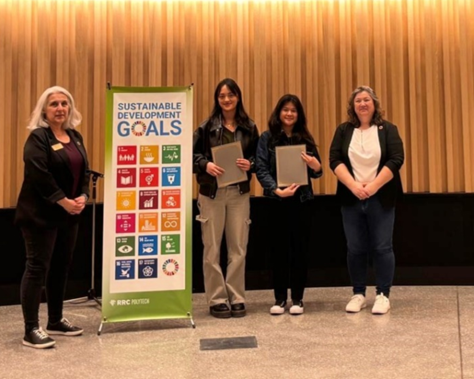
Five RRC Polytech students, winners of the SDG Student Competition, stand side by side holding their certificates.
From left: Sophie Walker, Tosin Adewumi, Mary Torrefalma, Alyssa Gayot, and Gerri Chevillard.

On April 23, RRC Polytech students and staff came together to celebrate the winners of the 2025 Sustainable Development Goals (SDG) Student Competition.

At RRC Polytech, we understand that the choices we make today shape the well-being of our communities and the environment for generations to come. That’s why we proudly signed the SDG Accord, have participated in SDG Month Canada, and last year launched our Sustainability Strategy—a roadmap to guide our efforts in embedding sustainability throughout the college.

As part of these efforts, we hosted the SDG Student Competition, inviting students to share how they are integrating the SDGs into their academic work. The many responses we received were inspiring—showcasing innovative solutions to pressing environmental and social challenges. We extend our sincere thanks to all the students who participated for their creativity, commitment, and passion for building a more equitable and sustainable future.

The competition winners are as follows:

Best Overall Submission: Sophie Walker for her project “Climate-Resilient Nursing: Building Student Capacity in Healthcare Settings.”

Top Applied Research Entry: Alyssa Gayot and Mary Torrefalma for their project “Building Envelope Design Competition – City of Winnipeg Arena Redevelopment and Expansion.”

Top Equity, Diversity and Inclusion Entry: Gerri Chevillard for her project “Addressing the Digital Divide in Winnipeg’s North End.”

Top Academic Assignment: Tosin Adewumi for the project “Sustainable Future Dashboard.”

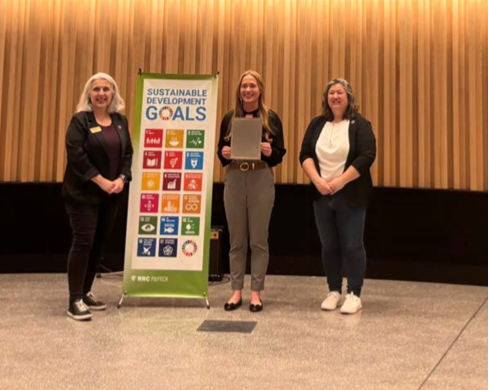
From left to right: Maria Mendes, Director of Environmental Stewardship and Campus Renewal; Sophie Walker, winner of the Best Overall Submission in the SDG Student Competition; and Kathleen Tiede from event sponsor Crosier Kilgour.
From left: Maria Mendes, Director of Environmental Stewardship and Campus Renewal, Sophie Walker, winner of the Best Overall Submission, and Kathleen Tiede from event sponsor Crosier Kilgour
From left: Maria Mendes, Director of Environmental Stewardship and Campus Renewal, Alyssa Gayot and Mary Torrefalma, winners of the Top Applied Research Entry, and Kathleen Tiede from event sponsor Crosier Kilgour

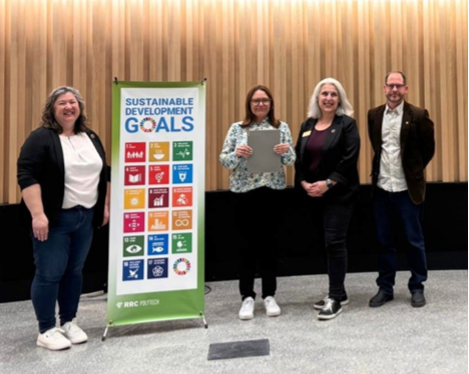
From left: Kathleen Tiede from event sponsor Crosier Kilgour; Gerry Chevillard, winner of the Top Equity, Diversity and Inclusion Entry; and Maria Mendes and Mike Tutthill from RRC Polytech.
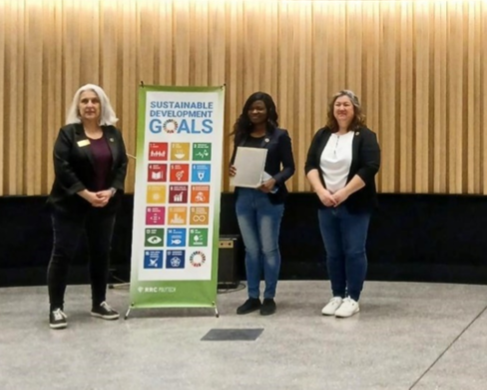
From left: Maria Mendes, Director of Environmental Stewardship and Campus Renewal, Tosin Adewumi, winner of the Top Academic Assignment, and Kathleen Tiede from event sponsor Crosier Kilgour

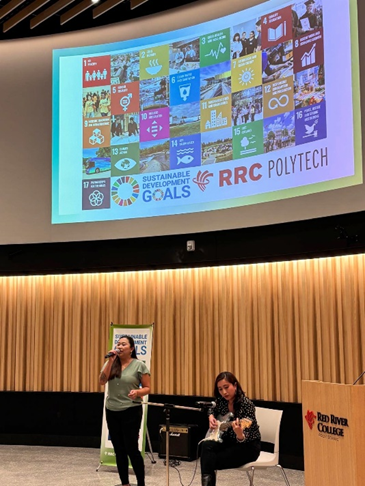
From left: Claire May Tuazon sings into a microphone while Charlene Joy Tuazon plays guitar seated beside her.
From left: Claire May Tuazon and Charlene Joy Tuazon

Claire May Tuazon and her sister Charlene Joy Tuazon during their performance of “One Day” by Matisyahu.

To close the event, attendees enjoyed a musical performance by Claire May Tuazon, a graduating student from the Indigenous Social Entrepreneurship program, accompanied by her sister Charlene. They performed “One Day” by Matisyahu—a song that reflects the hope for peace and unity represented in SDG 16: Peace, Justice and Strong Institutions. It was a meaningful and uplifting way to end the celebration.

We left the event feeling inspired by the creativity and commitment of students and staff across the College. We are already looking forward to next year’s competition and to continuing the important work of advancing the SDGs at RRC Polytech.

Wrapping Up SDG Month at RRC Polytech 

March 31, 2025

Throughout March, RRC Polytech proudly celebrated SDG Month Canada, a national initiative that brings campuses together to explore and act on the 17 Sustainable Development Goals (SDGs). From hands-on workshops to creative contests, this month was all about learning, connecting, and making sustainability part of everyday life. Students, staff, and faculty engaged in activities that demonstrated how each of us can contribute to a more sustainable future.  

Here’s a look back at the highlights: 

Sustainable Development Goals Student Competition 

We’re excited to share that soon we’ll be announcing the winners of this year’s Sustainable Development Goals Student Competition. We’re pleased with the level of interest the competition sparked among students, showing that many are eager to explore how sustainability connects to their lives, studies, and future careers. Thank you to everyone who participated! 

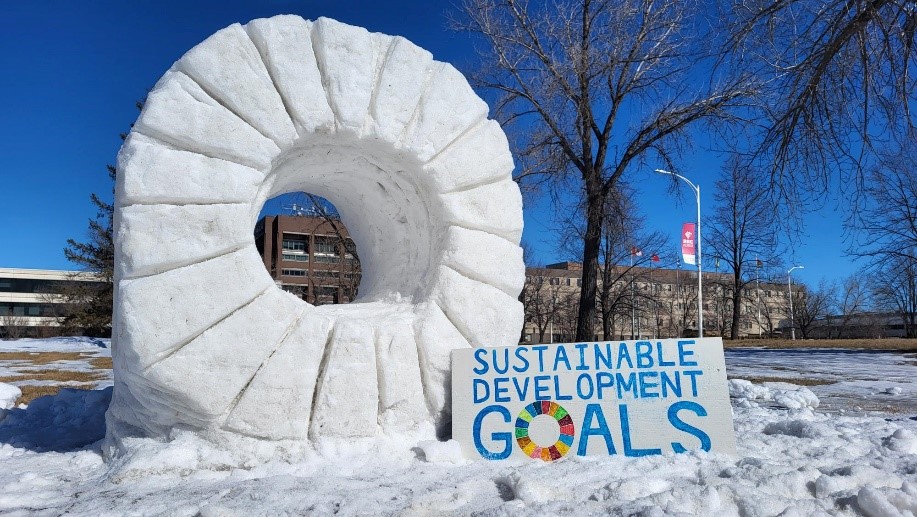
Snow Me the Money! Snow Sculpture Contest (Goal 13: Climate Action) 

Thank you to everyone who took part in this creative and climate-focused tradition. We have observed shifts in weather patterns, highlighting how climate change is altering environmental conditions and impacting local ecosystems. The sculptures and the stories behind them highlighted the importance of Goal 13: Climate Action, calling attention to the urgent need for climate awareness and solutions. Congratulations to the winning team and all participants! 

Winning Sculpture Contest 2025 

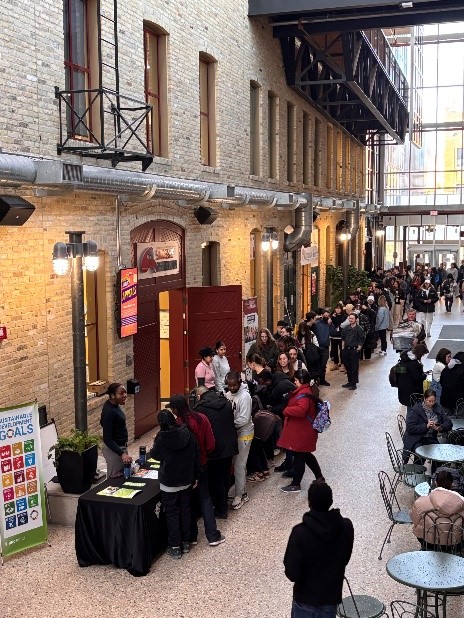
United for Zero Hunger: RRCSA Break-FAST Program (Goal 2: Zero Hunger)  

A huge thank you to the Students’ Association for their continued partnership and support throughout SDG Month.. The Break-FAST program reflects the importance of Goal 2: Zero Hunger and food security by promoting access to nutritious food and fostering a sense of community on campus. Ensuring that students have the resources to start their day with a healthy meal contributes to academic success and overall well-being. 

Break-FAST Event at the Exchange District Campus

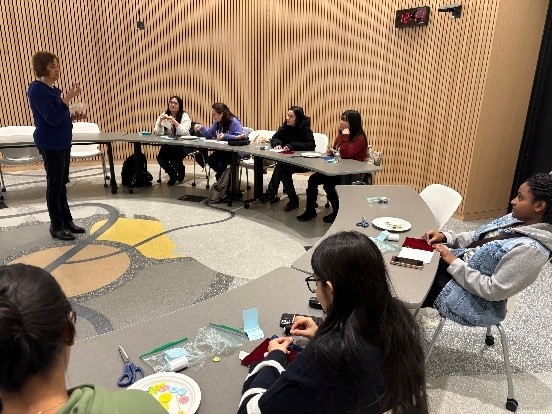
Button Up! Sustainable Sewing Workshops (Goal 12: Responsible Consumption and Production) 

Thank you to our partner, Campus Well-Being, for hosting two hands-on workshops that promoted reuse, repair, and sustainable fashion. These events supported Goal 12 by encouraging participants to extend the life of their clothing and reduce textile waste. From replacing buttons to personalizing garments, it was great to see our community embrace the values of conscious consumption. 

Don’t miss Hem It Up! A Sustainable Sewing Workshop – April Sessions. 

Button Up! at the Exchange District Campus


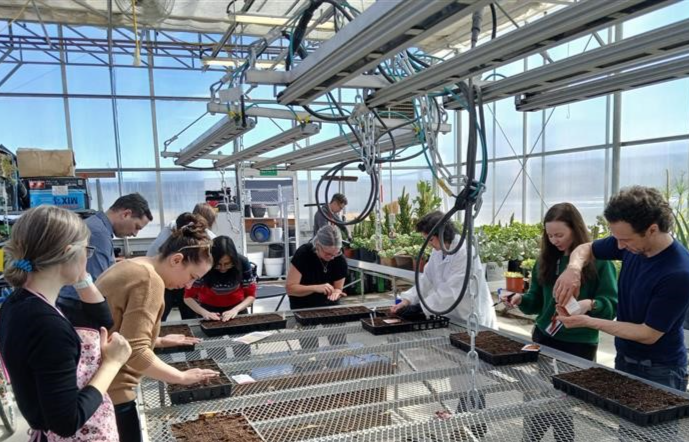
Manitoba Gardening 101 (Goals 2, 12 & 13) 

Thank you to everyone who registered and participated in this session focused on local food production and sustainable gardening practices. This workshop, hosted in collaboration with Campus Well-Being, supported multiple goals: Goal 2: Zero Hunger, Goal 12: Responsible Consumption and Production, and Goal 13: Climate Action

This is just the beginning – more gardening sessions are coming! Manitoba Gardening 101 and Planting Workshops  

Manitoba Gardening Workshop at the Notre Dame Campus Greenhouse 

Looking Ahead 

While SDG Month may be ending, our commitment to sustainability continues year-round. We invite everyone in the RRC Polytech community to stay engaged, whether through future workshops, classroom learning, or everyday actions that support the SDGs. 

Thank you to all our partners, participants, and supporters for making SDG Month a success! 

Celebrating SDG Month at RRC Polytech 

March 3, 2025

RRC Polytech is excited to participate in SDG Month Canada 2025 this March, a national collaborative initiative to increase awareness and engagement with the 17 Sustainable Development Goals (SDGs) on college and university campuses nationwide. As a proud signatory of the SDG Accord, RRC Polytech is dedicated to advancing the United Nations’ Sustainable Development Goals by integrating the SDGs into our campus culture, curriculum, and operations.  

Throughout March, we invite students, staff, and faculty to join us in a series of interactive workshops, events, and initiatives designed to inspire action and collaboration toward a more sustainable future. 

Upcoming SDG Month Events at RRC Polytech:

Now Accepting Submissions: SDG Student Competition 

Have a project that supports sustainability and aligns with one or more of the 17 Sustainable Development Goals (SDGs)? Submit your work to compete for the top award of $1,000! 

Eligible Projects: Coursework-based or independent sustainability projects 
Who Can Apply: Current students, as an individual or a team 
Application Deadline: Monday, March 24 

Showcase your impact and contribute to a more sustainable future! 

Learn more, and enter your submission.

Snow Me the Money! Snow Sculpture Contest (Goal 13: Climate Action) 

Get creative with snow! For the third year in a row, RRC Polytech invites students, staff, and faculty to participate in our beloved Snow Me the Money! snow sculpture contest. This event highlights the joy of winter while raising awareness about climate change. By creatively engaging with our winter environment, we reflect on the impacts of climate change and the importance of sustainability.  

March 3-6 | Notre Dame Campus & Regional Campuses. 

Learn more about this contest.

United for Zero Hunger: RRCSA Break-FAST Program (Goal 2: Zero Hunger) 

For the second year, we are partnering with the Red River College Student Association (RRCSA) to host a free breakfast for students, supporting Goal 2: Zero Hunger. This initiative ensures students have access to nutritious meals to start their day while fostering a sense of community. The RRCSA Break-FAST Program helps alleviate financial stress and promotes a supportive campus environment where no student starts the day hungry. 

March 5 | 8:30 – 9:30 AM | Exchange District Campus (EDC) 
March 6 | 8:30 – 9:30 AM | Notre Dame Campus (NDC) 

Webinar: Sports, SDGs, and Climate Action (Goal 3: Good Health and Well-being & Goal 13: Climate Action) 

Explore the connections between sports, the Sustainable Development Goals (SDGs), and climate action in this engaging discussion hosted by University of the Fraser Valley, Colleges and Institutes Canada (CICan), and the Sustainable Development Solutions Network (SDSN). 

This webinar will feature Olympic athletes, sustainability experts, and representatives from colleges and institutes, offering insights into how sports and physical activity can contribute to climate action while inspiring positive change. 

March 13 | 2:00 – 3:15 PM EST | Online 

More information and registration.

Button Up! A Sustainable Sewing Workshop (Goal 12: Responsible Consumption and Production) 

Join us for Button Up! A Sustainable Sewing Workshop, a partnership between the Sustainability Office and Campus Wellbeing. Learn basic sewing skills, how to replace buttons, and creative ways to personalize sweaters, shirts, and dresses using buttons.  

This initiative supports Goal 12: Responsible Consumption and Production by fostering a culture of reuse and repair, minimizing landfill waste, and encouraging sustainable fashion. All materials provided, or bring your own clothing for hands-on practice! 

March 13 | 12:00 – 1:00 PM | EDC 
March 20 | 12:00 – 1:00 PM | NDC 

Learn more and register.

Additionally, don’t miss Hem It Up! A Sustainable Sewing Workshop – April Sessions 

Manitoba Gardening 101 and Planting Workshops  
(Goal 12: Responsible Consumption and Production & Goal 13: Climate Action) 

Interested in growing your own food? Join us for Manitoba Gardening 101, a hands-on workshop series for novice gardeners, hosted in collaboration with Campus Wellbeing and the Sustainability Office. Learn essential skills, from starting seeds indoors to selecting the best plants for Manitoba’s climate. 

This initiative supports Goal 12 by reducing food waste, and Goal 13 by promoting local and sustainable food systems. Staff and students are welcome! 

March 26 | Starting Seeds & Gardening Basics | 12:10 – 12:50 PM | Greenhouse, NDC 

Don’t miss the April and May sessions!  

Learn more and register.

RRC Polytech Joins the Campus Biodiversity Network (Goal 15: Life on Land) 

On March 31, RRC Polytech will officially join the Campus Biodiversity Network, a community that   connects students to nature and provides biodiversity profiles for campuses, while contributing to international research on urban greenspaces.. This initiative aligns with Goal 15: Life on Land, reinforcing our commitment to conserving biodiversity and promoting sustainable ecosystems. 

By joining this network, we aim to: 

  • Build community through a shared commitment to campus biodiversity 
  • Raise awareness about local wildlife and conservation efforts  
  • Empower students and staff to take small, meaningful actions for sustainability 
  • Create accessible biodiversity profiles for our campus 
  • Contribute to international research on urban biodiversity 

Using the iNaturalist App 

To support this initiative, we will be using the iNaturalist app to document biodiversity on campus. The app allows us to: 

  • Record observations – Snap photos of plants and wildlife around campus 
  • Share with fellow naturalists – Contribute to a growing community of biodiversity  
  • Discuss your findings – Learn from experts and help identify species 

This collaboration enhances our sustainability efforts while fostering well-being through nature immersion.  

Sustainable Development Goals Student Competition

February 25, 2025

The Sustainable Development Goals are a shared blueprint for peace and prosperity for people and the planet.

The RRC Polytech Sustainability Office is pleased to announce the second annual Sustainable Development Goals Student Competition! The competition provides an opportunity to celebrate the valuable work that students, instructors, and researchers are undertaking in support of the Sustainable Development Goals (SDGs) here at RRC Polytech.

Learn more about the Sustainable Development Goals, their targets and indicators here. To learn more about RRC Polytech’s commitment to the SDGs, read about our signing of the SDG Accord.

The 2025 competition is sponsored by Crosier Kilgour. Three cash awards and a special recognition prize are available:

  1. Best Overall Submission $1000
  2. Special Prize for Top Applied Research Entry $500
  3. Special Prize for Top Equity, Diversity and Inclusion Entry $500
  4. Special Recognition Award for Top Academic Assignment

FREQUENTLY ASKED QUESTIONS

What are the eligibility requirements?

All currently enrolled students at RRC Polytech are eligible to apply. Students may enter the contest as an individual or as a team. Projects must have taken place in the 2024/2025 academic year.

Crosier Kilgour is the sponsor of the 2025 competition.

Do we have to use the award money towards implementing a project? 

No, the prize money may be used by you/your team however you wish.

Can I submit a project that was part of a course assignment?

Yes. Course-related projects are eligible for the award.

Does my submission need to include applied research?

No. Although there is a prize specifically to recognize the top applied research project, we are interested in all sustainability-related projects, research, studies and learning happening here at RRC Polytech! Eligible submissions include, but are not limited to innovative designs, business plans, capstone projects, demonstrations, case studies and more.

What is the evaluation criteria?

The adjudication committee will look for clear descriptions of:
• The “where, why, what, when and how” of your project.
• How your project supports sustainability and one or more of the 17 Sustainable Development Goals.
• How your project may contribute to ongoing momentum towards sustainability.

How do I apply?

To apply please fill out the application form below. If you would prefer a downloadable application form or have any questions regarding your submission, please email: sustainability@rrc.ca. Applications must be received by March 24th, 2025.

Sustainable Development Goals Awards Competition

Applicant Information

Who was this project completed by?

Project Information

Was this project as part of a course?
What category best describes your project?
Does your project address Equity, Diversity and Inclusion?
Which of the UN’s 17 Sustainable Development Goals does your project help to advance? Check all that apply.

This form is protected by reCAPTCHA and the Google Privacy Policy and Terms of Service apply.

Celebrating Sustainability Leadership BRAVO Awards Winner: Len Wiens 

November 8, 2024

RRC Polytech is proud to recognize Len Wiens, one of the 2024 BRAVO Award winners for Sustainability Leadership. Len’s vision, dedication, and innovative approach have significantly advanced our institution’s commitment to sustainability, particularly in the field of zero-emission vehicle systems. 

Len has been with Red River College Polytech for 15 years and is currently an instructor in the Automotive Technologies program. Over these years, Len has been instrumental in ensuring that RRC Polytech’s courses on zero-emission vehicle systems are accurate and include the most up-to-date resources available. Thanks to his tireless efforts, our students are graduating with the skills and knowledge they need to thrive in the rapidly evolving automotive industry.  

Pioneering Innovation in Alternative Fuel Technology 

As a pioneer in the field of zero-emission vehicles, Len has led the development of four Alternative Fuel Technology micro-credential courses: Introduction to Electric Vehicle Technology, Electric Vehicle Computing and Communication Systems, Fundamentals of Hydrogen Production, and Hydrogen Fuel Cell Vehicles. These courses, the first of their kind at the post-secondary level in Canada, are critical in preparing students for the future of the transportation industry. Without them, technicians would have to travel out of province for specialized training. 

Making an Impact Beyond the Classroom 

Len’s commitment to sustainability extends far beyond his role as an instructor. He has invested countless hours and resources into leading initiatives in alternative fuel technologies. His efforts have resulted in valuable industry partnerships, including collaborations with Manitoba Public Insurance, Diesel Tech Industries, Toromont, New Flyer, Winnipeg Transit, and Mercedes-Benz. 

Len’s influence also extends to the national level through his position on the Canadian Standards Association committee, where he has helped establish safety standards for electric vehicles. This work ensures that Canada is prepared to handle the unique challenges of this rapidly advancing field. 

Research and education: a perfect combination  

Research and education in sustainability at RRC Polytech play a critical role in shaping the future of our community and industry. As Len notes, the integration of research into our courses ensures that students receive the most current and applicable knowledge. “It’s the research that fuels our courses,” he emphasizes, particularly when dealing with cutting-edge technologies like electric and hydrogen vehicles. By staying ahead of the curve and actively engaging with industry partners, RRC Polytech not only prepares students for emerging challenges but also contributes significantly to advancing sustainable practices in the broader community. “We got ahead of the game a little bit for the college, and that’s something I’m pretty proud of,” Len reflects, underscoring the institution’s proactive approach to sustainability education. 

Leading with Humility and Dedication 

When asked about his BRAVO Award, Len is quick to share the credit with his team. “I couldn’t do any of this alone,” emphasizing the importance of teamwork and collaboration with his colleagues. Whether it’s securing the right tools, organizing hands-on training sessions, or simply exchanging ideas, Len acknowledges that everyone plays a role in their success. 

Len Wiens embodies exceptional dedication and leadership in promoting sustainability, both within our institution and beyond. His outstanding contributions have elevated RRC Polytech to a national leader in alternative fuel technology education and training, making a significant impact in combating climate change and advancing clean technologies. 

Thank you very much Len for your leadership and significant contributions to sustainability at RRC Polytech! 

RRC Polytech campuses are located on the lands of the Anishinaabeg, Ininiwak, Anishininwak, Dakota Oyate, and Denésuline, and the National Homeland of the Red River Métis.

We recognize and honour Treaty 3 Territory Shoal Lake 40 First Nation, the source of Winnipeg’s clean drinking water. In addition, we acknowledge Treaty Territories which provide us with access to electricity we use in both our personal and professional lives.