Spring Equinox Celebration
Monday, March 22 at 12:00 pm
Live on the Indigenous Education Facebook Page
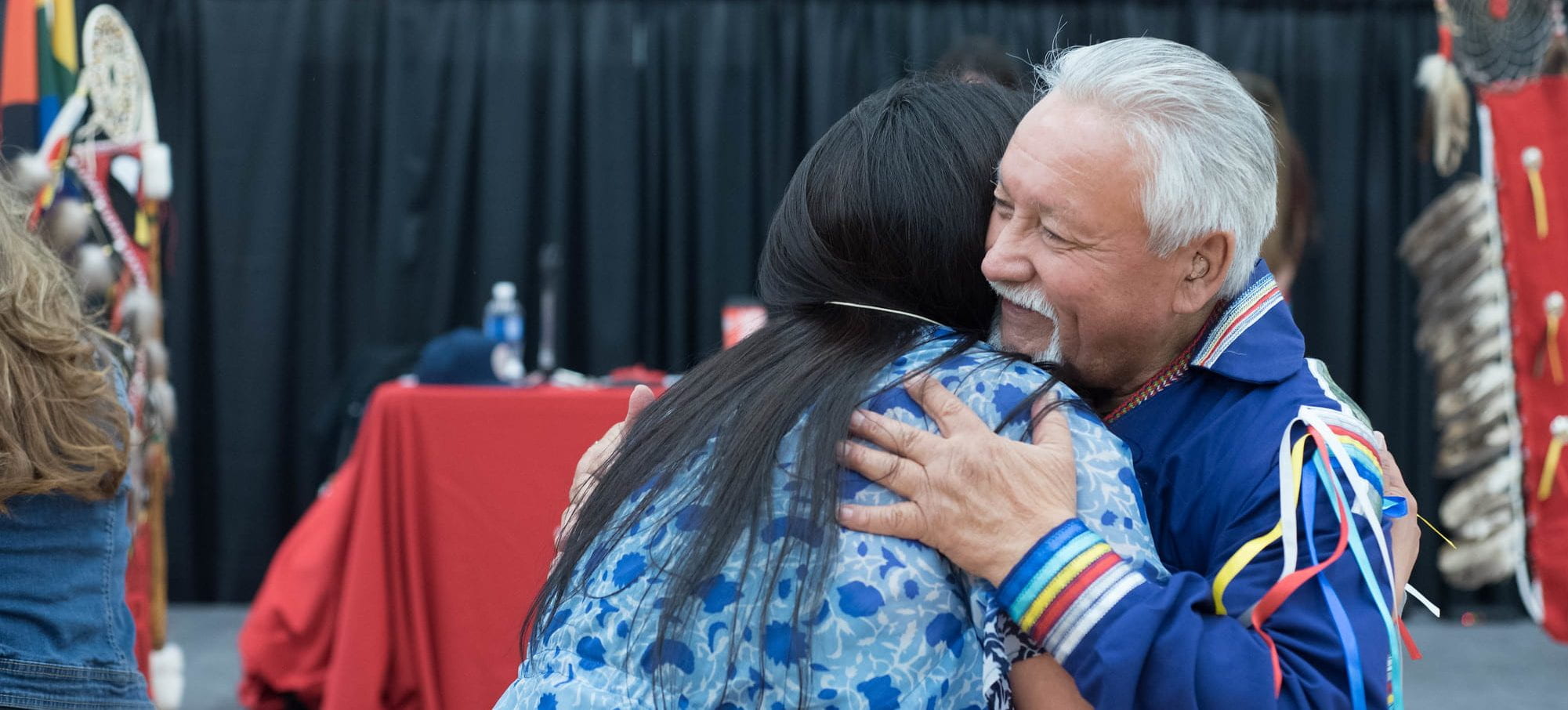
Featuring Elder Paul Guimond, Elder Una Swan, and a special screening of NFB’s Nonoonse Anishinabe Ishichekewin Ka Kanawentank
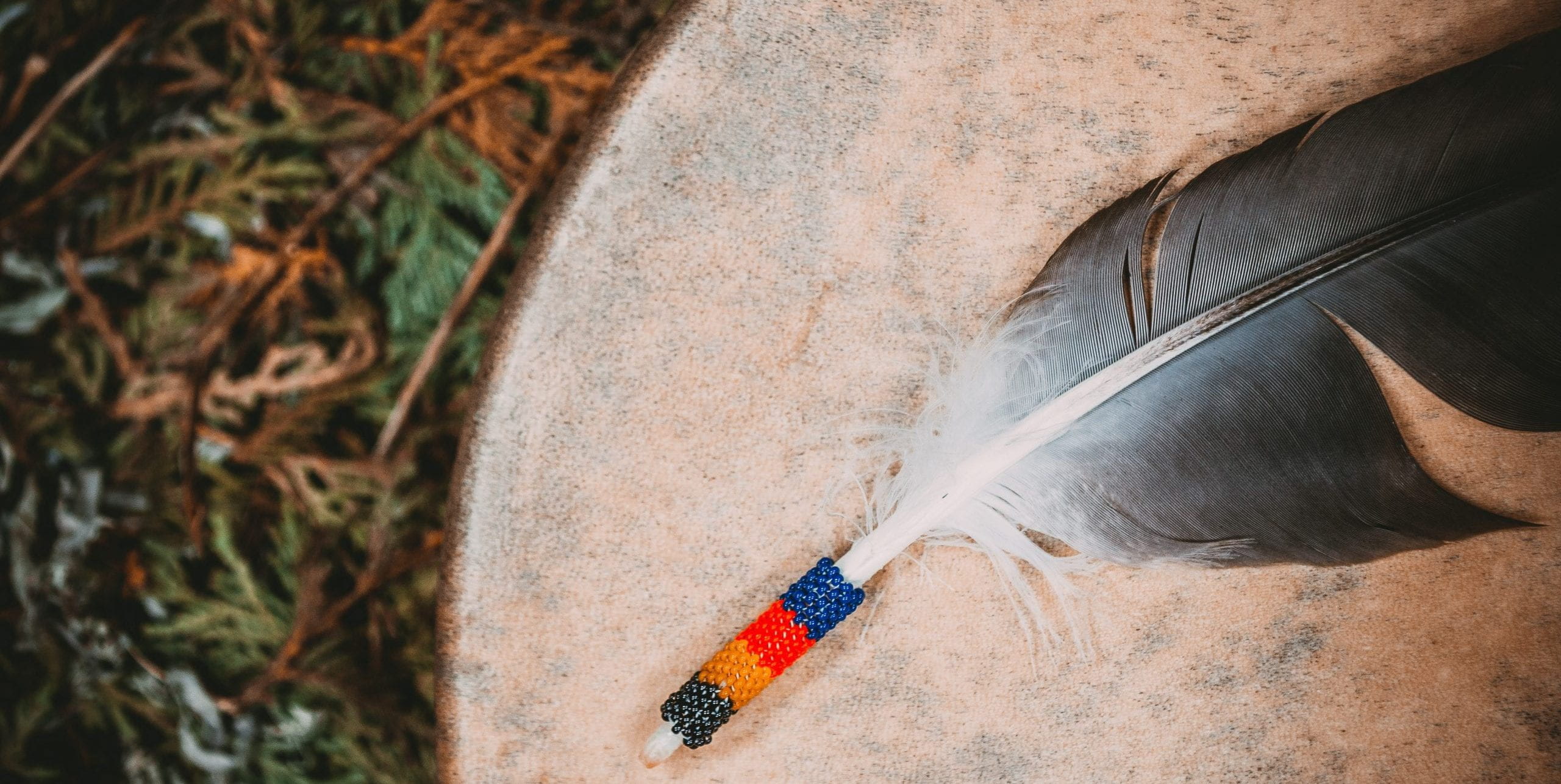
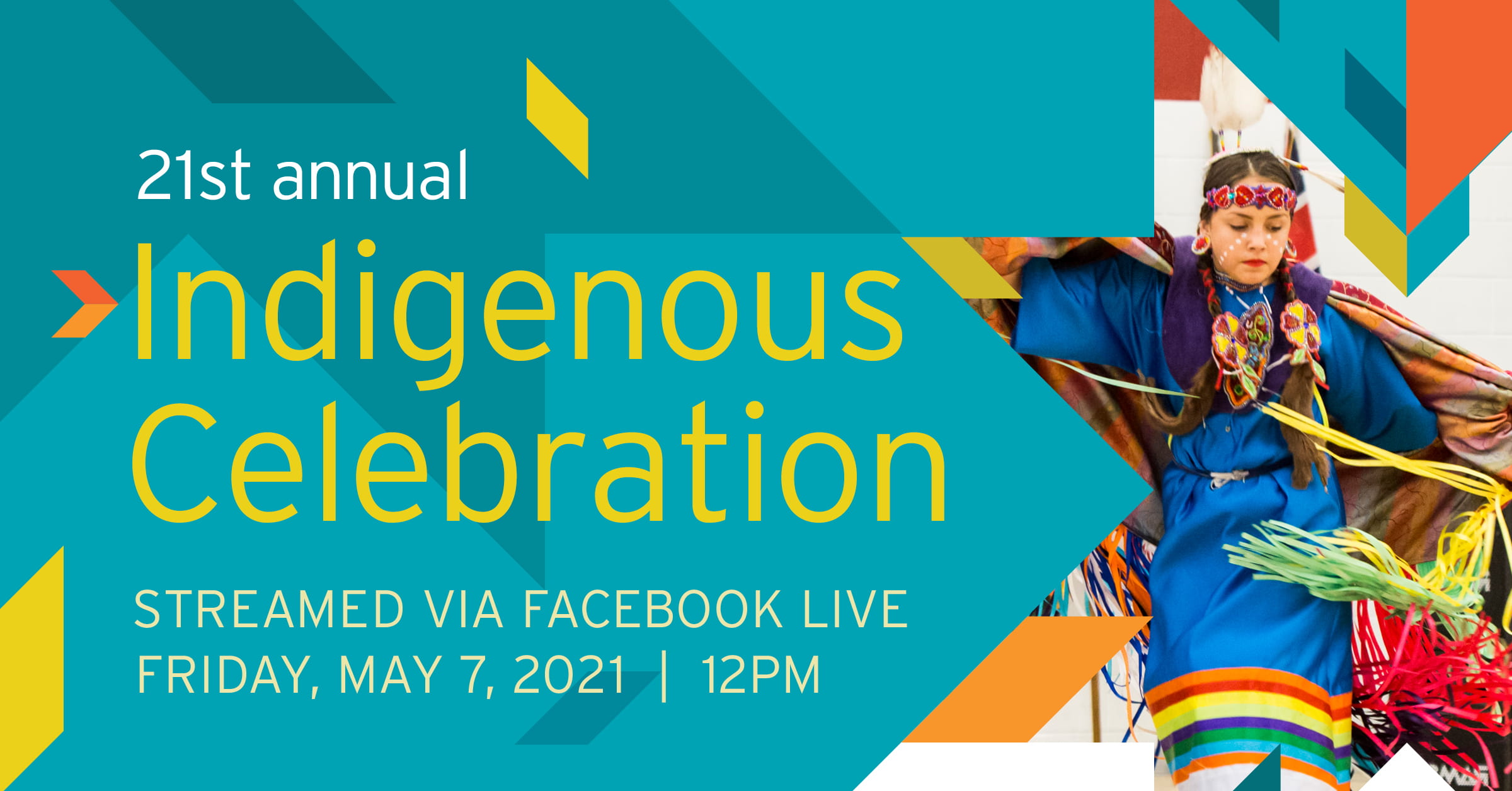
To welcome and celebrate the Spring Equinox, join us on Monday, March 22 at noon for a livestream featuring tales and teachings of Spring with RRC Elders-in-Residence on our Facebook page.
On Saturday, March 20, we will have equal amount of day and night. Not only is the Spring Equinox recognized by many Indigenous cultures ceremoniously as new beginnings and rebirth, but traditionally it also meant opportunities for food. Historically, many communities would travel throughout the year, settling in places where animals would migrate or food sources would become available, and Spring is no different.
Along with certain plants and medicines only available in Spring, maple tree tapping was an important (and laborious) process, providing sweet treats for families to enjoy. As part of our celebration of Spring, we will share a screening of the National Film Board’s Nonoonse Anishinabe Ishichekewin Ka Kanawentank (1980). Filmed on Lake Manitoba, near the Ebb’n’Flow Reserve, Nonoonse provides both a clear description of sugar-making and a quiet statement on the importance of the tradition to the Saulteaux or Ojibway of the region.
Not only does this film showcase a local treasure, respectfully living with the land and Indigenous traditions, it’s a beautiful to hear Nonoonse speaking her language. RRC staff and students have access to a library of NFB films year round, and we are thrilled to be able to share this film with the wider community.
We spoke to Nonoonse’s daughter Roseanna Desjarlais (Ebb and Flow First Nation) who continues to tap trees. Noonoose joined Roseanna and her husband Frankie on their first outing to Sugar Island, and now one of their daughters now makes the trip to Sugar Island. Frankie and Roseanna have planted their own trees in their yard – just to keep the tradition alive. Maple sugar tree tapping would take about two weeks, depending on how the tree sap is running. It takes 35-40 gallons of tree sap to boil down to make 2 gallons of syrup. Noonoose would tap approximately 300 maple trees on Sugar Island.

David Thomas is from the Peguis First Nation, and a graduate of both the RRC drafting program as well as the Master of Architecture program at the University of Manitoba. He is currently the Manager of Planning and Design for the Treaty #1 Development Corporation developing the former Kapyong Barracks site in Winnipeg. In 2018, he exhibited work at the 2018 Venice Biennale as part Canada’s submission: Unceded, Voices of the Land. David is currently guiding the final stages of design for the Indigenous Peoples Garden part of Canada’s Diversity Garden located at Assiniboine Park in Winnipeg. David draws from lived experiences as an Indigenous person to create placemaking projects that include the Canadian Museum of Human Rights, Vancouver General Hospital and Humber College in Toronto. As well as presenting internationally in Aotearoa and the UK David mentors and actively supports young indigenous designers in the community.

Sheila North, (Winnipeg, Bunibonibee Cree Nation): Sheila is the former Grand Chief of the Manitoba Keewatinowi Okimakanak (MKO), and former Chief Communications Officer for the Assembly of Manitoba Chiefs. She ran for the position of National Chief of the Assembly of First Nations in 2018 on a platform of reforms. Sheila is a former CTV journalist and documentarist, and was nominated for a Gemini Award as a CBC journalist. As a film maker, Sheila released a documentary, 1200+, about missing and murdered Indigenous women girls (MMIWG) featured on CTV in 2019. And, as a Cree host, she has been voicing episodes of Taken, a series about MMIW, for APTN and CBC.
Meikle reached out and realized this person was part of a cycle that is all too common – one that mirrored his own cyclical experiences with sobriety and the criminal justice system. He was already on a transformative journey of discovering his culture and spirituality, but he knew there was something more he could contribute to his community. It started with helping the man on the bus, who became his friend: supporting him while he was incarcerated, through to securing housing and creating a support system. As the veil was being lifted in his own life to the systemic problems he was facing, Meikle saw a movement that was emerging and deeply needed: healing for Indigenous men.
Kevin Monkman is from the small community of Vogar Manitoba and is currently a Research Analyst with Manitoba Hydro. He has been with Hydro for 14 years in various roles. He started out as a summer student and was lucky enough to continue working throughout the school year.