Smiling Indigenous graduate at convocation ceremony

Indigenous Education

Events

Thrive Week – Nov. 6 – 11
October 31, 2023

The College is invited to participate in the annual Thrive Week hosted by Campus Well-being and the Students’ Association!

Thrive Week is a time to focus on the importance of balance and self-care in developing positive mental health that supports success in learning and working. All events are free and open to students and staff.

Participate in one of our events offered virtually or in-person: Don Amero – Keynote presentation, Hip Hop Challenge, Self-Defense Demo, Therapy Dogs, Explore the Universe Planetarium show, Mini Golf, Indigenous Infused Yoga, Movie and Popcorn Lunch, Library Puzzles/Adult Colouring stations and a Birds Hill Provincial Park hike. Check out the full Campus Well-being schedule for details and registration links.

Door prizes are available at most events – register and participate to win!

For questions or accessibility needs, please contact Kristi Dorian. 

Keynote Speaker (EDC and Virtual)

Join Campus Well-Being and the Students’ Association in welcoming local musician, writer and speaker, Don Amero for Thrive Week’s keynote presentation in-person and live-streamed. Light refreshments provided and Don Amero Swag Bag door prize.

Thursday, November 9, 2023, 12pm to 1pm, in the Roundhouse Auditorium, Exchange District Campus, Manitou a bi Bii daziigae.

Check out the full Campus Well-being schedule for details and registration links.
Meet-and-Greet with the Knowledge Keepers Council – Nov. 16

October 26, 2023

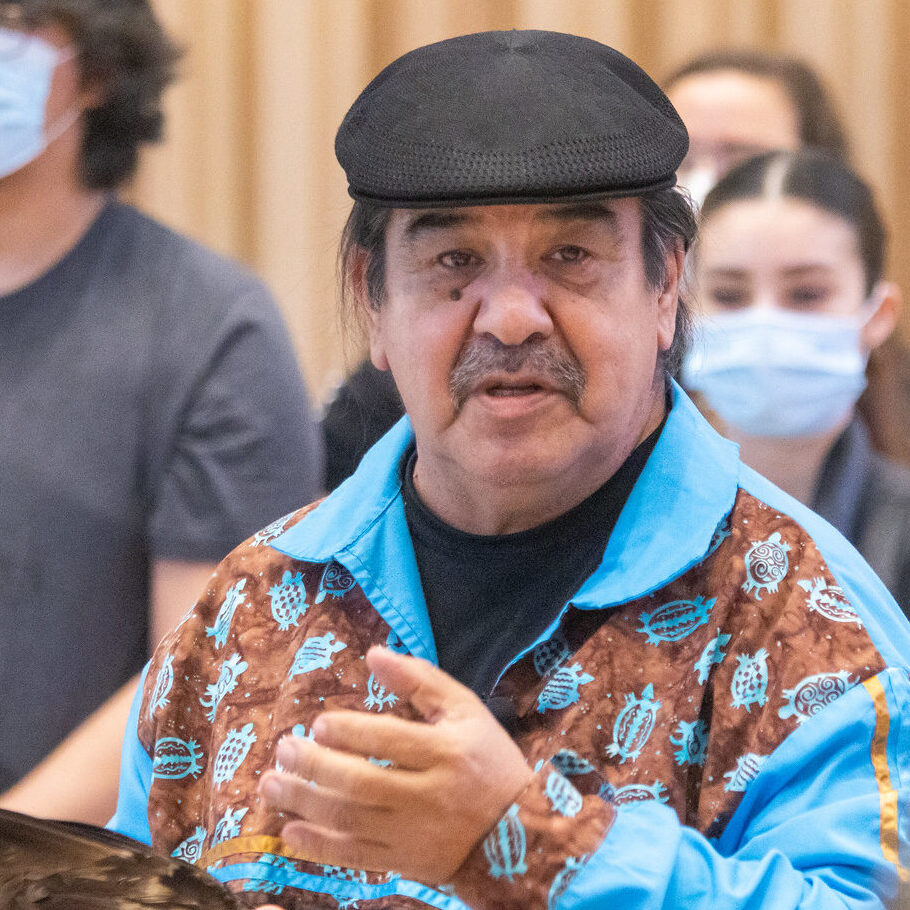
This September, the Knowledge Keepers Council reconvened to advise on initiatives at the College related to Truth and Reconciliation.

The Knowledge Keepers Council has provided many different areas of the College with cultural and strategic direction based on traditional and scholarly perspectives of ethics, concepts, and practices of reconciliation.

The College community is invited to a come-and-go Meet-and-Greet with the Knowledge Keepers Council on Thursday, November 16, in E155 at Manitou a bi Bii daziigae from 2pm to 4pm at the Exchange District Campus. You’re welcome to drop by between to introduce yourself and get to know the Knowledge Keepers over a cup of coffee and snacks.

We’re proud to work with respected Elders and Knowledge Keepers from a wide range of communities with diverse experiences. The insight they have provided to the College has made our approach to Truth and Reconciliation stronger, and we look forward to a long and enriching relationship based on the spirit of reciprocity and respect.

The Knowledge Keepers Council is interdepartmentally sponsored through Truth and Reconciliation and Community Engagement, Human Resources, the School of Indigenous Education, and Indigenous Strategy, Research and Business Development.

  • Thursday, Nov. 16 • 2pm – 4 pm
  • E155, Manitou a bi Bii daziigae, Exchange District Campus

Meet the Knowledge Keepers Council

Paul Guimond

Paul Guimond is part of the Turtle Clan and his Spirit Name is Okonace (Little Eagle Bone). He lives with his wife Kim in Sagkeeng First Nation and together they have three children, 16 grandchildren and four great-grandchildren.

Elder Paul studied Counselling Skills at the University of Manitoba and is a certified coach in hockey, baseball and lacrosse.

In Sagkeeng, Elder Paul sat on Chief & Council for 20 years and served as the School Board Chairman for ten years. Elder Paul is a Sundance Bundle Carrier (Chief), Sweat Lodge Bundle Carrier (Water drum) and Dark Room Bundle Carrier. He is an active Elder with Addictions Foundation of Manitoba and Sagkeeng Child & Family Services, where he offers healing, guidance in spiritual growth and personal development through ceremony, programming and encouraging healthy relationships.

Elder Paul joined the Elder-in-Residence Program at Red River College Polytechnic in 2018.

Richard Curé

Richard is part of the Sturgeon Clan and his Spirit Name is Mashkode – Bizhiki (Buffalo Man). He is Métis and discovered the Red Road after becoming a foster parent with Sagkeeng Child and Family Services. Uncovering his Indigeneity and attending Sweat Lodges and Sundances helped Richard overcome personal adversities, such as the workplace injury that prevented him from continuing his career in mining. 

For the last three years, Richard has been a Knowledge Keeper with Sagkeeng Anicinabe High School in Sagkeeng First Nation. He takes youth out onto the land picking medicine and collecting grandfathers (sacred stones for Sweat Lodges), firewood, and tiipii poles. He and his wife Tammy have four children and four grandchildren. Richard facilitates workshops like medicine picking, hand drum building, and Sweat Lodges with multiple organizations, including Ma Mawi Wi Chi Itata Center, Sagkeeng Child and Family Services and RRC Polytech. 

Allen Sutherland

Allen Sutherland, Waabishki Mazinazoot Mishtaatim (White Spotted Horse), Anishinaabe, of the Bizhiw Doodem (Lynx Clan), Skownan First Nation, Treaty 2 Territory.

Allen Sutherland is the Life Long Learning Lodge Keeper, Government of First Nations Treaty 2 Territory. Allen is an independent consultant and provides facilitation and training under his company WHITE SPOTTED HORSE.

In 2014, he was the recipient of the Aboriginal Circle of Educators Researcher and/or Curriculum Development Award for developing the Canadian Indigenous Historical Timeline poster that is now used in the Treaty Kits of Treaty Relations Commission of Manitoba.

Allen is an Anishinaabek Traditional Knowledge Keeper, providing traditional ceremonies, teachings, spiritual advice, and healing.

Barbara Bruce

Barbara Bruce is a citizen of the Métis Nation – Michif aen Otipemisiwak, and Two-Spirit. Her beliefs of Métis and other Indigenous traditional teachings are reflected in her 35+ years of experience. Her dedication to advancing the rightful place of the Two Spirit community, Métis and other Indigenous women and children are an integral part of her life. 

She has extensive networks and working relationships with the Métis Nation and other Indigenous and non-Indigenous leaders, organizations and governments across Canada. Her portfolio includes board appointments with the National Aboriginal Economic Development Board, the Manitoba Communities Economic Development Fund, the Canadian Council for Aboriginal Business, Top 40 Under 40, the University of Winnipeg Board of Regents and the Métis Child and Family Services Authority.

Barbara has received extensive recognition and honour for her work in cultural social justice and for her contribution to the wellbeing of Indigenous Peoples from many communities and organizations, like the Human Rights Commission of Manitoba, Sagkeeng First Nation, Keeping the Fires Burning with Ka Ni Kanichihk as a kookum, the Order of Manitoba as a 2018 inductee, and the Nellie McClung Foundation as one of the 150 Manitoba Women Trailblazers.

Albert McLeod

Albert McLeod is a Status Indian with ancestry from Nisichawayasihk Cree Nation and the Métis community of Norway House in northern Manitoba. He has 30+ years of experience as a human rights activist and is one of the directors of the Two-Spirited People of Manitoba. 

Albert began his Two-Spirit advocacy in Winnipeg in 1986 and became an HIV/AIDS activist in 1987. He was the director of the Manitoba Aboriginal AIDS Task Force from 1991 to 2001. In 2018, Albert received an Honorary Doctorate of Laws from the University of Winnipeg. 

Albert lives in Winnipeg where he works as a consultant specializing in Indigenous Peoples, cultural reclamation, and cross-cultural training.

Martha Peet

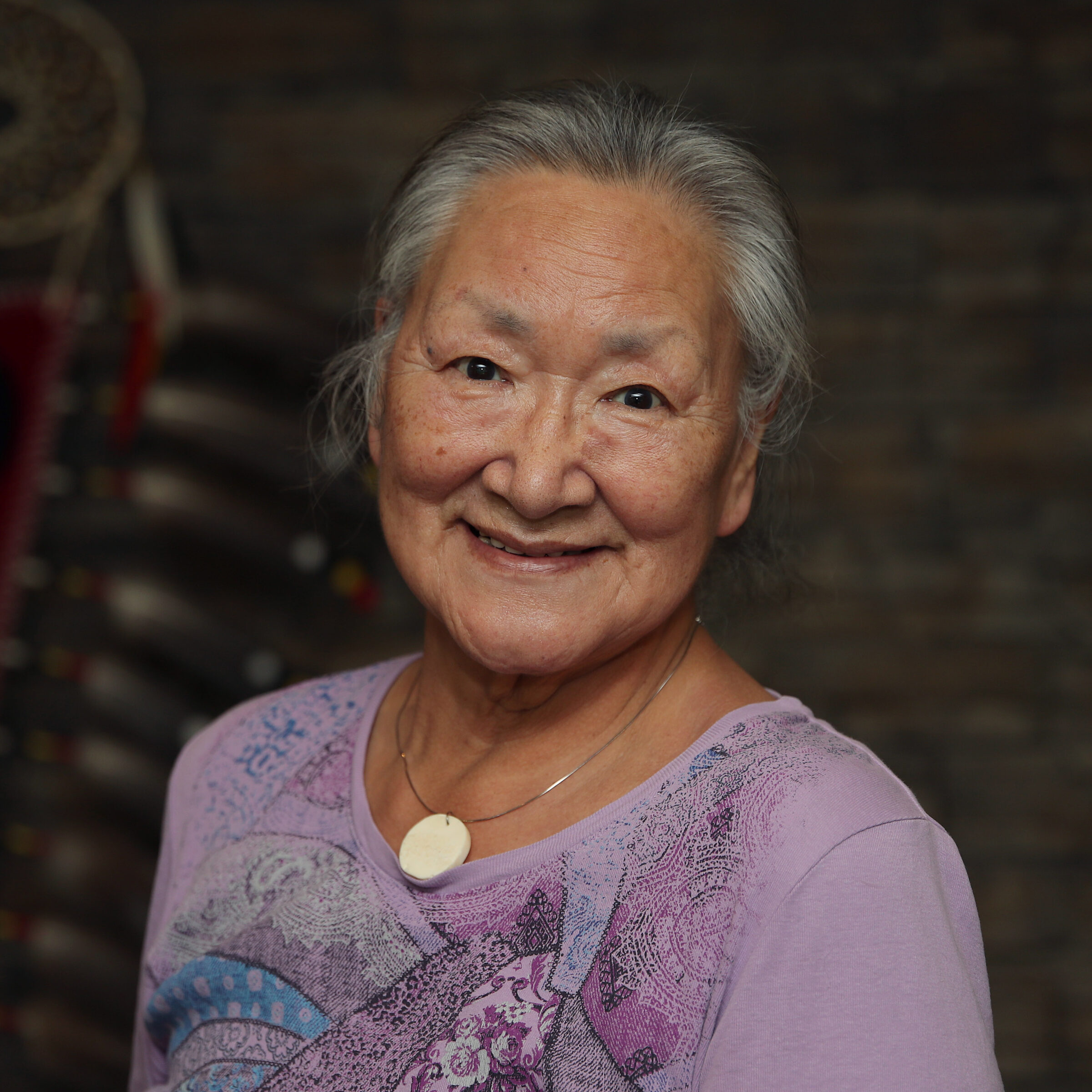
Martha Peet, Inuit Elder and storyteller from Taloyaok, Nunavut, believes that telling stories is about sharing her own experiences and the traditional Inuit way of life.

Taloyaok was founded in 1948 when the HBC established a trading post. Five nomadic families moved in, including hers. Peet was born in 1950.

“I was there from the beginning. I lived in an igloo in the winter and a tent in the summer. My job as a child was collecting cotton in the summer for the wick on the seal oil [soapstone] lamp, which was fueled by blubber. I always had chores. I carried water twice a day from the lake. I made bannock and tea. We boiled our meat—seal and caribou,” she says.

As a storyteller for over 30 years, Peet enjoys sharing stories about her life, where she is from, and the Inuit way of life of years ago including the importance of animals and traditions.

Janice Millar

Janice Millar was born and raised in Winnipeg to an Inninew mother and Métis father, growing up with four sisters. Today, she’s a proud mother of five and grandmother of three.

Grandmother Janice received a Bachelor of Education and Post Baccalaureate in Counseling at the University of Manitoba. For 37 years, she worked at the Winnipeg School Division as a counselor and support for Indigenous students in addition to her work with teachers, vice principals, principals, directors and school board committee members. She has recently retired and continues her work in the community.

“The foundation of my work was to clear a path to build student success, with the end result of creating equitable learning environments for all students. I was schooled in Western Education—I was also schooled in Indigenous Education by the old people. I have recently joined the Indigenous Student Support Team at Red River College Polytech. I enjoy working with students here, and I am looking forward to this new journey and getting to know the students.”

Ivy Chaske

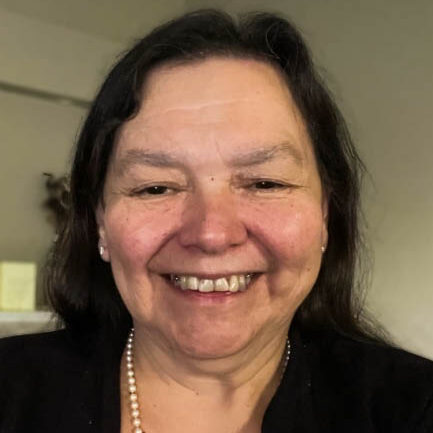
Ivy Chaske is a Dakota Kunshi, or Grandmother, that recently joined the Knowledge Keepers Council to offer her perspective on initiatives around the College.

We’re very excited to welcome Grandmother Ivy to the College and we’re looking forward to working with her.

The fifth annual Truth and Reconciliation Week

October 11, 2023

We would like to extend chi-miigwech to the nearly 90 volunteers.

Every single person that volunteered helped make this Truth and Reconciliation Week the most comprehensive and expansive we’ve had yet.

The College community turned out to 16 in-person events across all campuses and tuned into countless other self-guided resources, including articles, books, videos, and seminars and actively engaging in the shared responsibility we have to Truth and Reconciliation.

Special thanks to our invited guests Elder Allen Sutherland, Tanya Clark-Marinelli, Elder Aaron Pierre, Fawnda Neckoway, Dawn Chartrand, Douglas Sanderson, Andrew Stobo Sniderman, and Maureen Twovoice for joining us for various sessions that helped create deeper connections and understanding as a community.

As we know, Truth and Reconciliation is a year-round commitment, so we invite members of the College community to utilize these upcoming opportunities:

Indigenous Research Methodologies with Dr. Ramona Neckoway

This Friday, October 13 from 10am-12pm at the Roundhouse Auditorium, join us for a session part of RPI’s Indigenous Perspectives in Applied Research Series with Dr. Ramona Neckoway, Associate Vice-President Indigenous Initiatives and Reconciliation, University College of the North. The session is co-hosted by Research Partnerships and Innovation and Truth and Reconciliation and Community Engagement, and will include welcome remarks, a talk from Dr. Neckoway and a discussion period. To register, email Chelsea Welechenko at cwelechenko@rrc.ca as space is limited.

Truth and Reconciliation Community of Practice

The Truth and Reconciliation Community of Practice is a learning community that creates opportunities for staff and faculty to extend and apply their learning, and to take action to advance Truth and Reconciliation and anti-racism. Participation will involve a commitment of 10-12 hours throughout the fall, including group discussion and small group or partner discussions, focused on guided questions that relate to both Truth and Reconciliation and anti-racism. Learn more and sign up here.

Welcome Back Celebration – Oct. 11

September 15, 2023

Join the Indigenous Student Support Team for a fun-filled day of activities, entertainment, and food!

Take the opportunity to meet fellow students, introduce yourself to support personnel, and enter to win prizes!

The Indigenous Support Centres at NDC in F209 and at EDC in P407 will be open for the celebration with baked goods, coffee, pizza, and pop all throughout the day. Please come and go as your schedule allows.

  • Wednesday, Oct. 11 • 10am – 2pm
  • F209, Notre Dame Campus
  • Wednesday, Oct. 11 • 10am – 2pm
  • P407, Exchange District Campus

The event is free of charge and open to all RRC Polytech students.

Sweat Lodges 2023 – 24

September 11, 2023

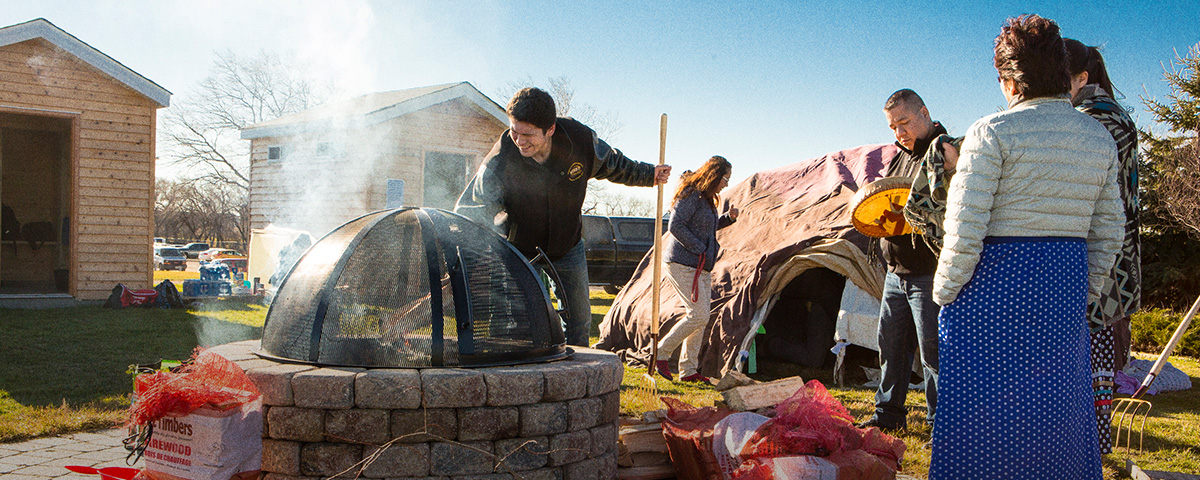
Sweat Lodge Ceremonies are a positive way to heal and connect with oneself physically, mentally, emotionally, and spiritually.

Join the Indigenous Student Support Team with Elder-in-Residence Paul Guimond and Knowledge Keeper-in-Residence Richard Curé for Sweat Lodge Ceremonies throughout the year. We host Sweat Lodges in the Medicine Wheel Garden at the top of the hill in the north-west quarter of Notre Dame Campus. Sweat Lodges are divided into staff and student groups with a maximum of 20 spots for each Ceremony.

Sweat Lodges typically start at 10am and close out by 1pm with a Feast in the Indigenous Support Centre. If you need help getting to the Medicine Wheel Garden, you can drop by the Indigenous Support Centre in F209 between 9:30am and 10am and join staff to walk out to the hill.

Upcoming Sweat Lodge Ceremonies 2023 – 24

Staff Sweat Lodges

  • September 15, 2023
  • October 13, 2023
  • March 15, 2024
  • April 12, 2024
  • May 10, 2024

Student Sweat Lodges

  • September 29, 2023 – cancelled
  • October 27, 2023
  • March 29, 2024 (subject to change)
  • April 26, 2024
  • May 17, 2024

To register, email the Indigenous Support Centre Admin Holly Scherban at hscherban@rrc.ca. All are welcome!

Never attended a Sweat Lodge before? Connect with Holly or drop by an Indigenous Support Centre (F209 at NDC or P407 at EDC) and connect with one of our Navigation Coaches.

Please note: registrations will only be accepted the same month that the Sweat Lodge is being hosted.

I.e., registrations for March Sweats will not be accepted until March.

Save the Date: Truth and Reconciliation Week 2023

September 5, 2023

All students, staff and faculty are invited to participate in RRC Polytech’s fifth annual Truth and Reconciliation Week, September 25 to October 6 2023.

Through in-person events and self-guided learning offered by departments across the College, you’ll deepen your knowledge and understanding of Canada’s true history, Indigenous cultures, and spark conversations and take action towards Truth and Reconciliation.

This year’s event has been expanded to two weeks to enhance the opportunities for the College community to participate and includes sessions featuring special guests.

We look forward to fostering learning, healing and building stronger relationships.

Upcoming Truth and Reconciliation Week Events:

Fall Equinox Celebration

Join the Fall Equinox celebration Monday, September 25, from 10:00 a.m. to 1:00 p.m., in the Roundhouse Auditorium at Manitou a bi Bii daziigae. The celebration will feature a Pipe Ceremony, Sharing Circle and Feast. Learn more here.

Blanket Exercise

The Blanket Exercise will be offered for staff and faculty on Thursday, September 28, from 10:00 a.m. to 4:00 p.m. in the Roundhouse Auditorium at Manitou a bi Bii daziigae. The experience simulates the history of Indigenous people in Canada and the effects of colonization through facilitated interactive activities.

Space is limited to 30 participants. To learn more and sign up, click here.

National Day for Truth and Reconciliation / Orange Shirt Day: Every Child Matters

September 30 is Orange Shirt Day: Every Child Matters, a time to recognize and honour Residential School Survivors, remember those who never made it home, and work towards healing and continuing our commitment to Truth and Reconciliation.

You are encouraged to wear your Orange Shirt on campus on Friday, September 29, and take some time to learn and reflect about Canada’s history of the Residential School System and its intergenerational impact.

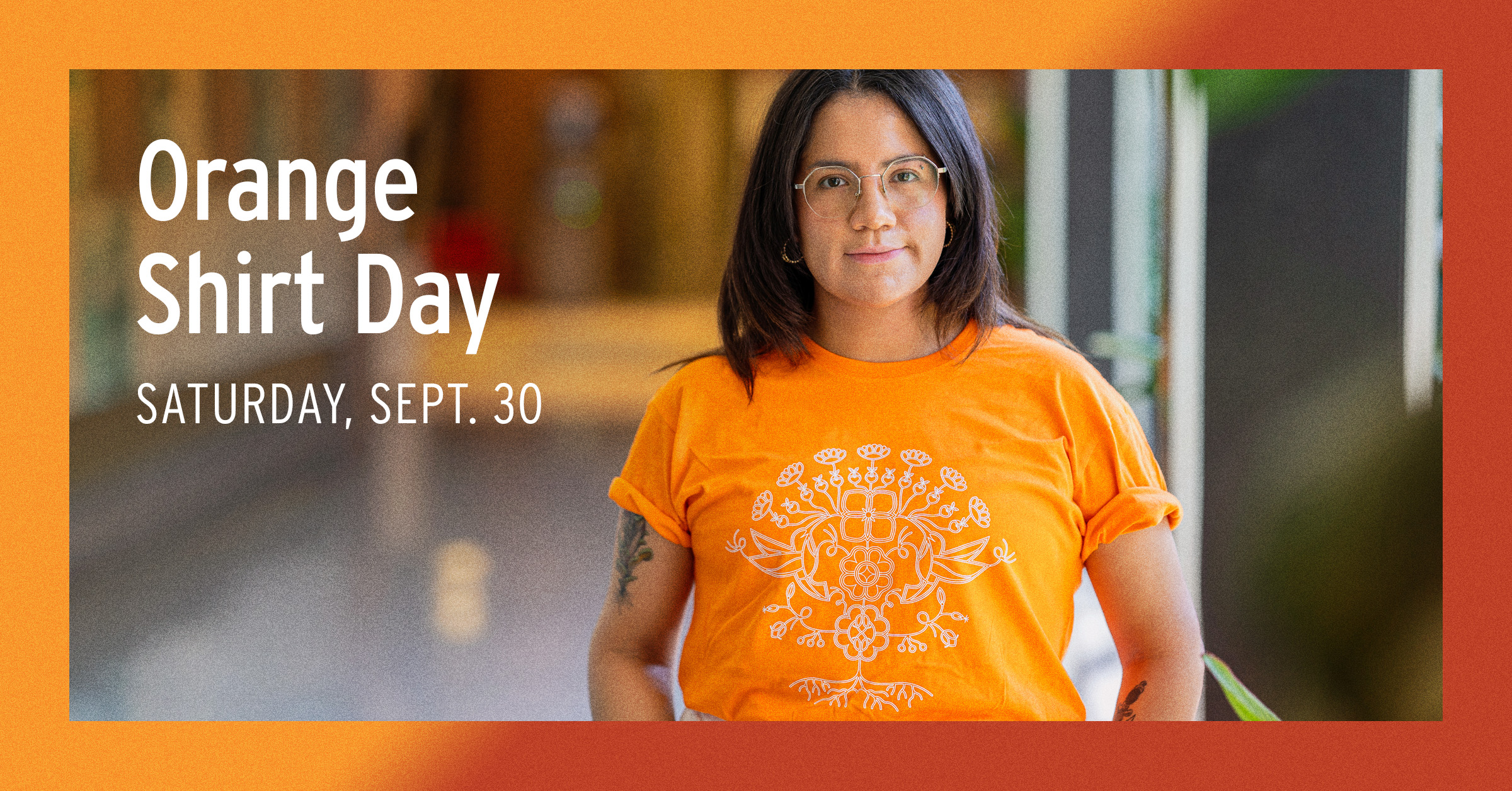
This year, orange t-shirts featuring the art of RRC Polytech Graphic Design grad Leticia Spence, and produced by Red Rebel Armour, an Indigenous streetwear outlet owned and operated by RRC Polytech grad Sean Rayland-Boubar, are available through the Campus Store. All proceeds go to the College’s Mínwastánikéwin Truth and Reconciliation Award, which aims to alleviate financial burden for Indigenous students. Learn more about the orange shirt design here.

Stay tuned to Staff and Student News and subscribe to the Indigenous blog here for more information and the full schedule of events.

Fall Equinox – Sept. 25

August 31, 2023

Join us at Manitou a bi Bii daziigae for the Fall Equinox Celebration on Monday, Sept. 25!

The Fall Equinox is one of the four transitory events that marks the changing of the seasons, along with the Winter and Summer Solstices and the Spring Equinox. The Fall Equinox is the moment in the Earth’s cycle when the Sun crosses the equator into the southern hemisphere. In the Fall, we harvest our crops and prepare for the long winter when the land is protected by a blanket of snow.

The morning will start with a Pipe Ceremony, followed by a Sharing Circle led by Elder-in-Residence Paul Guimond and Knowledge Keeper-in-Residence Richard Curé. The morning will close out with a Feast to celebrate the changing of the season.

All are welcome, no registration needed.

  • Monday, Sept. 25 • 10am – 12pm
  • Roundhouse Auditorium, Exchange District Campus

Orange Shirt Day 2023

August 21, 2023

Phyllis Webstad, whose orange shirt was taken away when she attended Residential School in the 1970s, started the Orange Shirt movement by sharing her story.

Since 2013, the Orange Shirt Society has raised awareness of the impacts of Residential Schools and the work Survivors and their families do to heal Indigenous communities. September 30 has been declared the National Day for Truth and Reconciliation and recognized as Orange Shirt Day to honour Residential School Survivors, their communities, and the children who never came home.

In honour of Orange Shirt Day, RRC Polytech has partnered with Ininew artist and alumna Leticia Spence to create an original Orange Shirt design and with Red Rebel Armour, owned and operated by alumnus Sean Rayland-Boubar, to produce the Orange Shirts.

The design features a tree made up of florals, Medicines and roots. Hummingbirds flank the tree, surrounded by rosehips, rosebuds and berries. First Nations, the Métis Nation, and the Inuit Nation are represented by symbols deeply intertwined with each nation: the cardinal directions, a wild rose forming an infinity, and fireweed flowers.

“I want whoever is wearing this t-shirt to feel a sense of hope and strength as they honour those who are currently being found while knowing that it’s okay to create space to honour themselves as either direct residential school survivors or intergenerational residential school survivors.”

Leticia Spence, Artist – Graphic Design 2019

The Orange Shirts will be available through the Campus Store and all proceeds from Orange Shirt sales go to the Mínwastánikéwin Truth and Reconciliation Award when applications open in January 2024.

Show your support for Truth and Reconciliation by wearing the RRC Polytech Orange Shirt on Friday, September 29 on campus.

Read more about the 2023 Orange Shirt and Leticia Spence on the RED Blog.

Purchase your 2023 Orange Shirt through the Campus Store.

Learn more about Phyllis Webstad and the Orange Shirt Society on their website.

Anniversary of Treaty One Signing – Aug. 3

August 3, 2023

On August 3, 1871, Treaty One was signed at Lower Fort Garry.

The treaty was signed between representatives of Britain and the Chiefs of seven First Nations: Brokenhead Ojibway Nation, Long Plain First Nation, Peguis First Nation, Roseau River Anishinabe First Nation, Sagkeeng First Nation, Sandy Bay Ojibway First Nation, and Swan Lake First Nation. As the name suggests, Treaty One was the first of the 11 Numbered Treaties and laid the foundation for subsequent agreements between First Nations and European settlers.

Treaty One is a legal agreement based on principles of friendship, peace and mutual thriving, and both parties entered into the Treaty as equals. The signatories negotiated the Treaty with the goal of ensuring their Peoples’ continuity in the face of unprecedented change that would impact generations.

Indigenous Nations consistently played important roles in the fur trade economy and inter-governmental alliances since the Europeans’ arrival, leading the state to conclude that it would be in the Crown’s best interest to form an official agreement with First Nations.

The state agreed to provide services to First Nations typical to what they provided citizens, like education and healthcare; annuities in the state currency to First Nations families and individuals, so they could participate in the new economy; and set boundaries upon which settlers could not encroach, to ensure First Nations’ inherent right to traditional resources and ceremonial grounds. In exchange, First Nations would allow the state to have access to specific land and resources and the economic value that came with that access.

The Treaties are still active today but throughout Canada’s history, the Treaties have not been wholly honoured by the state or understood by settlers. The result is, and has been, immeasurable harm against Indigenous Peoples—in the forms of Residential Schools, institutional discrimination, interpersonal violence, intergenerational trauma, and more.

Raising awareness about the Treaties, their intentions and the agency of Indigenous Peoples is integral to reconciling the damaged relationship between First Nations and Canada. As an educational institution, RRC Polytech has committed to making Truth and Reconciliation a priority and taking action to reflect those values.

In Fall 2022, members of RRC Polytech’s Senior Leadership Team, including President and CEO Fred Meier, organized community consultations with First Nations communities to learn first-hand how the College can make post-secondary education more accessible and more valuable to Indigenous learners. Fostering relationships with Indigenous communities at that level help to inform decision-makers at the College. The Senior Leadership Team intends to continue reaching out to communities annually to continue a collaborative dialogue.

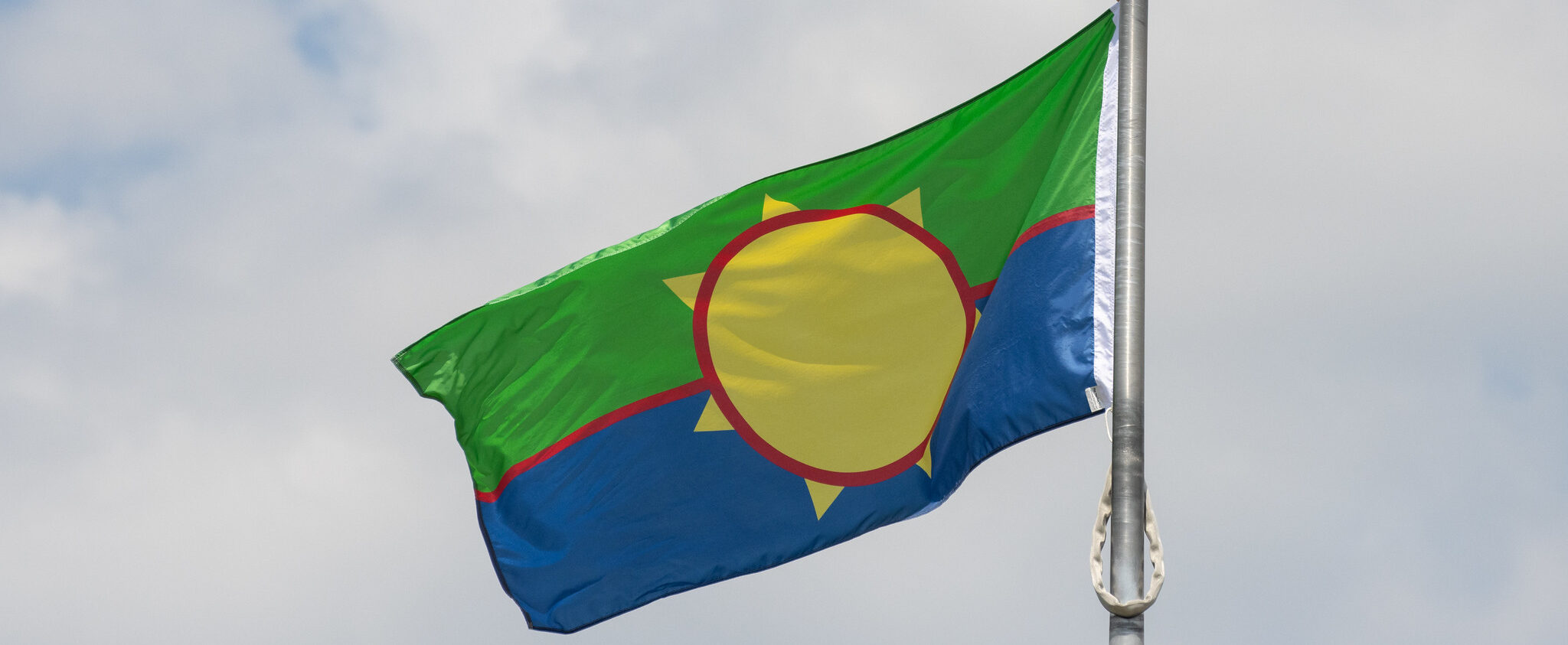
On June 4, RRC Polytech launched National Indigenous History Month with the raising of the Treaty One, Red River Métis, and Pride Flags on the front lawn of Notre Dame Campus. The flags were raised with ceremonies conducted by each respective community: representatives from Peguis and Sand Bay First Nations, the Manitoba Métis Federation, and Two Spirit Elders.

Vic Savino, Director of Communications at Treaty One Nation and Business Administration alumnus, helped to coordinate the raising of the Treaty One flag and advocates for the raising of the Treaty One flag at more prominent places throughout Treaty One. Read Savino’s story on RRC Polytech’s Alumni Blog.

Learn more about the Treaties:

National Indigenous Peoples Day Bus Tour

June 23, 2023

Every year, RRC Polytech has recognized National Indigenous Peoples Day with an in-house event.

In years past, we’ve had gatherings which takes place in the Indigenous Support Centre, with the Elder-in-Residence hosting a pipe ceremony, teachings and storytelling, and breaking bread with a feast for the College community. Our celebration recognizes both National Indigenous Peoples Day and the summer solstice. This year, the School of Indigenous Education and the Indigenous Students Support Team came up with an exciting new approach: a bus tour to participate in various Indigenous events in and around Winnipeg.

National Indigenous Peoples Day is an opportunity for Anishinaabe, Ininiwak, Anishininew, Dakota, Dené, Métis and many other Indigenous peoples to celebrate and connect with their cultures, and is an invitation for the wider community to participate in the celebration together.

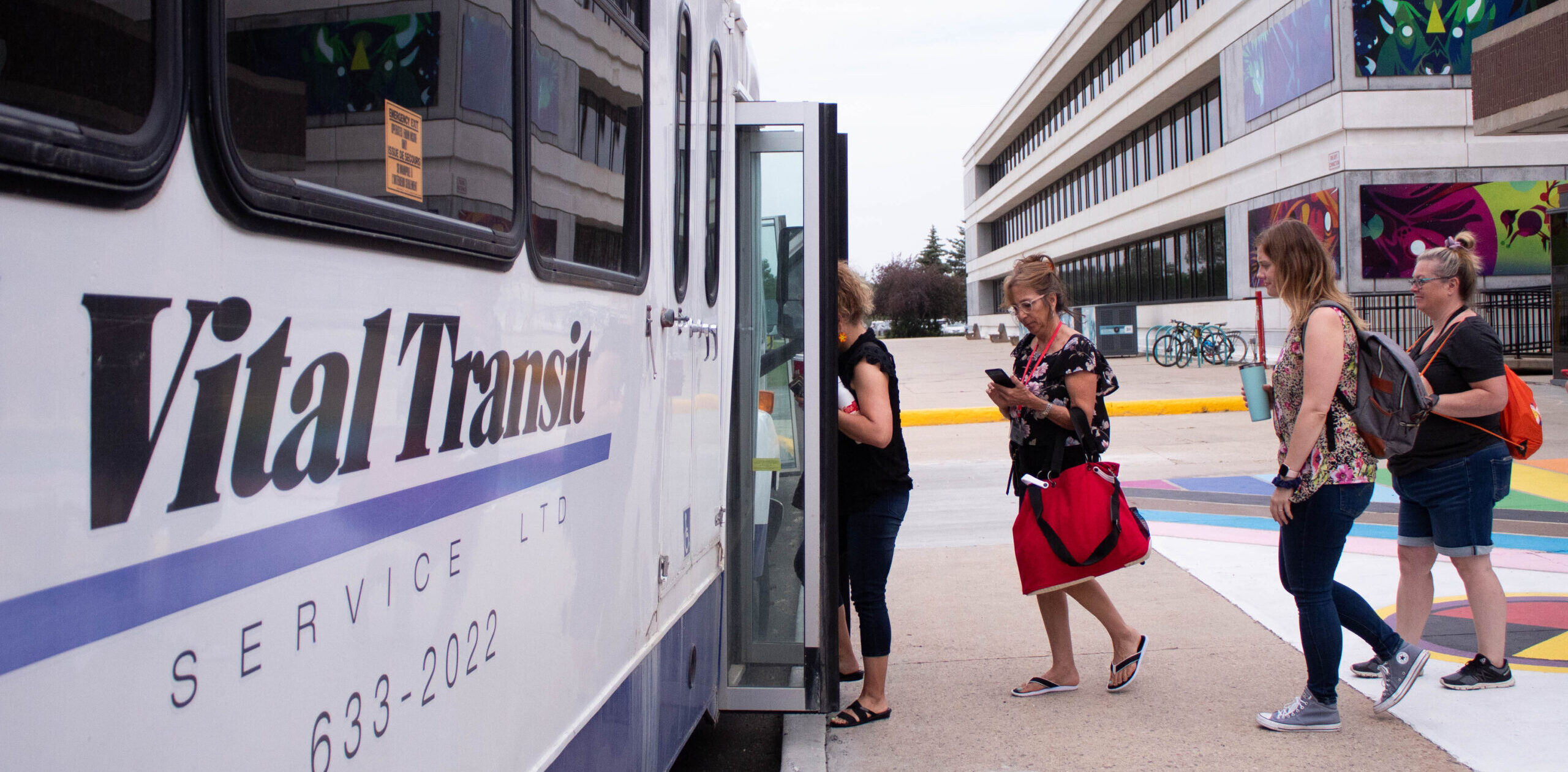
The response from the College community was so strong that the 29-seat bus filled up quickly with an additional waitlist of at least 10 people. The team decided to book an additional bus to accommodate the waitlist and invited a few more participants. Many RRC Polytech community members took the opportunity to experience their first National Indigenous Peoples Day at the wonderful events hosted in Manitoba.

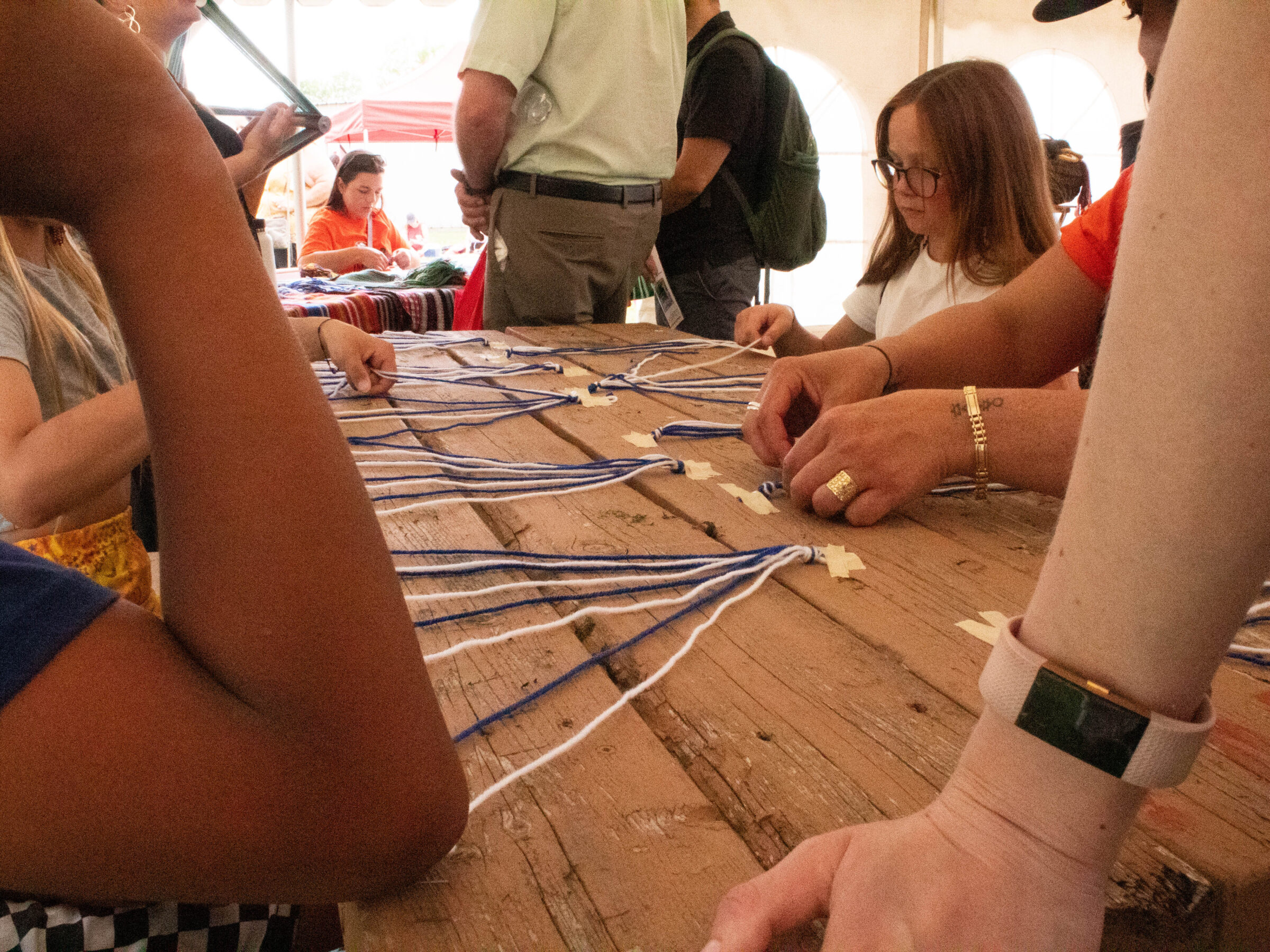
The first stop on the bus tour was at Selkirk Park for the Manitoba Métis Federation’s National Indigenous Peoples Day celebration. Participants enjoyed a free pancake breakfast and explored the many booths presented by the Manitoba Métis Federation and their partners, including the Infinity Women Secretariat where they offered to paint attendees’ faces. One tent hosted a workshop where participants learned how to weave sashes.

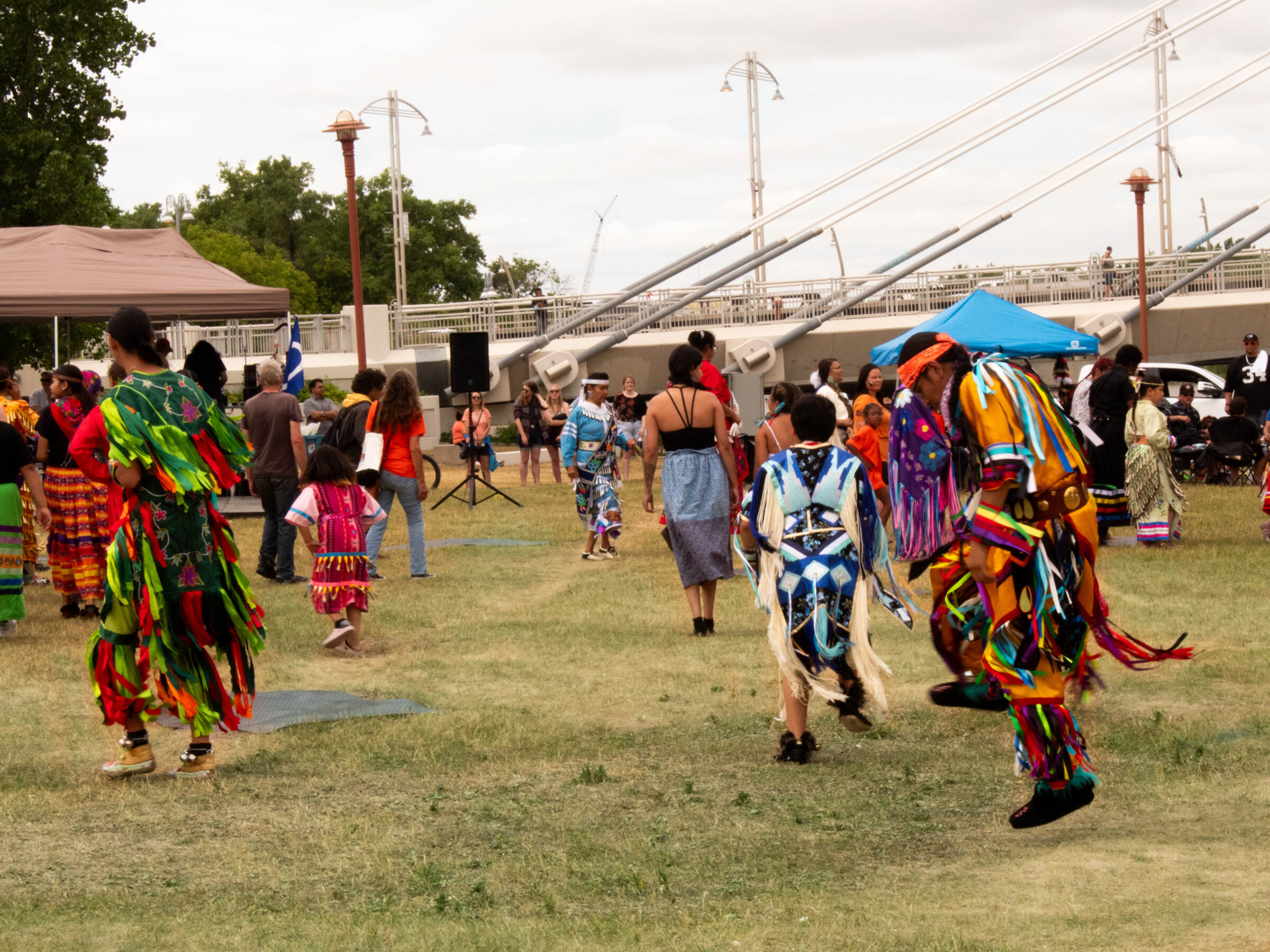
For the afternoon, the bus shuttled participants through downtown Winnipeg to The Forks for the Wa-Say Healing Centre’s National Indigenous Peoples Day Pow Wow in the Parks Canada Field. Vendors and artists gathered around the park while singers and drum groups clustered around the main stage for their performances.

Dancers in regalia and dancers in everyday attire assembled in the circle for Inter-Tribal songs and dance categories.

Close to 4pm, Pow Wow participants joined together for the Friendship Dance, holding hands and rotating around the circle in a demonstration of inclusion and relationality. Free hotdogs, drinks and ice cream were offered throughout the day courtesy of the Southern Chiefs Council, and live music performances extended well into the evening.

Terri-Lynn Anderson, the Events & Facilities Rental Coordinator for the School of Indigenous Education, said the bus tour was an incredible success and she looks forward to hosting more bus tours in the future to offer staff and student more opportunities to explore and engage with the Indigenous community.

“The quiet summer months made me want to venture out into the community to see all the wonderful events that were taking place to celebrate our people and culture. The bus tour was a great way to experience that, especially with the few folks that were experiencing their first National Indigenous Peoples Day ever,” said Anderson.

In addition to the bus tour for Indigenous Peoples Day, RRC Polytech released the new virtual tour of Manitou a bi Bii daziigae to demonstrate the flexibility of the new building and its deep connection to Indigenous art, culture, and entrepreneurship.

Thank you to all who participated in this year’s National Indigenous Peoples Day Bus Tour, and we look forward to next year’s celebration. Miigwech!

RRC Polytech campuses are located on the lands of the Anishinaabeg, Ininiwak, Anishininwak, Dakota Oyate, and Denésuline, and the National Homeland of the Red River Métis.

We recognize and honour Treaty 3 Territory Shoal Lake 40 First Nation, the source of Winnipeg’s clean drinking water. In addition, we acknowledge Treaty Territories which provide us with access to electricity we use in both our personal and professional lives.