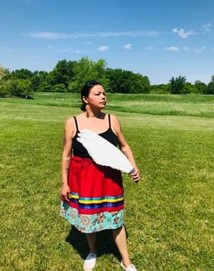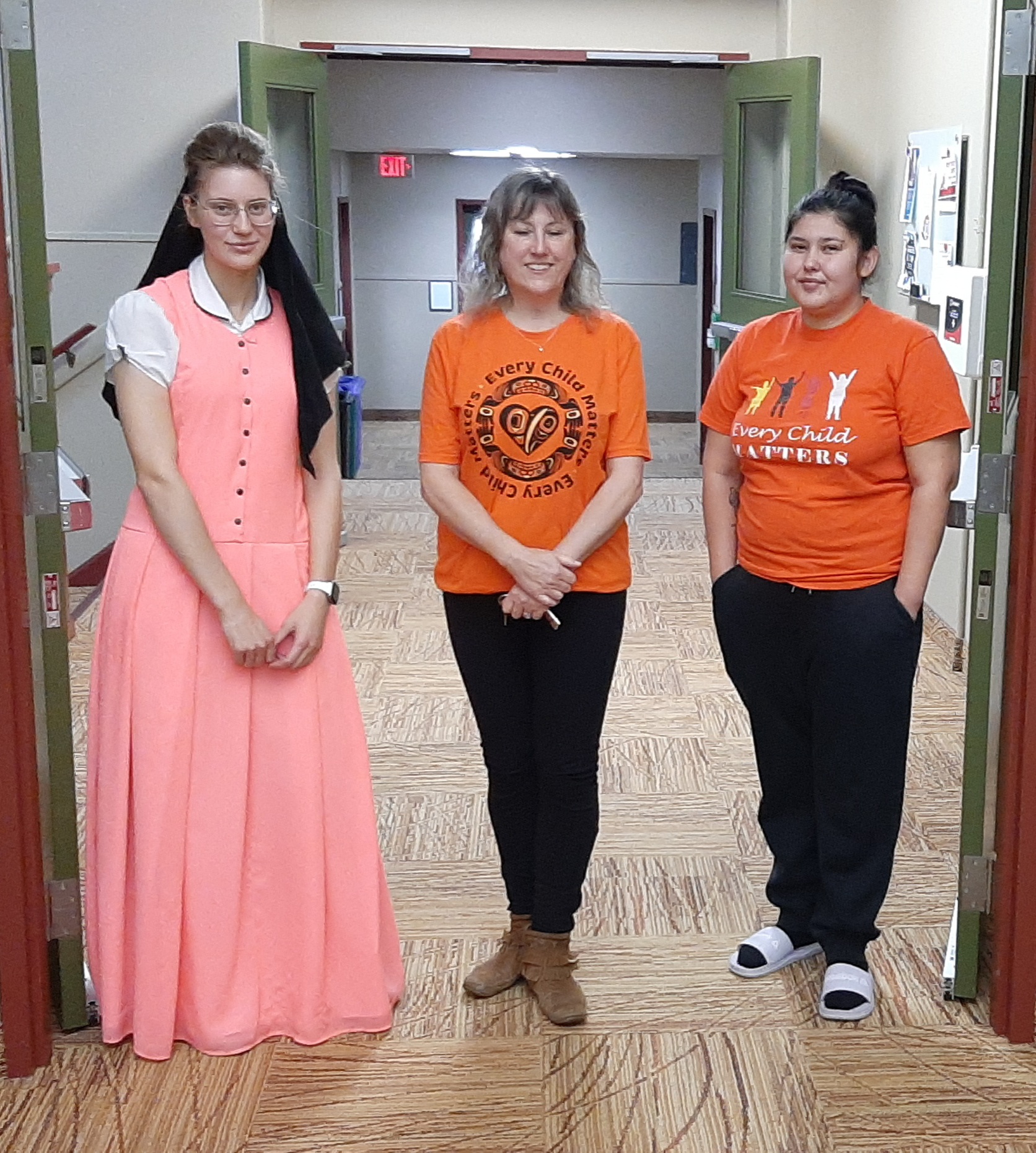
woman wearing an Indigenous Education sash

Indigenous Education

Events

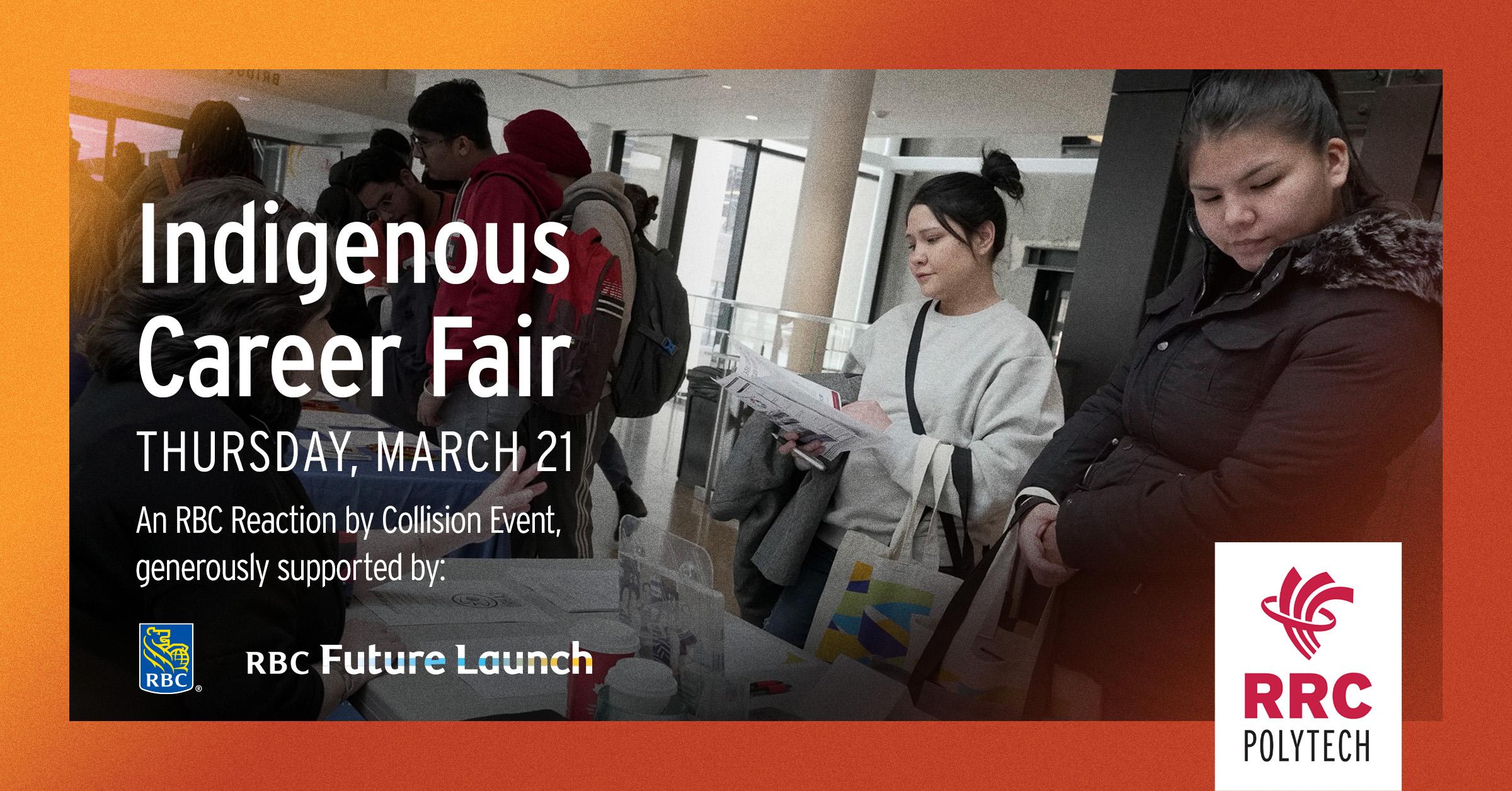
Indigenous Career Fair – March 21
February 21, 2024

Get your resume ready and join us for the Indigenous Career Fair, an RBC Reaction by Collision event!

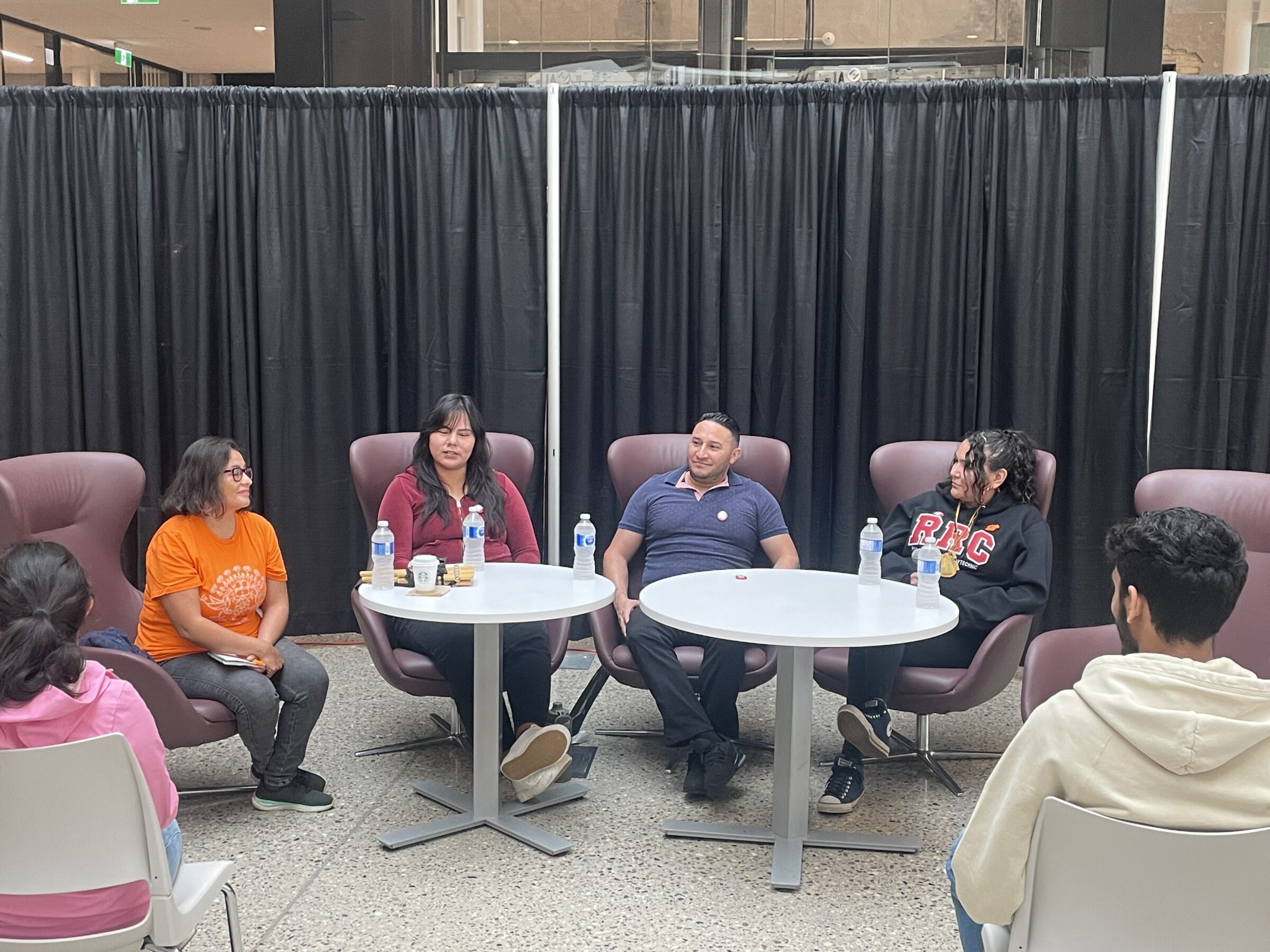
Speak with employers from over 30 organizations representing various industries who have job openings and opportunities for Indigenous students and graduates. View the job listings online and learn about the kind of opportunities available to you! The Indigenous Career Fair will kick off with a panel of Indigenous professionals to discuss breaking into industry and navigating the job search.

The RBC Headshot Lounge, courtesy of RBC, will be open for you to take professional headshot photos for your LinkedIn and other bios.

A hot dog lunch will be available for attendees. Students that register ahead of time will be entered to win awesome prizes!

Keep an eye on Student News or subscribe to the Indigenous blog for up-to-date information and reminders for our events!

Thank you to RBC for their generous support of the Indigenous Career Fair – An RBC Reaction by Collision Event.

Career Fair Tips

If this is your first Career Fair or one of many you’ve been to, it’s better to be prepared ahead of time so you know what to expect! Knowing what you want will increase your chances of finding a career that fits you.

What should I wear?

There’s no dress code for the Indigenous Career Fair, so what you usually wear to class will work! T-shirts, long-sleeved shirts, or button-up shirts with solid colours or simple patterns paired with jeans, pants, or skirts are usually what you might see at networking events like career fairs. Just keep in mind—you’re making a first impression with potential employers!

What should I bring?

The main things you’ll want to bring are your resume and an idea of what kind of job you want. Print a few copies of your resume in case you want to leave some with employers. Five to ten copies should be fine, but if you need to print more, printers are available throughout the campus that you can access using Paperclip.

The other thing you might want to bring is a notepad, in case there’s information you want to keep track of when you’re chatting with employers. We’ll provide pens at the registration desk, so we’ve got you covered!

I made a connection! What now?

Fantastic! You’ve hit it off with an employer, you left your resume with them, and they said they’d follow up; or, best-case scenario, they schedule an interview with you. What do you do now?

First thing’s first: get their contact information. It can be a general intake email or phone number, or the direct contact information of the hiring manager. Direct contact information with the hiring manager is better, since you’ll be able to address them by name in the follow-up.

Once the career fair is over, make the first move! The next day or the day after, send them an email or call to confirm the appointment if you’ve made one, or if not, just to thank them for their time at the career fair. Reference anything you might’ve talked about, and that will solidify you in their minds as a strong, interested, and confident candidate. If you didn’t get an interview at the career fair, this might just be the thing that tips the balance in your favour and land you that interview.

If that’s too bold for you, that’s okay too—just make sure that you remember their number, save it in your phone, or be open to calls from unknown numbers. It might be them following up with you!

Questions for Employers

You know what’s most important in a job for you, but here are some questions to get you started. These questions to ask employers can help you decide if you want to throw your hat in the ring for their job posting.

What position are you hiring for?

The most important answer for you to know.

You might know which positions you want, but then again you might not—it’s a good idea to go over your own skillset and to research roles you think you would be good at beforehand.

Even if the position sounds like it doesn’t align with your skillset, keep chatting! Be curious, find out what kind of person they want for the role. It might surprise you—you may actually have the right skillset, or they might ask for your resume to keep on file if a more fitting position opens up in the next few weeks or months. Every booth is an open door!

What responsibilities come with this role?

Usually this is the follow-up information when they tell you the title of the position. This information will help you determine if the role is aligned with your current skills and goals.

If only half of the responsibilities sound like things you know how to do, don’t worry! Organizations might have opportunities for their employees to develop professionally and may provide training for things you don’t know how to do yet. It can pay off in the end for an organization to train the employees they have or the employees they hire on (like you!), rather than continually look for someone that checks off all their boxes right off the bat. What’s valuable to them is your willingness to learn with them.

So, if you want to stand out, be honest! You don’t have to share what you can or can’t do right now, but if you snag an interview with them later, be honest about what you can do or have experience with. Even if you don’t check all their boxes, let them know that you’re willing to learn on the job! It gives them a sense of what to expect of you in that position and where they can help you grow, and what you can provide them with when you start (and so they aren’t overloading you with things you don’t know how to do yet).

What is the pay rate?

Pay is a huge factor when considering your job options. If they don’t volunteer this information, don’t be shy to ask! Everybody needs to know what their compensation will look like to know if they want to pursue an opportunity.

A good thing to know when deciding if a wage or salary is sufficient for you, a living wage in Winnipeg is $18.35 an hour full-time (or $36,700 annually) for both parents of a family of four, according to the Canadian Centre for Policy Alternatives as of August 2022. (Living wage means to be able to pay off all your expenses like groceries and bills from month to month.)

A lot of employers will say the pay varies, but generally they’ll give you a range like $40,000 – $45,000 a year, which is something you can negotiate when you get to the interview part of the hiring process. It’ll depend on what you ask for and your qualifications.

What are the benefits?

This will depend on the hours of the job. If it is full-time, salaried, then there will usually be benefits like dental coverage, eyecare coverage, mental health care coverage, among others. Positions that are not full-time will have limited additional benefits.

Coverage means the organization will reimburse the cost up to a specified amount each year. For example, you could claim up to $1000.00 per year in coverage for mental health services like therapy or psychological evaluations. They will pay up to $1000.00 to your provider, and after that amount, you will be responsible for the costs.

Another way organizations might cover your benefits is providing a certain percentage for each instance you use a covered service. For example, your employer might cover 80% of your dental cleaning service, so you only have to pay the remaining 20%.

Organizations will often use a third-party service, like Blue Cross or Canada Life. They’ll go over your benefit coverage in more detail once you’ve been hired on.

What’s your favourite part about working for this organization?

Anyone who enjoys their career and is trying to get new people on their team will love this question! Knowing what current employees like about their jobs can help you decide if the job and organization has potential to meet your expectations.

Asking a personal question like this is a great way to make a connection with people at the booths. It shows interest in the organization and the people that manage it. This question also serves a practical purpose: knowing why current employees like their organization might sell you on that organization too!

We’re looking forward to seeing you at the 2024 Indigenous Career Fair – An RBC Reaction by Collision Event! Students can register ahead of time for a chance to win awesome prizes!
Calling all past Indigenous Pathway program students!

February 14, 2024

As a past Pathway Program student, you’re invited for a special event!

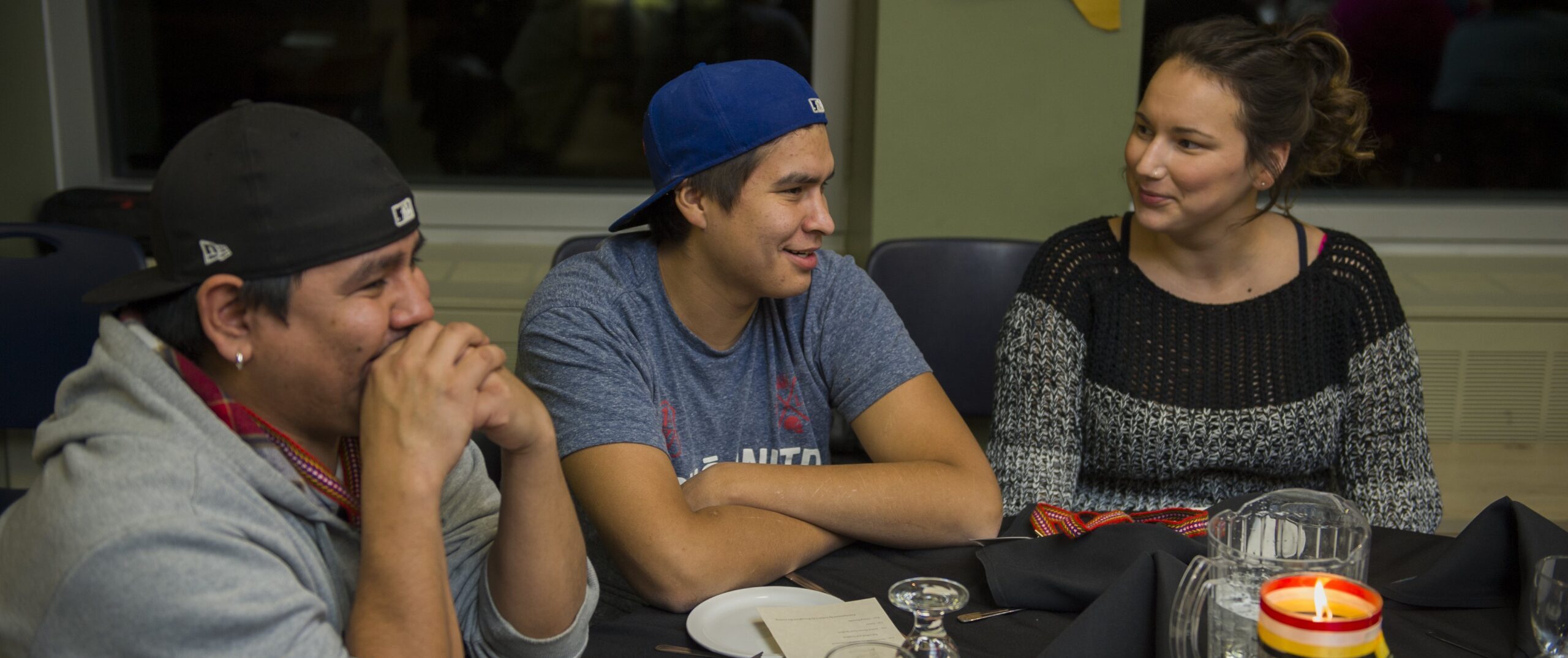
Join us for lunch in the Indigenous Support Centre F209 at Notre Dame Campus to meet other Pathway progression students and reconnect with the supports and faculty in the School of Indigenous Education. Be part of a community of Indigenous trailblazers and continue to build your network of peers.

  • Tuesday, Feb. 27 • 11:30am – 1:30pm
  • F209, Notre Dame Campus

If you’re interested in attending, please RSVP by emailing Terri-Lynn, Navigation Coach, at tlanderson@rrc.ca.

Know of any other Pathway students in your program? Invite them to join the lunch! Pathway graduates from all years are welcome. Charcuterie, dainties and refreshments will be served.

Aadizooke – Dec. 7

December 4, 2023

Join us in the Indigenous Support Centre to celebrate the Winter Solstice with a Pipe Ceremony and Feast.

The Winter Solstice marks the shortest day and longest night of the year—a time of reflection, renewal, and the Earth’s return to the sun. While the solstice falls on December 21, we invite you to gather with us a little early on December 7, before the end of term.

Join us in the Indigenous Support Centre for a meaningful ceremony, sharing circle, and feast as we honour the seasonal shift. Come reflect, connect, and celebrate the return of the light with community.

  • Thursday, Dec. 7 • 10am – 12pm
  • F209, Notre Dame Campus

No registration is required—everyone is welcome.

Soup Making Sessions – Nov. 14, 21 and 28

November 9, 2023

Come to the Indigenous Support Centre and enjoy some time making soup with fellow students.

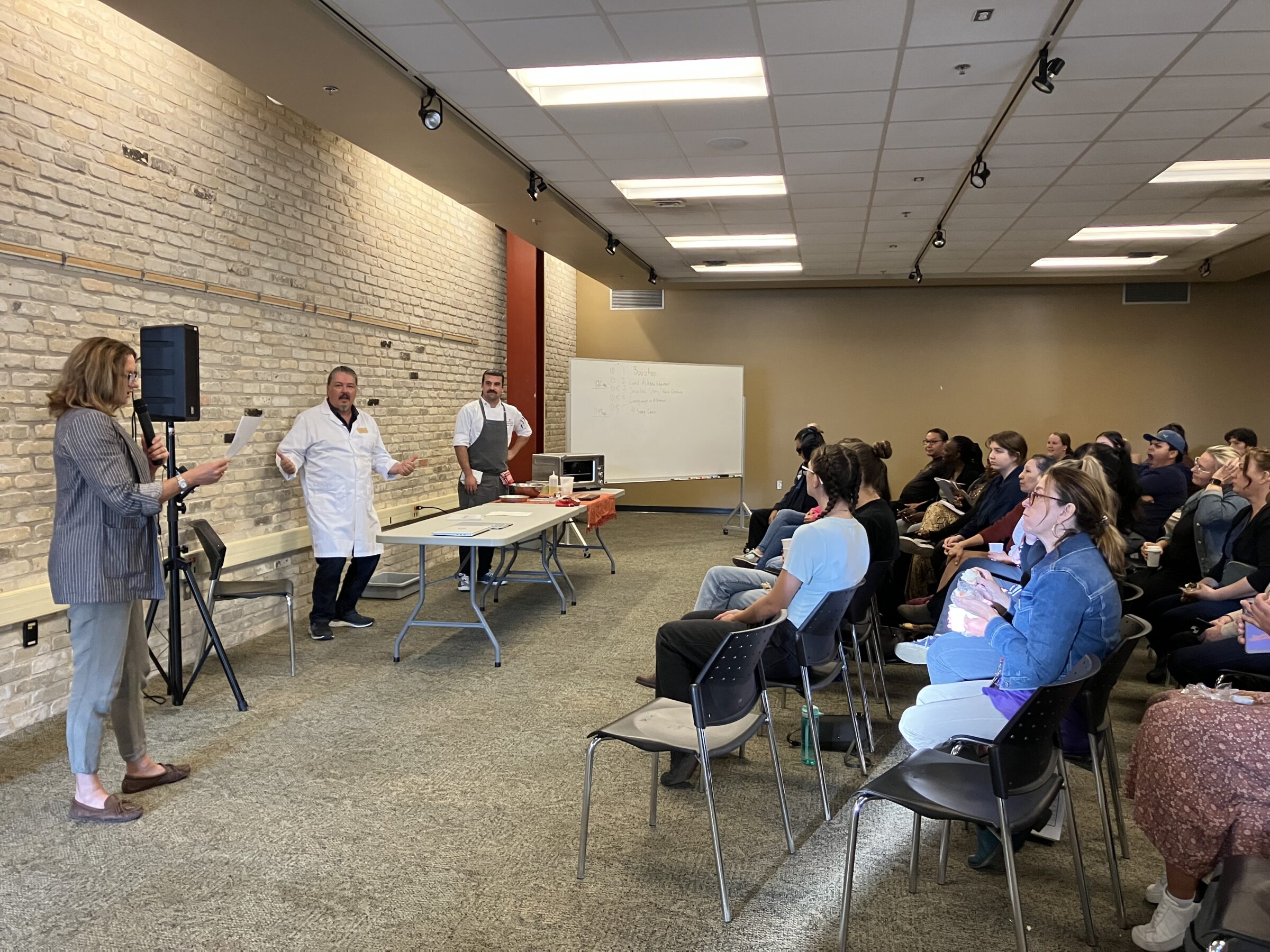
It’s a chance to slow down, connect, and share stories while cooking together. Nourish your body with a healthy, homemade meal and your spirit with good company – sometimes the best conversations happen over a warm bowl of soup!

  • Tuesday, Nov. 14, 21, 28 • 4pm – 6pm
  • F209, Notre Dame Campus

Ingredients and utensils will be provided. Feel free to bring your friends and family – no registration is required. Enjoy your soup in the centre or bring take-home containers to enjoy at home.

Miigwech miinawaa awii giizhoozi gakina! Thank you and stay warm, everyone!

International Inuit Day 2023

November 7, 2023

In 2006, the Inuit Circumpolar Council established November 7 as International Inuit Day. More than 70,000 Inuit people live in Canada, with 69 percent living within Inuit Nunangat, northern Canada, composed of four distinct regions, Nunatsiavut, Nunavik, Nunavut and Inuvialuit.

On International Inuit Day, we invite you to celebrate the diversity of Inuit cultures and communities, and honour Inuit voices through listening and learning. Below are a few resources to support your learning:

Manitoba is home to the Winnipeg Art Gallery-Qaumajuq, which has one of the world’s largest collections of contemporary Inuit art, bringing close to 5,000 stone carvings to light in its visible vault. Explore the stunning collection of Inuit art in the heart of downtown Winnipeg – the first floor (includes the visible vault) is always FREE to visit. This Sunday, November 12 is free admission from 11:00 a.m. to 5:00 p.m. at WAG-Qaumajuq, so check out more exhibitions, including Inuit Sanaugangit: Art Across Time.

International Inuit Day is also a time to recognize how the way of life continues to change for Inuit peoples as the landscape literally and figuratively transforms. Read A balancing act between the two worlds: What it means to be Inuit, via Nunavut News.

Last year, RRC Polytech celebrated National Inuit Day with students, staff, faculty, and members of the Manitoba Inuit Association. College Transition students shared about their culture and life in Rankin Inlet with the College community. Read the full story here.

Ribbon Skirt Workshop Series – Nov. 9, 16, 23

October 31, 2023

Make your own ribbon skirt for Ceremony and everyday wear with Angela Antoine!

Students are invited to join us in the Indigenous Support Centre F209 for a Ribbon Skirt Workshop Series led by Angela Antoine, Director of Indigenous Services at the Behavioral Health Foundation, on Nov. 9, 16, and 23 from 4pm – 6pm.

Supplies for skirt-making will be provided—please ensure that you are able to attend all three sessions as seats are limited to 20.

  • Thursday Nov. 9, 16, 23 • 4pm – 6pm
  • F209, Notre Dame Campus

Please send an email to Holly Scherban, Indigenous Support Centre Coordinator at hscherban@rrc.ca to register.

About Angela Antoine

My name is Angela Antoine. My Spirit Name is Blue Sky Woman, I am from the Turtle Clan. I am a mother of 4. 

I am the Director of Indigenous Services at the Behavioural Health Foundation.

I have been sewing for just about 2 years—self-taught, creating skirts, shirts & drum bags.

I started really putting my mind to creating skirts when I lost my oldest daughter in March 2022. I took some time off to re-focus and come up with new ideas on how to share the gift of creating skirts. I remember seeing ribbon skirts when I was in the problem 12 years ago. I always wished I was in the right frame of mind to own one.

There is a story behind how you can wear a skirt. It involves your colors that come with getting your Spirit Name. You wear them, take care of them & carry yourself in a good way. We wear skirts to respect our ancestors & during Ceremony. However, wearing a ribbon skirt in today’s day and age, is encouraged in everyday life.

Thrive Week – Nov. 6 – 11

October 31, 2023

The College is invited to participate in the annual Thrive Week hosted by Campus Well-being and the Students’ Association!

Thrive Week is a time to focus on the importance of balance and self-care in developing positive mental health that supports success in learning and working. All events are free and open to students and staff.

Participate in one of our events offered virtually or in-person: Don Amero – Keynote presentation, Hip Hop Challenge, Self-Defense Demo, Therapy Dogs, Explore the Universe Planetarium show, Mini Golf, Indigenous Infused Yoga, Movie and Popcorn Lunch, Library Puzzles/Adult Colouring stations and a Birds Hill Provincial Park hike. Check out the full Campus Well-being schedule for details and registration links.

Door prizes are available at most events – register and participate to win!

For questions or accessibility needs, please contact Kristi Dorian

Keynote Speaker (EDC and Virtual)

Join Campus Well-Being and the Students’ Association in welcoming local musician, writer and speaker, Don Amero for Thrive Week’s keynote presentation in-person and live-streamed. Light refreshments provided and Don Amero Swag Bag door prize.

Thursday, November 9, 2023, 12pm to 1pm, in the Roundhouse Auditorium, Exchange District Campus, Manitou a bi Bii daziigae.

Check out the full Campus Well-being schedule for details and registration links.

Meet-and-Greet with the Knowledge Keepers Council – Nov. 16

October 26, 2023

This September, the Knowledge Keepers Council reconvened to advise on initiatives at the College related to Truth and Reconciliation.

The Knowledge Keepers Council has provided many different areas of the College with cultural and strategic direction based on traditional and scholarly perspectives of ethics, concepts, and practices of reconciliation.

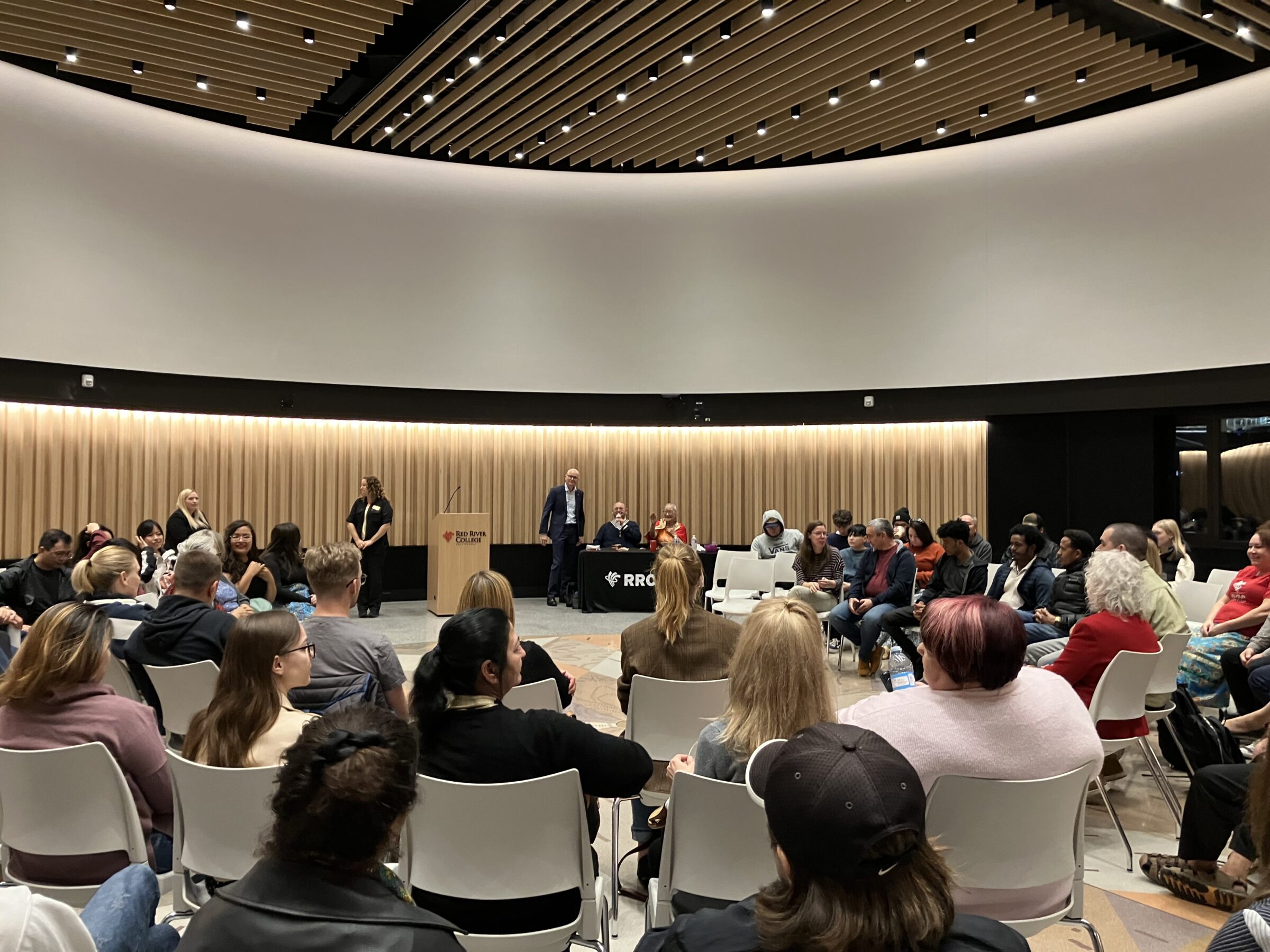
The College community is invited to a come-and-go Meet-and-Greet with the Knowledge Keepers Council on Thursday, November 16, in E155 at Manitou a bi Bii daziigae from 2pm to 4pm at the Exchange District Campus. You’re welcome to drop by between to introduce yourself and get to know the Knowledge Keepers over a cup of coffee and snacks.

We’re proud to work with respected Elders and Knowledge Keepers from a wide range of communities with diverse experiences. The insight they have provided to the College has made our approach to Truth and Reconciliation stronger, and we look forward to a long and enriching relationship based on the spirit of reciprocity and respect.

The Knowledge Keepers Council is interdepartmentally sponsored through Truth and Reconciliation and Community Engagement, Human Resources, the School of Indigenous Education, and Indigenous Strategy, Research and Business Development.

  • Thursday, Nov. 16 • 2pm – 4 pm
  • E155, Manitou a bi Bii daziigae, Exchange District Campus

Meet the Knowledge Keepers Council

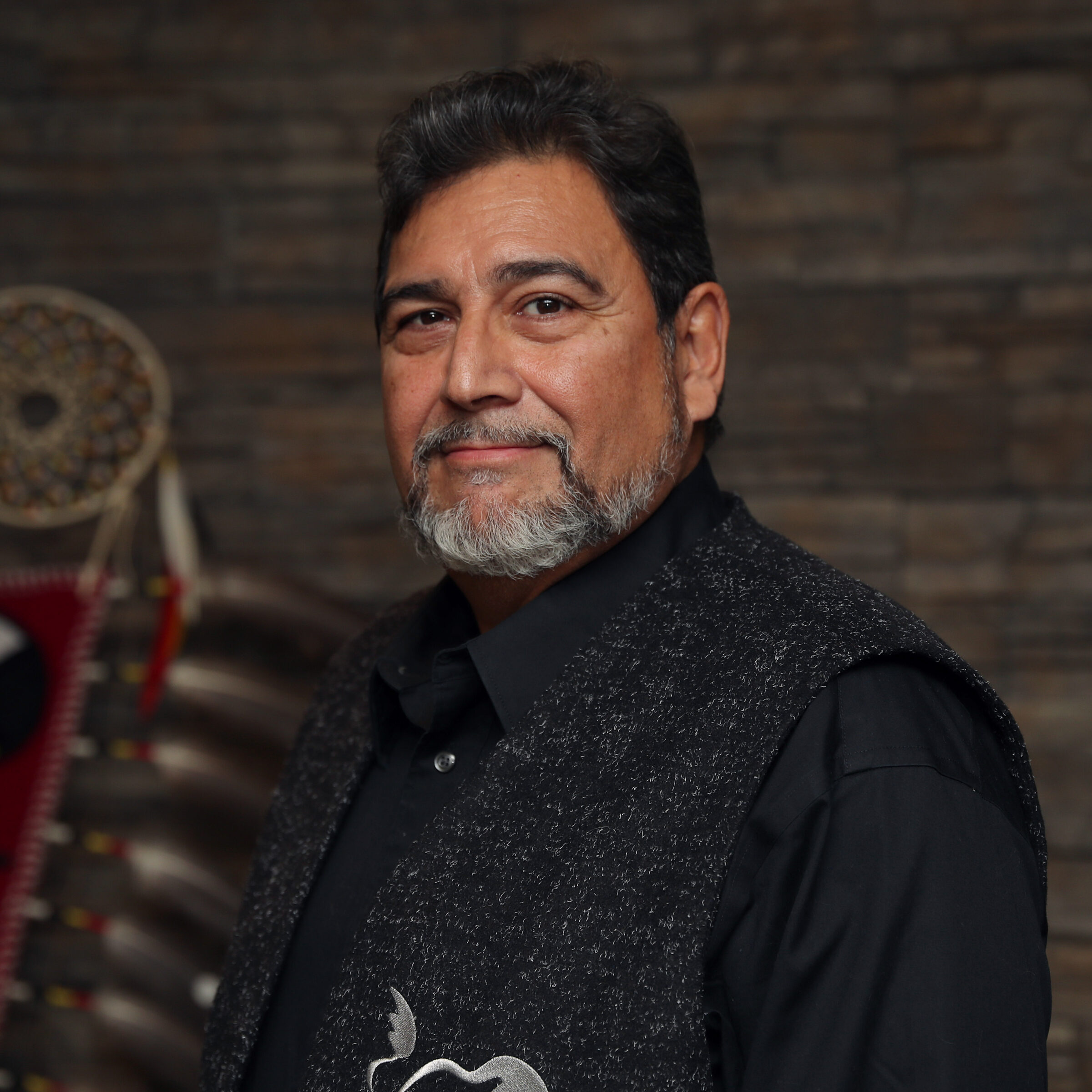
Paul Guimond

Paul Guimond is part of the Turtle Clan and his Spirit Name is Okonace (Little Eagle Bone). He lives with his wife Kim in Sagkeeng First Nation and together they have three children, 16 grandchildren and four great-grandchildren.

Elder Paul studied Counselling Skills at the University of Manitoba and is a certified coach in hockey, baseball and lacrosse.

In Sagkeeng, Elder Paul sat on Chief & Council for 20 years and served as the School Board Chairman for ten years. Elder Paul is a Sundance Bundle Carrier (Chief), Sweat Lodge Bundle Carrier (Water drum) and Dark Room Bundle Carrier. He is an active Elder with Addictions Foundation of Manitoba and Sagkeeng Child & Family Services, where he offers healing, guidance in spiritual growth and personal development through ceremony, programming and encouraging healthy relationships.

Elder Paul joined the Elder-in-Residence Program at Red River College Polytechnic in 2018.

Richard Curé

Richard is part of the Sturgeon Clan and his Spirit Name is Mashkode – Bizhiki (Buffalo Man). He is Métis and discovered the Red Road after becoming a foster parent with Sagkeeng Child and Family Services. Uncovering his Indigeneity and attending Sweat Lodges and Sundances helped Richard overcome personal adversities, such as the workplace injury that prevented him from continuing his career in mining. 

For the last three years, Richard has been a Knowledge Keeper with Sagkeeng Anicinabe High School in Sagkeeng First Nation. He takes youth out onto the land picking medicine and collecting grandfathers (sacred stones for Sweat Lodges), firewood, and tiipii poles. He and his wife Tammy have four children and four grandchildren. Richard facilitates workshops like medicine picking, hand drum building, and Sweat Lodges with multiple organizations, including Ma Mawi Wi Chi Itata Center, Sagkeeng Child and Family Services and RRC Polytech. 

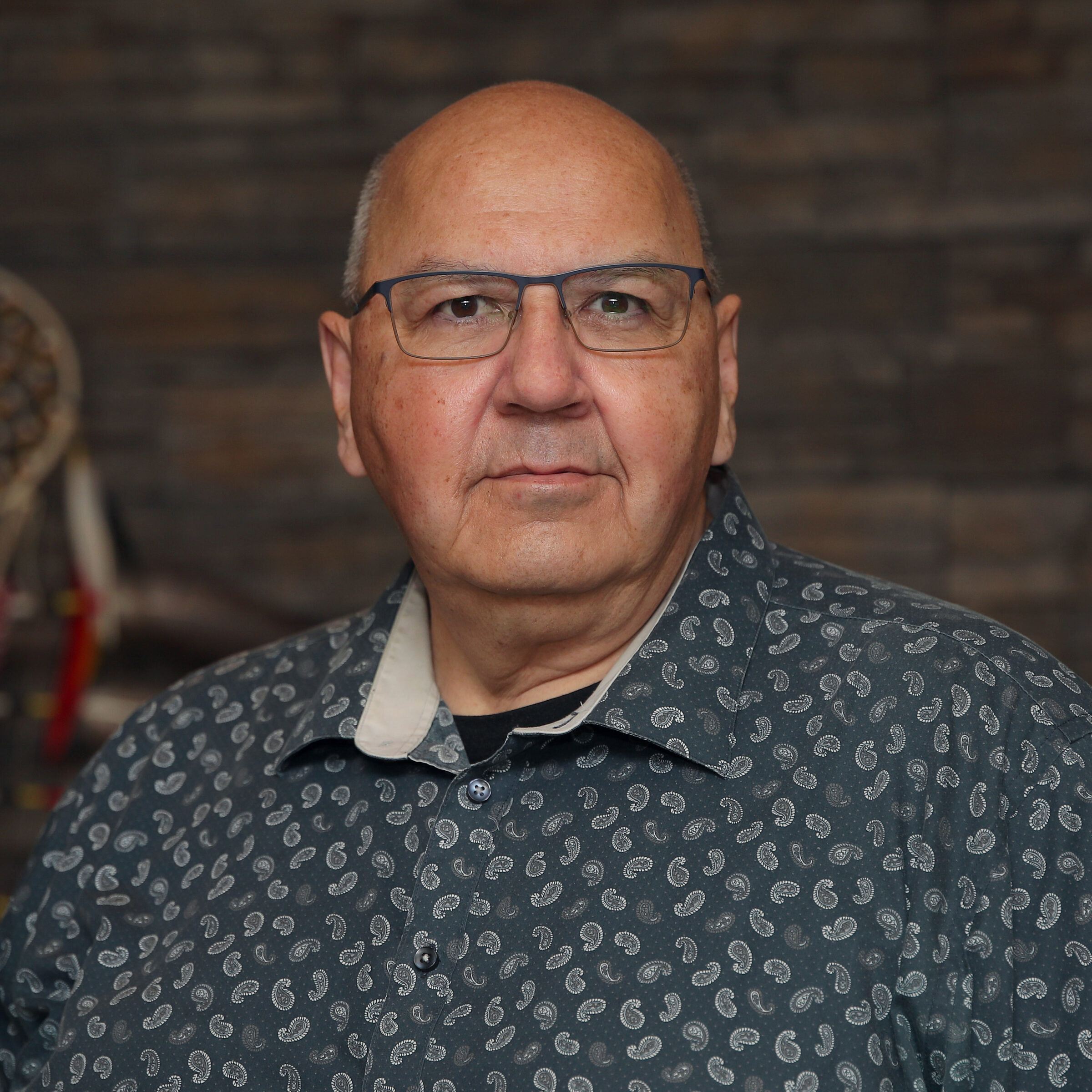
Allen Sutherland

Allen Sutherland, Waabishki Mazinazoot Mishtaatim (White Spotted Horse), Anishinaabe, of the Bizhiw Doodem (Lynx Clan), Skownan First Nation, Treaty 2 Territory.

Allen Sutherland is the Life Long Learning Lodge Keeper, Government of First Nations Treaty 2 Territory. Allen is an independent consultant and provides facilitation and training under his company WHITE SPOTTED HORSE.

In 2014, he was the recipient of the Aboriginal Circle of Educators Researcher and/or Curriculum Development Award for developing the Canadian Indigenous Historical Timeline poster that is now used in the Treaty Kits of Treaty Relations Commission of Manitoba.

Allen is an Anishinaabek Traditional Knowledge Keeper, providing traditional ceremonies, teachings, spiritual advice, and healing.

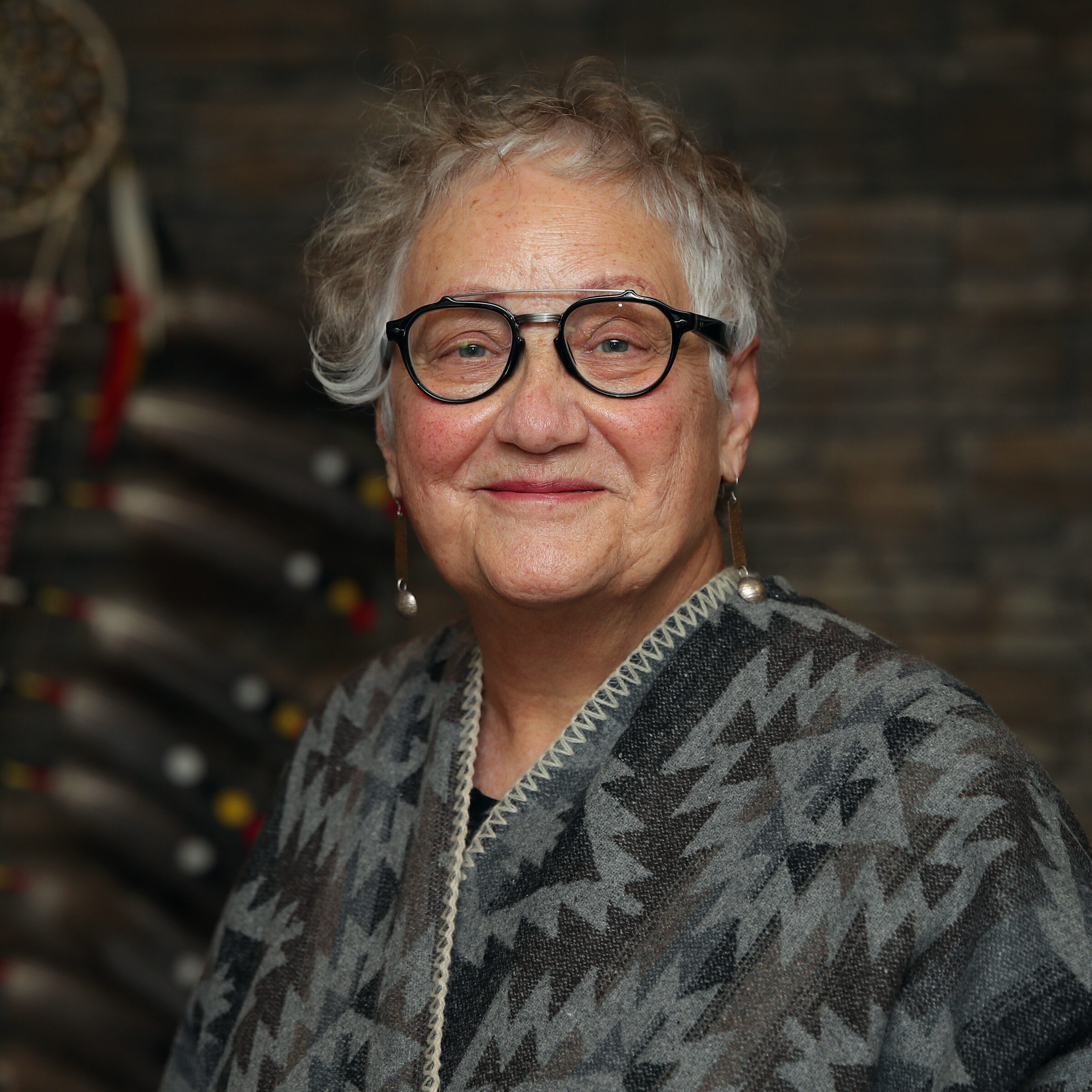
Barbara Bruce

Barbara Bruce is a citizen of the Métis Nation – Michif aen Otipemisiwak, and Two-Spirit. Her beliefs of Métis and other Indigenous traditional teachings are reflected in her 35+ years of experience. Her dedication to advancing the rightful place of the Two Spirit community, Métis and other Indigenous women and children are an integral part of her life. 

She has extensive networks and working relationships with the Métis Nation and other Indigenous and non-Indigenous leaders, organizations and governments across Canada. Her portfolio includes board appointments with the National Aboriginal Economic Development Board, the Manitoba Communities Economic Development Fund, the Canadian Council for Aboriginal Business, Top 40 Under 40, the University of Winnipeg Board of Regents and the Métis Child and Family Services Authority.

Barbara has received extensive recognition and honour for her work in cultural social justice and for her contribution to the wellbeing of Indigenous Peoples from many communities and organizations, like the Human Rights Commission of Manitoba, Sagkeeng First Nation, Keeping the Fires Burning with Ka Ni Kanichihk as a kookum, the Order of Manitoba as a 2018 inductee, and the Nellie McClung Foundation as one of the 150 Manitoba Women Trailblazers.

Albert McLeod

Albert McLeod is a Status Indian with ancestry from Nisichawayasihk Cree Nation and the Métis community of Norway House in northern Manitoba. He has 30+ years of experience as a human rights activist and is one of the directors of the Two-Spirited People of Manitoba. 

Albert began his Two-Spirit advocacy in Winnipeg in 1986 and became an HIV/AIDS activist in 1987. He was the director of the Manitoba Aboriginal AIDS Task Force from 1991 to 2001. In 2018, Albert received an Honorary Doctorate of Laws from the University of Winnipeg. 

Albert lives in Winnipeg where he works as a consultant specializing in Indigenous Peoples, cultural reclamation, and cross-cultural training.

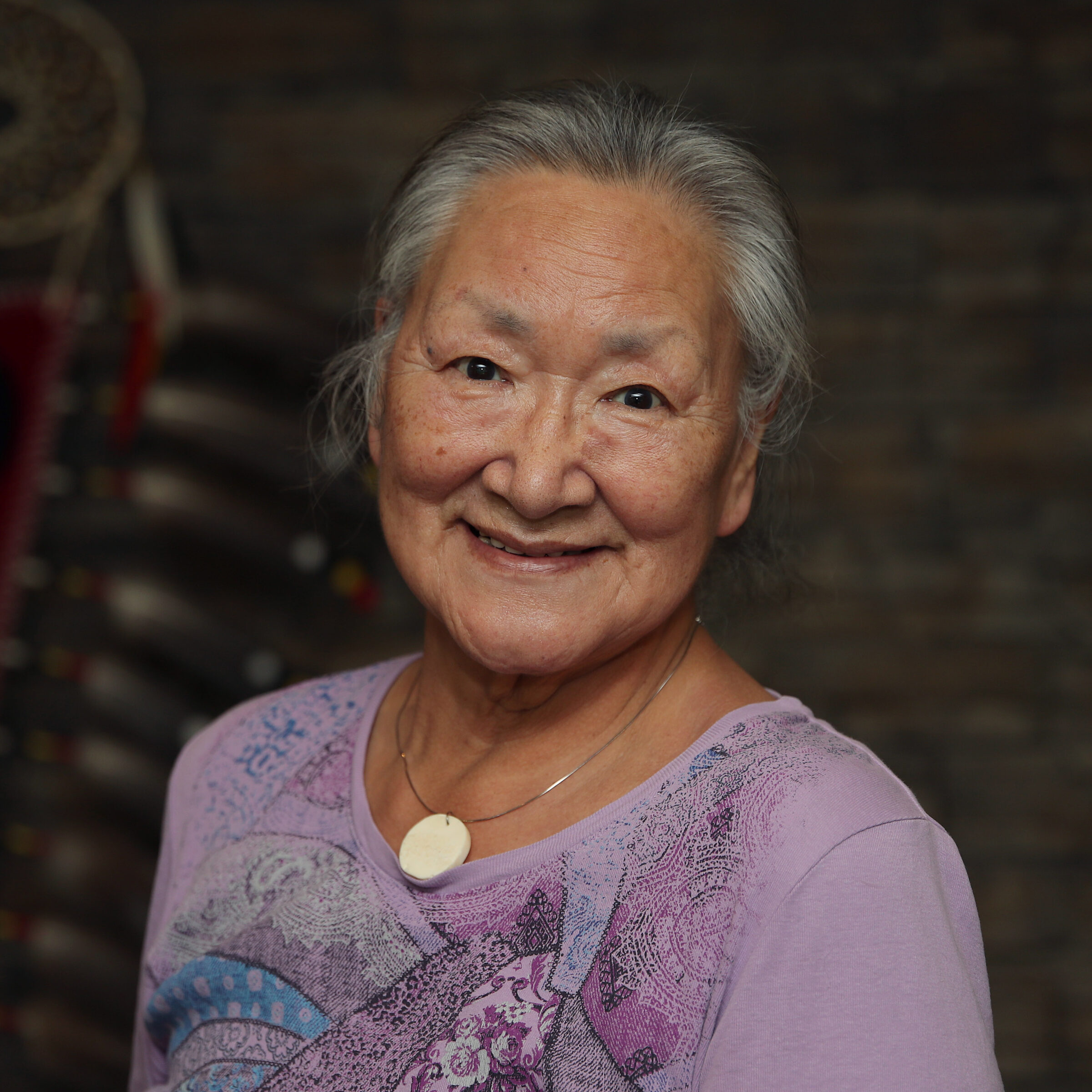
Martha Peet

Martha Peet, Inuit Elder and storyteller from Taloyaok, Nunavut, believes that telling stories is about sharing her own experiences and the traditional Inuit way of life.

Taloyaok was founded in 1948 when the HBC established a trading post. Five nomadic families moved in, including hers. Peet was born in 1950.

“I was there from the beginning. I lived in an igloo in the winter and a tent in the summer. My job as a child was collecting cotton in the summer for the wick on the seal oil [soapstone] lamp, which was fueled by blubber. I always had chores. I carried water twice a day from the lake. I made bannock and tea. We boiled our meat—seal and caribou,” she says.

As a storyteller for over 30 years, Peet enjoys sharing stories about her life, where she is from, and the Inuit way of life of years ago including the importance of animals and traditions.

Janice Millar

Janice Millar was born and raised in Winnipeg to an Inninew mother and Métis father, growing up with four sisters. Today, she’s a proud mother of five and grandmother of three.

Grandmother Janice received a Bachelor of Education and Post Baccalaureate in Counseling at the University of Manitoba. For 37 years, she worked at the Winnipeg School Division as a counselor and support for Indigenous students in addition to her work with teachers, vice principals, principals, directors and school board committee members. She has recently retired and continues her work in the community.

“The foundation of my work was to clear a path to build student success, with the end result of creating equitable learning environments for all students. I was schooled in Western Education—I was also schooled in Indigenous Education by the old people. I have recently joined the Indigenous Student Support Team at Red River College Polytech. I enjoy working with students here, and I am looking forward to this new journey and getting to know the students.”

Ivy Chaske

Ivy Chaske is a Dakota Kunshi, or Grandmother, that recently joined the Knowledge Keepers Council to offer her perspective on initiatives around the College.

We’re very excited to welcome Grandmother Ivy to the College and we’re looking forward to working with her.

The fifth annual Truth and Reconciliation Week

October 11, 2023

We would like to extend chi-miigwech to the nearly 90 volunteers.

Every single person that volunteered helped make this Truth and Reconciliation Week the most comprehensive and expansive we’ve had yet.

The College community turned out to 16 in-person events across all campuses and tuned into countless other self-guided resources, including articles, books, videos, and seminars and actively engaging in the shared responsibility we have to Truth and Reconciliation.

Special thanks to our invited guests Elder Allen Sutherland, Tanya Clark-Marinelli, Elder Aaron Pierre, Fawnda Neckoway, Dawn Chartrand, Douglas Sanderson, Andrew Stobo Sniderman, and Maureen Twovoice for joining us for various sessions that helped create deeper connections and understanding as a community.

As we know, Truth and Reconciliation is a year-round commitment, so we invite members of the College community to utilize these upcoming opportunities:

Indigenous Research Methodologies with Dr. Ramona Neckoway

This Friday, October 13 from 10am-12pm at the Roundhouse Auditorium, join us for a session part of RPI’s Indigenous Perspectives in Applied Research Series with Dr. Ramona Neckoway, Associate Vice-President Indigenous Initiatives and Reconciliation, University College of the North. The session is co-hosted by Research Partnerships and Innovation and Truth and Reconciliation and Community Engagement, and will include welcome remarks, a talk from Dr. Neckoway and a discussion period. To register, email Chelsea Welechenko at cwelechenko@rrc.ca as space is limited.

Truth and Reconciliation Community of Practice

The Truth and Reconciliation Community of Practice is a learning community that creates opportunities for staff and faculty to extend and apply their learning, and to take action to advance Truth and Reconciliation and anti-racism. Participation will involve a commitment of 10-12 hours throughout the fall, including group discussion and small group or partner discussions, focused on guided questions that relate to both Truth and Reconciliation and anti-racism. Learn more and sign up here.

Welcome Back Celebration – Oct. 11

September 15, 2023

Join the Indigenous Student Support Team for a fun-filled day of activities, entertainment, and food!

Take the opportunity to meet fellow students, introduce yourself to support personnel, and enter to win prizes!

The Indigenous Support Centres at NDC in F209 and at EDC in P407 will be open for the celebration with baked goods, coffee, pizza, and pop all throughout the day. Please come and go as your schedule allows.

  • Wednesday, Oct. 11 • 10am – 2pm
  • F209, Notre Dame Campus
  • Wednesday, Oct. 11 • 10am – 2pm
  • P407, Exchange District Campus

The event is free of charge and open to all RRC Polytech students.

RRC Polytech campuses are located on the lands of the Anishinaabeg, Ininiwak, Anishininwak, Dakota Oyate, and Denésuline, and the National Homeland of the Red River Métis.

We recognize and honour Treaty 3 Territory Shoal Lake 40 First Nation, the source of Winnipeg’s clean drinking water. In addition, we acknowledge Treaty Territories which provide us with access to electricity we use in both our personal and professional lives.