Research Partnerships and Innovation

Research Partnerships & Innovation

BETAC

Healthy Buildings, Better Care: Piloting Building Performance Evaluations in Manitoba Long-Term Care Facilities
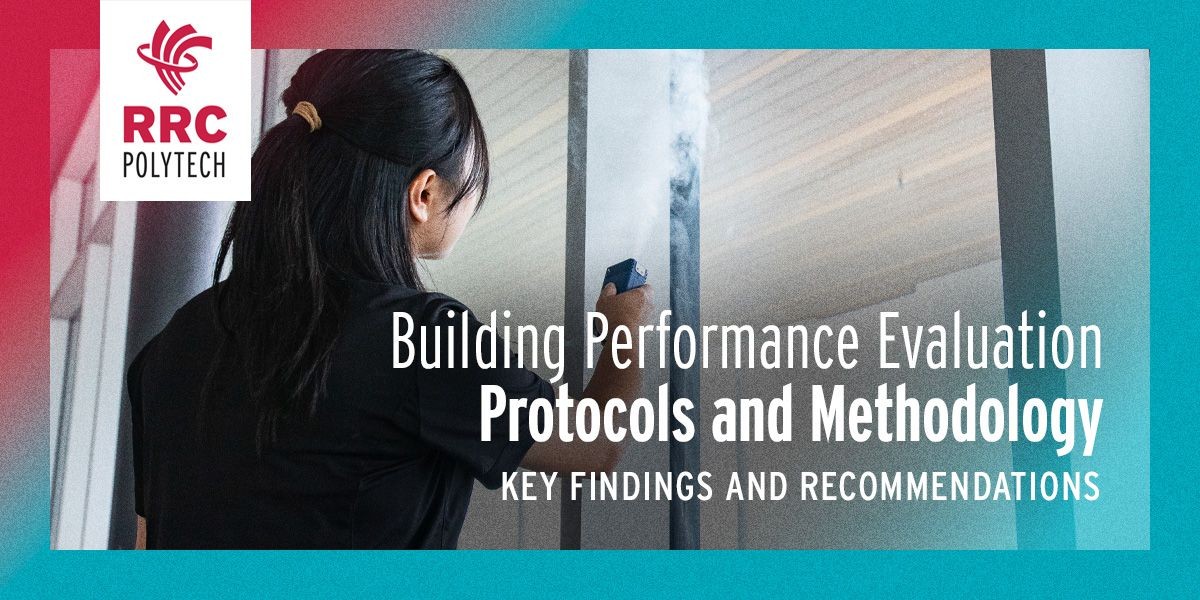
January 20, 2026


RRC Polytech is hosting a knowledge sharing event focused on strengthening collaboration between health and building sectors to improve long-term care facility performance and enhance resident well-being through evidence-based strategies.

This event, presented in-person and virtually via Zoom, will share findings from a recent applied research project examining Building Performance Evaluations (BPEs) in long-term care environments, followed by a panel discussion.

It is intended for professionals across health care, facilities management, design, policy, and research who are interested in improving outcomes in long-term care environments.

DATE:

Thursday, January 29, 2026

TIME: 

2:00 p.m. to 3:30 p.m. CST

IN-PERSON VENUE:

RRC Polytech Notre Dame Campus, 2055 Notre Dame Avenue, Winnipeg

Building A – Room A406 (click for campus/parking map)

VIRTUAL ACCESS:

Via Zoom: Link will be provided upon registration

ALL PARTICIPANTS ARE KINDLY ASKED TO REGISTER AT THE LINK BELOW:


ABOUT THE EVENT

Buildings impact more than the environment: they also have a major influence on the health, wellness and comfort of the people who occupy or work in them. It is evident that many facilities perform very differently than intended. Unfortunately, these building performance problems often are neither identified nor addressed.

The COVID-19 pandemic’s disproportionate impact on residents in long-term care exposed serious vulnerabilities in the design and day-to-day operation of these types of facilities. There is a clear need to rethink how long-term care environments are planned, delivered and managed.

Join RRC Polytech’s Building Efficiency Technology Access Centre (BETAC) and Department of Nursing to explore Building Performance Evaluations (BPEs): what they are, how they work, and how they can support better outcomes for long-term care residents and healthier, more productive work environments for staff.

You’ll hear key findings and recommendations from a BETAC-led project that developed practical BPE tools tailored to the long-term care context, including results from a pilot of these tools in six Manitoba long-term care homes.

The event concludes with an expert panel and audience Q&A focused on how governments, owners/operators, health care professionals and the building industry can use BPEs to:

  • make better, evidence-based decisions about how to improve building operation and maintenance practices
  • guide investments in the design, construction and retrofit/renovation of long-term care facilities to maximize the health and wellness of residents and staff

EVENT AGENDA

Welcoming and Opening Remarks

Alireza Kaboorani, Ph.D.

Director | Building Efficiency Technology Access Centre (BETAC) | Research Partnerships & Innovation | RRC Polytech

Shauna Mallory-Hill, Ph.D. M. Arch B.E.S.

University of Manitoba | Faculty of Architecture | Associate Dean, Research | Associate Professor, Department of Interior Design

An Introduction to Building Performance Evaluations (BPEs)

Learn what a BPE is, how it works and why it should be (but seldom is) a standard part of new construction and major retrofit or renovation projects in long-term care facilities and other buildings.

Ken Klassen, C.E.T.

President | Infotechnika

Lesson Learned: BPE Pilot in Manitoba Long-Term Care Homes

Discover the key findings and resulting recommendations from BETAC’s development of tools for BPEs in long-term care homes and the results from piloting them in six Manitoba facilities.

Chang Liu

Research Technologist | Building Efficiency Technology Access Centre (BETAC) | Research Partnerships & Innovation | RRC Polytech

Jennifer L. Morin, R.N. M.N. C.A.E.

Nursing Instructor/Researcher | School of Health Sciences | Department of Nursing | RRC Polytech

Panel Discussion + Audience Q and A

Hear panelist reflect on the findings of RRC Polytech’s BPE research in the long-term care sector and discuss topics such as:

  • What next steps should be taken to avoid building performance problems that negatively impact residents and staff?
  • Should BPEs become a mandatory requirement for new and renovated facilities?
  • How do we increase collaboration between professions that design, build or renovate and operate these facilities and the health care professionals who manage and operate them and serve their residents?
  • What are the greatest opportunities (and barriers) to creating healthier indoor environments Manitoba’s long-term care sector?

Moderator:

Shauna Mallory-Hill

University of Manitoba

Panelists:

Jerald Peters

ft3 Architecture Landscape Interior Design

Craig Doerkson

Shared Health – Soins Communs

Sue Vovchuk

Long-Term and Continuing Care Association of Manitoba

Closing Remarks

Optional In-person Tour

Following the event, join a tour of RRC Polytech’s Interdisciplinary Health and Community Services Simulation Centre


MEET THE SPEAKERS

Shauna Mallory-Hill

Dr. Shauna Mallory-Hill, Associate Professor at the University of Manitoba’s Faculty of Architecture, has more than 25 years of experience teaching and researching building systems, universal and sustainable design, as well as building performance evaluation.

A major focus of her research is on how sustainably designed environments impact human health and productivity.

Mallory-Hill’s building evaluation work has been presented internationally and published in several journals and books including Enhancing Building Performance published by Wiley-Blackwell.


Alireza Kaboorani

Alireza Kaboorani has been serving as the Director of the Building Efficiency Technology Access Centre at RRC Polytech since November 2019.

With over 25 years of experience, he has excelled in planning and spearheading research initiatives in diverse academic and industrial settings.

His areas of expertise encompass building envelope, building science, and the development of advanced building materials and biomaterials.


Ken Klassen

Ken Klassen of Infotechnika is a Winnipeg-based engineering technologist with more than four decades of experience advancing the performance and sustainability of homes, buildings and communities in Manitoba, across Canada, and internationally.

He first became involved in Building Performance Evaluations (BPEs) in 2008.  As part of a Canadian team, Ken help assess green building projects across the country and benchmarked the results against leading projects worldwide.

Ken has played a key role in supporting RRC Polytech’s Building Efficiency Technology Access Centre (BETAC) applied research to pilot the use of of BPEs in Manitoba’s long-term care facilities.


Jerald Peters

Jerald is passionate about healthcare design, starting with his graduate thesis on seniors and long-term care housing two decades earlier.

As a principal and the Healthcare Lead at ft3, Jerald advances projects focused on wellness and evidence-based outcomes, strongly advocating that design should improve the lives of those it impacts, and shifting the philosophy away from sustaining lives to enhancing them.

He is a regular attendee and presenter at healthcare conferences and contributes to white papers on topics related to long-term care, acute care, and staff retention. 


Craig Doerkson

Craig is the Executive Director of Capital, Clinical Engineering & Facilities Management for Manitoba’s healthcare coordinating agency Shared Health. In this role he is responsible for leading the provincial multi-year planning of all capital, supporting project delivery and setting the standards for provincial FM operations.

Craig is the Immediate Past President of the Canadian Healthcare Engineering Society, and an active member of several Canadian Standards Association subcommittees including the HVAC, Medical Gas Standard, Z8003 Research and Post Occupancy Evaluation, Z8004 Long Term Care Operations and IP&C and the new Z8008 Assessment of Health Care Facilities Services and Building Systems.

He has continued to pursue learning and challenging himself following his B.S. in Energy Systems Engineering he obtained his Professional Engineer designation, a Masters in Facility Management, CFM (IFMA), CEM (AEE) and CHES’ CCHFM designation.


Sue Vovchuk

Sue Vovchuk has over 30 years of experience working with seniors in Manitoba in both frontline and leadership roles. She brings extensive knowledge of public housing, home care, long term care, supportive housing, personal care homes, and assisted living.

A committed and compassionate leader, Sue has built strong relationships with all levels of government and Manitoba’s five Provincial Health Authorities.

As Executive Director of the Long Term Care Association of Manitoba, she is passionate about building partnerships that strengthen current and future care environments for seniors and looks forward to collaborating with provincial, national, and international partners.


Jennifer L. Morin

Jennifer Morin (Otto) is a Manitoba-born registered nurse whose work and studies have taken her across urban, rural, and remote communities throughout the province. She holds a Bachelor of Nursing and a Master of Nursing from the University of Manitoba, as well as a Certificate in Adult Education from Red River College Polytechnic.

Jennifer’s academic and professional work focuses on advancing ecoliteracy within nursing education.

She collaborates with interdisciplinary partners to integrate planetary health into nursing curricula and within Canada’s public health care system — strengthening the profession’s capacity to address climate-related health challenges.


Chang Liu

Chang Liu is the Research Manager at the Building Efficiency Technology Access Centre (BETAC) within Red River College Polytechnic in Winnipeg.

Specializing in building performance and thermal efficiency, she has led significant applied research projects focused on building envelope durability, moisture management, and indoor air quality (IAQ). 

For this project, she works in collaboration with the Nursing Department. She manages IAQ data collection, sensor-based analysis, and the identification of performance gaps to recommend design and operational improvements.

These findings were presented at the 2025 Canadian Gerontological Nursing Association Biennial Conference and the 2025 Association of Regulated Nurses of Manitoba Conference.


RRC Polytech named a top research college in Canada – leading annual research rankings in innovative solutions and partnerships

December 5, 2025

Led by a high volume of industry and community partnerships and innovative solutions resulting from completed applied research projects, RRC Polytech has once again been designated a top research institution in the country. Released earlier this week, Re$earch Infosource’s annual ranking of the country’s top 50 research colleges, reinforces RRC Polytech’s leadership role in the innovation ecosystem and its commitment to helping create economic prosperity for all Manitobans through collaboration. 

“These current rankings reflect RRC Polytech’s collaborative approach and industry and community relationships are resulting in practical solutions for our partners,” said Jamie Wilson, Vice President, Indigenous Strategy, Research and Business Development at RRC Polytech.

RRC Polytech is the only post-secondary in Canada that integrates research into its Indigenous Strategy portfolio, underscoring its unique commitment to social innovation and Indigenous growth alongside its strong industry focus. The data outlined in Canada’s Innovation Leaders 2025  suggests that local businesses are responding and eager to work together on projects that tackle complex global challenges.

RRC Polytech ranked first among Canada’s medium-tier colleges in completed research projects with 158 and second in total research partnerships with 150. Total industry research income jumped 21.7 percent in fiscal 2024, indicating an increasing trust among businesses in the Polytech’s reputation for consistency and productivity.

“Regardless of the size or scope of the project – from entrepreneurs in search of support to launch and grow their business idea to established enterprises looking to integrate AI, adopt automation or explore transitioning to low carbon – Manitobans can count on our technology, facilities, and expertise to provide affordable and effective problem-solving,” said Wilson.  

The applied research activities that connect staff, faculty, and students across all of RRC Polytech’s campuses are orchestrated by its Research Partnerships & Innovation (RPI) enterprise. RPI oversees an ever-expanding suite of leading-edge facilities and resources and coordinates projects that seek groundbreaking new processes and products.

For example, the award-winning Prairie Research Kitchen (PRK) has partnered with Protein Industries Canada (PIC) and the Manitoba Métis Federation (MMF) to explore agri-food opportunities and address barriers to food security in rural and remote communities in Manitoba.

The Centre for Automation and Manufacturing Technology Transfer (CAMTT), located at the Polytech’s Price Institute of Advanced Manufacturing and Mechatronics focuses on transitioning to Industry 4.0 technologies like robotics, automation, and AI.

From testing heat pumps to developing a diesel-to-electric conversion kit for school buses, research teams at the Building Efficiency Technology Access Centre (BETAC) and Vehicle Technology & Energy Centre (VTEC) work with various partners to demonstrate how electrification can save energy and support a greener, more sustainable future.

While RRC Polytech’s Technology Access Centre for Aerospace and Manufacturing (TACAM) has developed unique non-destructive inspection capabilities to support additive manufacturing quality assurance, aerospace composite evaluation, and even fire investigations in Manitoba. TACAM is also home to the province’s first full-scale Laser Powder Bed Fusion (LPBF) system, advancing high-quality prototyping, process optimization, and sustainable tooling innovations for companies such as Precision ADM and Dimatec Inc.

“Through an incredible breadth of applied research collaborations, we’re solving real-world problems for our partners at all stages, from growth and productivity to adopting new tech and creating more sustainable processes – all while training tomorrow’s workforce to be more adaptable and embrace emerging technology,” said Dr. Jolen Galaugher, Executive Director of Research Partnerships & Innovation at RRC Polytech.

“Our ongoing and determined efforts to build networks that share knowledge and resources will continue to increase our capacity to lead innovation in Manitoba and beyond, driving economic growth and prosperity for everyone.”

Learn more at rrc.ca/research.

About the Rankings
Re$earch Infosource annually ranks Canada’s top research colleges based on performance metrics such as research income, partnerships, and completed projects. Institutions are categorized by size to ensure accurate comparisons. RRC Polytech consistently ranks among the top performers in the medium-tier category, earning recognition for its research excellence, innovation, and industry impact.

Read more on this year’s theme Research for Canada’s future and the future of Canadian research  at Canada’s Innovation Leaders 2025

RRC Polytech adds exclusive new tools to its Building Efficiency Technology Access Centre

July 11, 2025

RRC Polytech is using federal funding announced this week to enhance the research capacity and innovation potential at its Building Efficiency Technology Access Centre (BETAC). The funding awarded by the Natural Sciences and Engineering Research Council of Canada (NSERC) enables BETAC to become the first in Canada to acquire advanced equipment that improves the accuracy and efficiency of retrofit planning.

“The new equipment will help to reduce risks, improve cost-efficiency in design, and accelerate innovation by providing detailed, reliable data on building conditions so that we can better support our industry and community partners,” said Dr. Alireza Kaboorani, Director at RRC Polytech’s Building Efficiency Technology Access Centre. “It will also enable BETAC to test and validate novel retrofit solutions in both laboratory and real-world environments.”

Leading-edge tools like the Sorama CAM for detecting building inefficiencies; the Nexys LiDAR system for precise building assessments; and the TRSYS20 system for accurate thermal resistance measurements will directly support BETAC’s ongoing projects such as the Gordon Bell High School retrofit and other heritage building upgrades across the province.

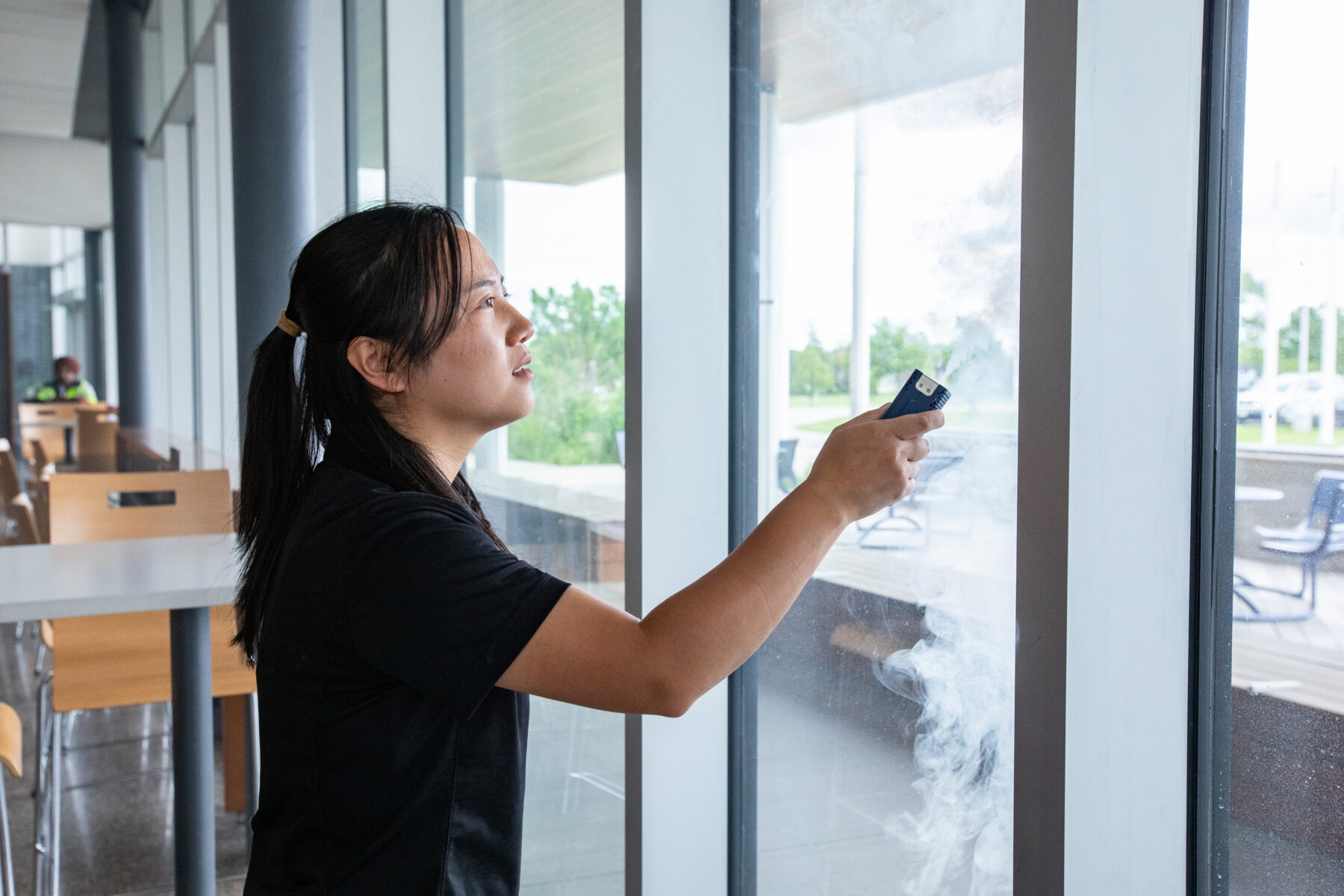
a person using a vapour device to test the efficiency of a window

The investment also aligns with sustainable housing goals by enhancing retrofit precision, supporting affordable housing initiatives, and fostering cross-disciplinary collaboration among architects, engineers, and researchers.

“By supporting research that fuels technological progress and economic growth, this investment ensures impactful collaboration between partners, benefiting industries, communities, and Canadians alike,” said Professor Alejandro Adem, FRSC, President, NSERC, in the government release.

The announcement included a total investment of $29.82 million through the College and Community Innovation (CCI) program, as part of a national strategy to strengthen the ability of colleges, CEGEPs and polytechnics to drive cutting-edge advancements, promote meaningful partnerships that create lasting impact, and ultimately bolster the Canadian economy.

BETAC was awarded a $200,000 Applied Research Tools and Instruments (ARTI) grant which provides funding for Canadian colleges to acquire essential research equipment, strengthen partnerships with industry, public, and health organizations while offering hands-on training opportunities for students.

“Manitoba’s rich history has endowed us with incredible infrastructure and stunning architecture, but it requires a significant commitment from all stakeholders to preserve and protect,” said Kaboorani. “Retrofits not only extend the life of heritage structures but can transform them into modern, energy-efficient and sustainable works of art. The new technology acquired with this funding combined with BETAC’s expertise will save time and money which are critical to the success of our partners across the sector.”

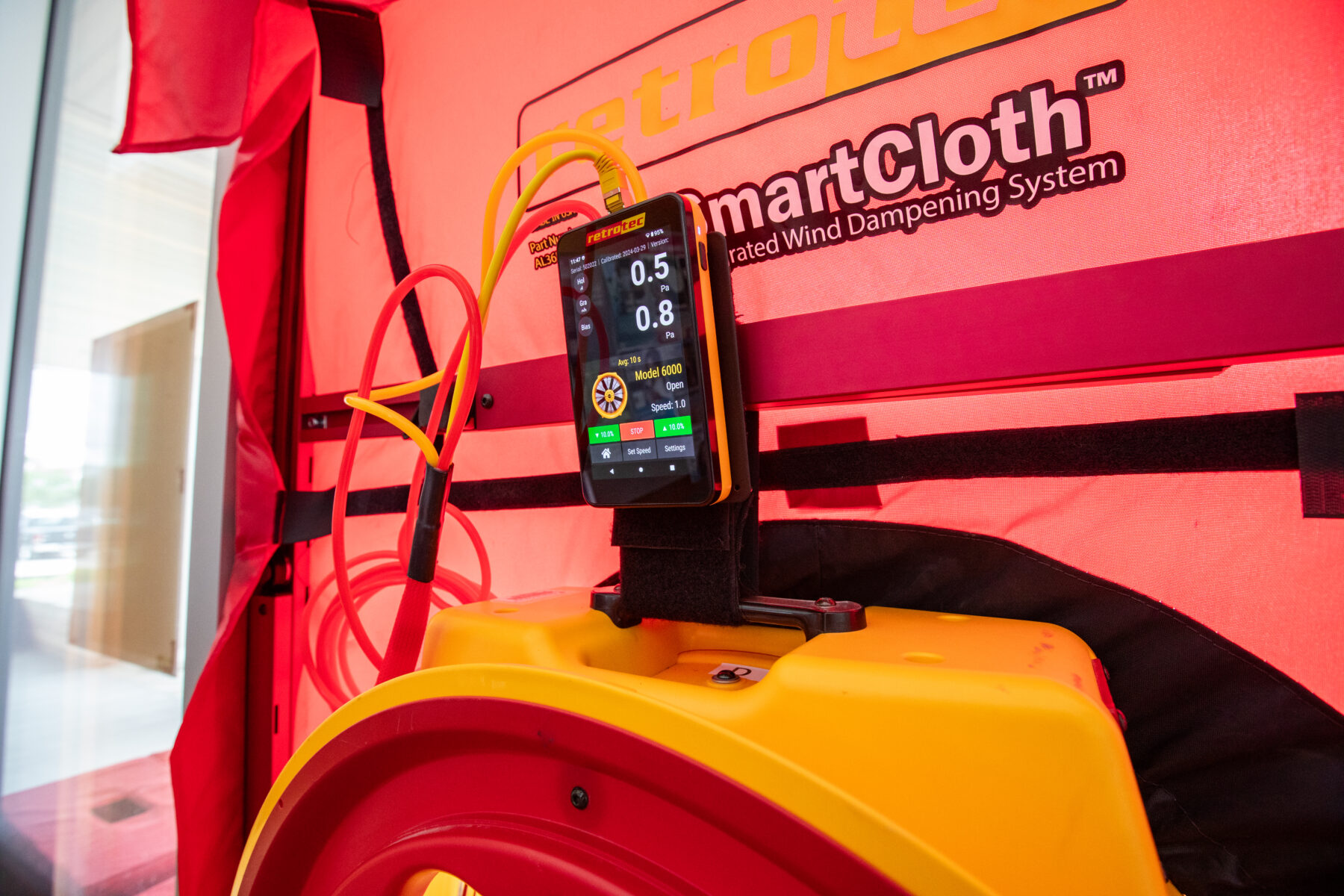
closeup of digital equipment testing building efficiency

RRC Polytech’s partnership with Les Verts Living continues to produce success

January 11, 2024

Innovative hydroponic growing system now in use at the Paterson Globalfoods Institute (PGI) promotes sustainability and offers solutions to offset rising grocery costs

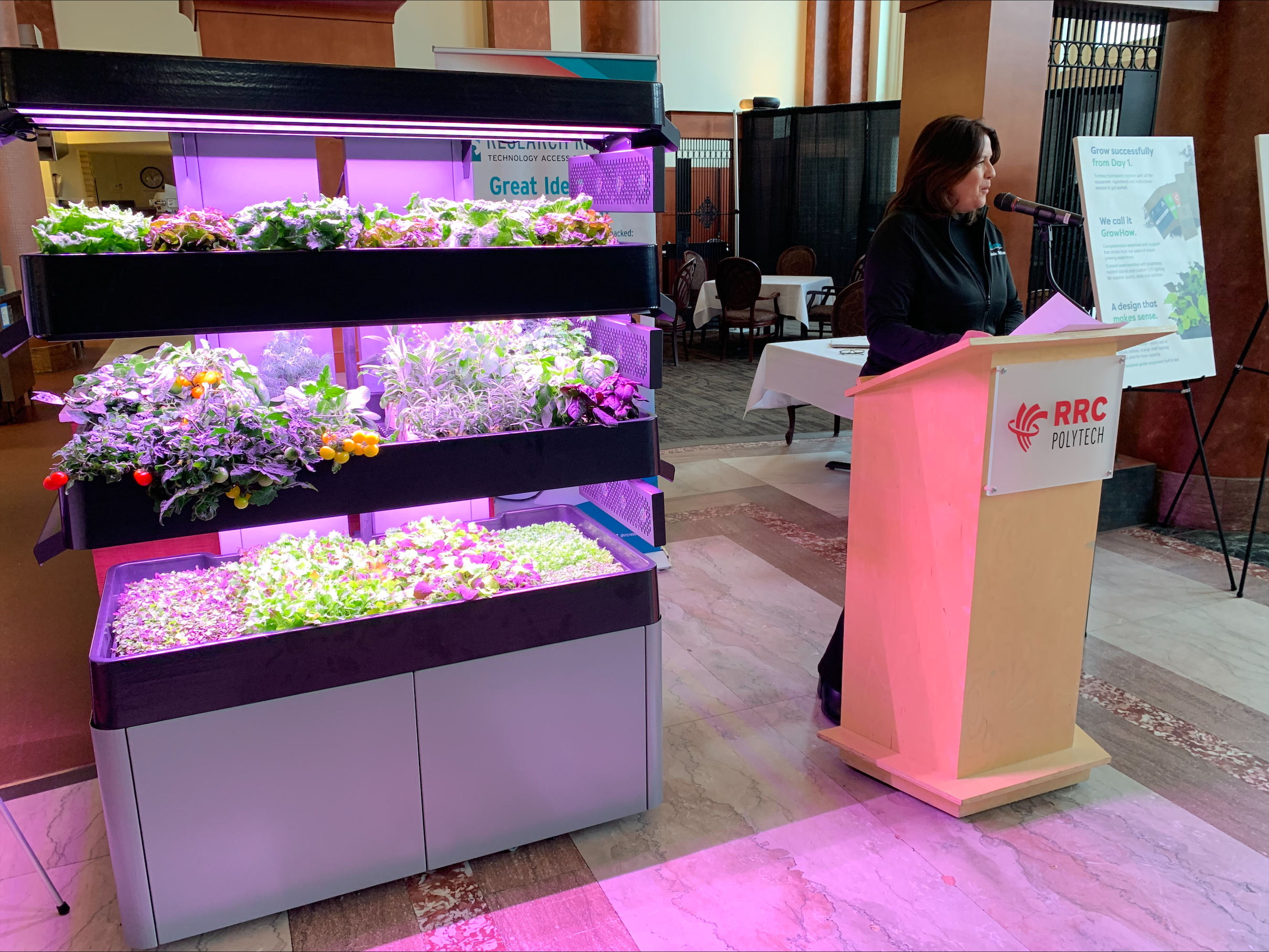
Les Verts Living originally partnered with RRC Polytech to help develop a prototype of its innovative soil-free and pesticide-free hydroponic growing system called the Terrace Pro – taking advantage of the resources and expertise available at the College’s Technology Access Centre for Aerospace and Manufacturing (TACAM), Prairie Research Kitchen (PRK), and Building Efficiency Technology Access Centre (BETAC).  

Now with its final product on the market, Les Verts Living is extending the partnership by sharing one of its Terrace Pro units with RRC Polytech to support Culinary Arts students with access to fresh, gourmet produce while they pursue their education. Housing the unit at the Paterson Globalfoods Institute (PGI) will also allow the PRK team to continue researching how to optimize its performance in a commercial setting while developing recipes that highlight the delicious living lettuce, fragrant herbs and hyper-nutritious microgreens and baby greens produced in the Terrace Pro.

“Through our technology, facilities and expertise, the College is uniquely positioned to bring these types of project ideas to life for our industry partners while training the workforce of tomorrow,” said Fred Meier, President and CEO of RRC Polytech. “This project demonstrates the power of partnership and the value of applied research in propelling our province’s economy forward.”

Learn more about the project

RRC receives grant to support building performance project for long-term care housing

September 14, 2021

Red River College (RRC) has received a Natural Sciences and Engineering Research Council of Canada (NSERC) College and Community Social Innovation Fund (CCSIF) grant.

The grant supports a three-year project led by RRC’s Building Efficiency Technology Access Centre (BETAC) to provide building performance evaluations (BPE) and post-occupancy evaluations (POE) for existing and new long-term care homes (LTCHs) in Manitoba.

The built environment is a contributing factor for health outcomes, for example, poor air quality can be detrimental for people living with respiratory conditions. Additionally, poor air circulation can be connected to the spread of COVID-19.

The pandemic’s disproportionate impact on long-term care residents, highlights underlying issues and the need to re-think the design, construction, and operation of LTCHs.

With approximately 10,000 residents currently living in LTCHs in the province – and the number of long-term care beds required in Manitoba projected to drastically increase by 2035 – the building performance project is an important initiative that will help inform critical improvements, impacting lives of long-term care residents.

“Students from RRC’s Nursing, Architectural Engineering Technology and Construction Management programs are working in tandem with industry partners, which gives them a unique opportunity to develop their skillsets as they relate to industry and other program areas,” says Arnold Boldt, Executive Director, Academic, Red River College.

“The project not only provides students with applied knowledge for their future careers, but students are also getting the opportunity to help improve the lives of older adults in the community.”

The project has a strong interdisciplinary approach, engaging local industry partners – Efficiency MB, fT3 Architecture, MMP Architects Inc., and the University of Manitoba – alongside BETAC and RRC students. The interdisciplinary team is undertaking BPE, POE as well as using qualitative measures, including resident surveys, to determine perceived quality of life in the built environment.

The project brings to light the challenges of a global aging population, and how it relates directly to residents in LTCHs in Manitoba.

“The College and Community Innovation program provides innovative solutions for local and regional challenges through the expertise of Canadian colleges. On behalf of the Tri-agency, I would like to congratulate all college recipients and their industry and community partners who provide social, economic and environmental benefits to communities of all sizes across the country,” says Alejandro Adem, President, Natural Sciences and Research Council of Canada.

BETAC staff, industry partners, and RRC students are currently working on the first phase of the building performance project. In addition to BPE, the project also uses POE, an area where there’s currently a lack of data for LTCHs, helping generate benchmarks.

The project’s reach will extend beyond provincial borders, through building awareness and sharing findings at national conferences and online webinars.

Testing Artspan Inc.’s one-step building envelope solution

July 5, 2021

Artspan Inc. (Artspan) is a company based out of Winkler, MB, that designs, manufactures, and distributes structurally insulated panels (SIP). Artspan provides a one-step building envelope solution for residential, commercial, and industrial applications.

The company had previously conducted airtightness testing on completed houses, thermal testing on its insulation foam, and a variety of fire and structural testing. The Building Efficiency Technology Access Centre (BETAC) at Red River College performed further testing through an Engage Grant project, with financial support from the Natural Sciences and Engineering Research Council of Canada (NSERC).

The Engage Grant project with Artspan took place between 2018 and 2020, with the objective of conducting a performance assessment of the company’s panelized system and window installation details. Testing was broken down into three parts: air leakage and water penetration, air tightness and energy modelling, and thermal performance assessment.

Air Leakage and Water Penetration Testing

Air-Water-Structural (AWS) Test Chamber

Air-Water-Structural (AWS) Test Chamber

As mentioned, Artspan had previously conducted tests on its structurally insulated panels; However, testing of the panel joints (wall-to-floor, panel-to-panel, and floor-to-ceiling) and the window-wall interfaces had been limited. Resistance to air and water infiltration at these points is critical in cold and mixed climate zones, with regards to the building envelopes’ durability and its energy efficiency.

Experimental testing took place in the RRC Centre for Applied Research in Sustainable Infrastructure (CARSI), using the Air-Water-Structural (AWS) Test Chamber, to conduct air leakage and water penetration testing on three test walls.

Air Tightness Testing and Energy Modelling

The project also included a whole building air leakage test and energy modelling of the Artspan office building, located in Winkler, MB.

The overall objectives of the tests were two-fold:
a) To measure the airtightness of the office building built with Artspan SIP panels both during and post-construction.
b) To expand the general knowledge base on the airtightness characteristics of commercial-style buildings in Manitoba.

Air leakage in a building can never be eliminated. However, it can be managed and controlled within limits to minimize several potential issues, including:

  • Excessive energy costs, for both heating and cooling.
  • Poor occupant comfort – cold drafts, poor air quality, and inadequate temperature control.
  • Negative impacts upon the HVAC system which can degrade its efficiency.
  • Damage to the building and its component materials from moisture-related mechanisms of deterioration.

BETAC’s research personnel conducted the Standard Test Method for Measuring the Air Leakage Rate of a Large or Multizone Building, with two airtightness tests using the Envelope Protocol. The first test was conducted during construction – building was near completion with installed windows, drywall, and HVAC. The second airtightness test was conducted once the building had been completed, transported to its location, and was occupied.

Test results of the Artspan Inc. office building air tightness and energy modelling were plotted alongside values for various new and existing commercial buildings in Manitoba.

Thermal Performance Assessment

The final portion of the Artspan project was conducting a thermal performance assessment of the insulation used in their SIP. The purpose of this testing was to compare results from newly produced samples (one month) to aged samples (six years).

Four samples were provided for thermal testing – two aged for one month, and two aged for six years. The Netzsch Heat Flow Meter was used to test the panel foam by determining the thermal resistance of each insulation sample.

After the Engage Grant project was complete, BETAC research staff had an Interactive Visit with Artspan to conduct additional thermal testing on different versions of their panel foam.

RRC works with Canadian Colleges for a Resilient Recovery to help build Canada back better

March 4, 2021

Red River College is proud to be a founding member of Canadian Colleges for a Resilient Recovery (C2R2), a group of climate-action leading colleges, Cégeps, institutions, and polytechnics from across Canada who have joined forces to educate a post-pandemic workforce to support a new climate-focused economic recovery.

C2R2 champions projects across Canada to:

  • support a recovery that delivers good jobs
  • positively impact for the environment, and
  • address socio-economic inequality.

By working together, colleges can help lead the transition to a clean economy. With a vision to build back better from the COVID-19 crisis, colleges are positioned to quickly develop thousands of training and research opportunities to help Canadians access good jobs, support the transition to the low carbon economy, and foster inclusion, diversity, and equity.

Alignment with current research programs

Through the leadership of Research Partnerships & Innovation, RRC has existing research programs that align with the coalition’s focus goals, such as RRC’s extensive electric vehicle applied research experience – particularly cold-weather performance, battery-pack redesign, redevelopment, and secondary use.

RRC’s Building Efficiency Technology Access Centre (BETAC) provides relevant industry training and applied research. BETAC has an array of specialized equipment that can enable and support energy efficient buildings.

C2R2 is working together to support the rapid development and deployment of new curriculum and research initiatives to support resilience in our towns and cities across Canada.

Follow along with C2R2 at resilientcolleges.ca.

Get hands-on with innovative building envelope research and tools from BETAC this Thursday, January 23

January 22, 2020

Don’t miss the Building Forensics Night, hosted by the Canada Green Building Council – an evening of engaging activity and discussion around building envelope diagnostics and forensic troubleshooting.

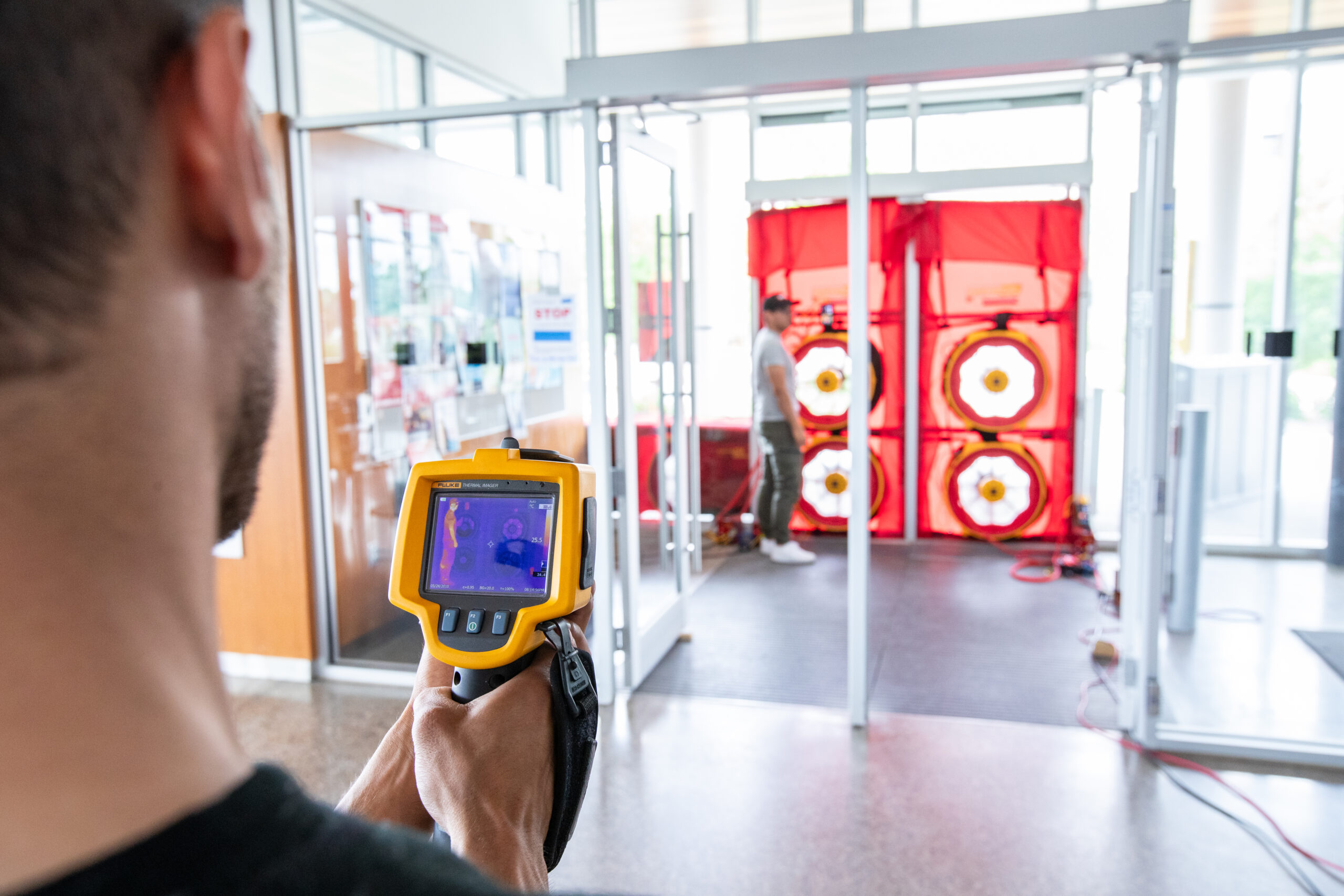
Participants are invited to tour BETAC’s testing laboratory at Red River College’s Notre Dame Campus. Learn about equipment and procedures for testing building envelope performance and diagnosing potential problems, get hands-on experience with thermographic imaging equipment and observe demonstrations of air tightness testing equipment.

Immediately after the event, there will be a debriefing and networking session at One Great City Brewing (1596 Ness Ave.) One drink and appetizers are included with the event registration cost.

When: Thursday, January 23, 2020, 5:45 – 7:45 p.m.
Where: Red River College Notre Dame Campus
Building Efficiency Technology Access Centre
2055 Notre Dame Ave.
Winnipeg, MB

Register now!

Report on Air Filtration: Cost of Air Sealing Measures

September 13, 2019

Over the last 30 to 40 years, hundreds of thousands of Canadian homes have been retrofitted to reduce energy consumption. These retrofits have included measures to reduce air leakage, increase the thermal resistance of the building envelope and replace or upgrade mechanical systems. Natural Resources Canada (NRCan) has been a central player in this field and has worked closely with provincial and territorial governments as well as various energy utilities to establish programs capable of assisting those who wish to retrofit their home. As part of these initiatives, approximately 950,000 houses have received pre-retrofit airtightness tests. Out of these, close to 780,000 have also had post-retrofit tests performed.

To read more, please download the full report: Air Filtration – Cost of Air-Sealing Measures – a report prepared for Sustainable Buildings and Communities CanmetENERGY, Natural Resources Canada, by Proskiw Engineering Ltd.

Three-Day Training Course: Large Building Airtightness Testing

July 23, 2019

New session starting October 2019

What you will learn:

  • Differences between residential and commercial tests
  • Building science and driving forces of air leakage
  • Testing standards and code requirements
  • Test considerations and planning
  • Required materials and equipment
  • First-hand experience with setup and use of blower door equipment
  • Trouble-shooting common problems encountered during testing


This workshop concludes with a full live test at the Centre for Applied Research in Sustainable Infrastructure (CARSI) at Red River College, which will incorporate diagnostic tools and data analysis.

Each session will be limited to 12 participants.

Course date and cost

Dates: October 16-18, 2019

Times: 8:30 a.m. to 4:30 p.m. (will end at 2 p.m. on the last day to allow time for travel)

Cost: $1,495 + GST (includes parking, lunch and morning coffee)

Location: Red River College, 2055 Notre Dame Ave., Winnipeg, Manitoba, Canada

Registration

To register, call or email:
Alexis Epp
204.632.2036 | aepp33@rrc.ca

Instruction

Learn from instructors whose experience ranges from applied research-related to energy efficiency, field observation, commercial and residential airtightness testing, commissioning, education, training and more.

Additional course information:

Cory Carson
204.631.3325 | ccarson31@rrc.ca

Other course offerings can be found at rrc.ca/techsolutions


RRC Polytech campuses are located on the lands of the Anishinaabeg, Ininiwak, Anishininwak, Dakota Oyate, and Denésuline, and the National Homeland of the Red River Métis.

We recognize and honour Treaty 3 Territory Shoal Lake 40 First Nation, the source of Winnipeg’s clean drinking water. In addition, we acknowledge Treaty Territories which provide us with access to electricity we use in both our personal and professional lives.