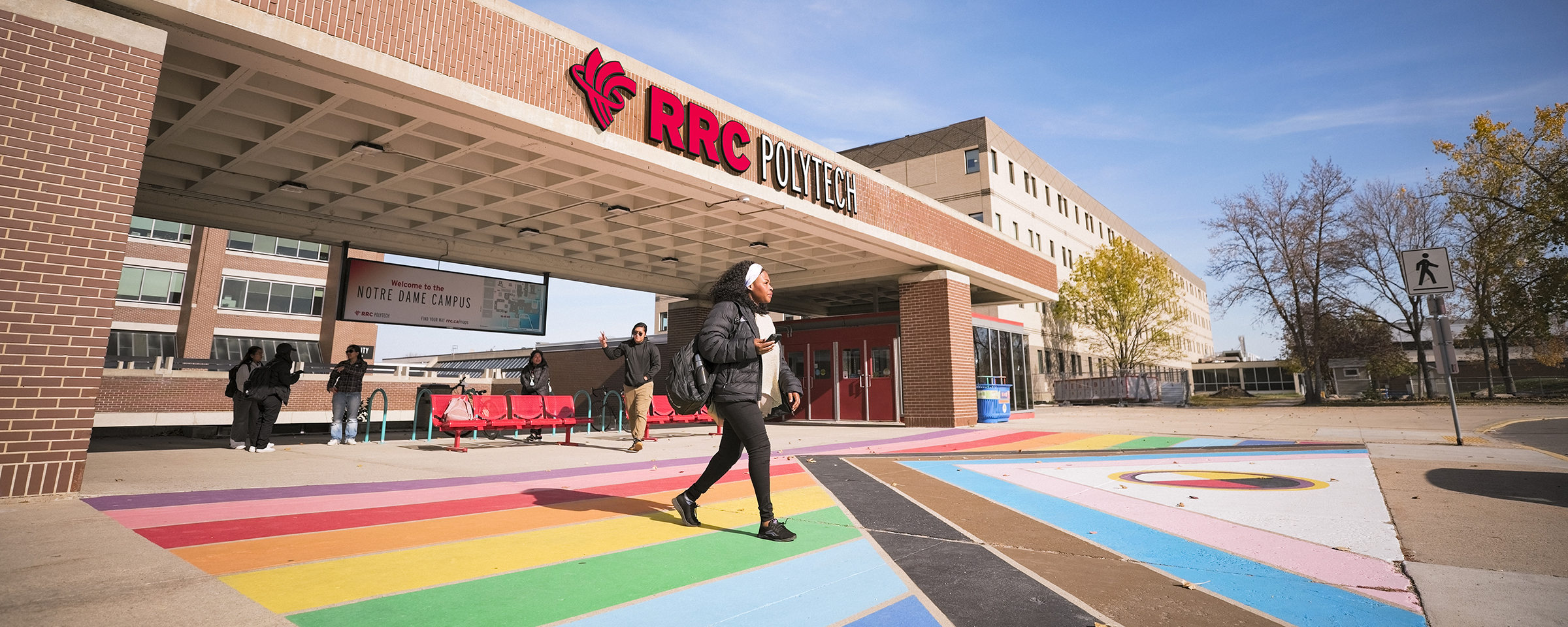
New partnership to provide ASL training for Indigenous women
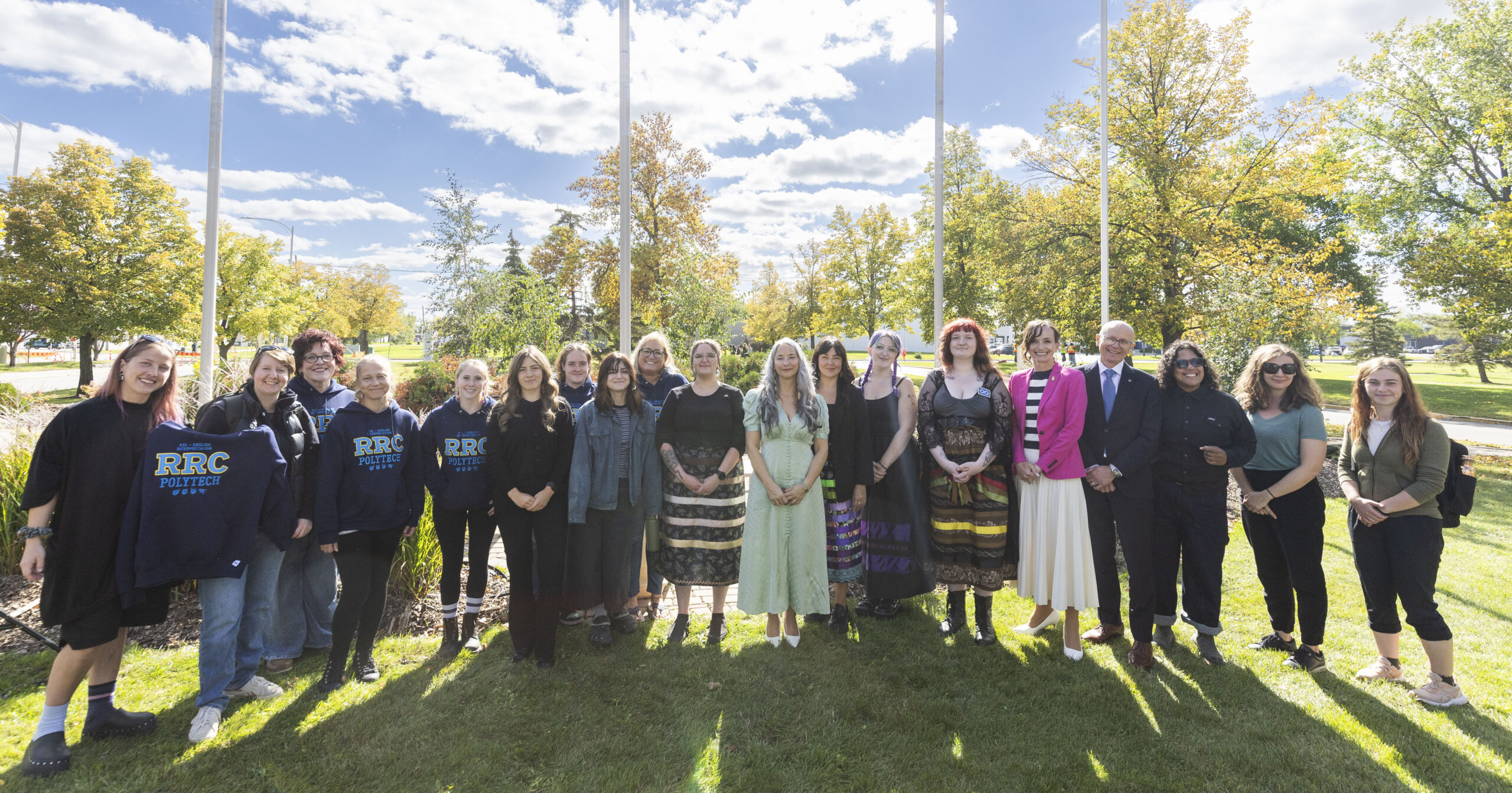
The Manitoba government will invest $146,000 in new American Sign Language (ASL) training opportunities for Indigenous women through a partnership with RRC Polytech, it was announced yesterday.
Provided through the province’s Mino’Ayaawag Ikwewag (All Women Doing Well) Strategy, the funding includes $18,000 for the development and delivery of three ASL micro-credentials on reserve and $138,000 over three years to fund four reserved seats for Indigenous women in RRC Polytech’s ASL-English Interpretation program.
Seats will be fully funded and will include tuition, books, fees and access to wraparound student supports.
“This important partnership … reflects our shared commitment to creating more inclusive communities and expanding educational opportunities for Indigenous learners,” says RRC Polytech President Fred Meier.
“By increasing access to ASL education through new micro-credentials and fully funded seats in our ASL-English Interpretation program, we are helping to remove barriers, strengthen representation in the profession and build capacity to support Deaf and hard-of-hearing individuals in Indigenous communities across Manitoba.”
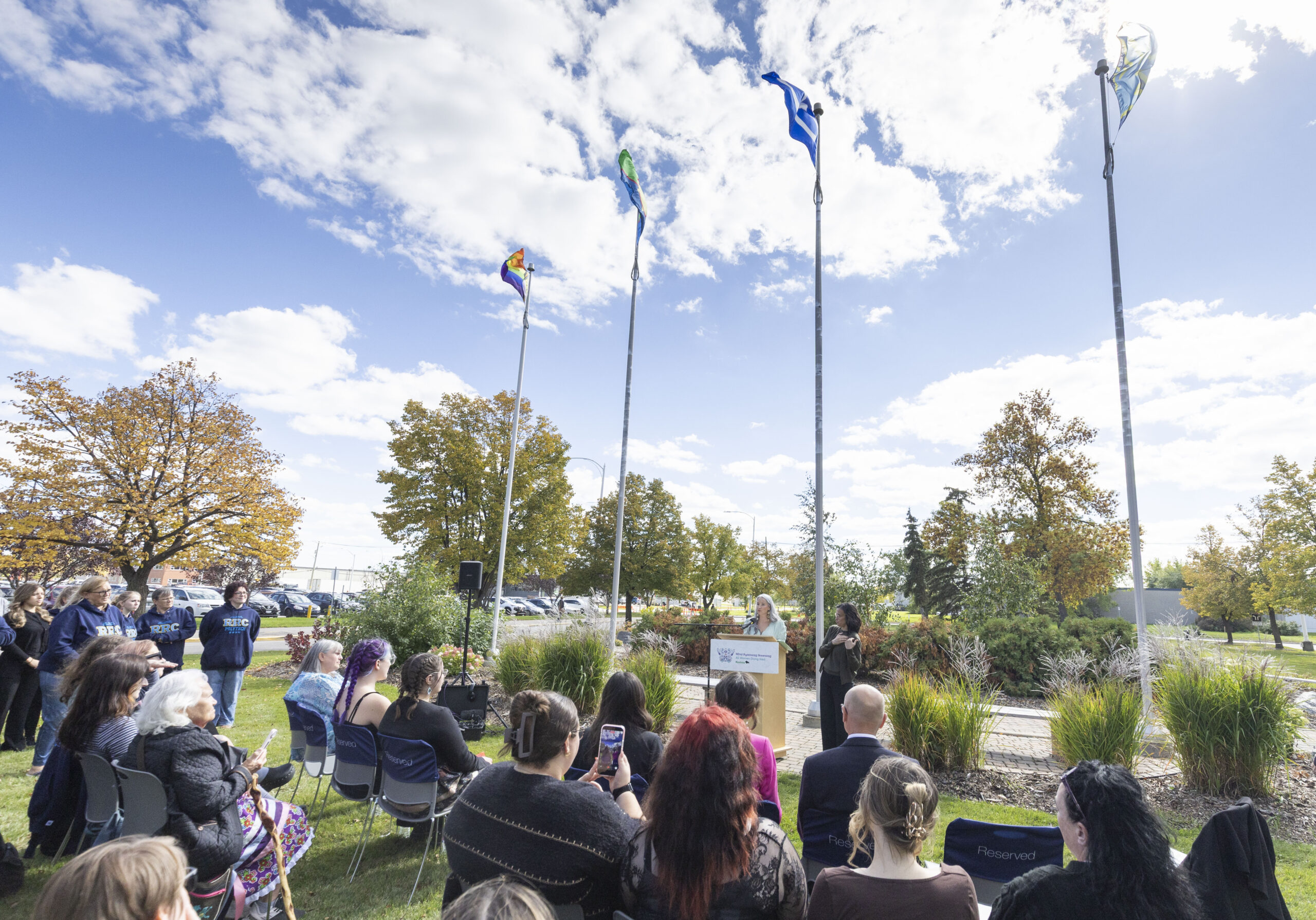
The partnership was announced yesterday at RRC Polytech’s Notre Dame Campus by provincial Families Minister Nahanni Fontaine, who noted the new micro-credentials will provide an introduction to ASL and Deaf culture and will be equivalent to ASL 1, a prerequisite for entry into the ASL-English Interpretation program.
Training will be delivered in community to help reduce barriers to participation, and will accommodate up to 15 learners per cohort. The curriculum will incorporate Indigenous perspectives and approaches, and be developed in partnership with Indigenous communities to ensure training reflects local needs and experiences.
 “Members of the Deaf and hard-of-hearing community should be able to participate fully in their communities and access services and supports no matter where they lived,” says Fontaine, the minister responsible for women and gender equity.
“We know there is a gap in ASL training and availability in rural and First Nations communities, and this investment is a step in helping to close that gap while supporting Indigenous women in building valuable, in-demand skills.”
Graduates of the program will be equipped to provide culturally responsive ASL-English interpretation in Indigenous communities and First Nations, including at community gatherings, ceremonies and other events.
Yesterday’s announcement was made as part of the International Week of Deaf People, Sept. 21–27, during which the Deaf Flag is being flown at the Notre Dame Campus as a visible reminder of RRC Polytech’s commitments to equity, diversity, inclusion and accessibility, and in recognition of Deaf culture and languages.
Throughout the week, indoor digital screens at the campus will display video messages from RRC Polytech’s Deaf community, sharing what they are most proud of, why ASL is important to them, and the role Deaf culture and sign language play in their lives.