Centre for Newcomer Integration launches new video series in collaboration with Indigenous Grandparents
RRC Polytech’s Centre for Newcomer Integration (CNI) has launched an innovative learning initiative that connects newcomer students with the stories, experiences and histories of Indigenous Peoples through a series of video-based learning modules developed in collaboration with Indigenous Grandparents and members of the Knowledge Keepers Council.
The project, which began with a classroom visit and a simple idea to share one Grandparent’s story, has grown into a comprehensive 20-hour learning resource that introduces newcomers to Indigenous histories, cultures and perspectives through the voices of people with lived experience.
“Many newcomer students arrive in Canada with little knowledge of Indigenous Peoples,” says Maxine Fehr, a language training instructor at CNI.
“These modules create an opportunity for learners to hear directly from Indigenous Grandparents and Knowledge Keepers, which will help build understanding, challenge assumptions and create meaningful connections.”
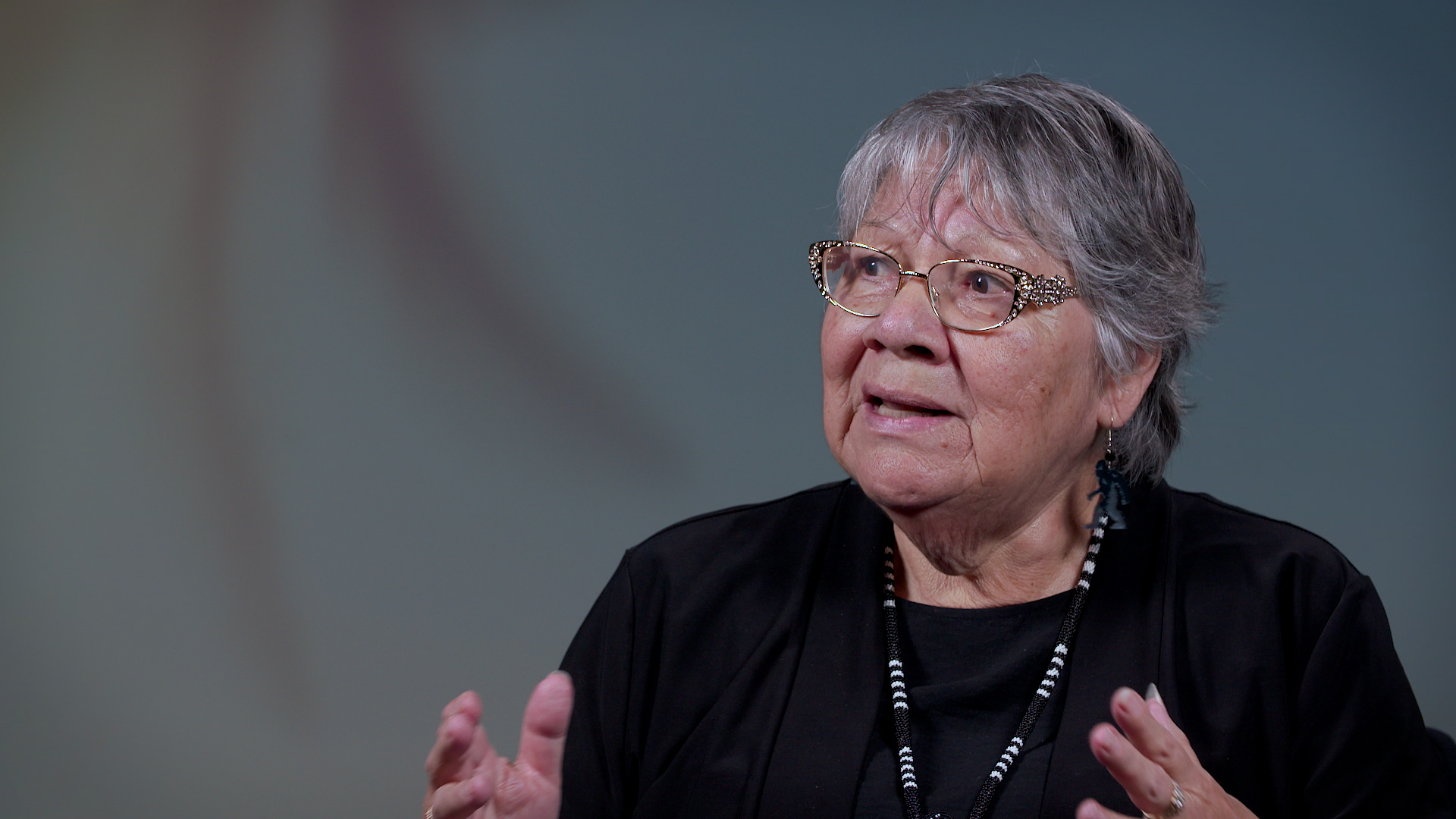
Contributors to the project include Kookum Betsy Kematch, Elder-in-Residence Paul Guimond, and members of the Knowledge Keepers Council at RRC Polytech: Albert McLeod, Allen Sutherland, Barbara Bruce, Belinda Vandenbroeck (shown above) and Helen Robinson-Settee.
Through personal stories, family histories, photographs and cultural teachings, contributors shared perspectives on community, resilience, identity and the lasting impacts of colonization. Some stories reach back multiple generations to the grandparents of grandparents, offering newcomers a deeper understanding of the histories that continue to shape Indigenous communities today.
“Before, I had no idea. But now, I know they suffered a lot. They were abused. They were separated from their cultures and language,” says Medhanie Tsegay Mehari, a student from Ethiopia who’s been in Canada for over two years.
“What I am going to share with our families is: Indigenous people have respect for everything. We should respect them as well.”
The completed learning package includes video modules, instructor guides, assessments aligned with Canadian Language Benchmarks (CLB) and Portfolio-Based Language Assessment requirements, and photographs of culturally significant items shared by participating Grandparents, including mukluks, beadwork, cradleboards and ceremonial regalia.
The modules are designed for learners at CLB Levels 1 to 4 and use plain language to ensure accessibility for newcomers who are developing their English-language skills. Videos have been transcribed, and American Sign Language (ASL) interpretation has been added to further improve accessibility for Deaf and hard-of-hearing learners.
By bringing Indigenous voices directly into newcomer classrooms, RRC Polytech is helping foster greater understanding of Canada’s past and present while creating opportunities for meaningful dialogue, respect and reconciliation.
“For many newcomers, this may be their first encounter with Indigenous voices, stories and perspectives, and these modules ensure that encounter is grounded in dignity, lived experience and truth,” says Jamie Wilson, Vice-President, Indigenous Strategy, Research and Business Development.
“Truth and Reconciliation is a conversation between Indigenous and non-Indigenous Canadians and belongs to everyone who calls this land home. By welcoming newcomers into that conversation through the voices of Grandparents and Knowledge Keepers, RRC Polytech is helping build a Canada where understanding is shared from the very beginning.”