RRC Polytech partners with QDoc on Manitoba’s first Abdominal Aortic Aneurysm (AAA) clinic

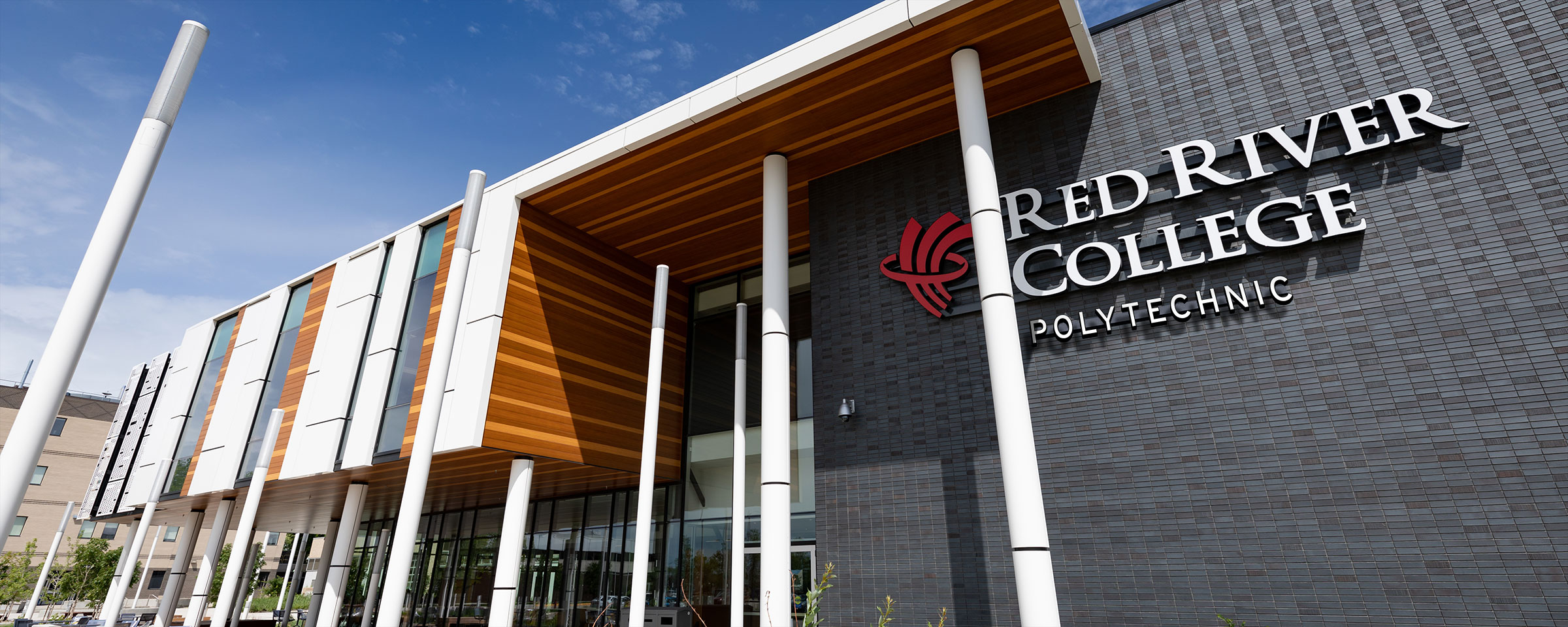
RRC Polytech will host Manitoba’s first Abdominal Aortic Aneurysm (AAA) Clinic at its Notre Dame Campus starting in spring 2026. Delivered in partnership with QDoc, the clinic will focus on early detection of AAAs, which often have no symptoms until they become life-threatening.
“Everything we do with QDoc leads to something bigger and better for either RRC Polytech or the community,” says Jodi Pluchinski, Director of Safety, Health and Security Services at RRC Polytech. “For us, saying yes was an easy decision. It’s about being a really good community partner and providing that service for people.”
Dr. Taft Micks, Chief Medical Officer at QDoc, worked with Dr. Alexei Berdnikov, one of QDoc’s providers and a fellow family and emergency physician, to develop the clinic’s concept. He says point-of-care ultrasound has been used in emergency departments for over a decade to check for AAAs when patients come in with severe abdominal or back pain, which can be symptoms of a ruptured AAA.
“You often don’t feel an AAA until it’s too late,” says Dr. Micks. “These things expand and expand, and eventually at some point it ruptures and that can be quite fatal. So, Dr. Berdnikov and I thought, well, why don’t we do even better than that and catch them before they even develop those symptoms?”
AAAs primarily affect men over 65, especially those with a smoking history. The risk is also higher for people with high blood pressure, heart disease, or a family history of aneurysms. The Canadian Task Force for Preventive Health Care estimates that 20,000 Canadians are diagnosed with an AAA each year and that 1,244 die from an AAA.
As the clinic has come together, Dr. Micks says he’s been hearing from more people who have lost a family member to this condition, underscoring the need for screening.
“RRC Polytech is a partner for innovation here because what we are implementing is very novel,” says Dr. Micks.
RRC Polytech’s role in the partnership is supplying the space for the clinic to operate. The clinic will run by appointment only. Patients can self-refer by calling 1-888-SCN-0AAA (726-0222) or be referred to the AAA Clinic by their family doctor or nurse practitioner. They can also complete a virtual intake through QDoc to review their medical history and determine eligibility.
Eligible patients will be able to book an in-person appointment at RRC Polytech, where a physician will discuss risk-factor modifications and perform a physical exam including point-of-care ultrasound to directly visualize their abdominal aorta. Results will be available immediately, with follow-up recommendations provided as needed.
Since 2022, RRC Polytech’s partnership with QDoc has grown through the launch of the Penicillin Allergy Clinic and student involvement in the development of its virtual care platform through the ACE Project Space.
As QDoc expanded, it hired graduates from RRC Polytech’s Information Technology and Business Administration programs, creating career paths that students might not have known existed. RRC Polytech also offers programs in Diagnostic Medical Sonography and Diagnostic Cardiac Sonography, where students can train to perform this type of imaging.
“Each new project has strengthened the partnership and created more opportunities for our graduates.” says Pluchinski. “We didn’t expect the Penicillin Allergy Clinic to become something we do regularly, but it has, and this will be the same.”