
Put Your Best Moccasin Forward Pre-Employment Conference
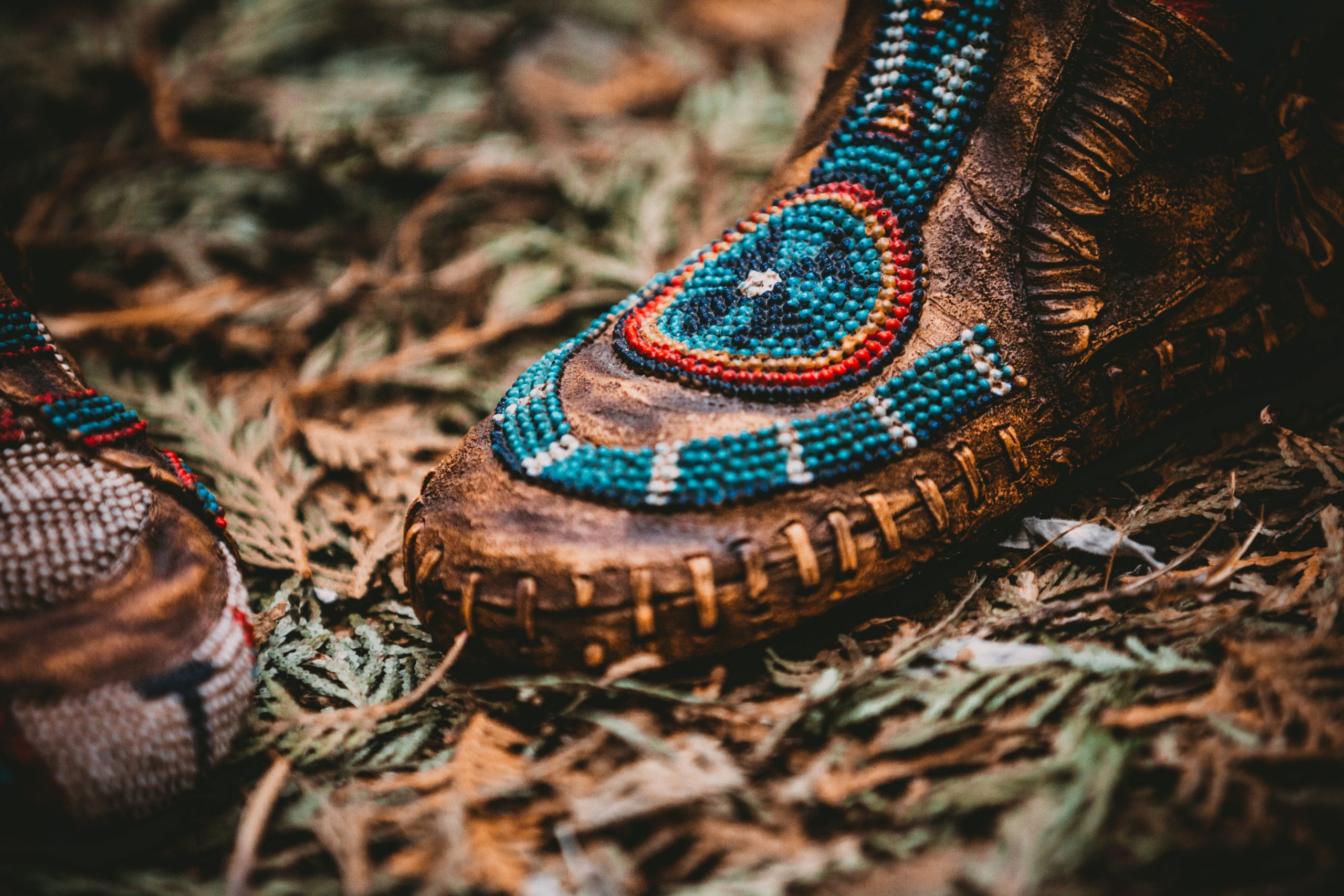
In honour of Career and Workforce Development Month in Manitoba this November, Indigenous Transition to Employment Services is hosting its first Pre-Employment Conference – virtually.
Dates: November 17 and 18
Time: 6pm – 8:30pm both nights
Indigenous students and recently-graduated alumni are invited to learn about the tools and skills that will help them secure a job in their field of study. Indigenous ways of knowing and being will be a focal point with a message from our Elder, a Medicine Wheel Teaching, and we will hear from Indigenous alumni on their experiences.
Join us for some evening sessions including resume and cover letter preparation, job search strategies, interview skills, and more. Stay tuned for a more detailed schedule of sessions.
Get ready to start your career and Put Your Best Moccasin Forward!
REGISTER HERE
Or contact Rhonda Monkman at rmonkman90@rrc.ca to register.
When you register, you will be sent a WebEx link for each day. Sessions will be continuous, so you do not need to log on for separate sessions.
SCHEDULE
Tuesday, November 17
6:00 pm – 8:30 pm
6 pm – Welcoming from Isabel Bright, Dean, School Of Indigenous Education, and Frank Parkes, Student Resource & Employment Manager, and prayer and message from Elder Paul Guimond.
6:15 pm – Medicine Wheel Teaching: Using Indigenous Knowledge in Career Planning
7 pm – Q + A
7:30 pm – Resume and Cover Letter Preparation
8:15 – Q + A
Wednesday, November 17
6:00 pm – 8:30 pm
6 pm – Job Search Strategies – How to do an effective job search. Knowing your skills and abilities.
6:35 pm – Q + A
6:45 pm – Interview Skills – Virtual interviewing skills, types of interviews, and interview preparation.
7:15 pm – Q + A
7:25 – Alumni Panel – Sharing Indigenous perspectives. The journey from college to employment.
8:05 – Q + A and closing

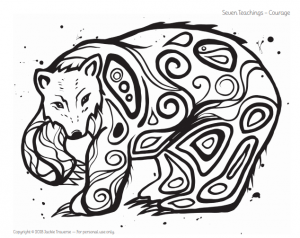 Winnipeg artist Jackie Traverse and her publisher Fernwood Publishing have released six free printable colouring sheets from her colouring books Sacred Feminine and IKWE for a relaxing stay-at-home activity for kids and adults. The beautiful images feature Ojibwe Florals, Courage from the Seven Teachings, selections “Honouring Women, Life Givers, and Water Protectors,” and more.