World AIDS Day
December 1 is World AIDS Day – a time to come together, raise awareness about HIV/AIDS, and show support for people living with HIV. It’s also a day to reflect on progress and renew our commitment to prevention, treatment, and care for everyone.
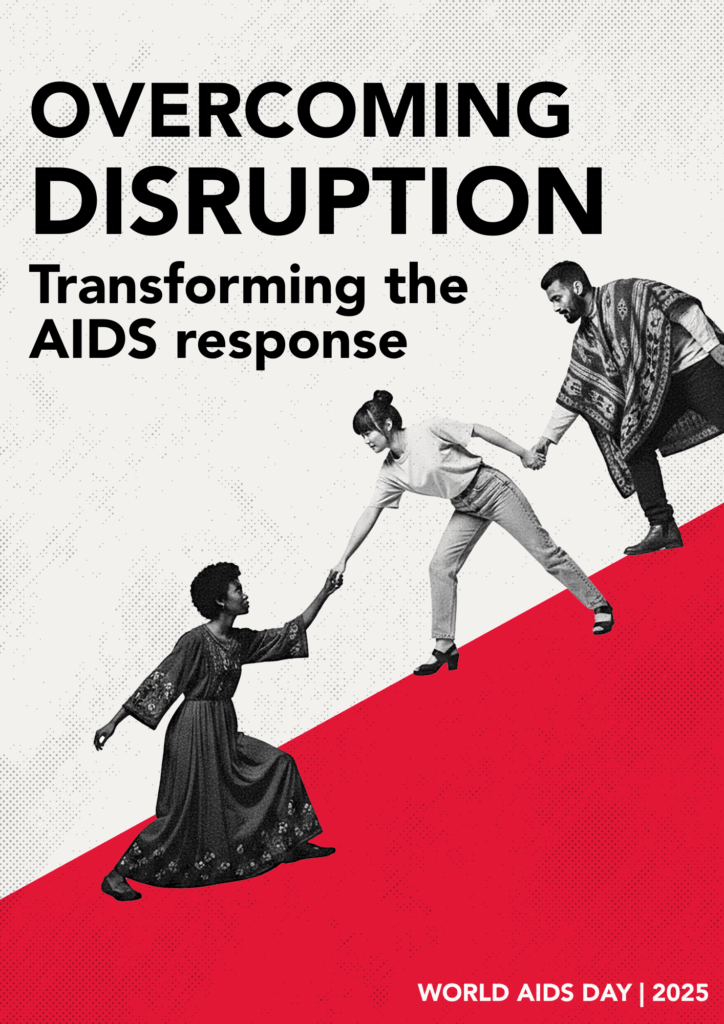
This year’s theme is “Overcoming disruption, transforming the AIDS response.” It’s a powerful reminder and a call to action that ending AIDS by 2030 will require strong leadership, global cooperation, and approaches that uphold human rights.
On this day, while we celebrate progress – like better access to treatment and prevention – many challenges remain. AIDS is not over. Disruptions to life-saving services and increased risks for some communities show why this work matters. But there is hope. Around the world, people are stepping up with resilience and innovation to keep the HIV response moving forward.
Understanding HIV and AIDS
- Human Immunodeficiency Virus (HIV) weakens the immune system by attacking white blood cells. This makes it easier for the body to get sick from infections, tuberculosis, and certain cancers.
- HIV is NOT spread by hugging, kissing, shaking hands, or sharing food.
It spreads through body fluids: blood, breast milk, semen, and vaginal fluids. It can also pass from mother to child during pregnancy or birth. - Treatment matters. HIV can be managed with antiretroviral therapy (ART). Without treatment, HIV can progress to acquired immunodeficiency syndrome (AIDS), which is the most advanced stage of infection.
Prevention Starts with Awareness
Knowing how HIV spreads and how to protect yourself is important. Here are some ways to reduce your risk:
- Use condoms during sex.
- Do not share needles or syringes; use harm reduction services if needed.
- Consider Pre-exposure Prophylaxis (PrEP) if you are at higher risk of getting HIV. PrEP is an antiretroviral medication that helps prevent HIV.
- Get tested regularly for HIV and other sexually transmitted infections (STIs). Testing is simple and accessible – even at home.
If you test positive for HIV:
You are not alone. HIV is treatable. ART helps your immune system stay strong and allows you to live a healthy life. People who take ART and have no detectable virus cannot pass HIV to their sexual partners. Support is available, and we are here to help.
How You Can Get Involved
Join us in raising awareness and learning more:
World AIDS Day Information Booth
Hosted by the Gender and Sexual Diversity Group
- NDC Library Hallway | December 1, 2025 | 11:30 a.m. to 1:00 p.m.
- Activities include:
- Free HIV testing kits
- Informational pamphlets and videos
- World AIDS Day Quiz! Test your knowledge, learn something new, and enter for a chance to win a prize! The quiz closes on December 5, 2025 at 4:00 p.m.
- Red ribbons
RRC Polytech Health Services
Health Services offers year-round support for staff and students:
- Consultations and referrals
- Sexual health education
- Registered nurses for care
- STI and HIV information
- Help connecting to community resources
Take action today: Learn the facts, get tested, and support those living with HIV.
Together, as a college community, we can make a difference and help end AIDS.