Jewish High Holidays 2026
Rosh Hashanah, beginning before sundown on Friday, September 11, and ending after nightfall on Sunday, September 13, is the first of a series of significant High Holidays in the Jewish calendar. Rosh Hashanah, which marks the start of the Jewish New Year, culminates with Yom Kippur, beginning before sundown on Sunday, September 20, and ending after nightfall on Monday, September 21. The period between Rosh Hashanah and Yom Kippur is considered very important as a time of reflection, repentance and renewal.
Rosh Hashanah and Yom Kippur are followed by Sukkot, beginning before sundown on Friday, September 25, and ending after nightfall on Friday, October 2; Shmini Atzeret, observed on Saturday, October 3; and Simchat Torah, beginning before sundown on Saturday, October 3, and ending after nightfall on Sunday, October 4.
Whether the Jewish community observes the High Holidays from a religious or cultural perspective, there are specific ways in which Rosh Hashanah and Yom Kippur are typically celebrated.
Rosh Hashanah
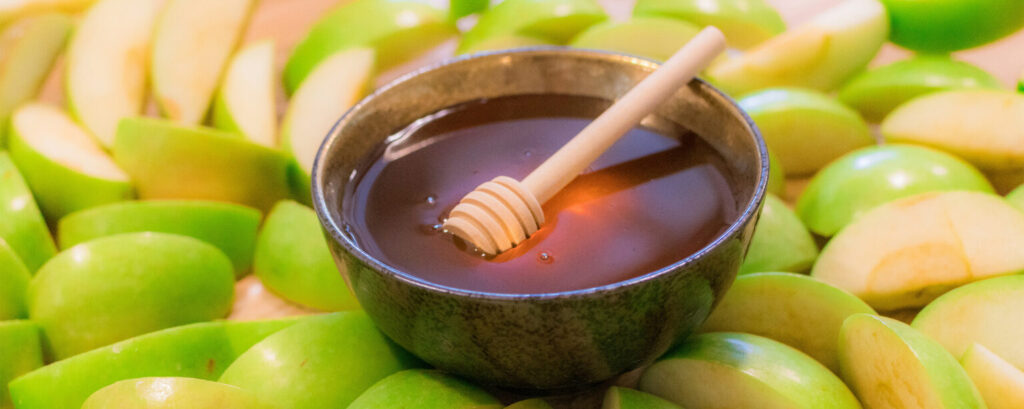
On erev Rosh Hashanah, it’s traditional to host large dinners with family and friends and enjoy sweet foods such as apples dipped in honey and honey cake to symbolize a sweet new year. Round challah, which represents the cycle of life, is also commonly served. These dinner celebrations take place over two nights, and many observant Jews attend synagogue services over the two days of Rosh Hashanah and listen to the shofar, a ram’s horn that is blown like a trumpet.
Yom Kippur
On Yom Kippur, the Day of Atonement, many observant Jews fast from food and drink and attend synagogue services on both erev Yom Kippur and throughout the following day until the fast ends. After sundown, family and friends often gather to break the fast together.
The 10 days between Rosh Hashanah and Yom Kippur are considered especially significant. Listening to the shofar and participating in community gatherings are common during this time.
Visit the Jewish Federation of Winnipeg’s Community Calendar for events happening during the High Holidays.
Shana tova umetuka! (Have a happy and sweet new year!)