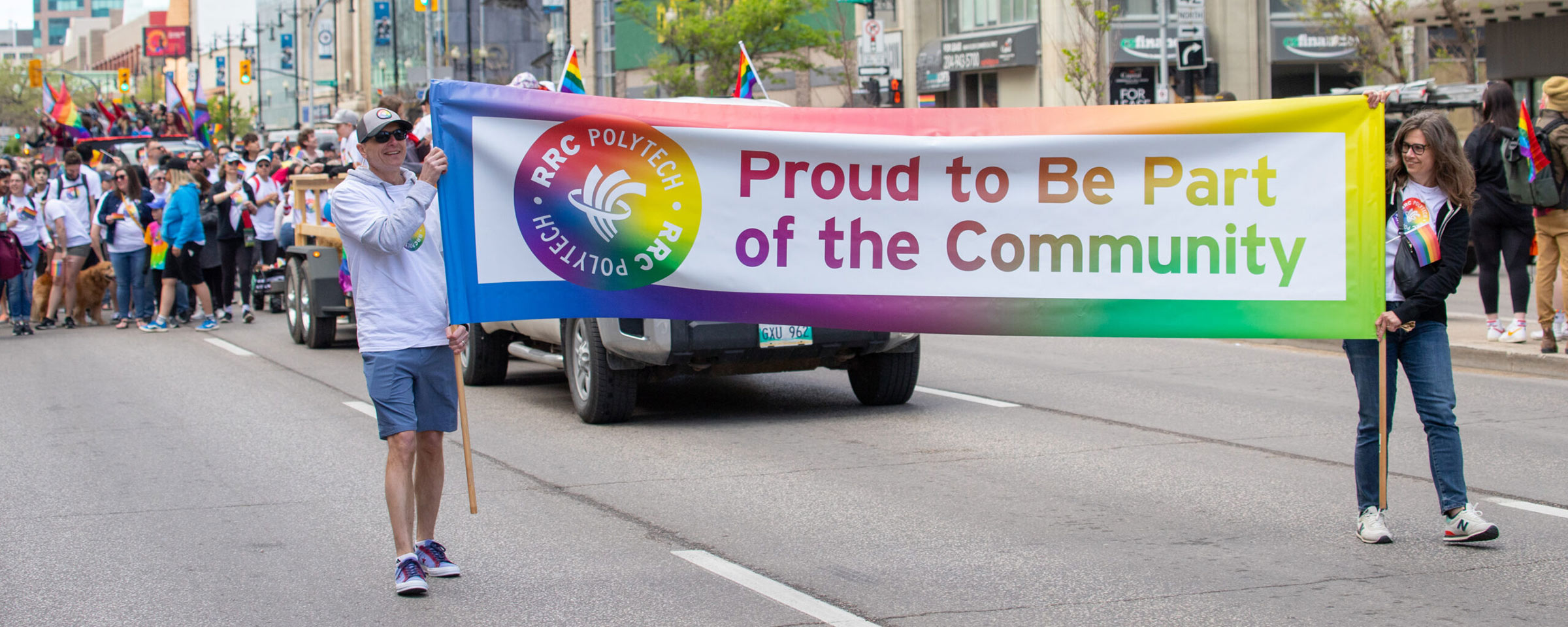
Redefining Asian Heritage at RRC Polytech: What We Carry with Us
May is Asian Heritage Month. It is a time to celebrate and learn about the history, migration, resilience, and contributions of Asian communities across Canada. Over generations, people from East, South, Southeast, West, and Central Asia have built lives here. They have helped shape the country through their impact on education, business, arts, culture, and more. Today, that legacy continues to grow.
At RRC Polytech, Asian Heritage Month is not just something we look back on. It is something we live and shape every day. Our community reflects a rich diversity of experiences. This includes Asian immigrants, international students, Canadian-born Asians, and people of mixed heritage. These experiences remind us that heritage is not fixed. It changes and grows with us.
I Am Asian
Story shared by Angela Chow, RRC Polytech
I am proud to be Asian.
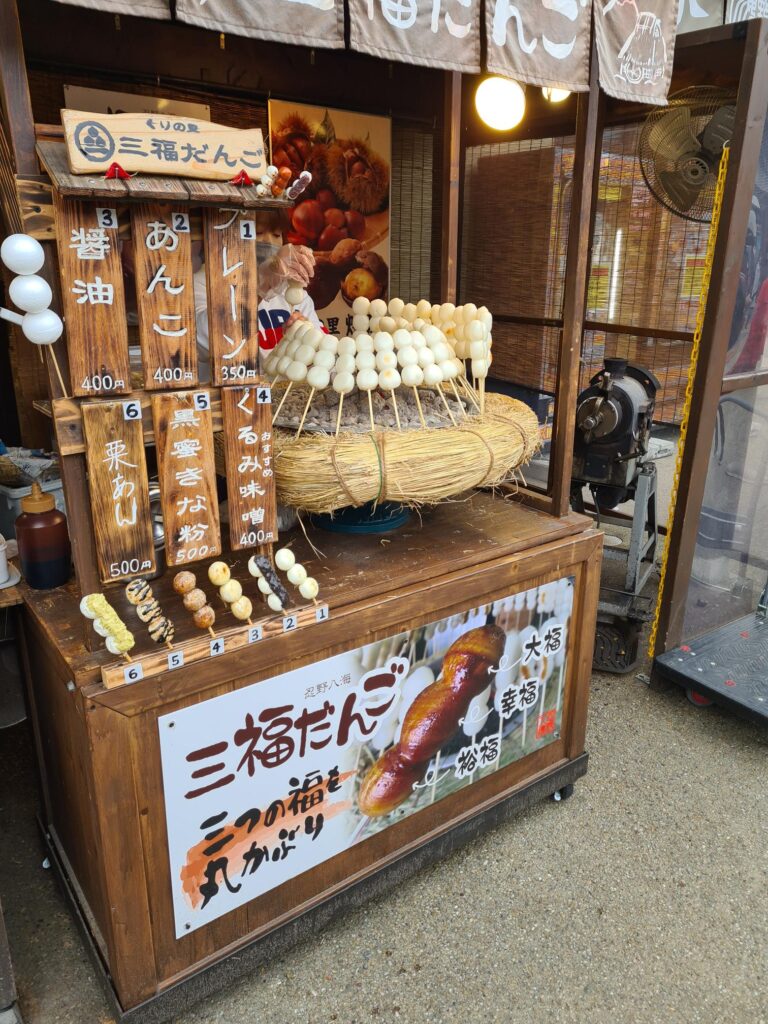
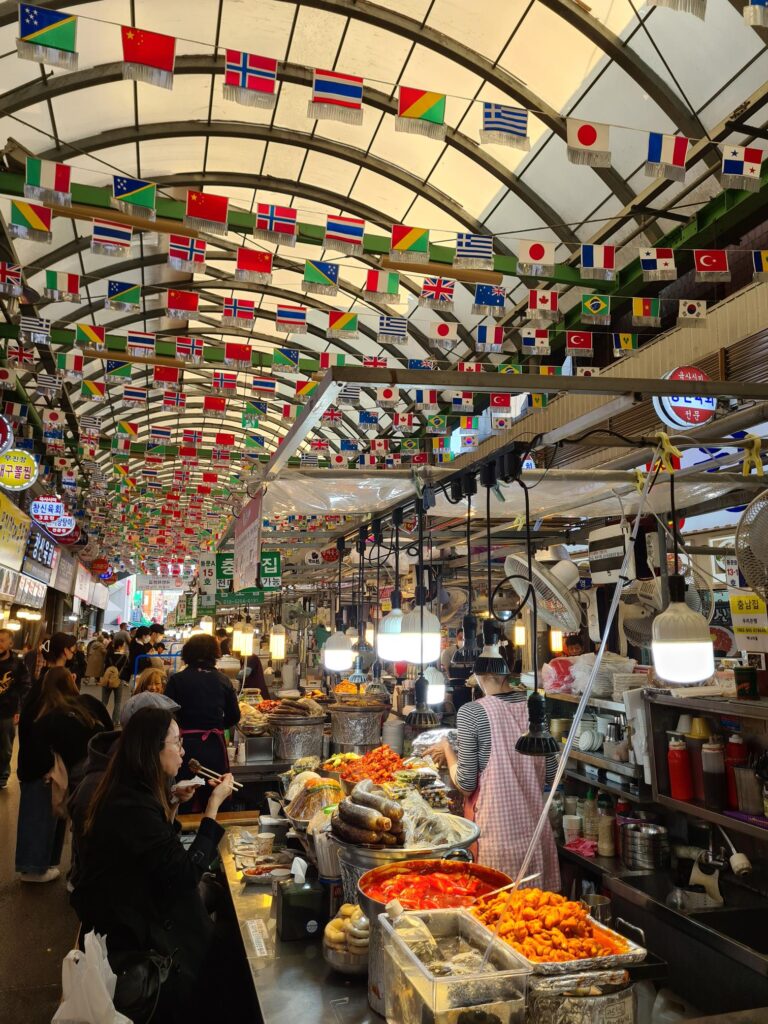
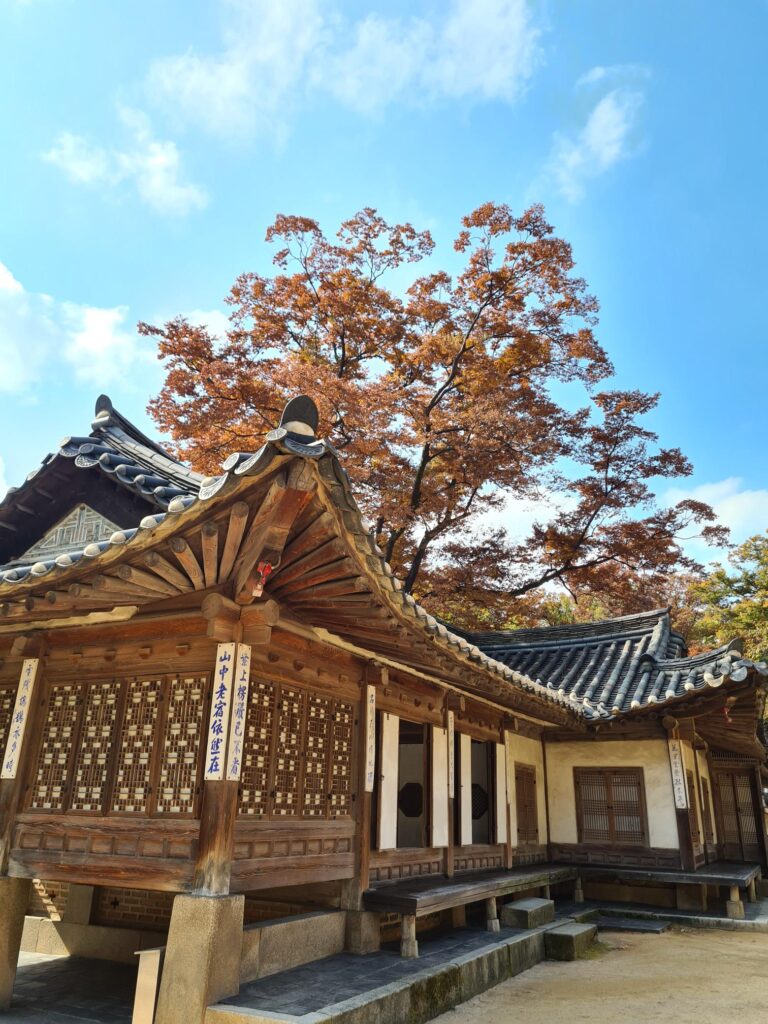
I was born and raised in the Philippines and come from both Filipino and Taiwanese heritage. While I spent most of my life in the Philippines, I also had the opportunity to travel across Asia, including Japan, South Korea, China, Thailand, Vietnam, and Taiwan. Each place has its own culture, traditions, and stories to tell.
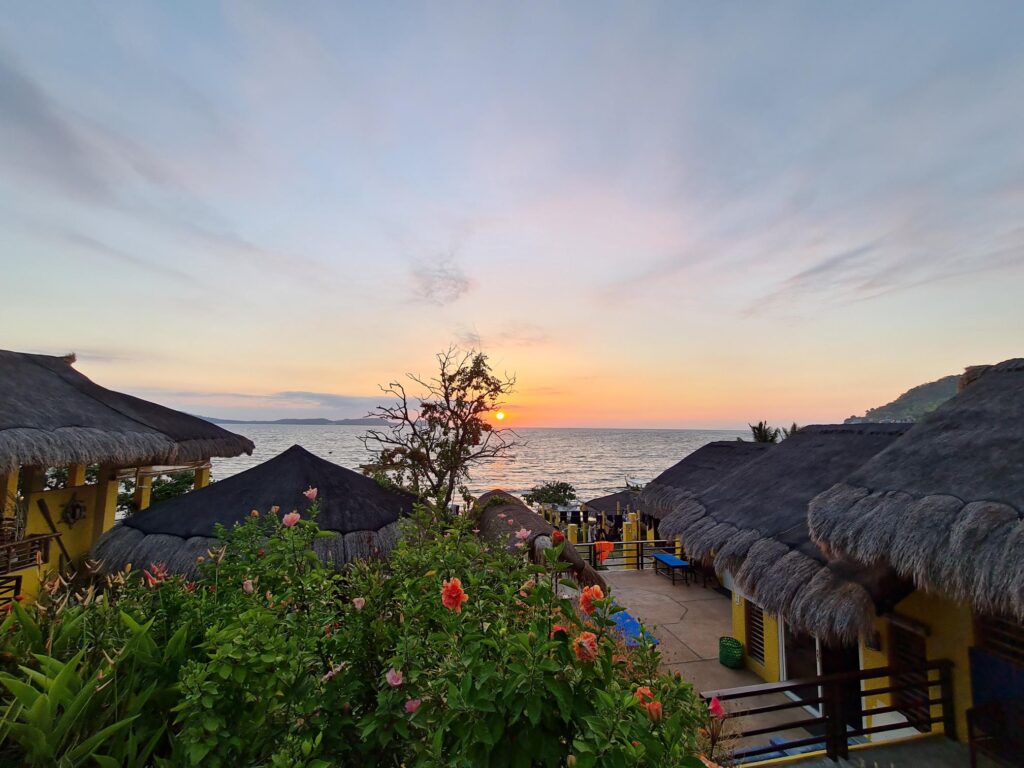
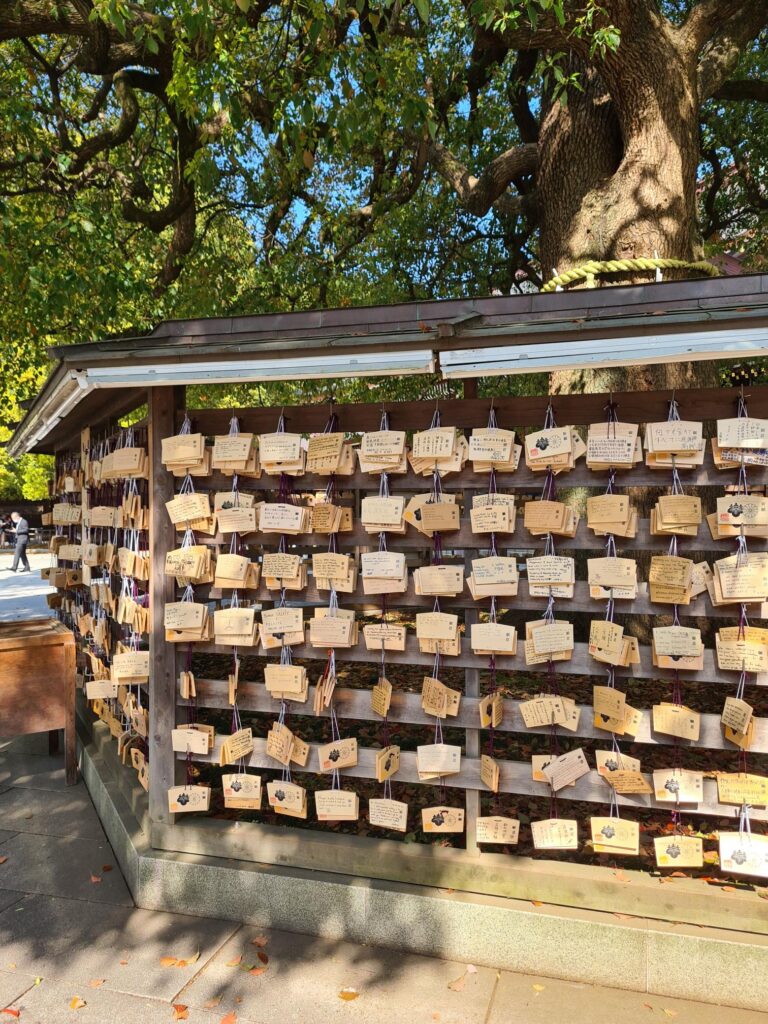
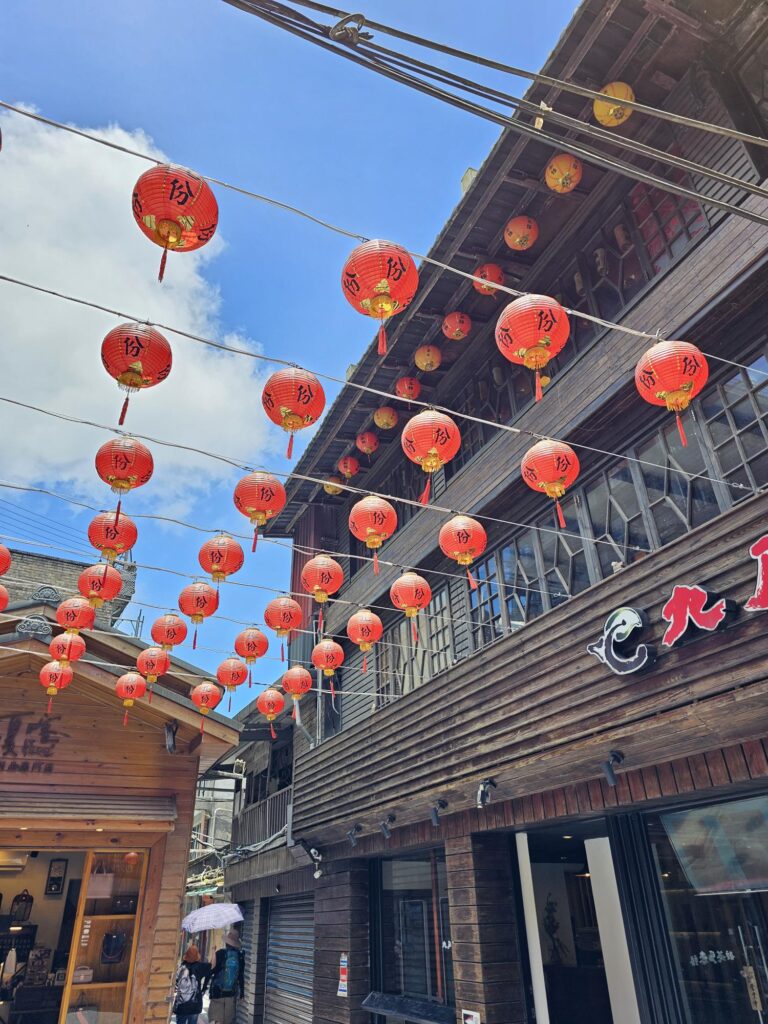
In 2023, I made one of the biggest decisions of my life: to move to Canada and pursue further studies at RRC Polytech. The travel took over 15 hours, not including layovers, but it marked the start of a new chapter in my life.
I felt excited, but I also had worries brought by the uncertainties. I remember asking myself: Did I make the right decision? Will I feel like I belong? How will I adjust to this new life?
Winnipeg felt so different from what I was used to, especially the weather! Coming from around 30°C days to below-zero winters was a big shock. But I was surprised by how quickly I found pieces of home here. I found Asian stores and restaurants. I heard familiar languages. I met people who speak Tagalog. My classmates and co-workers come from both Asian and non-Asian backgrounds, and learning and growing alongside them has been an important part of my journey.
Today, I find myself at RRC Polytech, grateful for the welcoming and inclusive environment that has helped me adjust and grow. Over the past two years, I’ve come to realize that I have found a second home that exists alongside the home I carry with me.
What We Carry with Us
My experience is just one of many. Like me, many international students and immigrants from across Asia have journeys of leaving home and building new lives. These are stories filled with both challenges and growth. While each journey is different, we all carry something deeply meaningful with us from where we come from.
Culture often lives in the quiet, familiar details of everyday moments.
It can be the comfort of a home-cooked meal. It can be switching languages when speaking with family. It can be celebrating holidays in new ways while keeping their meaning.
These moments may seem small, but they matter. They reflect the values, memories, and traditions we bring with us and continue to care for.
When asked what they carry with them, members of the RRC Polytech community shared reflections like:
Brinold Beveira, Entertainment and Media Arts – India
“Growing up in Kerala, India, Onam was always one of the happiest times of the year for me. It meant being around family, making pookalam (flower designs), wearing traditional clothes, sharing meals, and just enjoying that feeling of togetherness. Even here in Canada, I try to celebrate it with friends and the Malayali community, which makes it feel a little closer to home. It’s a reminder of where I come from and helps me hold on to that sense of belonging, even while living in Winnipeg.”
Susan Hernandez, People Services – Philippines
“There are many things I continue to carry with me since moving to Canada in 2005. Among them is the way we regularly hold family gatherings that extend beyond blood relationships. The people I met from my very first days here are still the same people I celebrate with during events and parties. I am also caring for my 79-year-old mother, who moved to Canada about ten years ago. Caring for elderly parents is a value deeply rooted in our culture, and it is something I intend to pass on to my children and future generations. We place a high value on believing in God and honoring Him as Catholics, and we help others in need – whether the support is financial or simply being present for them.”
Sang Le, student, Global Access (English for Academic & Professional Purposes) – Vietnam
“A value I carry from my Vietnamese heritage is the deep responsibility to support the people around me. In my culture, helping others is more than a kind gesture. It is a way of showing respect and staying connected as a community. Here in Canada, I continue this tradition by volunteering and offering support to newcomers and peers. This value keeps me grounded and reminds me of the community that shaped who I am.”
Saviti, student, Information Technology (Full Stack Web Development) – India
“One thing I carry with me from my Punjabi heritage is the language itself. Punjabi is warm, expressive, and full of feeling in a way no other language really matches for me. It’s how I stay connected to family back home, how I laugh with friends here, and even how I think to myself or pray in quiet moments.
There’s something really grounding about a language that holds your childhood memories, your first expressions of love, and your sense of who you are all at once. I try to keep it alive by speaking it whenever I can, listening to Punjabi music when I miss home, and appreciating that even in Winnipeg, it stays with me, a reminder of where I come from.”
Mikaela Krizzia Sitjar, Campus Store – Philippines
“One thing I carry with me from my Filipino heritage is karaoke, especially during birthdays and Christmas. Growing up, karaoke was always part of our celebrations. It did not matter how you sang, as long as everyone was having fun. Even here in Canada, I still enjoy doing karaoke with friends because it reminds me of home and brings people together. It’s a simple way I keep that fun, welcoming Filipino spirit alive.”
Hiral Soni, Centre for International Education and Global Partnerships (CIEGP) – India and Abu Dhabi, United Arab Emirates
“Being born and raised in Abu Dhabi in an Indian family, I grew up influenced by both Indian traditions at home and the diverse Middle Eastern culture around me. This blend of culture shaped my identity and taught me to be adaptable, open-minded, and comfortable in multicultural spaces from a young age. Moving to Canada, that experience has helped me settle in more easily and connect with people from different backgrounds while still staying rooted in where I come from.”
Angela Ge, Centre for Newcomer Integration – China
“One thing I carry with me from my Chinese heritage is the celebration of the Lunar New Year. It represents family reunion, hope, and new beginnings. Growing up, it meant cleaning the house, preparing special dishes, giving red envelopes, and staying up late with family. Even though I am in Canada now, I still try to keep parts of this tradition alive, whether by cooking traditional food or calling family overseas. Sometimes I also celebrate with friends here, sharing meals and stories. For me, Lunar New Year is a reminder that even across distance, family and tradition continue to stay present in my life.”
Lee Maria Mathews, People Services – India
“I come from a Christian family in Kerala, India, where Holy Week is a deeply meaningful and sacred time for us. During this week, we prepare traditional foods like Pesaha appam, Inri appam (a traditional unleavened bread) and a special sweet milk dish – recipes passed down through generations and rooted in the remembrance of Jesus Last Supper. In my family, this meal is traditionally served by the elder male members and shared together as a symbol of unity, faith, and love. What makes it even more special is that we don’t keep it within our home – we share it with friends and neighbours as part of the celebration. Even in Canada, I continue this tradition every year, cooking and sharing it with my family and friends, keeping my heritage alive across borders.”
Marion Queen Ramos, student, Applied Computer Education (ACE) – Philippines
“I carry ‘bayanihan’ with me into every space I enter. This is a Filipino value rooted in shared burdens, quiet generosity, and the kind of unity that asks nothing in return. It’s how I was raised. In a family shaped by public service, showing up for others wasn’t a choice; it was instinct. I learned early how to read a room, to ease tension, to reach across divides and build something whole out of what felt disconnected.
When I came to Canada, I felt the weight of the distance between people, the silos, the quiet separation. It didn’t sit right with me. So, I chose to step forward, again and again, into spaces where connection felt missing. I placed myself where I could listen, hold space, and bring people together, not loudly, but intentionally. Because I believe community isn’t something we find; it’s something we create. And wherever I go, I try to leave that light behind.”
Kate Cong, People Services – China and Vietnam
“Celebrating Tet is a cornerstone of my Chinese-Vietnamese heritage that I am passionate about passing down to my children. Beyond the festive decorations, traditional meals, and the beauty of our cultural clothing, it is a time for us to honour our ancestors and reflect on the values of gratitude and family unity. I love seeing my children’s excitement over receiving red envelopes (filled with money!), as exposing my them to these customs helps them build a strong sense of identity and pride in their background. It ensures that our cultural history remains a living, joyful part of their lives in Canada. It is important to me that they carry these lessons of respect and celebration into their own lives as they grow.”
Mary Katherine “Kath” Ong, Simulation Centre, School of Health Sciences and Community Services – Philippines
“Something meaningful that I carry with me as a Filipino living in Canada is the joy and spirit of Filipino gatherings, especially during birthdays and holidays. In our Filipino culture, celebrations are never just about the occasion, they’re about bringing people together, sharing food, laughter and creating a warm welcoming space for everyone. Even being far from the Philippines, I keep this tradition alive by hosting gatherings with family and friends, preparing familiar dishes, and making sure that no one leaves without feeling included and cared for. Whether it’s a simple get together or a bigger holiday like Christmas, I try to recreate that same lively and heartfelt atmosphere I grew up with and I make sure that my kids will experience the same joy. It’s my way of holding on to my roots and passing on the joy of Filipino culture, even while building a life here in Canada. These celebrations remind me of the importance of connection and gratitude and one of many ways to teach my kids.”
Hansani Shashiprabha, Life Sciences – Sri Lanka
“One tradition I carry with me from Sri Lanka is the celebration of Sinhala and Tamil New Year, which marks a time of renewal, gratitude, and togetherness. Growing up, this celebration meant preparing traditional foods, wearing new clothes, and spending time with family and neighbors. Even in Canada, I try to honour the New Year by cooking traditional dishes and taking a moment to reflect and reset. Celebrating this tradition helps me stay connected to both my culture and the values of harmony and community.”
Ting Ting, Corporate Solutions – Mainland China
“I carry with me the Chinese belief that “reading ten thousand books is not as valuable as traveling ten thousand miles.” Whenever I enter a new environment, I prefer to observe, experience, and learn how people live before expressing my opinions. To me, respecting a culture means first understanding its daily rhythms, unspoken norms, and ways of life rather than speaking too quickly. This approach may sometimes make me seem quiet or reserved, but it comes from a place of humility and a desire to learn deeply. I keep this value alive by staying curious, observing carefully, and appreciating the human and cultural details that cannot be found in books.
We may seem quiet at first, but if we go out for a chat or a meal, you’ll soon discover how talkative and friendly we can be.”
Prachi Thakur, student, Disability and Community Support – India
“One of the most meaningful parts of my heritage from Punjab, India is the tradition of langar- a communal meal where everyone sits side by side, regardless of status, and shares the same food. It embodies humility, equality, and quiet generosity, values that have shaped how I see the world. Living in Canada, I carry this forward by cooking Punjabi meals, inviting friends to gather, and creating spaces where people feel welcomed and included. In those moments of sharing, I’m reminded that home isn’t just a place, it’s something you build through connection, wherever you are.”
Del Pelagio, Facility Management – Philippines
“There is a word in the Filipino language that has no direct English translation, yet carries profound meaning: bayanihan. It embodies the spirit of community, unity, and shared purpose. People coming together to help one another, especially in times of need, without expecting anything in return. It is both an act of kindness and a reflection of collective strength. More than a tradition, it is at the very core of what it means to be Filipino, a value that lives within us all, no matter where we are in the world.”
Janine Bucklaschuk, Centre for Learning and Program Excellence (CLPE) – Philippines
“I carry with me the language and the traditions of my home, which can be understood in the lens of Kapwa Psychology. Learning and re-learning the Filipino language (1987 Constitution), we see that language shapes us and our views of the world. Kapwa, as a value, emphasizes the need for community and connection, and it is the reason why I invite fellow Filipinos to reconnect with our culture. We have a shared identity and we are stronger when we foster deep empathy and cohesion within our community.”
Yadveer Kaur Brar, student, IT Operations (Applied Computer Education) – India
“My Asian heritage has given me three things I carry with me every day in Canada: courage, perseverance, and hard work. These values come from my family and from growing up in India, where I learned that no matter where you go in the world, you thrive when you remember who you are. They remind me to stay grounded, to keep moving forward, and to honour the sacrifices that brought me here. I keep these values alive through my work, my community involvement, and the way I show up for others. For me, they are a constant reminder that identity is not something you leave behind – it’s something you carry with pride.”
Hung Hao Yu, Red River College Students’ Association – Taiwan and China
“Chinese heritage in Canada dates back to 1788, when a group of Chinese workers came to British Columbia to help build a trading post. In 1858, the first Chinese community was established. Beginning in 1880, many Chinese labourers helped build the Canadian Pacific Railway. However, Chinese people were the only group in Canadian history to be subjected to an ‘entry’ or ‘head’ tax, beginning in 1885. The Chinese Exclusion Act was enacted in 1923 and remained in effect until it was repealed in 1947. Personally, working with my former boss, MLA Chen, to witness the passing of Manitoba’s Asian Heritage Act means a great deal to me and will remain a cherished memory forever.
For me, connecting with the traces of my ancestors’ lives and hard work, celebrating Lunar New Year gatherings, eating dumplings, giving red envelopes as blessings, visiting historic cultural centres and old Chinese restaurants in Chinatowns across Canadian cities, and remembering the spirit of enduring hardship, perseverance, and quiet dedication all remind me of my parents and relatives far away in Asia.”
Linda Pan, student, Global Access (English for Academic & Professional Purposes) – China
“One thing I carry with me from my Chinese heritage is the deep bond and warmth of family relationships, which I find truly priceless. No matter whether I am in my home country or here in Canada, I want to preserve and pass down this sense of connection and togetherness. In my daily life, I keep this alive by having regular video calls with my family back home and creating a cozy, welcoming atmosphere for friends here. For me, carrying this value helps me build a warm “home away from home” in Canada.”
Long Cheng, student, Global Access (English for Academic & Professional Purposes) – China
“I’m from Shandong, China. During the Spring Festival, we prepare a lot of dishes and eat dumplings.”
Jiaojiao Shen (Joy), student, Global Access (English for Academic & Professional Purposes) – China
“I come from Xinchang, Zhejiang Province, China. Xinchang is a small city with a long history, beautiful mountains, and many traditional foods. Since I came to Canada, I have thought more about my cultural background and the traditions that are important to me. Although I am living in a different country now, I have still kept many parts of my Asian heritage in my daily life.
One special part of my hometown culture is the traditional food. When I was young, my family often made taro dumplings during festivals and family gatherings. These dumplings were different from regular dumplings because the wrapper was made from taro instead of flour. They had a soft texture and a unique flavor. My hometown is also famous for rice cakes made from fresh rice. In the past, my grandparents sometimes made these rice cakes by hand, and I watched them carefully when I was a child. These foods were not only delicious, but they also connected our family together.
Another important place in Xinchang is the Big Buddha Temple. Many local people have visited this temple for generations. I visited it several times with my family when I was younger. The temple has a peaceful atmosphere, and it represents part of our local history and culture. Xinchang is also famous for Chuanyan Shijiufeng, which is a beautiful mountain area. During the Double Ninth Festival, people traditionally climbed mountains to enjoy distant views and wish for good fortune. When I was young, my family sometimes went hiking there together during the festival holidays. We climbed to high places and looked far into the distance, which made us feel peaceful and connected to nature.
Since I have come to Canada, I have experienced a multicultural environment. People from many countries live here, and everyone has different traditions, languages, and foods. I think this diversity is very meaningful because people can learn from each other and respect different cultures. At the same time, living in Canada has made me value my own culture even more.
Even though I am far away from my hometown now, I have continued to keep some Chinese traditions in my life. I still cook Chinese food, celebrate traditional festivals, and share stories about my hometown with other people. Food has become an emotional connection between me and my family. When I cook the dishes that I ate in Zhejiang, I remember my childhood and the time I spent with my family. These traditions have helped me feel connected to my roots while adapting to life in Canada.
I believe cultural heritage is important because it reminds people where they come from. In the future, I hope I can continue to share my culture with others and keep these traditions in my life.”
You-An Su, student, Global Access (English for Academic & Professional Purposes) – Taiwan
“One thing I carry with me from my country is the Mid-Autumn Festival. It is very meaningful to me. On this special day, my family and I usually buy barbecue ingredients and sweet mooncakes to celebrate together. Having a barbecue during the Mid-Autumn Festival has become a common tradition among Taiwanese people. What makes this festival special is the atmosphere. If you drive around the neighborhood that evening, you can smell barbecue coming from almost every house. The entire city feels warm, lively, and full of happiness. This tradition reminds me of home and brings back many childhood memories.”
Jiayu Li, student, Global Access (English for Academic & Professional Purposes) – China
“One meaningful part of my Asian heritage that I keep in Canada is the Spring Festival, also known as Chinese New Year. It is the most important traditional celebration for my family, standing for reunion, joy and good wishes. Even far away from my hometown, we still stick to old traditions. We make dumplings together, hang Spring Festival couplets and have a big family dinner on New Year’s Eve. When the Spring Festival arrives, we will receive many red envelopes which filled with lucky money from our elders. I love carrying on these customs because they bring me warmth and a sense of belonging no matter where I live.”
Ngoc Hoai Thuong Nguyen, student, Global Access (English for Academic & Professional Purposes) – Vietnam
“One meaningful part of my Viet Nam heritage that I carry with me is the tradition of making Vietnamese food. In Canada, I continue to cook this meal because the familiar aromas remind me of my family gatherings back home. It is important to me because it provides a sense of comfort and keeps my cultural roots alive during my daily life in Winnipeg.”
Together, these experiences show that heritage is not only something we inherit or define by distance or borders, but something we carry, live and share every day. At RRC Polytech, these stories come together to form a diverse community. There is no single way to define Asian identity, and that is what makes diversity meaningful.
Community and Connection
Throughout Asian Heritage Month, events and initiatives create opportunities to bring people together, to connect, learn, and celebrate Asian cultures and heritage across communities.
From film festivals and exhibitions to performances and community gatherings, these moments create space for stories to be shared, identities to be seen, and connections to grow.
As we celebrate this month, these gatherings remind us that heritage is not only something we carry within us, but something we also share with others.