
“Yes, Chef” – Culinary Arts alum earns Michelin Star
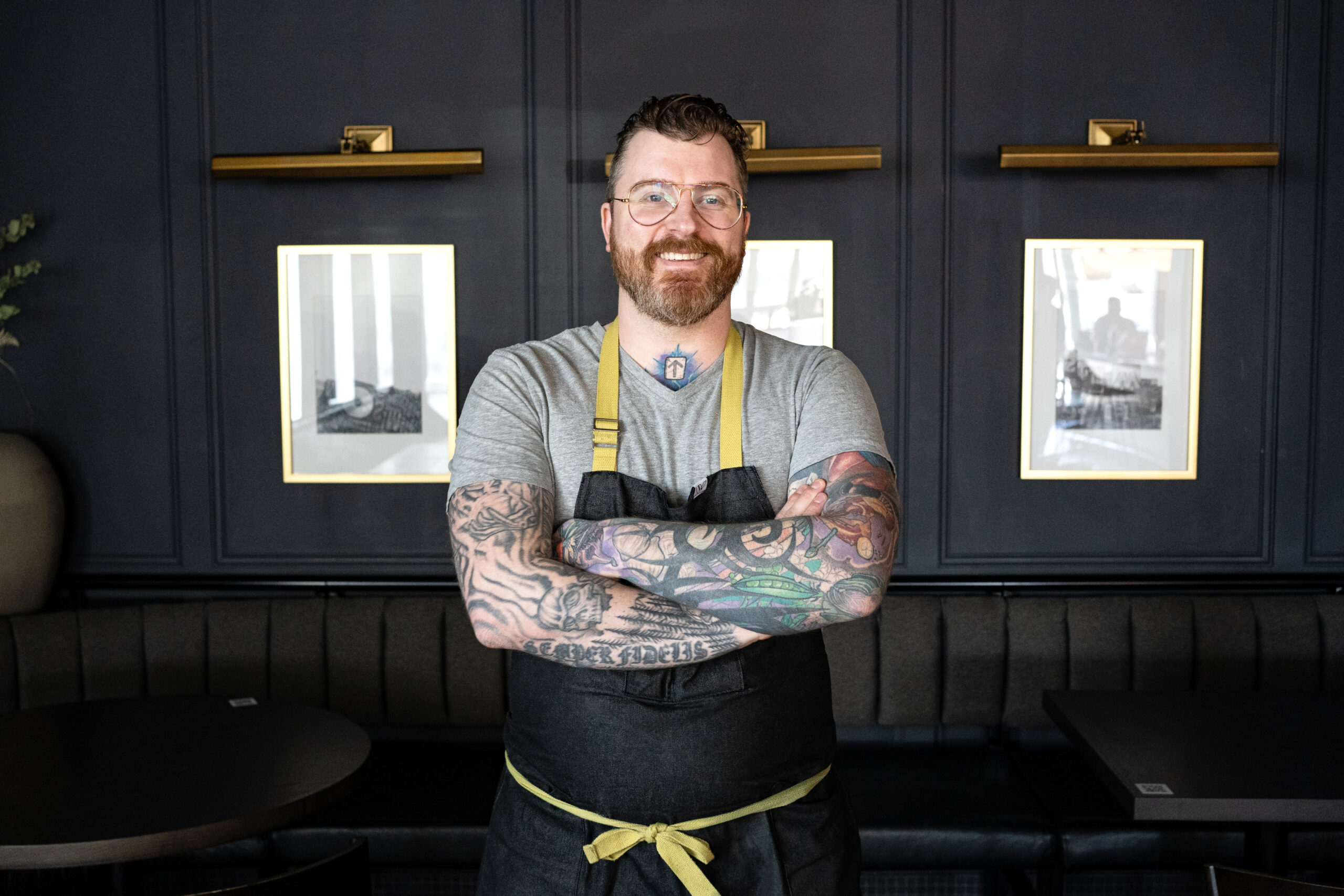
If the hit series The Bear has taught us anything, it’s that earning a Michelin Star is one of the highest honours a chef can receive. It takes grit, creativity, skill, and a deep passion for the craft. Gus Stieffenhofer-Brandson has mastered that secret sauce.
Michelin Star Chef. Partner of one of North America’s 50 Best Restaurants: Published on Main – listed as #17 on The World’s 50 Best list. These are just two of the accolades that Stieffenhofer-Brandson has on his resume. He’s humble about these accomplishments. But before he was an award-winning chef, he was an ambitious teenager from Winnipeg’s North End, figuring out what he wanted to do next
“Nearing the end of my high school time, my parents said, ‘if you want to cook for real and take this seriously, you should go to school,’” said Stieffenhofer-Brandson, a 2008 alum of the Culinary Arts program at RRC Polytech. That advice led him to the two-year program at RRC Polytech, a decision that would open the door for a work placement in Germany and eventually his future culinary career in Vancouver.
While his upbringing in a family that prioritized home-cooked meals and fresh produce from their Sperling, Manitoba farm instilled a deep appreciation for ingredients, he says his time at RRC Polytech put him in the right direction to pursue a successful career as a chef.
At 14, he had his first exposure to working in a kitchen environment as a dishwasher at The Old Spaghetti Factory. He moved up the ladder, eventually becoming an assistant kitchen manager, but the true value of that time was the environment itself and learning to understand the fast-paced demands of a kitchen. Stieffenhofer-Brandson truly believes that early experience gave him an edge when he enrolled in RRC Polytech’s Culinary Arts program.
“I kind of barreled through the first year of culinary because I was like, ‘I know how to do this,'” Stieffenhofer-Brandson recalled. “But then I had to slow down and start paying attention because there was so much product, time, and resources available to you and I knew I couldn’t waste it.”
His time in the Culinary Arts program taught him foundational skills he still uses today. He credits instructors like Tim Appleton, who stressed the importance of professionalism, standards, and the discipline required to succeed, and Don Pattie, who shared his skills and knowledge of contemporary and modernist cooking techniques.
“So many of the instructors were instrumental in shaping the direction I went in,” Stieffenhofer-Brandson said. “It really set the foundation of being better at learning. The lessons helped me to understand what I want to extract from whatever experience I’m having both in school and in every kitchen I’ve worked in since.”
Stieffenhofer-Brandson holds dual citizenship with Germany, so he completed his final work placement in the Culinary Arts program at a restaurant there in 2008.
Transitioning from a chain restaurant in Winnipeg to a boutique hotel in Germany opened his eyes to what was possible beyond the Prairies. While in Germany, he made important connections with a number of German chefs he worked and staged with. He also connected with chefs like Scott Jaeger and the late Cameron Huley, who were in Germany competing for the IKA Culinary Olympic Games for Team Canada. It was then that Jaeger told Stieffenhofer-Brandson to look him up when he was back in Canada – and he did.
“As soon as I finished that work term, I came back to Winnipeg for maybe three months and it all of a sudden had gotten a lot smaller,” Stieffenhofer-Brandson admitted. “I packed up into my Honda Civic, drove out west and have been here ever since.”
Through the professional connections he made in Germany, he was able to land his first professional culinary job after graduation at Scott Jaeger’s Burnaby restaurant, The Pear Tree.
He started at The Pear Tree as a “commis” (an entry level cook) earning the respect of his fellow chefs. He spent nearly six years there, a period he describes as “super formative” for establishing his standards. “If it’s not perfect, it’s not good enough,” became his mantra. It was also where he began to develop his leadership skills, running a small team and building the relationships with farmers and suppliers that define his work today.
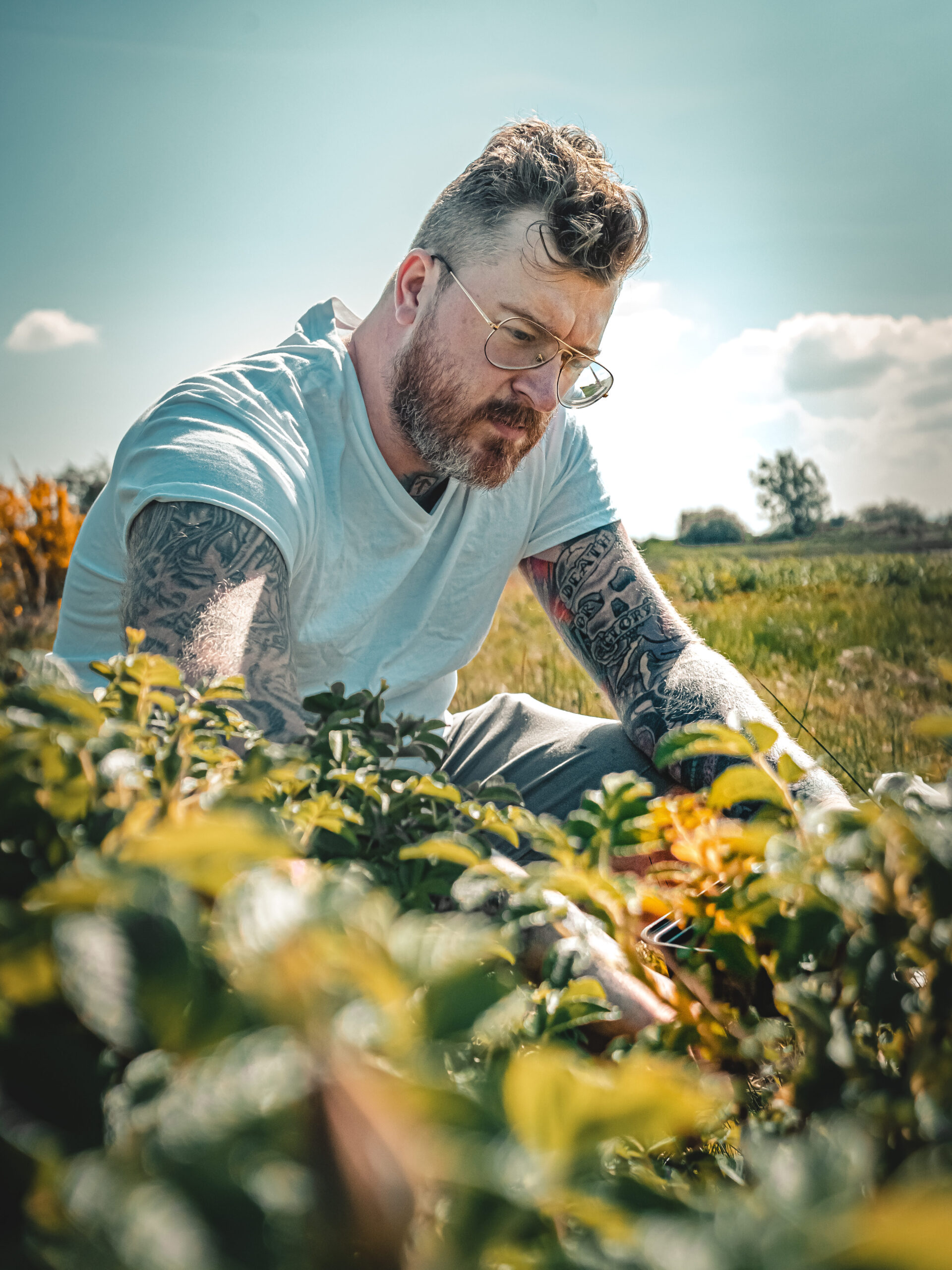
Now, Stieffenhofer-Brandson is chef and partner at his own restaurant, Published on Main, bringing a philosophy of farm-fresh, local ingredients to everything he creates. His menu is ingredient-driven, informed by European technique but influenced by the global melting pot of the West Coast. He works with a network of local foragers and farmers, fishers, makers and crafters, often venturing out himself to pick mushrooms, elderflowers, and wild berries. He also comes back home to Winnipeg each year to forage with his family.
“I think it’s important to tell the story of where in the world you are, what time of year it is,” Stieffenhofer-Brandson explained. “Seasonal ingredients are my favorite. They’re around for a limited time and they force you to appreciate them more.”
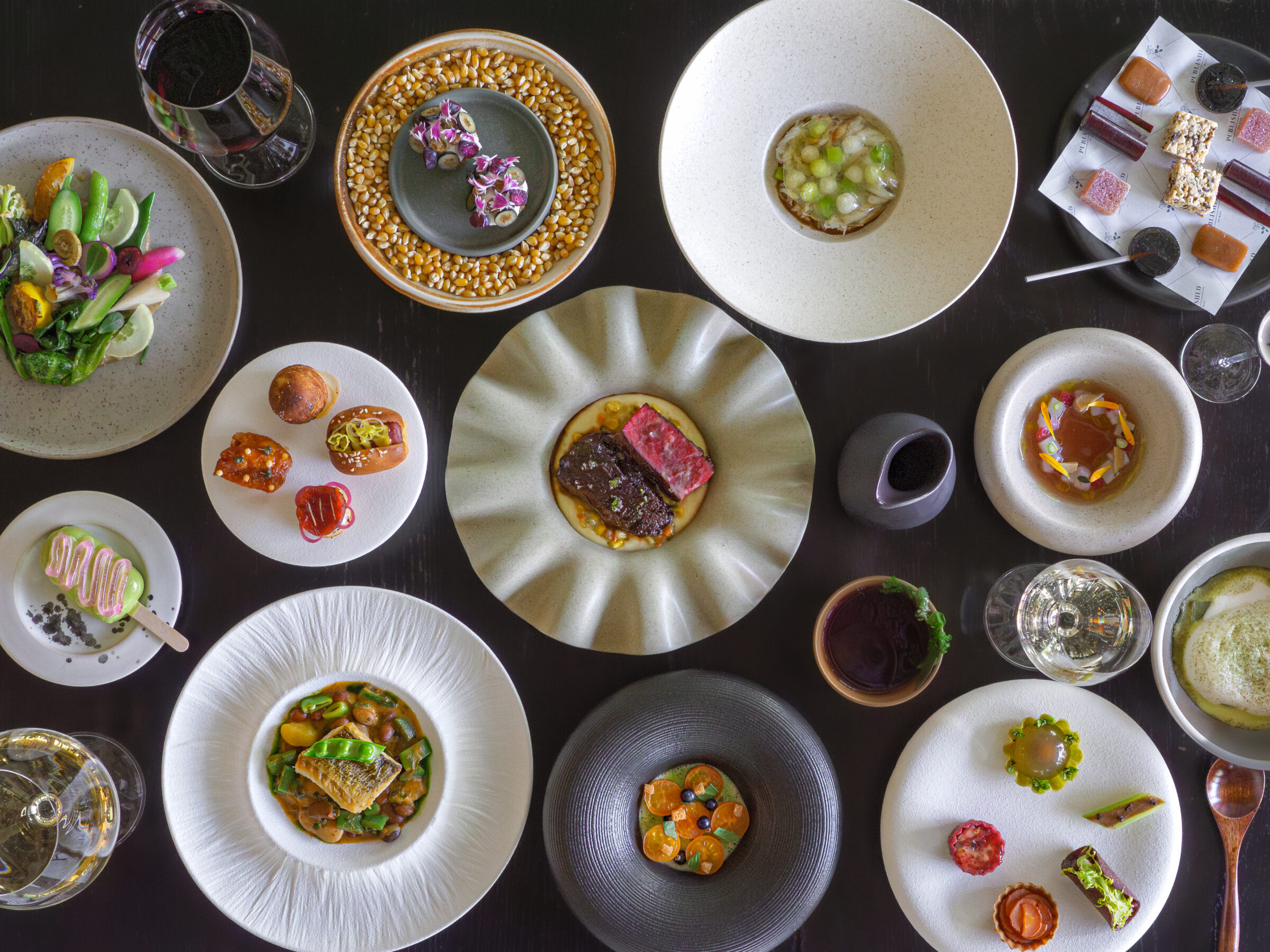
His day consists of farm visits, menu development, administrative duties, and the high pressure of dinner service.
“I thoroughly enjoy every part of my job,” he said. “I love service the most. I love putting food on plates.”
For prospective students and young cooks looking at a culinary career path, Stieffenhofer-Brandson’s advice is: “Don’t worry about the money. The money will come later. Just learn.”
He also encourages students to learn more about the kitchen before diving into the theory and technique. Working as a dishwasher first was instrumental in his understanding of how restaurant teams function and he believes really helped lead to his success now.
“There’s a sense of accomplishment in learning those prep tasks and really climbing the ladder,” he said. “Then you can really immerse yourself into those foundational skills and deeper learning opportunities at culinary school and get the most out of the instructors that are there to support you.”
He also stresses that vulnerability is a requirement for growth. He said, “knowing how and when to ask for help is super important. Asking for help is a sign of strength and not weakness.”
For Stieffenhofer-Brandson, the journey to becoming a partner in a renowned Vancouver kitchen is a testament to the power of foundational skills he learned during his time at RRC Polytech and a desire to continue learning. Even now, he carries the lessons from his early days in the Culinary Arts program with him such as sauce making, butchery, and the old-school French techniques.
“There’s always more to learn, and while there’s some things that I would have done differently now, the journey I took brought me to a pretty great place.”
Profile by Jennifer Pazdor (Creative Communications, 2019).