
Indigenous Staff Spotlights – Brikena Dibra

The Indigenous Staff Spotlights celebrate the voices, experiences, and career journeys of Indigenous faculty and staff at RRC Polytech.
Each story is an opportunity to recognize the success and contributions of our Indigenous colleagues while sharing their reflections and advice. By showcasing these diverse career pathways, the Spotlights highlight Indigenous excellence within our community and inspire colleagues, students, and future members of RRC Polytech to envision their own possibilities.
Brikena (Bri) Dibra
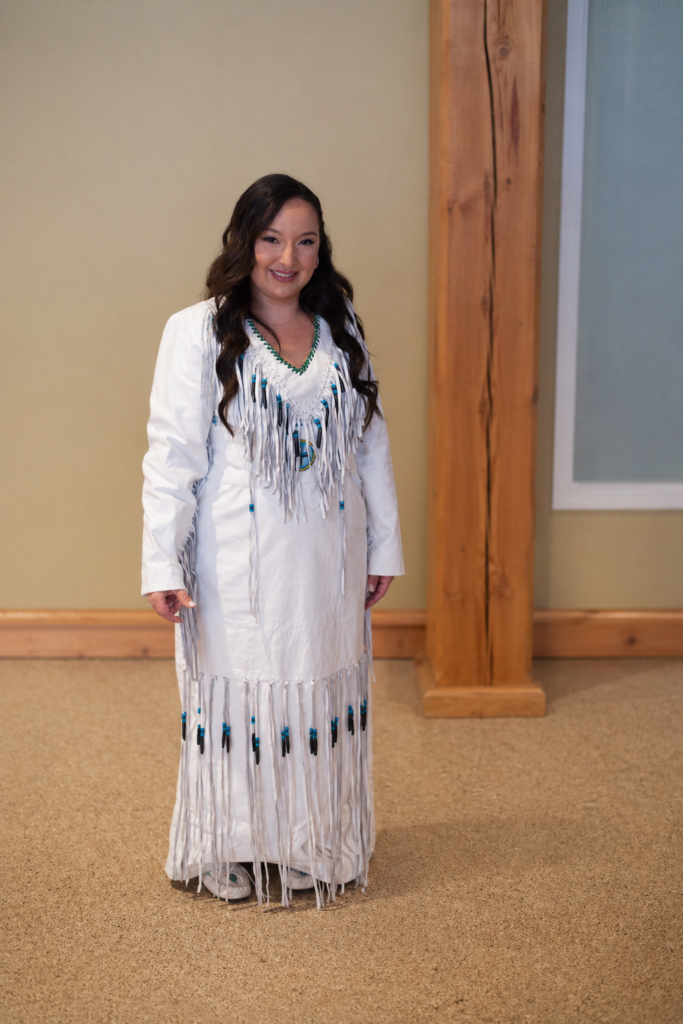
Job Title: Indigenous health and wellness instructor
Department/Team: Nursing
Preferred Pronouns: she/her
Nation: First Nations status
1. What inspired you to join RRC Polytech?
One of the biggest inspirations for joining RRC Polytech comes from my grandparents and the sacrifices they made for our family. Both of my grandparents attended residential school and experienced significant hardship and trauma. Despite everything they endured, they worked tirelessly to ensure that our family was cared for and had opportunities they never had. They carried the weight of their own pain while continuing to love, support, and provide for future generations.
Growing up, my family was impacted by intergenerational trauma, and life was not always easy. My grandparents adopted me and raised me with love, strength, and traditional teachings. They taught me the importance of perseverance, kindness, and caring for others. In our family, looking after one another is a responsibility and a gift. From a young age, I helped care for my younger brother and cousins, and those experiences taught me how to nurture, support, and advocate for others. Those lessons ultimately inspired me to pursue nursing.
I joined RRC Polytech because I wanted to make a difference for Indigenous peoples and communities. I wanted to show other Indigenous students that we belong in these spaces, that we are capable of achieving our goals, and that our voices, cultures, and knowledge are valuable. Through education, I hope to honour my grandparents’ resilience and continue the work of supporting Indigenous health, wellness, and future generations. Their strength and teachings remind me everyday that no matter what challenges we face, we can keep moving forward and create positive change for our communities.
2. What has been most rewarding about your work?
One of the most rewarding parts of my work has been teaching students to challenge stereotypes and avoid making judgments about Indigenous peoples. I encourage students to look inward and critically examine their own values, assumptions, and biases rather than simply accepting what they have heard or witnessed. Through reflection, dialogue, and evidence-informed learning, students begin to understand that many assumptions about Indigenous peoples are rooted in misinformation, colonialism, and systemic racism.
I am particularly passionate about teaching anti-racism frameworks, such as the CPR RACISM framework (Holly Graham, 2024), which provide students with practical tools to recognize and respond to racism in healthcare settings. I want future nurses to have the courage to speak up when they witness discrimination and to advocate for patients who may be vulnerable. Cases such as Brian Sinclair remind us of the devastating consequences that can occur when racism and assumptions go unchallenged within healthcare systems.
What I find most meaningful is seeing students develop the humility to question their own perspectives and recognize that there are often multiple truths and experiences within the same story. Watching students grow in their understanding of cultural safety, empathy, and advocacy gives me hope for the future of healthcare. Knowing that these future nurses may help prevent harm, improve patient experiences, and provide more equitable care is one of the greatest rewards of my work.
3. What supports, resources, or relationships have been most meaningful in helping you succeed in your role?
The supports and relationships that have been most meaningful in helping me succeed in my role have been the people around me, particularly my chairs and my Indigenous colleagues. Their guidance, encouragement, and belief in the importance of Indigenous education have helped me navigate challenges and continue growing as an educator.
My Indigenous colleagues within both the nursing department and Indigenous Student Support Services have been especially important. They understand the unique responsibilities that come with Indigenous education and advocacy, and they have provided mentorship, collaboration, and a sense of community. Their support has reminded me that I am not doing this work alone and that we are all working toward the shared goal of creating a more culturally safe and inclusive learning environment for students.
These relationships have also been a source of motivation. Seeing the dedication of my colleagues to supporting Indigenous students and advancing reconciliation inspires me to continue this work, even when it is difficult. Their knowledge, lived experiences, and commitment to Indigenous success have helped shape my own teaching and leadership practices. Together, we continue to create spaces where Indigenous students feel seen, supported, and empowered to succeed.
4. What advice would you share with new Indigenous staff starting their careers here?
My advice to new Indigenous staff is to be proud of who you are and the knowledge, experiences, and strengths you bring with you. Build relationships with colleagues and mentors who support you, and do not be afraid to ask for help when you need it. Remember that your voice matters, your perspective is valuable, and your presence helps create positive change for future Indigenous students and communities. Most importantly, take care of yourself and celebrate the impact you are making, even when the work feels challenging.
5. What Indigenous book, podcast, artist, business, or initiative would you recommend to others?
I would recommend exploring the scholarly work of Indigenous scholars who are advancing Indigenous health, cultural safety, and anti-racism in meaningful ways. One resource I often recommend is the work of Holly Graham and colleagues on the CPR RACISM framework, which provides practical guidance for recognizing and responding to racism in healthcare and educational settings. Indigenous-led scholarship helps us better understand the impacts of colonialism while offering pathways toward reconciliation and culturally safe practice.
For something more lighthearted and entertaining, I recommend watching the TV show Acting Good. Filmed in and around Brokenhead Ojibway Nation, the series showcases Indigenous humour, community, and contemporary Indigenous life in a way that is both funny and relatable. It is a great example of Indigenous storytelling and representation in Canadian media.
If you are interested in sharing your story, please complete the online form here: Indigenous Staff Spotlights Submission Form
For questions or support, contact Indigenoustalent@rrc.ca.
We look forward to celebrating your journeys!