Three flags flying on flag poles

Truth and Reconciliation and Community Engagement

Indigenous Staff Spotlights

Indigenous Staff Spotlights – Brikena Dibra

June 17, 2026

The Indigenous Staff Spotlights celebrate the voices, experiences, and career journeys of Indigenous faculty and staff at RRC Polytech.

Each story is an opportunity to recognize the success and contributions of our Indigenous colleagues while sharing their reflections and advice. By showcasing these diverse career pathways, the Spotlights highlight Indigenous excellence within our community and inspire colleagues, students, and future members of RRC Polytech to envision their own possibilities.

Brikena (Bri) Dibra

Job Title: Indigenous health and wellness instructor
Department/Team: Nursing
Preferred Pronouns: she/her
Nation: First Nations status

1. What inspired you to join RRC Polytech?

One of the biggest inspirations for joining RRC Polytech comes from my grandparents and the sacrifices they made for our family. Both of my grandparents attended residential school and experienced significant hardship and trauma. Despite everything they endured, they worked tirelessly to ensure that our family was cared for and had opportunities they never had. They carried the weight of their own pain while continuing to love, support, and provide for future generations.

Growing up, my family was impacted by intergenerational trauma, and life was not always easy. My grandparents adopted me and raised me with love, strength, and traditional teachings. They taught me the importance of perseverance, kindness, and caring for others. In our family, looking after one another is a responsibility and a gift. From a young age, I helped care for my younger brother and cousins, and those experiences taught me how to nurture, support, and advocate for others. Those lessons ultimately inspired me to pursue nursing.

I joined RRC Polytech because I wanted to make a difference for Indigenous peoples and communities. I wanted to show other Indigenous students that we belong in these spaces, that we are capable of achieving our goals, and that our voices, cultures, and knowledge are valuable. Through education, I hope to honour my grandparents’ resilience and continue the work of supporting Indigenous health, wellness, and future generations. Their strength and teachings remind me everyday that no matter what challenges we face, we can keep moving forward and create positive change for our communities.

2. What has been most rewarding about your work?

One of the most rewarding parts of my work has been teaching students to challenge stereotypes and avoid making judgments about Indigenous peoples. I encourage students to look inward and critically examine their own values, assumptions, and biases rather than simply accepting what they have heard or witnessed. Through reflection, dialogue, and evidence-informed learning, students begin to understand that many assumptions about Indigenous peoples are rooted in misinformation, colonialism, and systemic racism.

I am particularly passionate about teaching anti-racism frameworks, such as the CPR RACISM framework (Holly Graham, 2024), which provide students with practical tools to recognize and respond to racism in healthcare settings. I want future nurses to have the courage to speak up when they witness discrimination and to advocate for patients who may be vulnerable. Cases such as Brian Sinclair remind us of the devastating consequences that can occur when racism and assumptions go unchallenged within healthcare systems.

What I find most meaningful is seeing students develop the humility to question their own perspectives and recognize that there are often multiple truths and experiences within the same story. Watching students grow in their understanding of cultural safety, empathy, and advocacy gives me hope for the future of healthcare. Knowing that these future nurses may help prevent harm, improve patient experiences, and provide more equitable care is one of the greatest rewards of my work.

3. What supports, resources, or relationships have been most meaningful in helping you succeed in your role?

The supports and relationships that have been most meaningful in helping me succeed in my role have been the people around me, particularly my chairs and my Indigenous colleagues. Their guidance, encouragement, and belief in the importance of Indigenous education have helped me navigate challenges and continue growing as an educator.

My Indigenous colleagues within both the nursing department and Indigenous Student Support Services have been especially important. They understand the unique responsibilities that come with Indigenous education and advocacy, and they have provided mentorship, collaboration, and a sense of community. Their support has reminded me that I am not doing this work alone and that we are all working toward the shared goal of creating a more culturally safe and inclusive learning environment for students.

These relationships have also been a source of motivation. Seeing the dedication of my colleagues to supporting Indigenous students and advancing reconciliation inspires me to continue this work, even when it is difficult. Their knowledge, lived experiences, and commitment to Indigenous success have helped shape my own teaching and leadership practices. Together, we continue to create spaces where Indigenous students feel seen, supported, and empowered to succeed.

4. What advice would you share with new Indigenous staff starting their careers here?

My advice to new Indigenous staff is to be proud of who you are and the knowledge, experiences, and strengths you bring with you. Build relationships with colleagues and mentors who support you, and do not be afraid to ask for help when you need it. Remember that your voice matters, your perspective is valuable, and your presence helps create positive change for future Indigenous students and communities. Most importantly, take care of yourself and celebrate the impact you are making, even when the work feels challenging.

5. What Indigenous book, podcast, artist, business, or initiative would you recommend to others?

I would recommend exploring the scholarly work of Indigenous scholars who are advancing Indigenous health, cultural safety, and anti-racism in meaningful ways. One resource I often recommend is the work of Holly Graham and colleagues on the CPR RACISM framework, which provides practical guidance for recognizing and responding to racism in healthcare and educational settings. Indigenous-led scholarship helps us better understand the impacts of colonialism while offering pathways toward reconciliation and culturally safe practice.

For something more lighthearted and entertaining, I recommend watching the TV show Acting Good. Filmed in and around Brokenhead Ojibway Nation, the series showcases Indigenous humour, community, and contemporary Indigenous life in a way that is both funny and relatable. It is a great example of Indigenous storytelling and representation in Canadian media.


If you are interested in sharing your story, please complete the online form here: Indigenous Staff Spotlights Submission Form

For questions or support, contact Indigenoustalent@rrc.ca.

We look forward to celebrating your journeys!
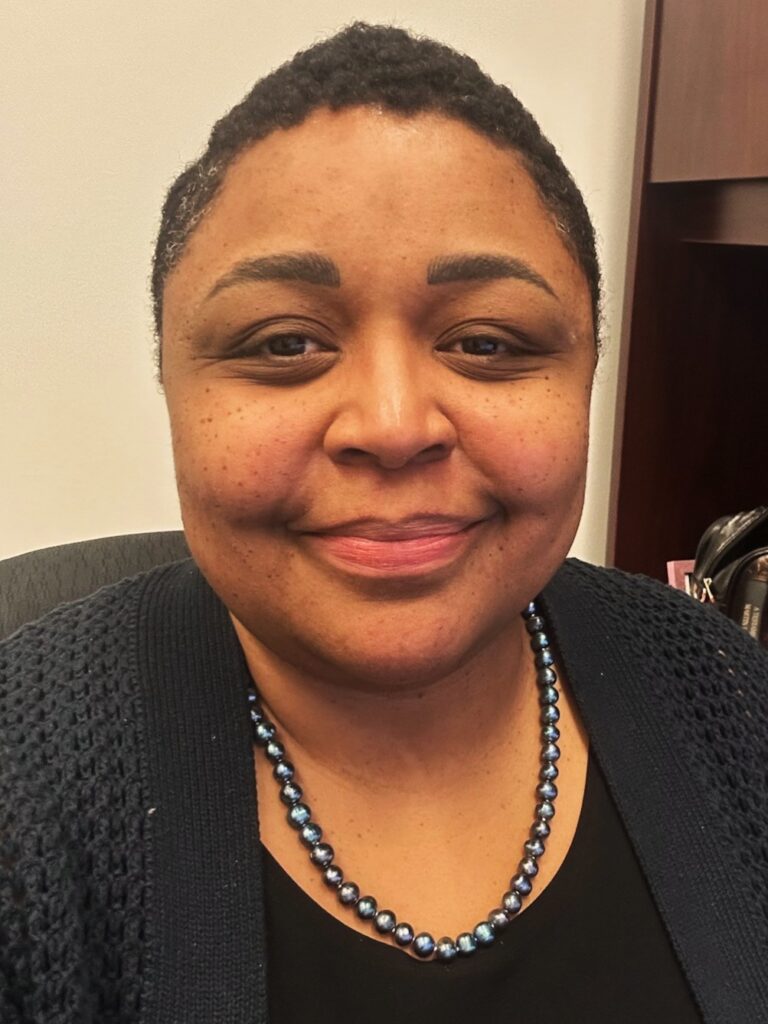
Indigenous Staff Spotlights – Thomasena Downes-Mitchell

April 15, 2026

The Indigenous Staff Spotlights celebrate the voices, experiences, and career journeys of Indigenous faculty and staff at RRC Polytech.

Each story is an opportunity to recognize the success and contributions of our Indigenous colleagues while sharing their reflections and advice. By showcasing these diverse career pathways, the Spotlights highlight Indigenous excellence within our community and inspire colleagues, students, and future members of RRC Polytech to envision their own possibilities.

Thomasena Downes-Mitchell

Job Title: Manager Indigenous Student Recruitment
Department/Team: Student Supports
Preferred Pronouns: Any
Nation: First Nation from Ditibineya-Ziibiing (Rolling River First Nation)

1. What inspired you to join RRC Polytech?

I am a RRC Polytech alum. In 2014, I graduated from the Business Administration diploma program. I really enjoyed the robustness of the program and interacting with the diversity of my classmates and the wider student body. It was an enriching experience that gave me the confidence to pursue advanced
studies.

2. What has been most rewarding about your work?

Assisting Indigenous learners to realize their dreams on their own terms. Expanding horizons, nurturing potential, engaging with rightsholders, stakeholders, Nations and community members to answer questions and connect them with internal supports. Be a conduit to success.

3. What supports, resources, or relationships have been most meaningful in helping you succeed in your role?

My Director Laureen Janzen of Student Support Services and the management team have been instrumental in succeeding in my role. I feel at times people disregard the significance of allyship and the only way we are going to grow and learn is if we do it together. For me this is not optional but a requirement and RRC Polytech is an example of an academic institution that supports its words with action.

4. What advice would you share with new Indigenous staff starting their careers here?

You can bring your whole self to work. Be respectful, remember the teachings of our Ancestors, work hard and RRC Polytech will be here to support your learning and growth along the way. Also, do not be afraid to try, pursue your dreams unapologetically. Bet on yourself because you ARE your Ancestors wildest dreams. Walk in that knowledge, comfort and care.

5. What Indigenous book, podcast, artist, business, or initiative would you recommend to others?

Be Unapologetically You – Adeline Bird.

6. Do you have a favorite quote?

“While it may be true that morality cannot be legislated, behavior can be regulated. It may be true that law cannot change the heart but it can restrain the heartless.” – Dr. Martin Luther King Jr.

“After the famine there’s a feast.” – Victor Palmer.

“Challenge what the future holds.” – Des’ree.

“Be individuals.” – Tupac Shakur.


If you are interested in sharing your story, please complete the online form here: Indigenous Staff Spotlights Submission Form

For questions or support, contact Indigenoustalent@rrc.ca.

We look forward to celebrating your journeys!

Indigenous Staff Spotlights – Terri-Lynn Anderson

March 13, 2026

The Indigenous Staff Spotlights celebrate the voices, experiences, and career journeys of Indigenous faculty and staff at RRC Polytech.

Each story is an opportunity to recognize the success and contributions of our Indigenous colleagues while sharing their reflections and advice. By showcasing these diverse career pathways, the Spotlights highlight Indigenous excellence within our community and inspire colleagues, students, and future members of RRC Polytech to envision their own possibilities.

Terri-Lynn Anderson

Job Title: Chair, Professional Studies and Micro-Credentials
Department/Team: School of Continuing Education
Preferred Pronouns: She/her/hers
Nation: First Nation (Mother’s side – Fisher River Cree Nation) and Red River Métis (Father’s side)

1. What inspired you to join RRC Polytech?

When I worked at the Louis Riel Institute Adult Learning Centre, I would often bring my students to the Open House at RRC Polytech and loved the atmosphere. I knew that this was somewhere I wanted to work, to help support students be successful.

2. What has been most rewarding about your work?

Meeting students where they are at, walking alongside them on their journey to pursue post-secondary credentials, and supporting and advocating for them while empowering them to advocate for themselves.

3. What supports, resources, or relationships have been most meaningful in helping you succeed in your role?

Connecting with Elder Paul, Knowledge Keeper Richard, Grandmother Janice, and Marilyn Dykstra has been instrumental in my healing journey as an Indigenous woman with lived experience. This healing has enabled me to show up fully for students, who are the reason we are all here. It is important that we do everything we can to support them on their journeys. Over the last four years that I have been at the Polytech, many colleagues have helped shape me into the person I am today. I am deeply grateful for every experience, both good and challenging, as each has taught me valuable lessons and contributed to the knowledge I carry today.

4. What advice would you share with new Indigenous staff starting their careers here?

Find your community. Build connections and seize the many opportunities we are given to participate in land-based learning and ceremony. Sit with the Elders-in-Residence. They share so much wisdom and knowledge that can help you, and the students you support.

5. What Indigenous book, podcast, artist, business, or initiative would you recommend to others?

Night Spirits – The Story of the Relocation of the Sayisi Dene By Ila Bussidor and Ustun Bilgen-Reinart

6. Do you have a favorite quote?

“Peace and love”


If you are interested in sharing your story, please complete the online form here: Indigenous Staff Spotlights Submission Form

For questions or support, contact Indigenoustalent@rrc.ca.

We look forward to celebrating your journeys!
Indigenous Staff Spotlights – Jeff Herkimer

November 14, 2025

The Indigenous Staff Spotlights celebrate the voices, experiences, and career journeys of Indigenous faculty and staff at RRC Polytech.

Each story is an opportunity to recognize the success and contributions of our Indigenous colleagues while sharing their reflections and advice. By showcasing these diverse career pathways, the Spotlights highlight Indigenous excellence within our community and inspire colleagues, students, and future members of RRC Polytech to envision their own possibilities.

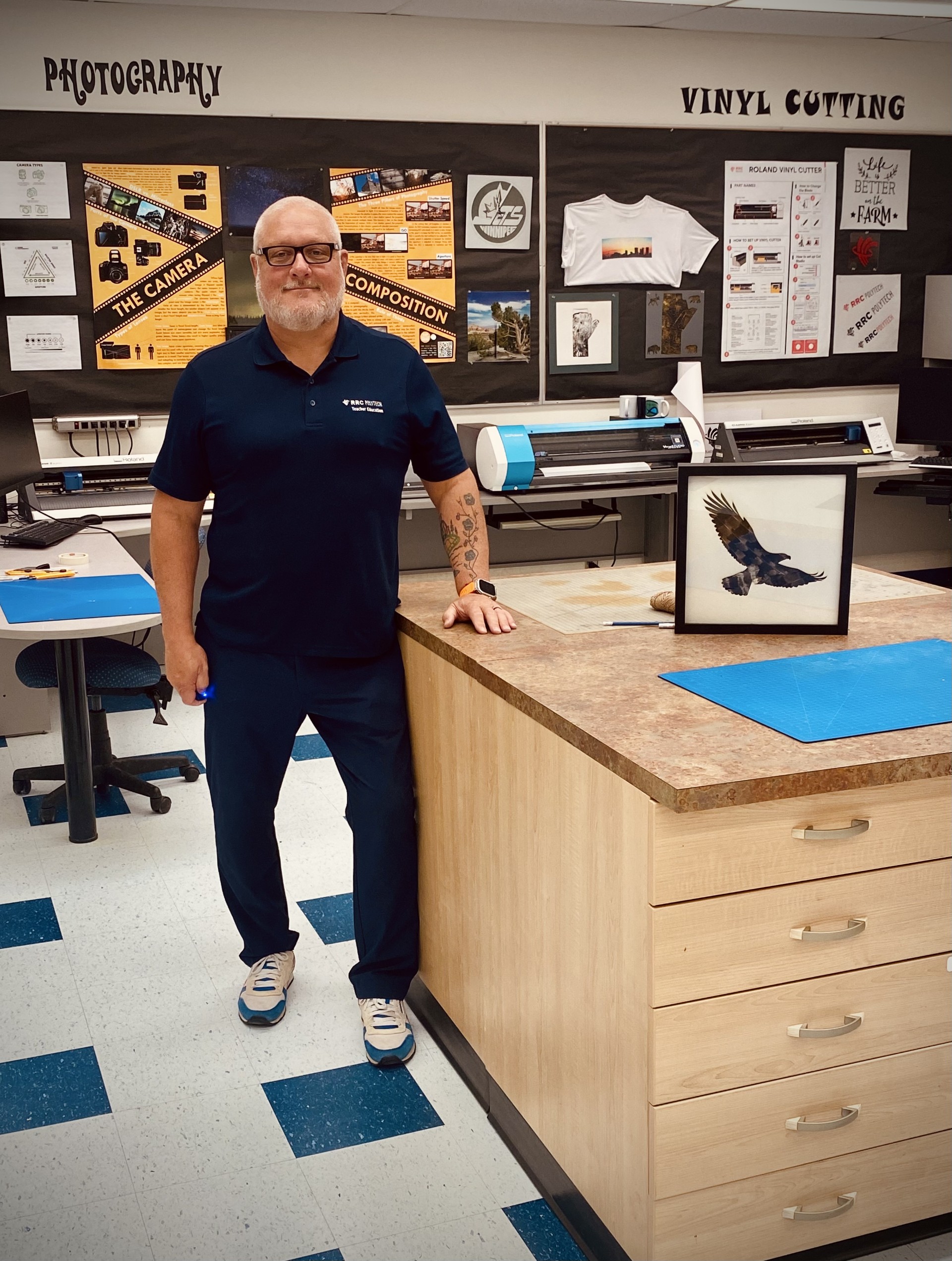
Jeff Herkimer

Job Title: Instructor
Department/Team: Teacher Education
Preferred Pronouns: He/Him/His

1. What inspired you to join RRC Polytech?

As a graduate of the Industrial Arts Teacher Education Program at RRC Polytech, I’ve always felt a strong connection to the place that helped launch my teaching career. The program gave me the tools, confidence, and inspiration to do what I love, and I’ve always hoped to come back and be part of it again. It’s exciting to have the chance to contribute to a program that played such a big role in shaping my journey as an educator.

2. What has been most rewarding about your work?

I really enjoy being part of a dedicated team of educators who work hard to support and prepare future teachers for the classroom. It’s rewarding to collaborate with colleagues who share a passion for helping students grow into confident, capable educators. One of the aspects I value most is having the opportunity to introduce our students to the concept of decolonizing education. It opens important conversations about inclusivity, representation, and rethinking traditional approaches to teaching. Being able to guide students through these ideas and watch their perspectives evolve is one of the most meaningful parts of the work we do.

3. What supports, resources, or relationships have been most meaningful in helping you succeed in your role?

One of the most meaningful resources I’ve come to rely on at RRC Polytech is the incredible team within the Indigenous Education department. As a reconnecting Indigenous educator, their support has played a vital role in helping me deepen my understanding of my culture and identity. Through their services, conversations, and programming, I’ve been able to grow both personally and professionally. Their presence has not only enriched my own journey, but also helped me bring more cultural awareness and authenticity into my teaching practice.

4. What advice would you share with new Indigenous staff starting their careers here?

One piece of advice I’d offer to Indigenous educators who are new to RRC Polytech is to get involved, stay curious, and take full advantage of the incredible knowledge and support available here. Reach out to others, whether it’s fellow educators, staff, or the Indigenous Education department and don’t hesitate to ask questions or share your experiences. There’s a strong sense of community here and engaging with it can be both empowering and enriching. The journey of reconnecting with culture and identity is deeply personal, but you don’t have to walk it alone. There are so many opportunities to learn, grow, and feel supported along the way.

5. What Indigenous book, podcast, artist, business, or initiative would you recommend to others?

I make a conscious effort to support Indigenous entrepreneurs whenever I can, whether it’s through purchasing art, clothing, or other creative work. It’s important to me to uplift Indigenous voices and talent in everyday choices. One Indigenous author I always recommend is my good friend Waubgeshig Rice. His writing is powerful, thoughtful, and deeply rooted in culture and storytelling. Following his work is a great way to engage with contemporary Indigenous perspectives and narratives.

6. Do you have a favorite quote?

“Education is what got us here, and education is what will get us out.” The Honourable Murray Sinclair.


If you are interested in sharing your story, please complete the online form here: Indigenous Staff Spotlights Submission Form

For questions or support, contact Indigenoustalent@rrc.ca.

We look forward to celebrating your journeys!

Indigenous Staff Spotlights – Adam Nepon

October 6, 2025

The Indigenous Staff Spotlights celebrate the voices, experiences, and career journeys of Indigenous faculty and staff at RRC Polytech.

Each story is an opportunity to recognize the success and contributions of our Indigenous colleagues while sharing their reflections and advice. By showcasing these diverse career pathways, the Spotlights highlight Indigenous excellence within our community and inspire colleagues, students, and future members of RRC Polytech to envision their own possibilities.

Adam Nepon

Job Title: Manager, Business Development- Health Transformation
Department/Team: – Corporate Solutions
Preferred Pronouns: He/Him/His

1. What inspired you to join RRC Polytech?

I was drawn to RRC Polytech because of the leaders here who had inspired me long before I became an employee. Their commitment to Truth and Reconciliation motivated me to deepen my own understanding and continue on a path of learning and unlearning. Joining RRC Polytech felt like an opportunity to contribute to that ongoing journey in a meaningful way.

2. What has been most rewarding about your work?

For me, it’s the ability to combine my professional skills in business and human resources with my personal commitment to Indigenous economic development. Supporting both colleagues and students to see their own potential and to know that their voices matter is incredibly rewarding.

3. What supports, resources, or relationships have been most meaningful in helping you succeed in your role?

My path has not been linear. I started university with big dreams, but I struggled with academics, eventually leaving with a 0.87 GPA. At the time, I thought that failure defined me. I stepped away, worked, and slowly rebuilt my confidence. Eventually, I returned to post-secondary at RRC Polytech, where I discovered a new direction in business administration that led to a graduate degree focused on Indigenous economic development. That experience was a turning point that reshaped my entire life and career. It helped me see that my setbacks weren’t the end of my story, but the beginning of a different one.

Along the way, I also became more aware of the complexity of my own identity. As someone with fair skin and male privilege, my cultural ties are often “invisible.” This has meant that I can step in and out of my Indigenous identity, depending on whether I feel safe or threatened. That privilege comes with responsibility: to acknowledge it, to use it to open doors for others, and to keep pushing myself to unlearn and relearn what it means to be Indigenous in this country.

4. What advice would you share with new Indigenous staff starting their careers here?

Your path doesn’t have to be perfect to be powerful. Sometimes setbacks are the very experiences that prepare you for success. Stay curious, ask for support, and know that your journey (whatever path it takes) can inspire others.

5. What Indigenous book, podcast, artist, business, or initiative would you recommend to others?

One that was a perfect read for me was Bob Joseph’s 21 Things You May Not Know About the Indian Act. 

I encourage people to seek out local Indigenous voices, media creators, social media influencers, authors, businesses, artists, Elders, and community organizations. Each one contributes a piece of knowledge and perspective that helps us collectively reimagine what it means to be Indigenous. 

Today, I see this role at RRC Polytech as more than a job. It’s an opportunity to celebrate Indigenous excellence, inspire colleagues and students, and create space for authentic voices and experiences.  If there’s one thing I hope others take from my story, it’s that your path doesn’t have to be perfect to be powerful,” Adam says. “Keep going, keep learning, and remember—you belong here.”

6. Do you have a favorite quote?

This is paraphrasing Dawnis Kennedy, a previous Instructor for a course I did during graduate degree- Aboriginal Spirituality and Healing Ways, with regards to “being Indigenous”- …

There is no being a little bit Indigenous, you either are, or you aren’t.

For me during a time when I was questioning my cultural place it was very powerful when I was going through an internal battle of cultural identity.


If you are interested in sharing your story, please complete the online form here: Indigenous Staff Spotlights Submission Form

For questions or support, contact Indigenoustalent@rrc.ca.

We look forward to celebrating your journeys!

RRC Polytech campuses are located on the lands of the Anishinaabeg, Ininiwak, Anishininwak, Dakota Oyate, and Denésuline, and the National Homeland of the Red River Métis.

We recognize and honour Treaty 3 Territory Shoal Lake 40 First Nation, the source of Winnipeg’s clean drinking water. In addition, we acknowledge Treaty Territories which provide us with access to electricity we use in both our personal and professional lives.