Three flags flying on flag poles

Truth and Reconciliation and Community Engagement

News

Our Roadmap Forward on CJOB – Overcoming Barriers

July 10, 2026

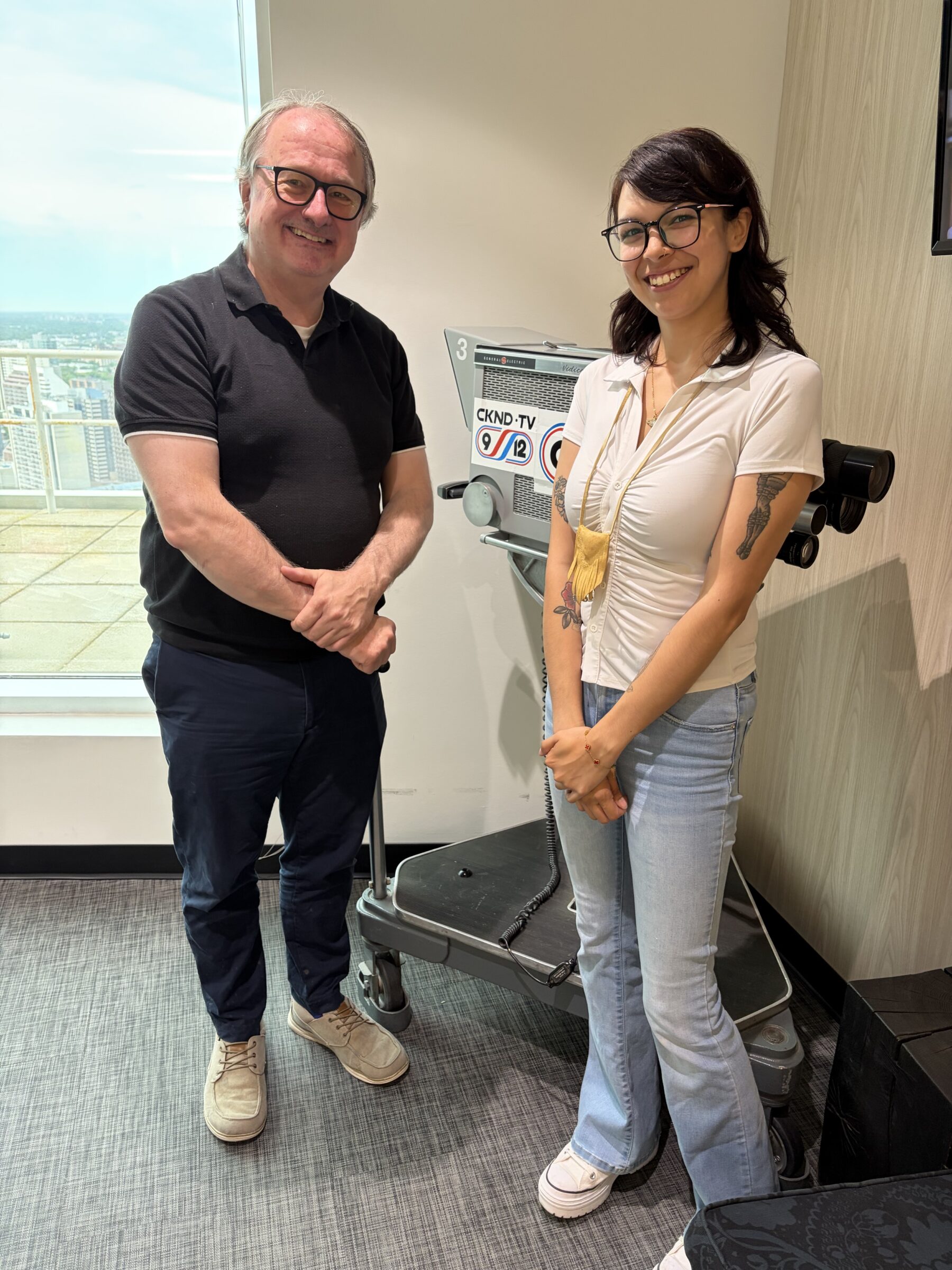
Jamie Wilson, VP, Indigenous Strategy, Research and Business Development, went on CJOB to talk about the release of Our Roadmap Forward Report as part of Overcoming Barriers for Indigenous Students Project along with alumni Joey Laquette, Plumbing, and Hevyn-Lee Martens, Social Innovation and Community Development. Joey and Hevyn-Lee shared their college experiences on-air and discussed the community they found at RRC Polytech.

Launching Our Roadmap Forward – Ensuring the Success of Indigenous Students to Address Systemic Barriers

June 24, 2026

Our Roadmap Forward – Ensuring the Success of Indigenous Students focuses on addressing systemic barriers and improving outcomes for Indigenous learners at RRC Polytech. The report builds on the Overcoming Barriers for Indigenous Students project, launched in 2022, and reflects extensive community-guided research, conversations, and data analysis. This work identified 73 root factors influencing the success of First Nations, Inuit, and Métis students, highlighting the need for coordinated, system-wide change.

The report is organized around five priority areas – essential life needs, funding and enrolment, academic readiness, student experience, and institutional culture – and outlines both current and future actions.

Leading People and Investing to Build Sustainable Communities with Thomasena Downes-Mitchell

May 25, 2026

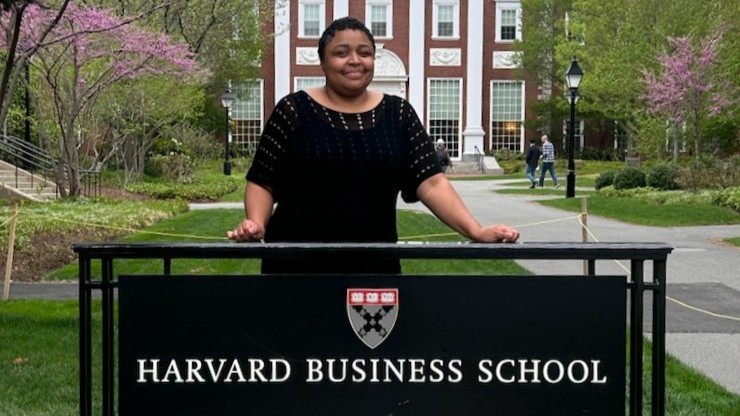
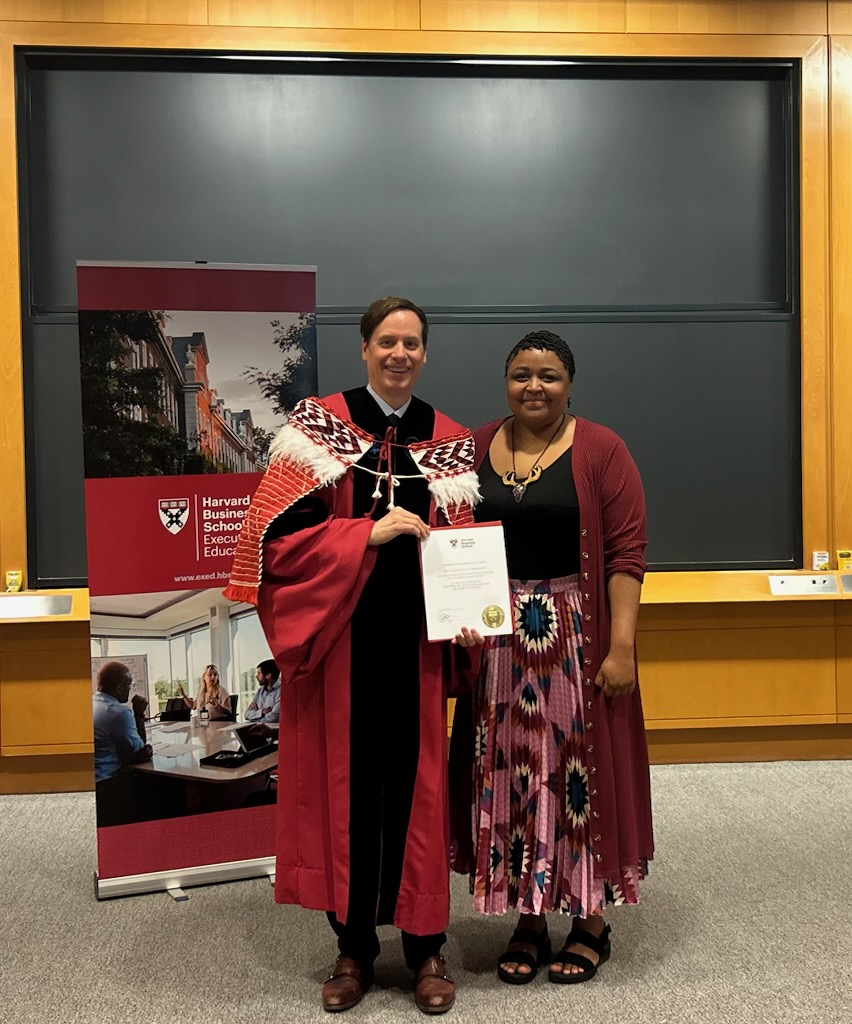
Thomasena Downes-Mitchell, Manager, Indigenous Student Recruitment, shares her experience at Harvard University.

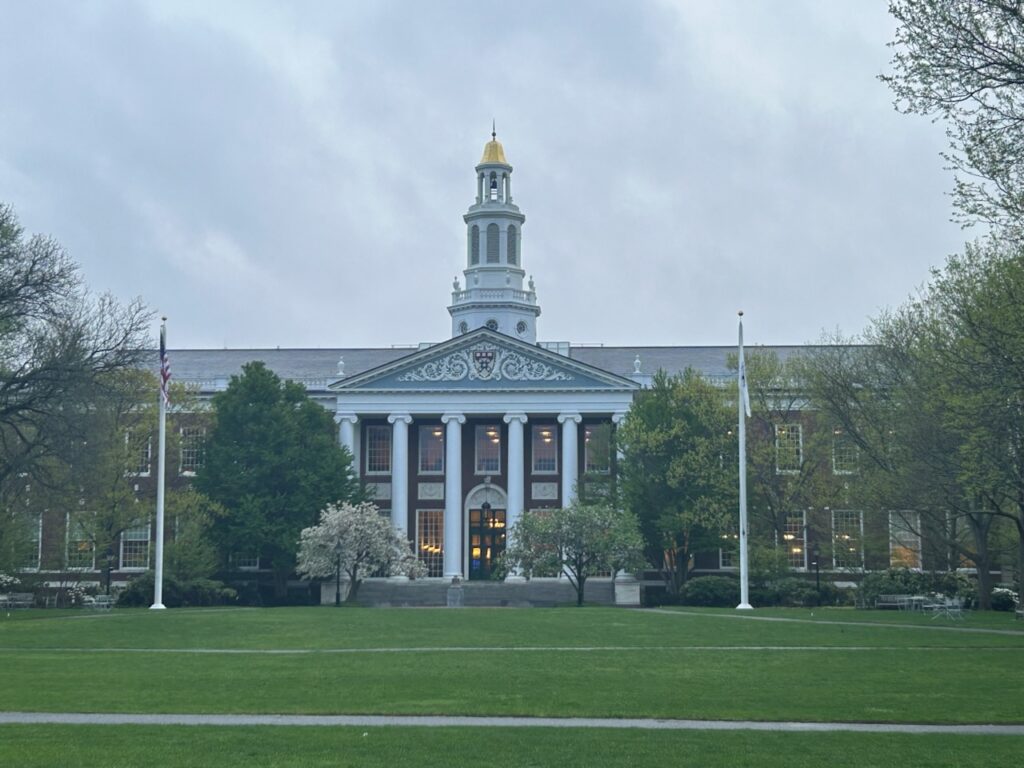
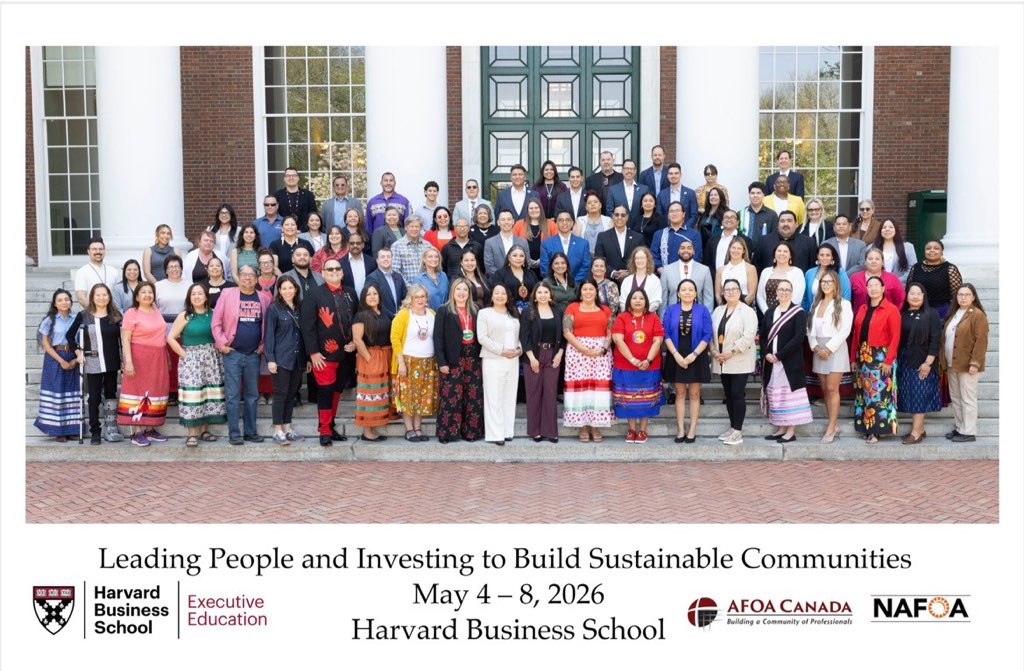
I had the honour to attend Harvard University from May 4th, 2026, to May 8th, 2026, to attend their Executive Education program called “Leading People and Investing to Build Sustainable Communities.” Harvard University has a partnership with AFOA which allows Indigenous people from around the world to attend Harvard’s campus to learn from one of the best universities on Turtle Island.  

It was a transformative experience where I was able to collaborate and connect with 88 Indigenous thought leaders from Canada, the United States of America, Australia and New Zealand. Classrooms can be equalizers, what I mean by that is that it didn’t matter what job titles we had, whether we worked in recruitment or if we were running our Nations at home or abroad, everyone was humble, kind, engaged, and ready to learn.  

What kinds of things did you learn that surprised you? 

How down to earth everyone was including Harvard professors and personnel. The professors had a fantastic sense of humor, and one of them was born and raised in Winnipeg, Manitoba, and grew up in Fort Richmond. I asked him how he ended up going from Winnipeg to Harvard, I asked him if he took a wrong turn, and we had a good chuckle.  

There could have been egos the size of Mount Everest, but it was the complete opposite. I can honestly say that it felt more like a warm embrace. In a time when lateral violence and intergenerational trauma dominate the news, politics and sometimes our workspaces, attending Harvard University was the antithesis of that; it was intergenerational excellence. An Indigenous gentleman wore a shirt that said, “I am my Ancestors wildest dream” and I second that, as we all are – regardless of color.  

I learned that it costs 6 billion dollars to run Harvard University each year. 2.5 billion comes from their endowment, which is a little bit less than what tuition contributes. I learned that the person who manages Harvard’s endowment earns 10x’s more than Harvard’s President on a bad day. Staggering amounts of money. Also, graduating with a university degree from Harvard increases your chances by 50% to be hired by the top 1% employers in the USA.  

I witnessed Maori people greeting our Professor David Ager by pressing their noses and foreheads together. It’s called the hongi. It symbolizes the sharing of the ha (breath of life) and unity between two people, effectively connecting the manuhiri (visitor) with the tangata whenua (people of the land). 

What is your key takeaway? 

Believe in yourself. Despite any self-doubt, or nay-sayers, or even sometimes when life gets us down. Even with that in front of us, we need to progress and move forward. Be the champion of your own success. We only get one chance in life, so it’s important to make the best of it. Never in a million years did I think I would attend Harvard University but through the work of our Indigenous relatives, these opportunities are available to us. Seize the opportunity and walk with your head high even in prestigious Ivy League rooms as we all have a voice and something to share.  

Anything. Is. Possible.  

Our. Voices. Matter.  

You. Matter.

Job Listing: Program Manager, Indigenous Strategic Research and Community Partnerships

January 13, 2026

RRC Polytech is hiring a Program Manager, Indigenous Strategic Research and Community Partnerships, a full-time, permanent leadership role for Indigenous professionals who want to advance community-led research and innovation.

This position offers a competitive salary and the opportunity to lead Indigenous research strategy across the College with a base at the Notre Dame Campus. The role focuses on building ethical, trust-based partnerships with Indigenous communities and supporting Indigenous-led and co-led applied research guided by OCAP® principles, UNDRIP, and Indigenous data sovereignty.

The Program Manager leads the development of research projects and funding proposals in areas such as food innovation and sovereignty, energy and cleantech, housing and infrastructure, digital inclusion, education, manufacturing, and Indigenous entrepreneurship and economic development. The role also connects communities to institutional resources, supports decolonizing research practices, and helps ensure research delivers meaningful educational and economic benefits to communities.

This opportunity is open to Indigenous applicants (First Nations, Métis, or Inuit) through a designated hiring practice. A graduate degree is not required; lived experience, strong community relationships, and experience building research partnerships are highly valued. Career support is available for Indigenous applicants throughout the hiring process.

Application deadline: January 29, 2026
Requisition number: 00654

Internal applicants can visit the HRIS portal to apply. External applicants can visit our Recruitment Site for more information.

Job Listing: Instructor, A Context for Practice with Indigenous Peoples

January 13, 2026

RRC Polytech is hiring an Instructor, A Context for Practice with Indigenous Peoples, a part-time, term teaching opportunity for Indigenous professionals passionate about education, community knowledge, and student learning.

This role is based at the Portage la Prairie Campus, approximately 90 km from Winnipeg, and runs from January 26 to April 24, 2026. The position offers a salary pro-rated to hours worked, with an additional educational supplement available for candidates with a Master’s or PhD.

The successful candidate will deliver classroom instruction, support and evaluate students, and contribute to program activities such as student orientation, graduation, and committee work. Teaching may take place both on campus and remotely, and the role plays an important part in creating a respectful, inclusive learning environment grounded in Indigenous perspectives and lived experience.

This opportunity is open to Indigenous applicants (First Nations, Métis, or Inuit) through a designated hiring practice. A degree in Indigenous Studies is preferred, though a combination of education and relevant lived experience will be considered. Ideal candidates bring experience working with Indigenous communities, strong communication and presentation skills, and the ability to engage learners in both in-person and online settings. Experience in post-secondary instruction, curriculum development, or online learning is considered an asset.

Application deadline: January 16, 2026
Requisition number: 00656

Career support is available for Indigenous applicants throughout the hiring process.

Internal applicants can visit the HRIS portal to apply. External applicants can visit our Recruitment Site for more information.

Recapping the seventh annual Truth and Reconciliation and Community Engagement Week

October 15, 2025

The seventh annual Truth and Reconciliation and Community Engagement Week featured daily opportunities to learn and engage in Truth and Reconciliation education and over 200 members of the RRC Polytech community participated across all campuses. 

We would like to extend our sincerest gratitude to Phyllis Webstad for sharing her story as part of our keynote to launch Truth and Reconciliation and Community Engagement Week. Her personal story became the foundation to Orange Shirt Day (now the National Day for Truth and Reconciliation). She also founded the Orange Shirt Society, which since 2013 has brought national awareness to the lasting impacts of Residential Schools and the ongoing healing work of Survivors and their families. 

Special thanks to our presenters Allen Sutherland, Heather Endall, Zeann Manernaluk, Joanna White, Ray Coco Stevenson, Ivana Yellowback, and the Knowledge Keepers Council for offering various sessions that helped create deeper connections and understanding for the Polytech as a community. 

A huge thank you to all the members of the RRC Polytech community that organized and carried out sessions – together, we continue to walk the path of Truth and Reconciliation. 

And of course, thank you to all who volunteered and participated – your continued support in Truth and Reconciliation is an incredible reflection of our institutional values and an important reminder that we are all on this journey together. 

Students at Portage Campus participated in a session featuring Annie Beach, where together they beaded, painted Portage Rocks, and created a mural focused on active transportation that incorporated Indigenous themes. Portage Community Revitalization Corporation mascot Ajidimoo Aki – Dakota for ground squirrel – also joined in the activity. 

On Sept. 29, Culinary Skills (Indigenous) students joined N’Dinawemak and made bison stew and bannock for 450 community members as part of the Buffalo Ceremony, which honoured Residential School Survivors and their families. 

While the intent of the sessions and workshops is to provide learning opportunities and chances to engage with different perspectives, we understand that people have different responses to and interpretations of the content. Some sessions may have elicited strong emotions and we encourage everyone to continue to take good care of yourselves, check in with each other, and reach out for support if needed. 

Resources are always available, and we encourage accessing them whenever the need may arise. Students may access Counselling Services through the online intake, and employees may access Homewood Health counselling as part of the employee benefit package and free of charge. 

As we know, Truth and Reconciliation is a year-round commitment, so we invite members of the RRC Polytech community to keep an eye on Staff News for upcoming opportunities and Student News for workshop sessions to bring into the classroom. 

Walking Towards Truth – student creates annual Orange Shirt Design to honour Residential School Survivors

September 18, 2025

Among the many stories that Survivors share about their experiences in Residential Schools, one sentiment sails above the rest:

I want to go home.

Thousands of Indigenous children that attended Residential School endured deep loneliness after being cut off from their families and their communities. In many cases, they could not even connect with their peers using their own languages and knowledges.

The hardship that came with the foreign system and rampant abuses drove many students to run away from school. More often than not, students were tracked down by school or governmental authorities and returned to school; some made it home only to be sent back when parents were threatened with imprisonment; and others died in the pursuit of freedom.

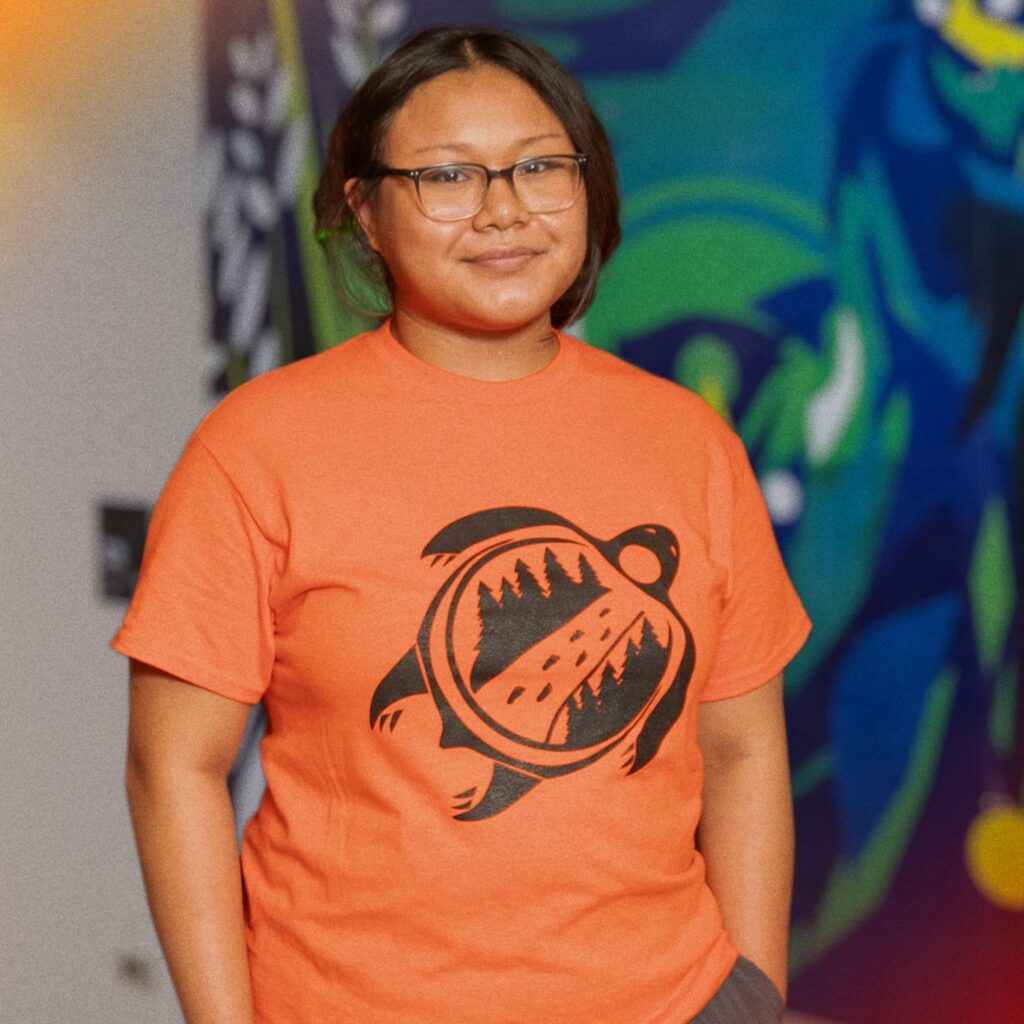
Nursing student Dasia Chatkana designed the 2025 RRC Polytech Orange Shirt design in homage to the children who took the risk to see their families again – who braved treacherous terrains, freezing rain and snow, and Royal Canadian Mounted Police officers tracking them.

The design began with small footprints trailing between coniferous trees, with the moon hanging above to illuminate the path through the forest. From the focal point, the back of a turtle cradles the journey home, symbolizing one of the seven Grandfather Teachings: truth.

Chatkana says that growing up, hearing stories of escape from Residential Schools resonated deeply with her. She recalls her elementary school Dakota teacher, Kunsi Eastman of Canupawakpa Dakota Nation, retelling her own escape in Dakota class and finding out she was tracked down by authorities and returned to the school the very next day. She would also learn that her late grand-aunt, Kunsi Gracie of Canupawakpa Dakota First Nation, also managed to escape from Birtle Residential School.

Another story that Chatkana says inspired the design was that of Chanie Wenjack, whose escape was chronicled in the 2016 film The Secret Path by Gord Downie of The Tragically Hip. Wenjack was a 12-year-old boy who ran away from the Cecilia Jefferson Residential School in 1966 in an attempt to walk home to Ogoki Post, over 600 kilometres away from the school. His body was found frozen on a railway track on Oct. 22, 1966. He died of starvation and exposure to sub-zero temperatures in nothing more than a windbreaker and a jar of matches.

Chatkana says the piece needed to be about more than recognizing tragedy – it is about honouring bravery and highlighting truth. The stark image of a child’s footprints treading towards the moon through the woods is carried on the back of the slow turtle, a journey within a journey – an expression of the journey that is reconciliation and contained in the truth that the turtle represents.

Chatkana says that, as someone who draws in her free time, writing an artist statement to explain the essence of her piece was not easy. Putting into words the feelings, the stories, and the Teachings that were incorporated into the piece was never something that she had done with any other art piece. While considering how she should articulate the meanings woven through the piece, she realized that the symbolism could be interpreted differently when she asked her sister to look at the piece and provide her impression of it.

“When my sister saw the piece, she thought they were the footprints of Bigfoot… Which I thought was smart, because Bigfoot represents honesty in the Seven Grandfather Teachings,” said Chatkana.

Bigfoot is a spirit that is acknowledged and respected in many Dakota Oyate, Anishinaabeg, Ininiwak, and other cultural stories and Teachings. Bigfoot is a witness to truth, always watching to observe the reality of the world – for the children who ran away, Bigfoot saw.

The footprints in the earth evoke a sense of urgency. The children that fled often ran in moments of opportunity – when the priests looked away, when the door was left unlocked, when the lights went out. When the children escaped, they often ran away only with the clothes on their backs – and for children like Chanie Wenjack, it wasn’t possibly enough to help them on the journey home.

“I want people to remember that this is a tribute to the Survivors of Residential Schools, their descendants, and the children who never made it home. The turtle represents the long journey of Truth and Reconciliation that we all must take, like the journey that so many children tried to make home,” said Chatkana.

Chatkana says that, growing up, her family was poor and experienced the tumult that came with the uncertainty of financial insecurity. She didn’t have many toys with which to occupy herself, so she made use of what she had: markers and paper towels.

This is where her pastime for creating art became a passion. She spent a lot of time drawing and at home on reserve, she would enter art contests. She remembers entering little art contests on her reserve – sometimes winning, always just enjoying the act of creating.

She says that she creates art in different media now, and the design for the Orange Shirt was something that she wanted to create that was meaningful not only to her but for the people that will wear the design. She still doesn’t consider herself an artist – but her creative spark has never dulled. Now, she’s entered RRC Polytech’s Nursing program for the fall after completing the Pathway to Health Programs.

Chatkana also expressed gratitude to her grand-uncle, Grandpa Greg, and Kunsi Eastman, who are Knowledge Keepers and Elders in her community. She said their Teachings have been central to her understanding of Dakota culture and language, shaping her identity and sense of belonging. She carries deep respect for them and for the way they keep Dakota culture alive.

Art might not be her profession, but it’s forever a part of her voice. She hopes her piece will resonate with others the way these stories resonated with her.

“Truth and Reconciliation is a long path. But it’s real. We have to have hope and remember. We owe that to those who made the journey before us.”

Artist’s Statement

Creating this piece was challenging for me. I do not consider myself an artist or creative, so I struggled with knowing what to create, but one thing was clear: I wanted to incorporate something related to Residential Schools within a turtle. In many Indigenous cultures in North America, the turtle symbolizes many things. In the Seven Sacred Teachings, the turtle represents truth and wisdom. Sometimes the turtle represents the land, Turtle Island, in stories of the creation of the world. Considering that my design must represent Truth and Reconciliation, I chose the wise turtle as my medium.

After reflecting on how to incorporate Residential Schools into my work, I remembered the many escape stories I have heard, seen, or read about from Residential Schools. Most of these escapes were unsuccessful. Many children were caught and sent back, while some escapes ended in tragedy.

One story that deeply impacted me was Chanie Wenjack’s, which I first learned about in high school through Gord Downie’s documentary Finding the Secret Path. At just 12 years old, Chanie died while trying to return home from a Residential School. With these stories in mind, I had placed small footprints on the turtle’s shell, moving toward the moon, symbolizing how many children escaped under the cover of night, guided only by the moon and stars.

This artwork is a tribute to the Survivors of Residential Schools, their descendants, and the children who never made it home. The turtle and its shell represent the long journey toward Truth and Reconciliation that we must all take. The turtle carries the heaviest truth, much like it carries the weight of the world (Turtle Island). Like a turtle, the path to Truth and Reconciliation is slow, and it will take many years for healing and understanding to truly unfold.

Today, I can see the change slowly unfold before my eyes. I hope one day I can see Truth and Reconciliation and the Calls to Action be fulfilled.


The RRC Polytech Original Orange Shirt, designed by Chatkana, is at the Campus Store for purchase. All proceeds for the Orange Shirt go towards the Mínwastánikéwin Truth and Reconciliation Award for Indigenous students.

Orange Shirt Day 2025

September 17, 2025

Help raise awareness of the National Day of Truth and Reconciliation and support an Indigenous bursary

Phyllis Webstad, whose orange shirt was taken away when she attended Residential School in the 1970s, started the Orange Shirt movement by sharing her story. Since 2013, the Orange Shirt Society has raised awareness of the impacts of Residential Schools and the work Survivors and their families do to heal Indigenous communities. September 30 has been declared the National Day for Truth and Reconciliation and recognized as Orange Shirt Day to honour Residential School Survivors, their communities, and the children who never came home.

In honour of Orange Shirt Day, RRC Polytech has partnered with Dakota artist and RRC Polytech student Dasia Chatkana to create an original Orange Shirt design and with Dreamcatcher Promotions to produce the Orange Shirts. The Orange Shirts will be available through the Campus Store and all proceeds go to the Mínwastánikéwin Truth and Reconciliation Award when applications open in January 2026.

The design features moonlit footprints through a forest on the back of a turtle, representing the children that ran away from Residential Schools. Chatkana says their bravery through the wild and the hope to see their families again are the foundational inspiration for the peace, and the turtle, which symbolizes Truth among the Seven Grandfather Teachings, represents the slow journey of Truth and Reconciliation on Turtle Island.

This artwork is a tribute to the Survivors of Residential Schools, their descendants, and the children who never made it home. The turtle and its shell represent the long journey toward Truth and Reconciliation that we must all take. The turtle carries the heaviest truth, much like it carries the weight of the world (Turtle Island). Like a turtle, the path to Truth and Reconciliation is slow, and it will take many years for healing and understanding to truly unfold.

Dasia Chatkana

Show your support for Truth and Reconciliation by wearing the RRC Polytech Orange Shirt on Friday, September 26 on campus.

Purchase your 2025 Orange Shirt at the Campus Store at Notre Dame Campus or the Exchange District Campus.

Learn more about Phyllis Webstad and the Orange Shirt Society on their website.

MMF Citizenship and Harvester Card sign-up sessions

September 11, 2025

Join us at RRC Polytech for MMF Citizenship and Harvester Card sign-up sessions!

The Manitoba Métis Federation will be on campus September 23 at Notre Dame Campus (West Lot) and September 25 at Exchange District Campus (Atrium) from 10 a.m. – 3 p.m. All students can apply free of charge, while staff will need to bring $10 cash for a Citizenship card and $10 for a Harvester card.

Bring these items to your appointment:

  • Completed MMF Application Form
  • Genealogy documentation (or supporting relative documents)
  • Long-form birth or baptismal certificate
  • Government-issued ID
  • Passport-quality photo (can be taken on-site for free)
  • Payment (if applicable)

This is your chance to complete your application in person and get help from MMF representatives. Don’t miss it!

Job Listing: Educational Developer – Truth and Reconciliation and Community Engagement (Permanent Position)

August 12, 2025

RRC Polytech is seeking a passionate and knowledgeable Educational Developer to join our Truth and Reconciliation and Community Engagement team.

This full-time, permanent position is dedicated to advancing our Indigenization efforts, guided by the Truth and Reconciliation Commission’s 94 Calls to Action.

Location: Notre Dame Campus (Winnipeg, MB)
Salary: $68,556 – $96,644/year
Apply by: August 21, 2025
Designated Position: Open to candidates who self-identify as Indigenous (First Nations, Métis, or Inuit).

If you have expertise in Indigenous knowledge systems, land-based learning, and educational development — and want to make a lasting impact at RRC Polytech — we want to hear from you!

Internal applicants can visit the HRIS portal to apply. External applicants can visit our Recruitment Site for more information.

Let’s work together to preserve and protect Indigenous perspectives for a safe and sustainable future.

RRC Polytech campuses are located on the lands of the Anishinaabeg, Ininiwak, Anishininwak, Dakota Oyate, and Denésuline, and the National Homeland of the Red River Métis.

We recognize and honour Treaty 3 Territory Shoal Lake 40 First Nation, the source of Winnipeg’s clean drinking water. In addition, we acknowledge Treaty Territories which provide us with access to electricity we use in both our personal and professional lives.