
Moojigitoodaa Aki – Environmental Studies and Land Relations Diploma Program
Become a leader in the field of environmental protection
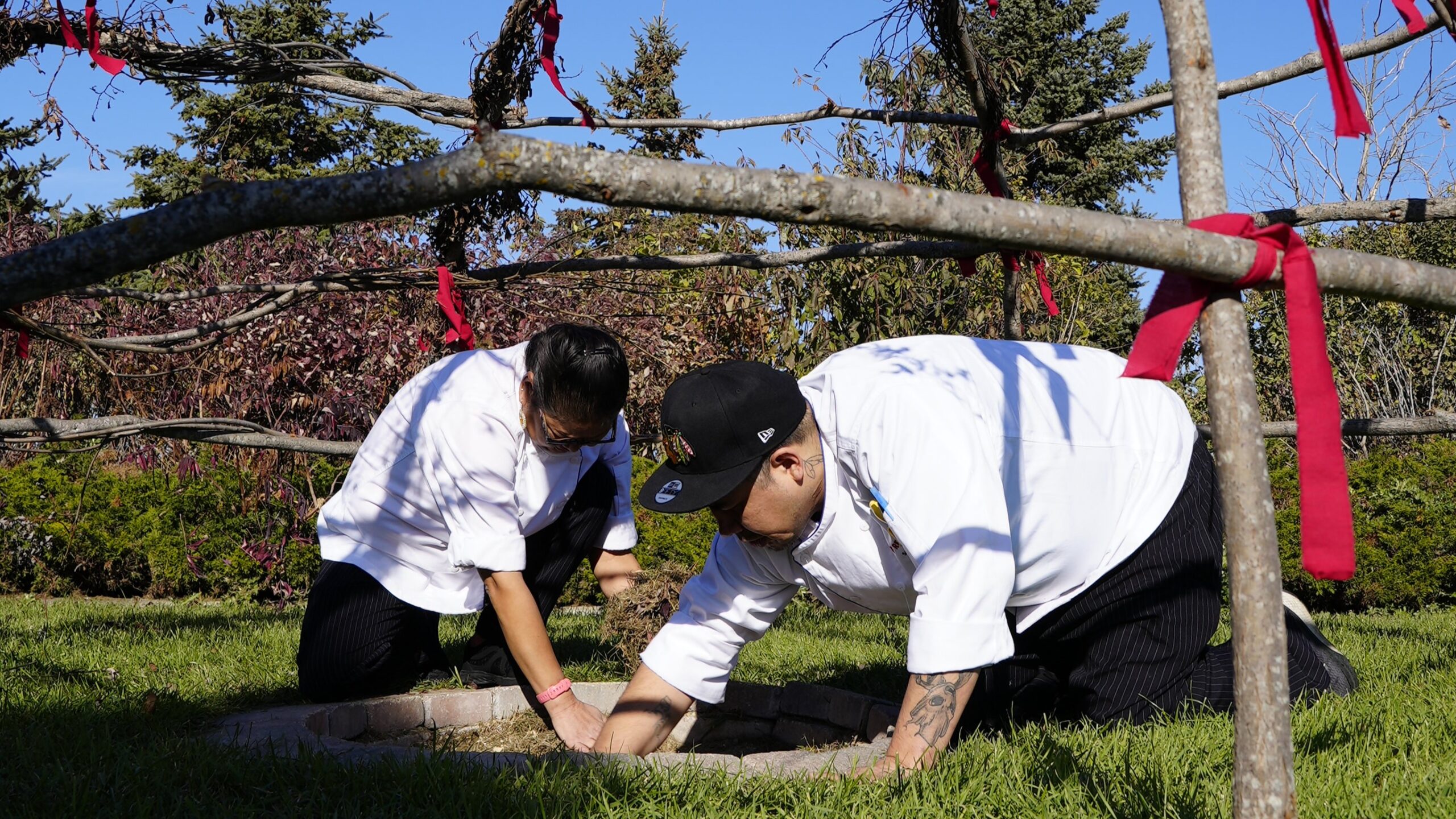
RRC Polytech is introducing the new Environmental Studies and Land Relations diploma program – a scientific, land-based program that combines environmental science, fieldwork, and Indigenous knowledge in meaningful, practical ways. This program is designed for learners who want to work directly with the land and support communities. Classroom learning blends with land-based experiences, hands-on research, and Work-Integrated Learning opportunities across Manitoba.
Throughout the program, students gain essential technical abilities in laboratory work, field sampling, safety practices, and wilderness preparedness across seasons. Courses connect environmental testing with Indigenous knowledge, led in partnership with community Knowledge Keepers and industry advisors. Students develop skills in data collection, environmental assessment, and monitoring of land, water, soil, and biodiversity, which will prepare them to support sustainable resource management with cultural respect. Using a Two-Eyed Seeing approach, students will learn to evaluate environmental impacts, work with community frameworks, and consider reconciliation and sovereignty in environmental planning and management.
The program emphasizes communication and career readiness. Students build practical skills in writing, speaking, digital fluency, and job preparation, including resumes, interviews, and workplace collaboration. These skills support success in the environmental sector and help students navigate evolving roles in conservation, consulting, and community-based research.

Students participate in a Work-Integrated Learning (WIL) opportunity, where they will gain real-world experience with community or industry partners. Whether choosing a paid co-op placement or collaborating on a full-term community or industry research project, students will apply their skills in environmental monitoring, conservation, and land stewardship while developing professionalism, collaboration, and confidence in their chosen field.
Graduates leave with the ability to build relationships with communities, analyze complex environmental issues, collaborate in research, prepare policy recommendations, and support decision-making processes that honour Indigenous rights and land connections. With a strong foundation in science, Traditional Ecological Knowledge, and applied fieldwork, the Environmental Studies and Land Relations diploma program equips students to become knowledgeable and ethical environmental practitioners committed to stewardship, sustainability, and reconciliation.
Courses at-a-glance
| Term 1 – Fall |
| Foundations of Environmental Studies and Indigenous Knowledge Field Skills in Wetland Ecology and Land Relations Sustainability, Truth and Reconciliation Communication for the Workplace Indigenous Knowledge and Environment Industry Skills 1 |
| Term 2 – Winter |
| Indigenous Stewardship and Environmental Assessment Communication Strategies Environment Studies Policy, and the Natural World Fieldwork and Preparedness 1 Indigenous Knowledge and Environment Industry Skills 2 |
| Term 3 – Summer (year 1 or 2) |
| Workplace-Integrated Learning Paid co-op or Community industry research project |
| Term 4 – Fall |
| Forestry Stewardship Land Use Planning and Resource Stewardship Environmental Education and Public Policy Indigenous Knowledge and Environmental Industry Skills 3 Environmental Business Development and Entrepreneurship |
| Term 5 – Winter |
| Forestry Stewardship Land Use Planning and Resource Stewardship Environmental Education and Public Policy Indigenous Knowledge and Environmental Industry Skills 3 Environmental Business Development and Entrepreneurship |

Employment potential
Graduates of the program will be prepared for careers in:
- Environmental and resource management for Indigenous communities
- Environmental education and land-based learning
- Advocacy and policy work in environmental justice
- Nonprofit organizations focused on Indigenous rights and environmental protection
- Government agencies involved in land management, conservation, and sustainable development
- Academic and research institutions
Registration
Program information will be available for Fall 2026 when the Program Explorer and Catalogue are updated. Subscribe to this blog to get automatic updates right to your inbox! Scroll the list and select “Indigenous Education.”
For more information on the application process and admission requirements, contact the Indigenous Academic Advisor at indigenous.advisor@rrc.ca.