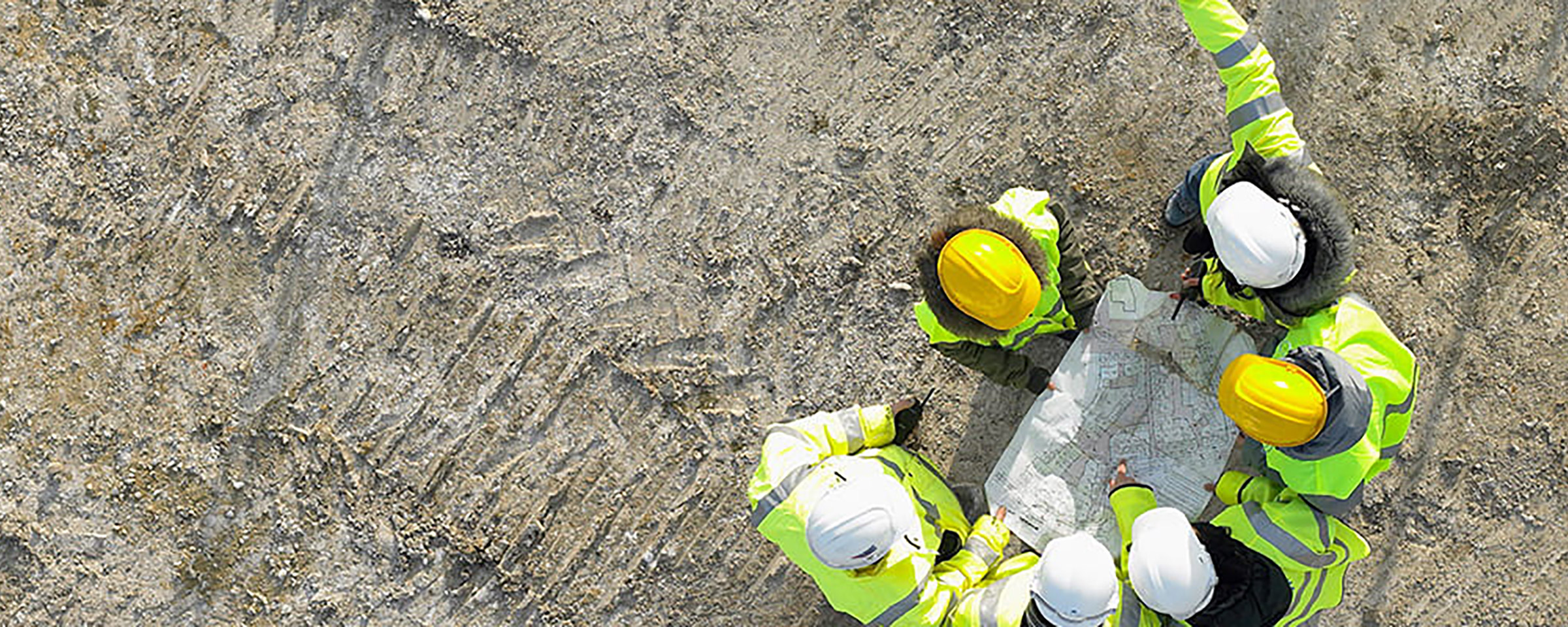
Building code courses provide essential knowledge and skills for understanding and applying construction regulations and standards. These courses typically cover topics such as structural integrity, safety protocols, accessibility requirements, and energy efficiency. They are designed for building officials and professionals in the construction industry, including architects, engineers, and contractors, to ensure compliance with local and national building codes.
The Code Acceleration Fund (CAF) offers fully-funded training focused on energy codes. Courses are delivered online by RRC Polytech at no cost.
Date and Time: May 25 – June 26, 2026, Microsoft Teams: Tuesdays and Thursdays 9am – 11am
Fee: $847
Registration Deadline: May 11, 2026
Prerequisite: Part 9 Small Buildings
Note: This course combines online learning and live Microsoft Teams sessions with an instructor. This course contains approximately 40 hours of course work. Due to the intensive nature of the course, participants are expected to dedicate 6-8 hours per week.
In this course, building inspectors and those seeking clarification on Part 3 of the Manitoba Building Code (MBC) will explore its application to large building construction in Manitoba. Students will learn the standards and requirements for Part 3 and 5. They will evaluate life safety and fire protection systems, as well as accessibility considerations within large buildings. Students will apply code-based analysis to achieve building code compliance. By the end of this course, they will be able to interpret MBC Part 3 requirements when reviewing drawings and conducting inspections for compliance.
Date and Time: June 30, 2026, 9am – 12pm
Fee: $204
Registration Deadline: June 16, 2026
The exam will be available online. Exams are only required for those participants who are using the course for Manitoba Building Officials’ Association Certification as CBCO or BCQ.
Dates and Times: September 8-25, 2026 (Self-guided)
Fee: $645
Registration Deadline: August 21, 2026
Prerequisite: None
Note: This course is delivered online, and you will work at your own pace under the guidance of an instructor. The course contains approximately 16 hours of course work.
This online course is designed for those individuals who either currently use the MBC in their day-to-day work, and especially for those individuals who are going to be using the Codes for the first time.
Most Code programs are delivered with the understanding that participants come with knowledge and skills on the Codes. Divisions A and C provide the structure for Code Officials and design professionals to properly apply the Codes. This course will provide the participant with instruction on how to use the Code books and where items are located in the Code book, how an inspector can and cannot enforce the Codes, and finally it will conclude with how to properly classify a building. This program is designed as a prelude to participants continuing with advanced Code courses.
Dates and Times: October 5- November 6, 2026, Microsoft Teams Sessions: Tuesdays and Thursdays 9am – 11am
Fee: $889
Registration Deadline: September 21, 2026
Prerequisite: Part 9 The House
Note: This course blends live instructor-led sessions with online learning. The course includes approximately 40 hours of course work. Due to the intensive nature of the course, participants are expected to dedicate 6-8 hours per week reviewing materials and completing assignments.
This course has been designed to enhance the knowledge of existing code practitioners and those practitioners who wish to improve their competence in interpreting and implementing the principles of the 2010 National Building Code of Canada (NBC) with respect to small buildings (Vol. 2 Division B Part 9).
It is intended to help the participant understand the requirements of the NBC that apply to all small buildings, defined in the NBC as:
This course will emphasize the requirements for small buildings, excluding the “House” which is covered in another course. The “House” building form includes residential single detached, semi-detached, townhouse or row dwellings with no more than one unit above another unit. A house with a secondary suite or basement apartment, a duplex, stacked semi-detached or stacked townhouse would be the House building form.
Small buildings include all other Part 9 buildings such as a triplex, small apartment building, single occupancy or mixed occupancy buildings.
Participants must have a basic understanding of the NBC and requirements contained therein in order to be successful when taking exams or applying the knowledge to their jobs.
This course will help the learner find applicable NBC requirements and through the exercises contained herein will focus on educating the participant so that he or she may correctly interpret and apply the regulations.
Some areas covered by this course include:
Additional Small Building Topics (Floors-On-Ground, Above-grade Masonry and Insulating Concrete Form (ICF), Wood Frame Construction, Electric Facilities, Safety Measures at Construction and Demolition Sites).
Date and Time: November 12, 2026, 9am – 12pm
Fee: $209
Registration Deadline: October 29, 2026
The Exam will be available online. Exams are only required for those participants who are using the course for Manitoba Building Officials’ Association Certification as CBCO or BCQ.
Date and Time: November 9 – December 4, 2026, Microsoft Teams Sessions: Tuesdays and Thursdays 9am – 11am
Fee: $645
Registration Deadline: October 23, 2026
Prerequisite: Part 3 Large Buildings
Note: This course blends live instructor-led sessions with online learning. The course includes approximately 24 hours of course work. Due to the intensive nature of the course, participants are expected to dedicate 6-8 hours per week reviewing materials and completing assignments.
This advanced course builds on CODE-1016 Part 3 Large Buildings and develops the learner’s ability to interpret, evaluate, and apply the Manitoba Building Code to complex building conditions. The course focuses on post-disaster buildings, buildings to which the high-building provisions apply, and buildings containing mezzanines, openings through floor assemblies, or interconnected floor spaces. Learners will evaluate advanced construction and fire-performance requirements, smoke-control and emergency measures, integrated fire-protection and life-safety systems, and the coordination of structural, environmental-separation, HVAC, plumbing, and construction-safety information.
Date and Time: December 10, 2026, 9am – 11am
Fee: $209
Registration Deadline: November 26, 2026
The Exam will be available online. Exams are only required for those participants who are using the course for Manitoba Building Officials’ Association Certification as CBCO or BCQ.
Date and Time: November 16 – December 11, 2026 (Self-guided)
Fee: $645
Registration Deadline: November 2, 2026
Prerequisite: None
Note: This course is delivered online, and you will work at your own pace under the guidance of an instructor. The course contains approximately 24 hours of course work.
This online course will examine the legal requirements of the building permitting process as well as the Building Official’s role within it. The course will assist Building Officials in recognizing the applicability of laws at various levels (federal, provincial and municipal) in the building process as well as providing understanding regarding when their role in the legal process begins. Finally, the course will conclude with information about what would be required of a Building Official should they be called to court. This course will be of assistance to Building Officials working in both Part 3 and 9 as well as others involved in the administration and enforcement of Manitoba’s Acts, Regulations, Codes and Bylaws. It may also be of interest to administrators to provide an overview of the work of these employees.
Date and Time: December 17, 2026, 9am – 12pm
Fee: $209
Registration Deadline: December 3, 2026
The Exam will be available online. Exams are only required for those participants who are using the course for Manitoba Building Officials’ Association Certification as CBCO or BCQ.
Dates and Times: January 11-29, 2027 (Self-guided)
Fee: $645
Registration Deadline: December 18, 2026
Prerequisite: None
Note: This course is delivered online, and you will work at your own pace under the guidance of an instructor. The course contains approximately 16 hours of course work.
This online course is designed for those individuals who either currently use the MBC in their day-to-day work, and especially for those individuals who are going to be using the Codes for the first time.
Most Code programs are delivered with the understanding that participants come with knowledge and skills on the Codes. Divisions A and C provide the structure for Code Officials and design professionals to properly apply the Codes. This course will provide the participant with instruction on how to use the Code books and where items are located in the Code book, how an inspector can and cannot enforce the Codes, and finally it will conclude with how to properly classify a building. This program is designed as a prelude to participants continuing with advanced Code courses.
Date and Time: February 8-18, 2027, Virtual Classes: February 16, 17, and 18, 2027, from 8:30am to 12pm
Fee: $1009
Registration Deadline: January 25, 2027
Prerequisite: None
Note: This course has two parts and is delivered entirely online. The pre-requisite self-paced unit must be completed prior to the three mornings of instructor-led learning.
Upon successful completion of the Part 9 HVAC course AND exam, students will receive their RV9.32 Certification. This certification reflects a solid understanding of Residential Ventilation using Section 9.32 of the National Building Code, equipping students to make confident and informed decisions around equipment selection and duct sizing. It also ensures code compliance and enhances their overall capabilities as designers.
Part One: Online Basic Principles of Residential Ventilation (Self-paced unit available February 8-15, 2027)
Through this online course, participants are introduced to the basic principles of ventilation. We start by defining the concepts known as “House as a System”; the flow of air, heat and water, and how those impact natural ventilation (aka air leakage). Then we move on to describing the theory of mechanical airflow including air pressure, duct resistance, and fan ratings. Get a review of the impact on combustion appliances, humidity levels and indoor air quality. Course contains approximately 2 hours of course work.
Part Two: Residential Ventilation using Section 9.32 of the Building Code (Live virtual sessions on February 16, 17, and 18, 2027, from 8:30am to 12pm)
Participants will use simple worksheets in conjunction with detailed design procedures to quickly select equipment, size ducts and specify installation and control details necessary to design ventilation systems. All content complies with Section 9.32 of the NBC/OBC/BCBC. Participants will also clearly understand when the circumstances fall outside the scope of 9.32, which will require the use of a more comprehensive standard such as CAN/CSA F326-M1991 (R2014).
Date and Time: February 19, 2027, 8:30am to 12pm
Fee: $209
Registration Deadline: February 5, 2027
Note: Upon successful completion of the Part 9 HVAC course AND exam, students will receive their RV9.32 Certification. This certification reflects a solid understanding of Residential Ventilation using Section 9.32 of the National Building Code, equipping students to make confident and informed decisions around equipment selection and duct sizing. It also ensures code compliance and enhances their overall capabilities as designers.
The exam will be available online. Exams are only required for those participants who are using the course for Manitoba Building Officials’ Association Certification as CBCO or BCQ.
Dates and Times: March 1 – April 2, 2027, Microsoft Teams: Tuesdays and Thursdays 9am – 11am
Fee: $889
Registration Deadline: February 15, 2027
Prerequisite: None
Required Textbooks: The National Plumbing Code 2020
Note: This course blends live instructor-led sessions with online learning. The course includes approximately 40 hours of course work. Due to the intensive nature of the course, participants are expected to dedicate 6-8 hours per week reviewing materials and completing assignments. No prior plumbing knowledge is required to take this course.
In this course, building inspectors and those seeking clarification on Part 9 of the National Plumbing Code of Canada (NPCC) will explore its application for building construct ion in Manitoba. Students will learn the standards and requirements for Part 9 plumbing inspect ions and how to navigate NPCC resources. They will identify the structure and components of various plumbing systems and analyze them for defects and compliance issues. Students will apply mathematical concepts and communication strategies to various plumbing and inspect ion scenarios and by the end of this course, they will be able to address Part 9 of the NPCC when inspecting plumbing systems.
Date and Time: April 8, 2027, 9am – 12pm
Fee: $209
Registration Deadline: March 25, 2027
The exam will be available online. Exams are only required for those participants who are using the course for Manitoba Building Officials’ Association Certification as CBCO or BCQ.
Prerequisite: Part 9 Small Buildings
Note: This course combines online learning and live Microsoft Teams sessions with an instructor. This course contains approximately 40 hours of course work. Due to the intensive nature of the course, participants are expected to dedicate 6-8 hours per week.
In this course, building inspectors and those seeking clarification on Part 3 of the Manitoba Building Code (MBC) will explore its application to large building construction in Manitoba. Students will learn the standards and requirements for Part 3 and 5. They will evaluate life safety and fire protection systems, as well as accessibility considerations within large buildings. Students will apply code-based analysis to achieve building code compliance. By the end of this course, they will be able to interpret MBC Part 3 requirements when reviewing drawings and conducting inspections for compliance.
Note: This course combines online learning and live Webex sessions with an instructor. The Webex sessions will take place during daytime hours (day and time TBD). This course contains approximately 40 hours of course work.
Prerequisite: Part 9 The House
This course has been designed to enhance the knowledge of existing code practitioners and those practitioners who wish to improve their competence in interpreting and implementing the principles of the 2010 National Building Code of Canada (NBC) with respect to small buildings (Vol. 2 Division B Part 9).
It is intended to help the participant understand the requirements of the NBC that apply to all small buildings, defined in the NBC as:
This course will emphasize the requirements for small buildings, excluding the “House” which is covered in another course. The “House” building form includes residential single detached, semi-detached, townhouse or row dwellings with no more than one unit above another unit. A house with a secondary suite or basement apartment, a duplex, stacked semi-detached or stacked townhouse would be the House building form.
Small buildings include all other Part 9 buildings such as a triplex, small apartment building, single occupancy or mixed occupancy buildings.
Participants must have a basic understanding of the NBC and requirements contained therein in order to be successful when taking exams or applying the knowledge to their jobs.
This course will help the learner find applicable NBC requirements and through the exercises contained herein will focus on educating the participant so that he or she may correctly interpret and apply the regulations.
Some areas covered by this course include:
Additional Small Building Topics (Floors-On-Ground, Above-grade Masonry and Insulating Concrete Form (ICF), Wood Frame Construction, Electric Facilities, Safety Measures at Construction and Demolition Sites).
Note: This course combines online learning and live Microsoft Teams sessions with an instructor. This course contains approximately 40 hours of course work. No prior plumbing knowledge is required to take this course.
This course has been designed to enhance the knowledge of existing Code Practitioners and those practitioners who wish to improve their competence in the practice of interpretation and implementation of the principles of the 2020 National Plumbing Code (NPC). It is intended to help the participant understand the requirements of the NPC when inspecting the plumbing in a building.
Some areas covered by this course include:
Required textbooks:
Note: This course is delivered online, and you will work at your own pace under the guidance of an instructor. The course contains approximately 24 hours of course work.
This online course will examine the legal requirements of the building permitting process as well as the Building Official’s role within it. The course will assist Building Officials in recognizing the applicability of laws at various levels (federal, provincial and municipal) in the building process as well as providing understanding regarding when their role in the legal process begins. Finally the course will conclude with information about what would be required of a Building Official should they be called to court.
This course will be of assistance to Building Officials working in both Part 3 and 9 as well as others involved in the administration and enforcement of Manitoba’s Acts, Regulations, Codes and Bylaws. It may also be of interest to administrators to provide an overview of the work of these employees.
Note: This course is not currently scheduled. Please email for more information ›
This course will cover the Manitoba Building Code requirements for ventilation systems (9.32) and the Heating and Air-conditioning (9.33) requirements. The course will also cover:
Course materials will include a multi-point checklist that building officials can use to visually verify code compliance.
Typical installation procedures and code requirements will be presented using photographs of installed systems and other documentation.
Form and label templates that Authorities (AHJs) can use to improve documentation and ease verification requirements will be presented.
Note: This course is not currently scheduled. Please email for more information ›
Note: This course is delivered online, and you will work at your own pace under the guidance of an instructor. The course contains approximately 7 hours of course work.
This course will prepare participants with required knowledge and tools needed to meet the requirements of Section 9.36 Energy Efficiency in Houses and Small Buildings using both compliance path options prescriptive and trade-off. Classroom experience will also assist in code interpretation and code compliance as code articles will be examined one by one. Explanations and examples will be used throughout the course to enhance the participants understanding.
Participants will develop the ability to interpret and apply the requirements of the Section 9.36. The Section 9.36 course is intended for Building officials, design professionals, contractors or anyone working in the field of Part 9 construction. The goal of this course is to promote problem solving techniques and critical thinking skills using the code knowledge gained in the course and applying it to practical examples in class.
Note: This course is not currently scheduled. Please email for more information ›
Note: This course combines online learning and live Microsoft Teams sessions with an instructor. The sessions take place during daytime hours (day and time TBD). This course contains approximately 24 hours of course work.
This advanced course builds on CODE-1016 Part 3 Large Buildings and develops the learner’s ability to interpret, evaluate, and apply the Manitoba Building Code to complex building conditions. The course focuses on post-disaster buildings, buildings to which the high-building provisions apply, and buildings containing mezzanines, openings through floor assemblies, or interconnected floor spaces. Learners will evaluate advanced construction and fire-performance requirements, smoke-control and emergency measures, integrated fire-protection and life-safety systems, and the coordination of structural, environmental-separation, HVAC, plumbing, and construction-safety information.
Note: This course is not currently scheduled. Please email for more information ›
Note: This course is delivered online, and you will work at your own pace under the guidance of an instructor. The course contains approximately 16 hours of course work.
Students will develop the ability to interpret and apply the requirements of the Manitoba Energy Code for Buildings including the associated Manitoba Amendments for use in the design of buildings. The Manitoba Energy Code for Buildings course is intended for Building Inspectors, Contractors, design professionals and anyone working in the construction sector who want a greater understanding of the energy code.
This course will prepare participants with required knowledge and tools needed to meet the requirements of Manitoba Energy Code for Buildings (MECB) 2013 using the Prescriptive and Trade Off Path compliance options. Classroom experiences will assist in code interpretation and code compliance. The goal of this course is to promote problem solving techniques and critical thinking skills using the code knowledge gained in the course and applying it to real life examples and issues that have occurred in the field.
Note: This course is not currently scheduled. Please email for more information ›
This course will introduce learners to the basic principles subscribed to in creating contract documents that fall under part 3 of the “National Building Code of Canada”, and will encompass most disciplines that could be involved, including Architectural, Structural, Mechanical, and Electrical, and will touch briefly on Landscape and Municipal. The intent is to understand the intent of the documents, and there purpose. It will cover primarily the graphics (blue prints), however reference will be made to the “Project Manual” (Specifications).
The course will consist of a series of demonstrations with explanations of the method. Learners will complete worksheets which will be reviewed and clarified in class.
Note: This course is not currently scheduled. Please email for more information ›
Exams are billed separately from the course. Exams are available online. Paper exams are available upon request.
Note: Exams are only required for those participants who are using the course for Manitoba Building Officials’ Association Certification as CBCO or BCQ.
For more information about MBOA certification, visit the Manitoba Building Officials Association website.
If you have questions related to certification, please contact Cody Bergen at cbergen@steinbach.ca or 204-380-3456.
RRC Polytech campuses are located on the lands of the Anishinaabeg, Ininiwak, Anishininwak, Dakota Oyate, and Denésuline, and the National Homeland of the Red River Métis.
We recognize and honour Treaty 3 Territory Shoal Lake 40 First Nation, the source of Winnipeg’s clean drinking water. In addition, we acknowledge Treaty Territories which provide us with access to electricity we use in both our personal and professional lives.